Landlord Repair Duties & Timelines in California
There's nothing quite like the panic that sets in when your heating goes out in the middle of a chilly California winter, or when a persistent leak threatens to ruin your belongings. Dealing with repairs in a rental property can be incredibly frustrating, especially when your landlord seems slow to act or unsure of their responsibilities. This guide will walk you through everything you need to know about landlord repair duties and timelines specifically here in California, empowering you to understand your rights and take action when necessary.
Understanding Your Landlord's Core Repair Responsibilities in California
In California, tenants are protected by strong laws that ensure rental properties are safe and habitable. This isn't just a nicety; it's a legal obligation that landlords must uphold. When you move into a rental, you're not just getting a roof over your head; you're entering into an agreement where the landlord promises to keep the property in good repair, often referred to as the "implied warranty of habitability."
The Warranty of Habitability Defined
The concept of the Implied Warranty of Habitability Explained is fundamental to tenant rights in California. Simply put, it means that landlords are legally required to provide and maintain a rental unit that is fit for human occupation. This isn't something that needs to be explicitly written into your lease; it's an inherent part of every residential rental agreement in the state. If a significant issue arises that makes your home unsafe, unhealthy, or otherwise uninhabitable, your landlord has a duty to address it. It's about ensuring basic living conditions are met, protecting you from living in unsafe or unsanitary environments. For example, if your plumbing consistently backs up or there's a serious electrical issue, that falls under a habitability concern.
Key Elements of a Habitable Property
So, what exactly does "habitable" entail in California? The state's Civil Code outlines specific conditions that a rental unit must meet to be considered livable. These aren't just suggestions; they are non-negotiable requirements. Landlords must ensure:
- Effective Weatherproofing: This means that the roof, exterior walls, and windows must be protected from rain, wind, and the elements. You shouldn't have drafts or leaks causing discomfort or damage.
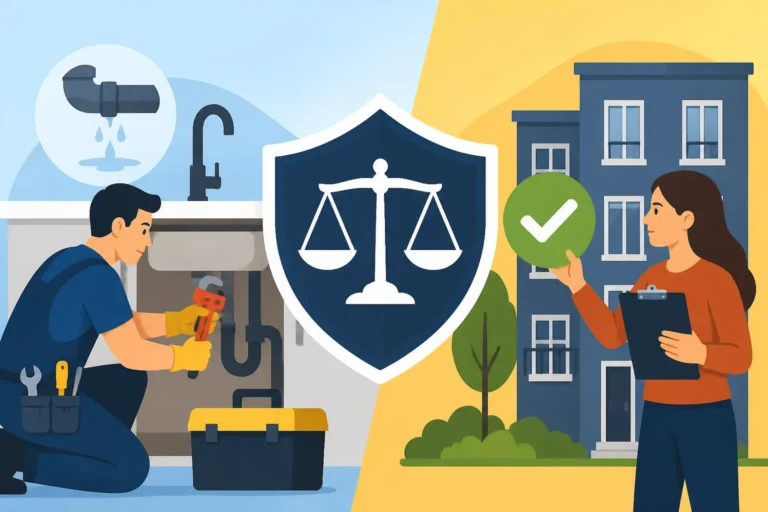
- Operational Plumbing and Gas Facilities: All plumbing, including hot and cold running water, and gas facilities must be in good working order. Think functional toilets, sinks, and showers, along with safe gas lines for heating and cooking.
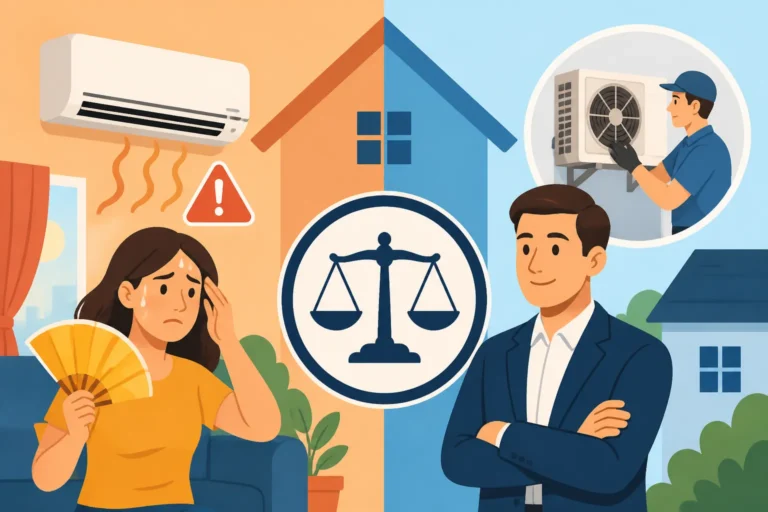
- Working Heating Facilities: Especially crucial during colder months, your rental unit must have a functional heating system. Imagine your furnace dying in January in Sacramento – that's a serious habitability issue.
- Sound Electrical Lighting and Wiring: All electrical systems, including lighting and wiring, need to be safe and working properly. Exposed wires or frequent outages could pose significant hazards.
- Clean and Sanitary Premises: The building, grounds, and all areas under the landlord’s control must be kept clean and free from debris, filth, and vermin. This includes providing adequate trash receptacles.
- Adequate Garbage Receptacles: Landlords are responsible for providing appropriate receptacles for garbage and rubbish and ensuring their removal.
- Well-Maintained Floors, Stairways, and Railings: All structural components must be in good repair and safe to use. You shouldn't have to worry about tripping hazards or unstable railings.
- Locks: All doors and windows leading to the outside must have working locks. This is a basic security measure that's essential for your safety.
These are the fundamental Landlord Repair Responsibilities What They Must Fix. If any of these essential conditions are not met, your landlord is failing in their legal duty to provide a habitable living space, and you have options to pursue the necessary repairs.
Navigating Repair Timelines in the Golden State
One of the biggest pain points for tenants is often the waiting game. You've reported an issue, but how long is "reasonable" for your landlord to actually fix it? California law doesn't provide a precise minute-by-minute countdown for every single repair, but it does establish clear expectations, especially for urgent matters. The timeframe largely depends on the severity of the problem.
Emergency Repairs and Prompt Action
When a repair issue makes your rental unit unsafe or uninhabitable, it's considered an emergency. These are the situations where prompt action isn't just appreciated, it's legally mandated. What constitutes an emergency? Think about things that directly threaten your health and safety:
- Loss of Heat or Hot Water: Especially important during colder periods, a lack of Tenant Rights With No Heat in California or hot water can make a unit uninhabitable.
- Major Plumbing Leaks: A burst pipe or a significant leak that can cause structural damage or lead to mold growth.
- Electrical Hazards: Exposed wiring, frequent circuit trips, or a complete power outage not caused by the utility company.
- Gas Leaks: Any suspected gas leak is a serious and immediate danger requiring emergency attention.
- Non-functional Locks: If your primary entry door or ground-level windows cannot be secured, leaving you vulnerable, it's an emergency.
- Pest Infestations: Severe infestations of rodents or other pests that create unsanitary conditions.
For these kinds of critical issues, landlords typically have between 24 to 72 hours to begin or complete the repair. This isn't a hard and fast rule set in stone for every scenario, but it's a widely accepted timeframe for what's considered "reasonable" for an emergency. If your landlord or property management, perhaps using a tool like TurboTenant to streamline communications, is aware of such an issue and doesn't act within this window, they could be in breach of their duties.
Non-Emergency Repairs and "Reasonable Time"
For issues that don't immediately threaten your health, safety, or habitability, landlords are given a "reasonable time" to complete repairs. This term can feel a bit vague, but generally, in California, "reasonable time" is understood to be 30 days. This applies to issues like:
- A leaky faucet that's a nuisance but not causing significant water damage.
- A broken appliance (unless it's a mandated amenity, like a refrigerator if provided).
- Minor cosmetic damage.
- A loose handrail that isn't an immediate fall hazard.
- A malfunctioning garbage disposal.
While 30 days is a common benchmark, what's "reasonable" can sometimes be debated and may depend on the specific circumstances, the complexity of the repair, and the availability of parts or contractors. However, if an issue drags on for months without any effort from your landlord, even if it's not a dire emergency, it likely exceeds a "reasonable time" for repair. Keep in mind that for a more detailed breakdown of general timelines, you can refer to resources like How Long Does a Landlord Have to Make Repairs By State?.
Here's a quick overview of typical repair timelines:
| Repair Type | Urgency Level | Typical Timeline (California) |
|---|---|---|
| No Heat/Hot Water | Emergency | 24-72 hours (especially in colder weather) |
| Major Plumbing Leak | Emergency | 24-72 hours |
| Electrical Hazards | Emergency | 24-72 hours |
| Gas Leak | Emergency | Immediate (Call emergency services, then landlord) |
| Broken Entry Locks | Emergency | 24-72 hours |
| Severe Pest Infestation | Emergency | 24-72 hours to begin addressing, ongoing treatment may vary |
| Broken Appliance | Non-Emergency | 30 days (if provided by landlord and not essential to habitability) |
| Minor Plumbing Drip | Non-Emergency | 30 days |
| Cosmetic Damage | Non-Emergency | 30 days, or longer if not impacting habitability (landlord discretion may apply) |
| Non-critical Structural | Non-Emergency | 30 days |
Your Options When a Landlord Fails to Act
It's one thing to know your rights; it's another to exercise them when your landlord isn't holding up their end of the bargain. If you've reported a serious repair issue and your landlord is dragging their feet or completely ignoring you, California law provides several avenues for recourse.
Documenting and Formalizing Your Repair Request
The absolute first step, and arguably the most crucial, is to How to Request Repairs in Writing. Never rely solely on verbal requests, no matter how friendly your landlord seems. A written record serves as proof that you notified your landlord of the issue and when. This documentation is invaluable if you need to take further action down the line.
When writing your request, be clear and concise. Detail the problem, when it started, and how it affects your living conditions. Include photos or videos if possible. Send it via certified mail with a return receipt requested, or email with a read receipt, so you have proof of delivery. Make sure to keep a copy for yourself. If you're dealing with an urgent issue, follow up your written notice with a phone call, but always ensure the written request is primary. This also provides context for landlords who might use services like Steadily for property management, where clear tenant communication is essential.
Repair and Deduct
California tenants have a powerful remedy known as "repair and deduct." This allows you to make necessary repairs yourself (or hire someone to do them) and then deduct the cost from your next rent payment. However, there are very strict rules you must follow:
- Written Notice: You must first give your landlord proper written notice of the defect and a "reasonable time" to perform the repairs (typically 30 days, or shorter for emergencies like a lack of Tenant Rights With No Hot Water by State).
- Habitability Issue: The repair must be for a condition that affects the habitability of your unit as defined by California Civil Code. It cannot be for minor cosmetic issues or damages caused by you or your guests.
- Cost Limit: The cost of the repair cannot exceed one month's rent.
- Frequency Limit: You can only use the repair and deduct remedy twice in any 12-month period.
- Professional Work: The repairs must be performed in a "workmanlike manner," meaning they should be done correctly and competently.
If you don't follow these rules precisely, you could be held liable for unpaid rent or even face eviction. Always consult with a tenant rights organization or legal aid before proceeding with the Repair and Deduct by State option. It's a significant step, and doing it wrong can have serious consequences.
Withholding Rent and Rent Escrow
Another option, though generally riskier and often advised against without legal counsel, is Withholding Rent for Repairs. California law allows tenants to withhold rent if the landlord fails to make necessary repairs after receiving proper notice, especially if the issue makes the unit uninhabitable. However, you cannot simply stop paying rent.
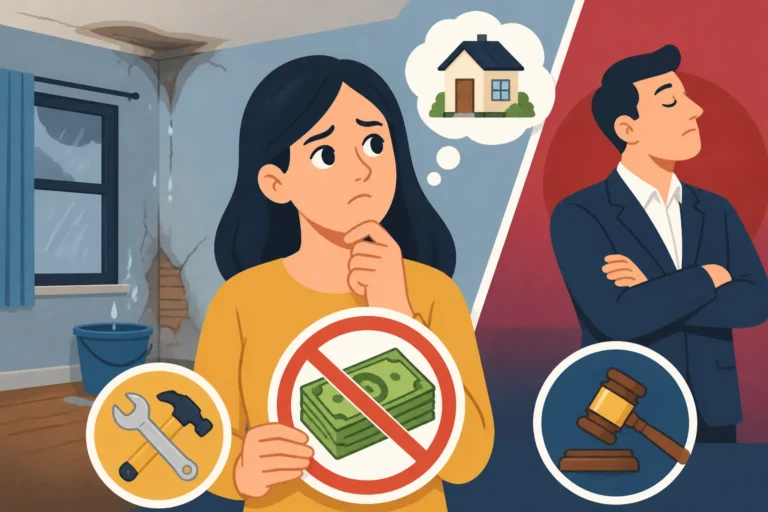
In California, if you decide to withhold rent, you are technically still obligated to pay the fair rental value of the unit in its damaged condition. This is where it gets complicated: you might argue the unit is worth less, but your landlord will likely argue it's worth more. If you withhold rent, you must be prepared to defend your actions in court, potentially proving the condition's severity, your landlord's failure to act, and the fair rental value you believe you owe.
Some states allow for a "rent escrow" system where you pay your rent to a court or third party until repairs are made. While California doesn't have a formal statewide rent escrow law, some local jurisdictions might have programs. It’s critical to understand that improperly withholding rent can lead to eviction proceedings, so this should only be considered as a last resort and with solid legal advice.
Exploring Other Remedies
If the repair and deduct or withholding rent options feel too complex or risky, there are other avenues to consider:
- Contacting Local Authorities: You can contact your city or county building or health department. They can inspect your unit and, if violations are found, order your landlord to make repairs. This creates an official record and puts pressure on the landlord. Resources like How to Report a Landlord Code Violations & Retaliation can guide you.
- Constructive Eviction: In extreme cases, if the conditions are so bad that the property is truly uninhabitable and your landlord has failed to fix them after proper notice, you might be able to claim Constructive Eviction Explained and move out without being liable for the remaining lease. This is a very high bar and should only be pursued with legal guidance, as it effectively means you are breaking your lease.
- Suing Your Landlord: For damages incurred due to the landlord's failure to make repairs (e.g., ruined belongings, temporary housing costs), you might be able to sue your landlord in small claims court. This also applies if you’re looking into Double vs Treble Damages for Wrongful Withholding in other contexts, though here it would be about damages due to lack of repairs.
- Breaking Your Lease: If conditions are truly uninhabitable and your landlord has not acted, and you cannot afford to wait, you might be able to Breaking a Lease for Uninhabitable Conditions. Again, this requires careful documentation and often legal advice to avoid penalties.
Regardless of the path you choose, remember that thorough documentation is your best friend. Keep copies of all communications, photos, repair estimates, and receipts. This evidence will be invaluable if you need to escalate the situation. And don't forget, as a tenant, having robust renter's insurance from companies like Lemonade can protect your belongings from unforeseen issues like a burst pipe or fire, even if the landlord is ultimately responsible for the structural repair.
Disclaimer
Please remember that this article provides general information about landlord-tenant laws in California and is not a substitute for legal advice. Laws can change, and specific situations may require professional legal counsel. Always consult with an attorney or a qualified tenant rights organization for advice tailored to your individual circumstances.