Repair and Deduct Laws in New York
It’s an all-too-common nightmare: you’ve reported a major issue in your New York apartment—maybe a leaky ceiling, a broken appliance, or persistent pest problem—and your landlord is just… not responding. You feel stuck, frustrated, and like you're paying good money for a place that isn't being properly maintained. When faced with a landlord who refuses to fix essential issues, many tenants wonder if they can just fix it themselves and deduct the cost from their rent. This guide is here to walk you through the specifics of "repair and deduct" laws in New York, explaining when and how you might be able to use this powerful but risky remedy, and what serious steps you need to take to protect yourself.
Understanding New York's Repair and Deduct Option
Dealing with a landlord who drags their feet on necessary repairs can be incredibly exasperating. In New York, tenants do have certain rights when it comes to maintaining a habitable living space, but the "repair and deduct" option isn't as straightforward as it might be in other states. It's not explicitly outlined in New York state law as a blanket right, which means relying on it requires a deep understanding of common law and specific judicial interpretations, often guided by the principle of the implied warranty of habitability. This isn't a DIY solution you can jump into without careful consideration; it’s a last resort with potential legal repercussions if not executed precisely.
When Can You Use Repair and Deduct in New York?
While there's no specific state statute detailing "repair and deduct," New York courts have, in certain limited circumstances, allowed tenants to utilize this remedy. It’s generally reserved for serious repairs that impact the habitability of your home and that the landlord has demonstrably failed to address after proper notice. Think of it this way: you can't just fix a loose cabinet door and deduct it from rent. We're talking about conditions that make your apartment unsafe, unhealthy, or essentially unlivable.
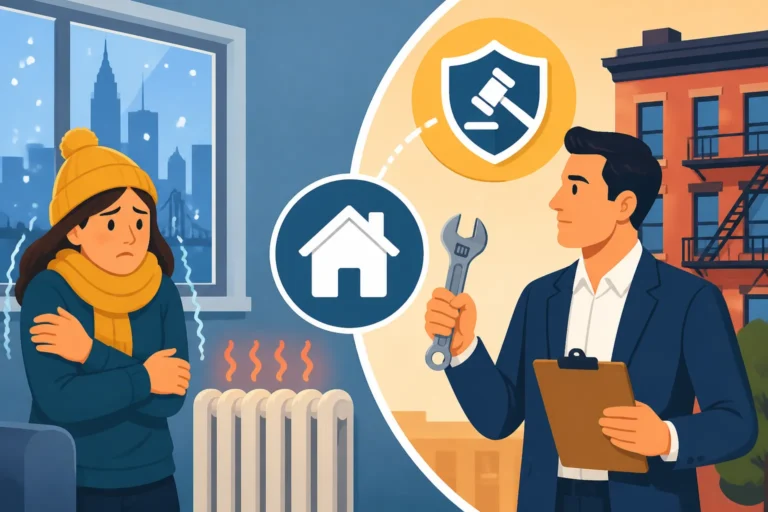
For example, if your heat goes out in the middle of a harsh New York winter, or if you have a significant plumbing leak causing damage and potential mold growth, these are the kinds of severe issues that might justify a repair and deduct action. The repair must be necessary to keep the premises safe and livable. The crucial component here is the "implied warranty of habitability," which is the bedrock of tenant protection in New York. If the issue is minor, or merely an inconvenience, a court is highly unlikely to side with you if you attempt a repair and deduct. Furthermore, you cannot have caused the damage yourself, directly or indirectly; the issue must stem from the landlord's failure to maintain the property.
The Implied Warranty of Habitability in New York
The concept of the Implied Warranty of Habitability Explained is paramount for New York tenants. This isn't just a nice idea; it's a legal promise, written into New York Real Property Law Section 235-b, that your landlord makes to you just by renting you an apartment. It essentially guarantees that your dwelling is fit for human occupation and that the property remains free of conditions that are dangerous, hazardous, or detrimental to life, health, or safety. It also ensures that the premises are used for the purposes for which they were leased.
What does this look like in practice? It means your landlord is legally responsible for providing and maintaining certain essential services and conditions. This includes things like heat, hot water, electricity, adequate plumbing, structural soundness, and reasonable protection from pests. If your apartment becomes uninhabitable due to a landlord’s negligence—say, a persistent rodent infestation, a broken boiler in January, or severe structural damage—they are breaching this warranty. This breach is the legal hook that could allow a tenant to consider remedies like repair and deduct or even Withholding Rent & Rent Escrow, though the latter also comes with its own set of strict rules. Before taking any action, you need to be absolutely sure that the problem you're trying to fix falls under this warranty and is indeed the landlord's responsibility to repair.
The Strict Steps to Take Before Repair and Deducting
Because the "repair and deduct" remedy is not explicitly codified in New York law and carries significant risk, following extremely strict procedures is not just recommended, it’s essential. You cannot simply decide to fix something and subtract the cost from your next rent payment. Doing so without proper documentation and adherence to specific steps could put you in a precarious position, potentially leading to an eviction notice for non-payment of rent. This is why many legal experts advise tenants to consult with an attorney before even contemplating this route.
Providing Proper Notice to Your Landlord
The absolute first, non-negotiable step is to provide your landlord with proper, documented notice of the problem. This isn't just a casual phone call or a quick text message; it needs to be a formal communication that clearly outlines the issue, its impact on your living conditions, and demands that the landlord take action within a reasonable timeframe.
Here’s how to do it effectively:
- Document the Problem Thoroughly: Before you even send notice, gather evidence. Take clear, timestamped photos and videos of the damage or dangerous condition. Document any communication you've already had with your landlord about the issue, even if it was informal. For example, if your refrigerator stopped working, snap pictures of spoiled food and the broken unit itself. This meticulous record-keeping is vital. Our guide on How to Document Repair Problems provides excellent tips.
- Send Written Notice: Always put your repair request in writing. A letter sent via certified mail with a return receipt requested is the gold standard. This creates an undeniable paper trail, proving that your landlord received the notice and when they received it. The letter should clearly describe the problem, refer to the lease agreement and the implied warranty of habitability, and state your expectation for the repair to be made promptly.
- Specify a Reasonable Timeframe: While "reasonable time" can be subjective, it often depends on the severity of the repair. For an emergency repair like a lack of heat in winter, a few days (or even hours) might be considered reasonable. For a less critical, but still important, issue like a broken appliance, a week or two might be appropriate. Clearly state in your letter that if the repair is not made within this timeframe, you will consider further action to protect your right to a habitable living space.
- Keep Copies of Everything: Make copies of the letter, the certified mail receipt, and any other correspondence. These records will be your primary defense if your landlord disputes your actions later. Without solid proof that you notified them and gave them a fair chance to fix the problem, any attempt at repair and deduct is likely to fail in court.
Getting Professional Estimates and Performing Repairs
Once you've given your landlord proper notice and they have failed to act within that reasonable timeframe, and you've decided that proceeding with repair and deduct is your only viable option, the next steps are equally critical and require extreme caution.
- Obtain Multiple Written Estimates: Do not just call the first handyman you find. Obtain at least two, preferably three, written estimates from licensed, qualified professionals for the necessary repair. These estimates should clearly detail the work to be done and the cost involved. This demonstrates that you acted responsibly and sought a fair market price for the repair, rather than an inflated one.
- Inform Your Landlord of Your Intent: Send another written notice to your landlord, again via certified mail. This letter should inform them that since they failed to make the repairs after your initial notice, you have obtained estimates (and you can include copies of these estimates) and intend to proceed with the repair yourself if they do not act immediately. Give them one last, final chance to step in.
- Choose a Qualified Professional: Once it's clear the landlord won't act, hire one of the professionals who provided an estimate. Ensure they are properly licensed and insured. Do not attempt complex repairs yourself, even if you are handy. Courts generally look for repairs performed by qualified individuals, as DIY repairs can lead to further damage or safety issues, for which you might then be held responsible.
- Pay for the Repair Out-of-Pocket: This is crucial. You must pay the contractor directly. Do not ask them to bill your landlord or try to negotiate payment directly from your rent. This reinforces that you incurred the cost because of your landlord's failure.
- Obtain Detailed Receipts and Invoices: When the repair is completed, get a fully itemized invoice that shows the work done, the materials used, and the total cost. This document, along with your initial evidence of the problem, the multiple estimates, and all your prior correspondence, forms the core of your case for deduction. Without these detailed records, you won't have a leg to stand on if your landlord challenges the deduction.
Navigating these steps can feel overwhelming, especially when you’re already dealing with a difficult landlord. Some property management platforms, like TurboTenant, aim to streamline communication between tenants and landlords, sometimes making it easier for repair requests to be formally documented and addressed, potentially avoiding the need for extreme measures like repair and deduct altogether.
Calculating and Withholding the Deducted Amount
This is where the rubber meets the road, and it’s arguably the riskiest part of the entire process. New York courts are very particular about how much a tenant can legally withhold or deduct. Over-deducting or improperly calculating the amount can quickly turn a valid tenant complaint into a landlord’s successful eviction case against you for non-payment of rent.
Limits on the Deductible Amount
Unlike some states where specific statutory limits might be in place (e.g., up to one month's rent or a certain dollar amount), New York's repair and deduct remedy is often limited by judicial interpretation rather than explicit law. Generally, courts have indicated that the amount deducted must be reasonable and directly proportional to the actual cost of the necessary repair, and that it should not exceed one month's rent. However, even this "one month's rent" figure isn't a hard-and-fast rule in all cases; some courts might allow only a smaller, more precise reduction reflecting the diminished value of the apartment due to the unaddressed defect.
For example, if the repair cost you $750 and your monthly rent is $2,000, you would deduct $750 from your next rent payment, not the full $2,000. If the repair cost was $3,000, and your rent is $2,000, you would deduct $2,000 and potentially pursue the remaining $1,000 in small claims court, as you cannot deduct more than your rent. The key is that the deduction must directly relate to the cost of the repair that was the landlord's responsibility and that they failed to perform. It cannot include incidental damages or personal inconvenience, only the direct cost of fixing the habitability issue. This conservative approach is essential to minimize your risk.
Documenting Everything for Your Protection
We’ve talked about documentation a lot, but it’s worth reiterating its critical importance when you actually make the deduction. Every single piece of paper, every photo, every email, and every receipt will serve as your defense if your landlord tries to evict you or sue you for unpaid rent.
Here’s a checklist of what you should have meticulously organized:
- Initial Documentation of the Problem: Photos, videos, and descriptions of the original issue, ideally timestamped.
- All Correspondence with Your Landlord: Copies of your initial written notice (certified mail receipts included), follow-up letters, emails, and any other communications about the repairs. These prove you gave them a chance to act.
- Multiple Repair Estimates: At least two or three written quotes from licensed professionals, demonstrating that you sought reasonable pricing.
- The Final Itemized Invoice/Receipt: From the professional who performed the repair, clearly showing the work done and the cost.
- Proof of Payment for the Repair: A bank statement, credit card statement, or cancelled check showing that you paid the contractor.
- A Letter Accompanying the Reduced Rent Payment: When you send your next rent payment, include a detailed letter to your landlord explaining why you are deducting the amount. This letter should:
- Reference your previous notices about the issue.
- State that due to their failure to perform the repair, you arranged for it.
- Provide copies of the final invoice and proof of payment.
- Clearly show the calculation of the reduced rent payment.
- Reiterate that the deducted amount directly covered a repair essential to the habitability of your home, for which they were legally responsible.
Keep a copy of this letter and send it via certified mail with a return receipt. This thorough documentation is your shield against potential accusations of non-payment and helps protect you from legal action. Remember, you might also have personal property damage from the initial issue. While your landlord's insurance might cover some of this, having renter's insurance from providers like Lemonade or Steadily can be a lifesaver in these unexpected situations.
Risks and Alternatives to Repair and Deduct in New York
While the "repair and deduct" option can feel like a powerful tool for tenants, it's not a silver bullet, and it comes with significant risks in New York. Because it's not explicitly detailed in state statute, relying on it means you're operating in a gray area that courts interpret on a case-by-case basis. Understanding these risks and exploring other avenues is crucial before taking such a drastic step.
Potential Pitfalls and Landlord Retaliation
The biggest risk of pursuing a repair and deduct strategy in New York is that your landlord might disagree with your assessment of the situation, the necessity of the repair, the cost, or even your right to deduct. If they challenge your actions, they could:
- Issue an Eviction Notice: They might serve you with a "Notice to Pay Rent or Quit," arguing that you owe the full amount of rent. This could initiate a formal Eviction Process by State Step-by-Step, forcing you to defend your actions in housing court.
- Sue You for Unpaid Rent: Even if they don't pursue immediate eviction, they could sue you in small claims court for the "unpaid" portion of the rent you withheld.
- Refuse to Renew Your Lease: While some areas have tenant protections, a landlord might simply choose not to renew your lease at the end of its term, effectively forcing you out without directly evicting you.
- Retaliation: Landlords are prohibited from retaliating against tenants for exercising their legal rights. However, proving Retaliatory Eviction Defense can be challenging. If you believe your landlord is retaliating, keep detailed records of all communication and incidents. Retaliation could manifest as increased harassment, sudden lease changes (if allowed), or unwarranted scrutiny.
Courts in New York tend to be conservative when it comes to tenants deducting rent. They want to see that you followed every single step perfectly, that the repair was absolutely essential for habitability, and that the landlord was given every reasonable opportunity to fix it. If you miss a step, or if the court finds the repair wasn't critical or the cost excessive, you could be found liable for the full rent, plus legal fees, and face eviction. This is why legal advice is so important.
Other Tenant Remedies for Unmade Repairs
Given the inherent risks of repair and deduct in New York, it's often wise to explore alternative remedies first. Many of these options are less risky and might achieve the desired outcome more efficiently.
- Withholding Rent into Escrow: One common alternative is to formally notify your landlord of your intent to withhold rent and deposit it into an escrow account. This means you’re not spending the money, but rather holding it aside to show you’re willing to pay once repairs are made. While New York state law doesn't explicitly outline a "rent escrow" mechanism for all cases, tenants can argue in court that severe breaches of the warranty of habitability justify paying rent into court or a separate account, particularly when facing an eviction for nonpayment. This demonstrates good faith. Our article on Withholding Rent & Rent Escrow delves deeper into this.
- Contacting Code Enforcement: Most cities and towns in New York have housing authorities or code enforcement departments. If your landlord is violating housing codes (e.g., no heat, unsafe electrical wiring, pest infestations), you can file a complaint. They will investigate and, if violations are found, order your landlord to make repairs. This can put official pressure on the landlord without you having to touch your rent. Our guide on How to Report a Landlord Code Violations & Retaliation can help you navigate this process.
- Suing in Small Claims Court: If the repair cost is reasonable (usually up to $5,000-$10,000 depending on the court), you could pay for the repair yourself and then sue your landlord in small claims court to recover the cost. This separates the repair issue from your rent payment, reducing the risk of an eviction notice for non-payment.
- Seeking Legal Aid: Many legal aid organizations in New York City and other urban areas offer free or low-cost assistance to tenants facing landlord issues. They can advise you on your specific situation, help you draft letters, and even represent you in court.
- Breaking the Lease for Uninhabitable Conditions: In extreme cases where the property is truly uninhabitable and the landlord refuses to fix critical issues after proper notice, you might have grounds to legally break your lease. This is also a drastic step and should only be considered with legal counsel, as outlined in guides like Constructive Eviction Explained.
Before you choose any path, thoroughly review your lease agreement and relevant New York landlord-tenant laws. Understanding your Landlord Repair Responsibilities What They Must Fix is fundamental. Remember, your landlord can only deduct certain things from your security deposit, so it's important to understand What Can a Landlord Deduct From a Security Deposit?. While options like repair and deduct exist, they are often a last resort due to the complexities and potential legal pitfalls.
| Step | Action Required | Key Documentation | Potential Pitfall if Missed |
|---|---|---|---|
| 1. Identify Habitability Issue | Confirm the issue breaches the implied warranty of habitability (e.g., no heat, major leak). | Photos, videos, personal notes, timestamps of issue onset. | Attempting to repair/deduct for minor, non-habitability issues. |
| 2. Notify Landlord (1st) | Send formal, written notice to landlord detailing the issue and requesting repair within a "reasonable timeframe." | Certified mail receipt (return receipt requested), copy of letter, email logs. | Landlord can claim they were never properly notified. |
| 3. Wait for Landlord's Action | Allow the landlord the specified reasonable time to perform repairs. | Continued documentation of the unresolved issue. | Taking action too quickly, without giving landlord sufficient opportunity. |
| 4. Obtain Repair Estimates | Get 2-3 written estimates from licensed professionals for the required repair. | Copies of all estimates, detailing scope and cost. | Overpaying for repairs, or not getting professional quotes. |
| 5. Notify Landlord (2nd) | Send a second formal, written notice stating intent to proceed with repairs and deduct, including copies of estimates. | Certified mail receipt, copy of letter, attached estimates. | Landlord can claim they didn't know you intended to deduct. |
| 6. Perform Repair (Out-of-Pocket) | Hire a licensed professional to perform the repair; pay them directly. | Itemized invoice, proof of payment (bank statement, cancelled check). | Performing DIY repairs, or not having proof of actual cost. |
| 7. Deduct from Rent | Deduct the exact, reasonable cost of the repair from the next month's rent (do not exceed one month's rent). | Copy of altered rent check/payment method. | Deducting an unreasonable amount or more than legally allowable. |
| 8. Notify Landlord (3rd) | Send a final letter with the reduced rent payment, explaining the deduction and attaching all relevant documentation. | Certified mail receipt, copy of letter, all attached invoices/receipts. | Landlord can claim non-payment of rent, leading to eviction proceedings. |
Disclaimer
This article is for general informational purposes only and does not constitute professional advice. Laws and regulations vary by location and change over time. Consult a qualified professional for guidance on your specific situation.