Tenant Rights With No Heat in California
There's nothing quite like the sudden chill that permeates your home when the heating decides to call it quits, especially when you're in California. While we might not have the brutal blizzards of the East Coast, a cold snap can still make your apartment feel like an icebox, leaving you wondering what your rights are as a tenant. This guide is here to walk you through exactly what you can do, what California law says, and how to get that much-needed warmth restored to your rental.
Understanding California's Habitability Requirements for Heat
When you rent a place in California, you're not just getting four walls and a roof; you're entering into an agreement where your landlord promises to provide a safe and livable environment. This isn't just a friendly gesture; it's a legal obligation known as the "implied warranty of habitability." This means your rental unit must meet certain basic standards to be considered fit for human occupancy.
The Implied Warranty of Habitability and Heating
At its core, the Implied Warranty of Habitability Explained dictates that a rental property must be structurally sound, free from serious health hazards, and equipped with essential services. And guess what? A working heating system is definitely considered an essential service in California. Specifically, California Civil Code § 1941.1 mandates that a rental unit must have "heating facilities which conformed with applicable law at the time of installation, and maintained in good working order." This isn't just about having a unit installed; it must actually function to heat your home.
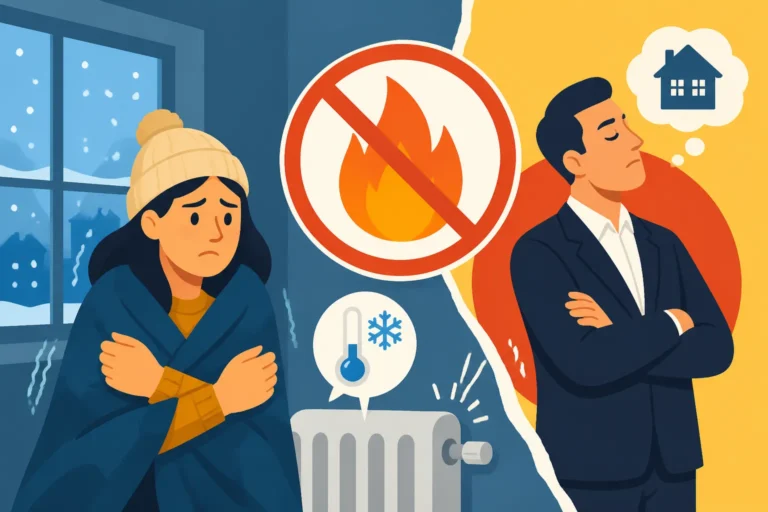
Imagine it's a surprisingly chilly December evening in San Francisco, and your heater sputters, then dies. You bundle up, but the temperature inside your apartment steadily drops into the 40s. This isn't just uncomfortable; it's a clear violation of your landlord's responsibility under the implied warranty of habitability. The law doesn't necessarily dictate a minimum indoor temperature, but it does require that the heating facilities are capable of providing adequate heat and are maintained in good working order. If your heater isn't doing its job, your landlord has a problem they need to fix.
What Qualifies as a Heating Problem?
So, what exactly counts as a "heating problem" under the law? It's more nuanced than you might think. Obviously, a complete breakdown where no heat comes out at all is a clear-cut issue. But what if the heating system only works sporadically, or if it heats some rooms but leaves others freezing?
In California, a heating problem isn't limited to a total outage. If your heating system is installed but isn't sufficient to maintain a reasonable temperature throughout your unit, or if it constantly breaks down, it can still be considered a violation of habitability. For instance, if you live in an apartment in Sacramento, and your ancient wall heater only manages to warm the immediate vicinity while the rest of your home remains frigid, that’s a problem. Or, if the heater cycles on and off constantly, leading to sky-high utility bills without actually providing consistent warmth, that also falls under the umbrella of a "heating problem" that the landlord is responsible for addressing. The key is "good working order" and the ability to provide "adequate" heat. Your landlord isn't responsible if you've tampered with the system or if the issue is due to your negligence, but generally, the burden is on them to provide and maintain a functional heating system.
Immediate Steps When Your Heat Fails in California
The moment you realize your heat is out, it can feel overwhelming. You're cold, possibly frustrated, and unsure what to do first. But taking the right steps immediately can make all the difference in getting the issue resolved quickly and protecting your rights.
Notifying Your Landlord Formally
The absolute first thing you must do is notify your landlord, and you need to do it in writing. While a quick phone call might seem like the fastest option, it leaves no paper trail, which can be a huge problem if disputes arise later. You need a clear record that you informed them of the problem, when, and how.
Your written notice should include:
- Date and Time: When you noticed the problem.
- Nature of the Problem: Clearly state that the heating system is not working. Be specific – is it completely dead, or just not reaching adequate temperatures?
- Impact: Explain how this affects your ability to live comfortably and safely in the unit.
- Request for Repair: Ask for immediate repair.
- Your Contact Information: So they can reach you.
Email is usually acceptable, as it creates a digital timestamp. Even better, send a certified letter with a return receipt requested. This provides irrefutable proof that your landlord received the notice. Make sure to keep copies of all your communications, including any replies. Some landlords use online portals or apps for maintenance requests; these are great for documentation as long as you can download or screenshot your requests. Platforms like TurboTenant often provide good record-keeping features for maintenance requests, which can be invaluable for tenants and landlords alike.
Documenting the Issue and Temporary Measures
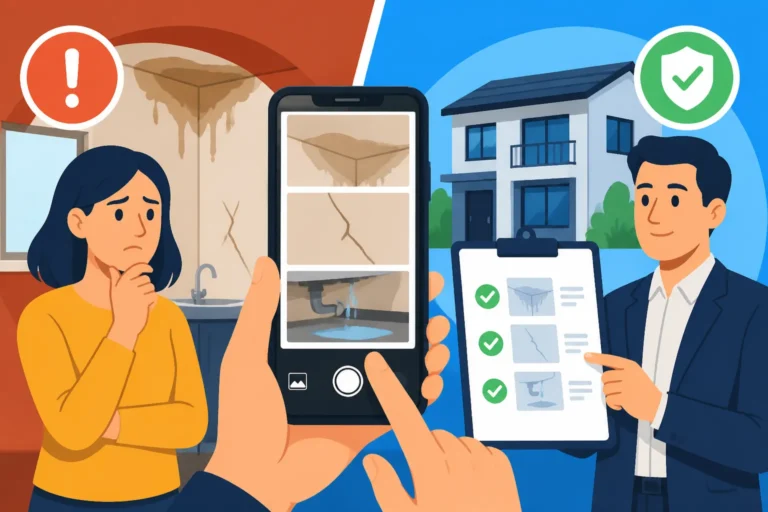
While you wait for your landlord to respond, gather as much evidence as you can. This documentation will be crucial if you need to take further action.
- Photos and Videos: Take pictures or videos showing the thermostat reading a low temperature, or if possible, the non-functioning heating unit itself.
- Temperature Readings: Use a thermometer to record the indoor temperature at different times of the day, noting the date and time for each reading. This helps establish the severity and duration of the problem.
- Communication Log: Keep a detailed log of all your interactions with your landlord or property manager – who you spoke to, what was discussed, and when.
- Receipts: If you have to buy space heaters or extra blankets to stay warm, keep those receipts. If the situation becomes unbearable and you need to stay in a hotel, keep those receipts too.
For temporary measures, you might use space heaters or extra layers of clothing. If you use space heaters, please prioritize safety. Keep them away from flammable materials, don't overload circuits, and never leave them unattended. Remember, these are just temporary fixes, and they don't absolve your landlord of their responsibility to make permanent repairs. Documenting these temporary measures, and their costs, is part of building your case. This diligent record-keeping, as detailed in guides like How to Document Repair Problems, can be the cornerstone of a successful resolution.
Your Legal Options If Repairs Aren't Made Promptly
It's frustrating when you've done everything right – notified your landlord, documented the issue – and still, nothing happens. Fortunately, California law provides tenants with specific avenues to pursue when landlords fail to make necessary repairs, especially for essential services like heat.
"Reasonable Time" for Repairs in California
In California, once you notify your landlord of a habitability issue, they have a "reasonable time" to make the necessary repairs. What constitutes "reasonable time" can vary, but for essential services like heat, especially during cold weather, this timeframe is significantly shorter than for minor issues. While some non-emergency repairs might allow for up to 30 days, a lack of heat is often considered an emergency or at least a critical issue.
Many legal interpretations and housing advocates suggest a "reasonable time" for a broken heating system could be anywhere from 24 to 72 hours, depending on the severity of the outdoor temperatures and the health vulnerability of the occupants (e.g., elderly, children, or those with medical conditions). If it's 20 degrees outside in a mountain town like Truckee, a few hours might be the limit. If it's a mild 50 degrees in San Diego, the timeframe might stretch slightly, but it's still an urgent matter. Understanding these timelines is crucial; for more in-depth information, you can refer to resources like How Long Does a Landlord Have to Make Repairs? (By State) or specifically, How Long Does a Landlord Have to Fix Heat in California?. If your landlord blows past this reasonable timeframe without making a good faith effort to resolve the issue, you gain more legal recourse.
Repair and Deduct or Withholding Rent
When your landlord fails to act within a reasonable time, California law offers tenants two powerful, but risky, remedies: "repair and deduct" or "withholding rent."
The repair and deduct remedy allows you to arrange for the repair yourself and then deduct the cost from your next rent payment. However, there are strict conditions you must meet:
- Written Notice: You must have given your landlord proper written notice of the defect.
- Landlord Inaction: The landlord must have failed to make the repairs within a "reasonable time."
- Cost Limit: The cost of the repair cannot exceed one month's rent.
- Frequency: You can only use this remedy twice in any 12-month period.
For example, if your landlord in Fresno ignores your written notice about the broken heater for several days during a cold spell, you might call a licensed HVAC technician, pay for the repair, and then subtract that cost from your next month's rent. You must provide your landlord with a copy of the repair bill along with the reduced rent payment. It's highly recommended to consult a legal aid organization or tenant rights group before attempting this, as mistakes can put you at risk of eviction. More detailed guidance can be found in our article on Repair and Deduct by State.
Withholding rent, on the other hand, involves not paying some or all of your rent until the landlord makes the necessary repairs. This is an even higher-risk strategy and should only be considered in cases of severe habitability violations that make the unit truly uninhabitable. If you choose this path, it's generally advisable to place the withheld rent into an escrow account. This demonstrates to a court that you have the money and are willing to pay once the repairs are complete, rather than simply trying to avoid paying rent. It prevents your landlord from claiming non-payment of rent as grounds for eviction. You can learn more about this complex process in our guide on Withholding Rent & Rent Escrow and Can I Withhold Rent if My Landlord Won't Make Repairs?. Again, legal advice is strongly recommended before withholding rent.
Pursuing Legal Action or Lease Termination
If the repair and deduct or rent withholding options feel too risky, or if the situation is so dire that those remedies aren't sufficient, you might need to pursue more formal legal action or consider breaking your lease.
-
Small Claims Court: You can sue your landlord in small claims court for damages you incurred due to the lack of heat. This could include the cost of space heaters, temporary hotel stays, medical bills if the cold exacerbated a health condition, or even compensation for the diminished value of your tenancy. This is a common path for tenants in situations where the landlord refuses to return a deposit or address critical issues, as explored in Suing a Landlord for Your Deposit (Small Claims & Penalties).
-
Constructive Eviction: In extreme cases, if your landlord's failure to provide heat makes your apartment truly uninhabitable, you might argue for "constructive eviction." This means the conditions were so bad that you were essentially forced to move out. If successful, you could terminate your lease without penalty and potentially sue for damages. However, this is a very high-risk legal argument and requires you to actually move out of the property, which can be daunting. It is essential to have robust documentation and legal advice before pursuing this. For detailed context, consider reviewing Breaking a Lease for Uninhabitable Conditions and What Is Considered Uninhabitable?.
-
Reporting to Code Enforcement: You can also report your landlord to your local city or county housing authority or code enforcement division. They can investigate the issue and often order the landlord to make repairs, imposing fines if they don't comply. This is an effective way to get official pressure on a non-responsive landlord. Our guide on How to Report a Landlord (Code Violations & Retaliation) provides steps for this.
The goal is always to get the heat restored and ensure your living conditions are safe and comfortable. Often, a strong, well-documented request, as outlined in How to Request Repairs in Writing, can go a long way in motivating a landlord. If not, knowing your rights and the steps to How to Get a Landlord to Make Repairs is essential.
Preventing Future Heating Issues and Protecting Yourself
While dealing with a heating outage is stressful, there are proactive steps you can take to minimize your chances of facing this issue again and better protect yourself financially if it does happen.
Proactive Steps During Tenancy
Being a proactive tenant can sometimes prevent minor issues from escalating into major problems. It also shows your landlord that you're responsible and attentive, which can help foster a better relationship.
- Regular Checks: Even if the weather is warm, periodically test your heating system, especially before the cooler months set in. A quick check in early fall can reveal a problem that can be fixed before you desperately need the heat.
- Report Minor Issues: Don't wait for a complete breakdown. If your heater is making strange noises, emitting odd smells, or not working as efficiently as it once did, report it to your landlord right away. Addressing small problems can prevent larger, more expensive repairs (and inconveniences) down the line.
- Understand Your Lease: Always read your lease agreement carefully. It should outline your and your landlord's responsibilities regarding maintenance and repairs. Knowing what's in your lease can help you articulate your rights and responsibilities more clearly.
- Renter's Insurance: Consider getting a good renter's insurance policy from providers like Lemonade. While it won't directly fix your heater, it can be a lifesaver. Many policies offer "loss of use" coverage, which can help cover the cost of temporary living arrangements (like a hotel) if your apartment becomes uninhabitable due to a covered peril (which can include a lack of essential services like heat).
Choosing a Responsible Landlord or Property Manager
The best way to avoid heating nightmares (and other maintenance headaches) is to rent from a responsible landlord or property management company in the first place. This requires a bit of detective work on your part before you sign a lease.
- Check Reviews: Look up reviews online for the landlord or property management company. Websites like Yelp, Google Reviews, and even local tenant forums can offer insights into how quickly they respond to maintenance requests and how they treat tenants.
- Ask Questions: During showings, don't be afraid to ask direct questions about maintenance procedures. How do they handle emergency repairs? What is the typical response time? Is there an online portal for requests?
- Inspect Thoroughly: Before moving in, conduct a detailed inspection of the unit, including testing the heating system. Document everything with photos and notes as part of your Move-In / Move-Out Inspection Guide. A landlord who takes pride in their property, often supported by professional services like those offered by Steadily (which helps landlords manage their properties efficiently), is more likely to be responsive to tenant needs.
- Clear Communication: A good landlord will have clear communication channels and policies. If they seem evasive or disorganized during the application process, it might be a red flag for future maintenance issues.
Taking these proactive steps can significantly reduce the likelihood of facing a no-heat crisis and empower you to deal with it effectively if it does occur.
Summary of Tenant Remedies for No Heat in California
To help you quickly grasp your options, here's a table outlining the common remedies available to tenants in California when faced with a lack of heat and a non-responsive landlord.
| Remedy | Description | Conditions | Potential Risks | Recommended Action |
|---|---|---|---|---|
| Notify Landlord | Written notice informing landlord of the heating issue and requesting repair. | Mandatory first step. Must be in writing (email, certified mail). | None, but crucial for all subsequent actions. | Essential first step. Keep copies. |
| Repair and Deduct | Tenant pays for necessary repairs and deducts the cost from the next month's rent. | Landlord failed to act within "reasonable time." Cost is less than one month's rent. Used no more than twice in 12 months. Requires written notice to landlord. | Risk of eviction if conditions aren't strictly met. Landlord may dispute the repair cost or necessity. | Seek legal advice. Document everything (receipts, notices). |
| Withholding Rent | Tenant withholds rent until repairs are made. | Only for substantial habitability violations. Landlord failed to act within "reasonable time." Requires written notice to landlord. Often involves placing rent in escrow. | High risk of eviction if not done correctly. Landlord may sue for unpaid rent. | Strongly seek legal counsel. Use escrow account. |
| Sue in Small Claims | Tenant sues landlord for damages (e.g., increased utility bills, temporary housing, emotional distress). | Landlord failed to provide habitable conditions. You incurred quantifiable damages. | Time-consuming. No guarantee of winning. Damages awarded may not cover all costs. | Document all damages and related costs. |
| Report to Code Enforcement | Report habitability violations to local housing authority or code enforcement. | Landlord is violating health and safety codes (e.g., no heat). | May lead to landlord retaliation (though illegal). May take time for the agency to act. | Keep detailed records. Follow up with the agency. |
| Constructive Eviction | Tenant moves out because the unit is uninhabitable due to landlord's failure to repair. | Unit is truly uninhabitable. Tenant must vacate. Requires extensive documentation of landlord's failure and uninhabitable conditions. | Very high risk. Landlord may sue for breach of lease. Difficult to prove in court. | Only with legal counsel. Document conditions and attempts to resolve. |
Disclaimer
Please remember, I'm just a lifestyle blogger and not a legal professional. This information is intended for general guidance and informational purposes only, and does not constitute legal advice. Landlord-tenant laws can be complex and are subject to change, varying by specific circumstances and local ordinances. Always consult with a qualified attorney or a local tenant's rights organization for advice tailored to your individual situation.