Can I Withhold Rent for Repairs?
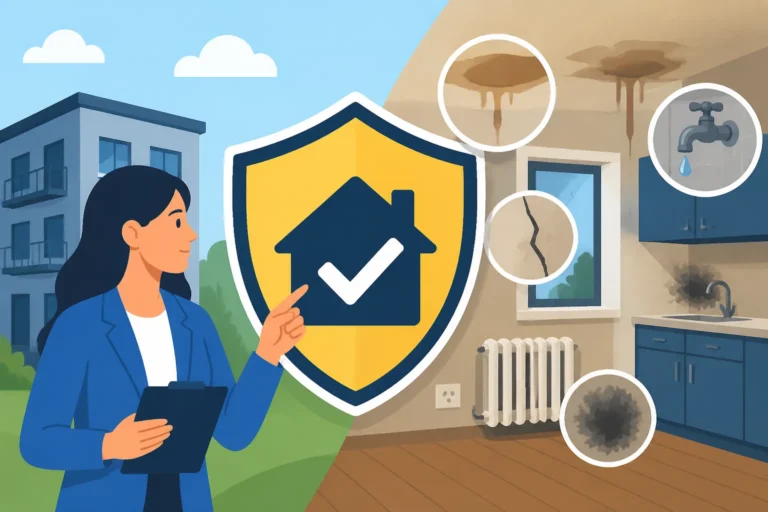
It’s a tale as old as time for renters: you’ve got a leak, a broken appliance, or worse, no heat in the dead of winter, and your landlord? They’re nowhere to be found, or they’re dragging their feet. The frustration is palpable, and the thought inevitably crosses your mind: "If they won't fix it, why should I pay rent?" It’s a completely understandable reaction, but the legal landscape around withholding rent is far more complex and risky than many tenants realize. This comprehensive guide will walk you through your rights, the legal alternatives, and the critical steps you must take before even considering holding back your rent check.
The Core Problem: Your Landlord Isn't Making Repairs
When you sign a lease, you enter into an agreement with your landlord. Part of that agreement, whether explicitly stated or legally implied, is that they will provide a safe, habitable living space. When repairs go unaddressed, it feels like a breach of that fundamental understanding, leaving you in a difficult, sometimes even dangerous, situation.
The Implied Warranty of Habitability and Your Rights
At the heart of every residential lease agreement, even if not written word-for-word, is the Implied Warranty of Habitability Explained. This legal principle asserts that your landlord guarantees that your rental unit is fit for human occupation and will remain so throughout your tenancy. This isn't just about comfort; it's about basic safety and health. Think of it as a minimum standard for living conditions.
For instance, this warranty generally requires your landlord to ensure your unit has:
- Structural soundness: Walls, roofs, and foundations must be intact and safe.
- Working utilities: This includes plumbing, heating, and electrical systems. In many places, this specifically means you must have access to hot and cold running water and adequate heat, especially during colder months. Imagine trying to live in a Chicago apartment in January without a functioning furnace – that's a clear violation.
- Pest control: Freedom from severe infestations of rats, roaches, or bed bugs that make the unit unsanitary.
- Safe common areas: Hallways, stairwells, and entryways must be maintained and free of hazards.
If your landlord fails to uphold these basic standards, they are violating this warranty, and you have rights.
Common Repair Issues Landlords Must Address
So, what exactly counts as a repair your landlord is responsible for? While the specifics can vary depending on your lease and local laws, generally, any issue that impacts the habitability or safety of your rental unit falls under their purview. This includes, but isn't limited to:
- Plumbing problems: Leaky pipes, clogged drains that prevent usage, a lack of hot water, or a non-functioning toilet are critical issues. A sudden pipe burst in your kitchen that floods the floor, for example, is unequivocally a landlord’s responsibility.
- Electrical issues: Exposed wiring, frequent circuit trips, or non-functional outlets can pose serious safety hazards. Imagine living in a home in San Jose, California, where half the outlets don't work, making it impossible to cook or keep food refrigerated.
- Heating and cooling: Most states have laws requiring adequate heating, especially in regions with cold winters. While AC isn't always a requirement, if it was provided and stops working in extreme heat, it could potentially breach the habitability standard, depending on the severity and local ordinances.
- Pest infestations: Significant infestations of rodents or insects like bed bugs can render a unit uninhabitable. This often becomes a contentious point, but if the infestation wasn't caused by the tenant's negligence, it's typically the landlord's problem.
- Structural defects: A collapsing ceiling, a severely damaged roof leading to leaks, or broken windows that compromise security are clear landlord responsibilities.
- Appliance malfunctions: If appliances like refrigerators, stoves, or washing machines (if provided by the landlord) stop working, Who Pays for Appliance Repairs? usually falls to the landlord, as they are often considered part of the basic living amenities.
It's important to know your Landlord Repair Responsibilities (What They Must Fix) and understand that minor inconveniences, like a loose doorknob or a flickering light bulb, while annoying, generally don't rise to the level of making a unit uninhabitable and thus don't typically justify withholding rent.
The Temptation to Withhold Rent: What the Law Says
When faced with a landlord who ignores your pleas for repairs, the idea of withholding rent can feel like the only leverage you have. It's an emotionally charged decision, and understandably so. However, directly withholding rent without following specific legal procedures is a very dangerous path to tread, fraught with significant risks.
Why Direct Rent Withholding is Usually a Bad Idea
Let's be brutally honest: simply refusing to pay rent because your landlord isn't fixing things is almost always a bad move. While your frustrations are valid, the law often sees rent as a separate obligation from repairs, at least initially. If you withhold rent without proper legal justification and process, you could face severe consequences, including:
- Eviction: This is the biggest and most immediate threat. If you don't pay rent, even if you have valid reasons for being upset about repairs, your landlord can initiate Eviction for Nonpayment of Rent. An eviction on your record can make it incredibly difficult to rent another property in the future, impacting your housing security for years to come. Imagine being unable to find an apartment in a competitive market like Phoenix because of an eviction stemming from unapproved rent withholding.
- Damage to your credit score: Landlords can report unpaid rent to credit bureaus, which will negatively impact your credit history. This can hinder your ability to get loans, mortgages, or even new lines of credit.
- Legal fees and court costs: If your landlord takes you to court, you could be on the hook for their legal fees as well as your own. These costs can quickly dwarf the amount of rent you withheld.
- Loss of your security deposit: Even if you eventually move out, an illegal rent withholding could give your landlord grounds to keep your Security Deposit Deductions: Full List of Allowed Charges, claiming it covers unpaid rent or damages from the dispute.
The key takeaway here is that most states do not grant tenants a blanket right to withhold rent just because a repair isn't made. There are very specific circumstances and procedures that must be followed to legally justify such an action.
Understanding "Repair and Deduct" and "Rent Escrow"
While outright withholding rent is risky, many states offer specific legal remedies that allow tenants to address critical repair issues when a landlord fails to act. These generally fall into two categories: "repair and deduct" and "rent escrow." These methods, while still carrying procedural requirements, provide a legal framework for tenants to get necessary repairs done without facing immediate eviction.
Repair and Deduct: This option allows a tenant to make necessary repairs themselves (or hire a professional) and then subtract the cost from their next month's rent. Sounds simple, right? It's not. The conditions are extremely strict. Typically, the repair must be:
- Essential to habitability: This means it's a serious issue, not a minor cosmetic fix.
- Not caused by the tenant: You can't break something and then deduct the repair cost.
- Properly notified: You must give your landlord official written notice of the defect and a How Long Does a Landlord Have to Make Repairs? (By State) reasonable amount of time to fix it.
- Reasonable in cost: There are often limits on how much you can deduct (e.g., typically one month's rent, or a certain percentage, and often only once or twice a year).
For example, if your landlord in San Diego ignores a severe plumbing leak for weeks after receiving written notice, and you hire a licensed plumber for $500 to fix it, you might be able to deduct that $500 from your next rent payment. But you'd need meticulous documentation, including receipts, photos of the damage, and copies of your communication with the landlord.
Rent Escrow: This method involves depositing your rent payments into a separate bank account or with the court (an "escrow account") rather than directly to your landlord. The purpose is to demonstrate that you have the rent money and are willing to pay, but only once the landlord fulfills their obligations. This provides protection against eviction for non-payment, as long as the escrow account is set up correctly.
Again, strict conditions apply:
- Serious repair issue: It must be a significant breach of the implied warranty of habitability.
- Proper notice: You must inform your landlord in writing about the defect and give them a chance to fix it.
- Court involvement: Often, you'll need to petition a court to allow you to place your rent in escrow. The court will then hold the rent until the repairs are made, or it might decide how the funds should be disbursed.
If you're in a city like Boston, where tenants' rights are often robust, and you have a persistent mold problem your landlord refuses to address, a court might allow you to put your rent into escrow. The rent funds are held securely, providing peace of mind that you won't be accused of non-payment.
Both Withholding Rent & Rent Escrow and repair and deduct are powerful tools, but they are not to be used lightly or without understanding the precise legal requirements in your specific jurisdiction.
State-Specific Approaches and Legal Protections
The crucial thing to remember is that landlord-tenant law is primarily state and even local law. What's legal in California might be an eviction-worthy offense in Texas. There is no one-size-fits-all rule when it comes to rent withholding or repair and deduct.
How States Handle Repair and Deduct
Many states recognize some form of the "repair and deduct" remedy, but they vary wildly in their specifics. Here’s a quick glance at how a few states approach it:
| State | Repair and Deduct Laws | Rent Escrow Laws | Risks of Illegal Withholding |
|---|---|---|---|
| California | Allows "repair and deduct" for issues significantly affecting habitability. Tenant must give landlord reasonable notice (usually 30 days, but shorter for emergencies). The cost of repair cannot exceed one month's rent and can generally only be used twice in any 12-month period. | No statutory provision for "rent escrow" specifically; courts may allow it under specific circumstances as an equitable remedy, but it's not a direct right. | High risk of eviction. Landlord can pursue eviction for non-payment. Tenant would need to prove proper notice and compliance with strict repair and deduct rules as a defense. |
| Texas | Limited "repair and deduct" rights for certain conditions affecting health and safety. Landlord must fail to repair after written notice and reasonable time. The tenant can only deduct the cost of the specific repair (not general damages), and the total cost cannot exceed one month's rent or $500, whichever is greater. | No statutory provision for rent escrow. | High risk of eviction. Texas law is generally more landlord-friendly regarding rent withholding. Tenants must be extremely careful to follow specific procedures for any deductions. |
| New York | While not a codified "repair and deduct" statute, courts have recognized the common law "warranty of habitability," allowing tenants to deduct reasonable repair costs or withhold rent in escrow if the landlord breaches this warranty. Strict notice and proof of essential repairs are required. Often involves a court order for rent escrow. | Courts often allow tenants to place rent in escrow in a non-interest-bearing account if a landlord breaches the warranty of habitability, especially in NYC. This protects the tenant from non-payment eviction while pressuring the landlord to fix the issue. | Moderate to high risk. Without a court order for escrow, direct withholding is risky and can lead to eviction. Proof of significant habitability breach is essential. |
| Arizona | Permits "repair and deduct" for breaches of the implied warranty of habitability after written notice and a reasonable cure period (typically 10 days, 5 for emergencies). The cost of repair cannot exceed half a month's rent or $300, whichever is greater, and can be used only once per 12-month period. | No statutory provision for rent escrow. | High risk of eviction. Landlords can initiate eviction for non-payment if the tenant fails to strictly adhere to the repair and deduct rules. |
| Massachusetts | Provides for "repair and deduct" for health-affecting conditions after proper notice and time to cure. The amount deductible cannot exceed one month's rent in any 12-month period. Also allows for rent withholding if landlord fails to meet habitability standards, but often requires a court process or specific notification to avoid eviction. | Strong rent withholding and escrow laws. Tenants can withhold rent for serious habitability violations if the landlord fails to repair after reasonable notice. Funds are often placed in an escrow account, and tenants may seek court intervention to determine rent abatement. | Moderate risk. While tenant-friendly, improper withholding or failure to follow procedures (like establishing proper escrow or notice) can still lead to legal challenges or eviction. |
This table clearly illustrates that there's no universal approach. Repair and Deduct by State varies significantly, and what constitutes a "reasonable" repair cost or time frame is highly subjective and depends on specific state statutes and court interpretations.
Rent Escrow: A Judicial Avenue for Relief
In states without explicit repair and deduct statutes, or for issues that are too complex or costly for a simple repair and deduct, going through a court-ordered Withholding Rent & Rent Escrow process might be the safest legal route. States like New York often see tenants utilizing this method, especially in places like New York City, where the sheer volume of renters and older buildings can lead to frequent repair disputes.
The court acts as an impartial third party, ensuring the rent money is held securely while the landlord is given a chance to rectify the situation. This shields the tenant from allegations of non-payment and can put significant legal pressure on the landlord. However, initiating such a process requires understanding court procedures, which can be daunting for someone without legal experience.
Other Avenues: Reporting and Legal Aid
Sometimes, the best approach isn't directly impacting your rent at all, but rather leveraging external pressure.
-
Reporting Code Violations: Local housing authorities or code enforcement offices exist to ensure rental properties meet minimum safety and health standards. If your landlord is ignoring serious issues, contacting these agencies can result in an official inspection and an order for the landlord to make repairs. Failure to comply can lead to fines for the landlord. This strategy is often very effective for issues like severe plumbing leaks, mold, or lack of heat. Learning How to Report a Landlord (Code Violations & Retaliation) can provide significant leverage without risking your tenancy.
-
Seeking Legal Aid: Organizations dedicated to tenant rights, such as Legal Aid societies or local housing counseling agencies, can provide invaluable advice. They can help you understand your state's specific laws, draft formal notices, or even represent you in court if necessary. Don't underestimate the power of a letter from a legal professional. Before you get to the stage of potentially suing your landlord, they can help you understand if your situation qualifies as truly What Is Considered Uninhabitable?.
Remember, a landlord's insurance policy, like those offered by Steadily, is there to protect their property from major damage. If a landlord is neglecting repairs, it could be seen as failing to mitigate damages, which might even impact their future insurance claims. This is another incentive for them to take action.
Practical Steps to Take Before Any Action
Before you even think about withholding a single penny of rent, there are absolutely critical steps you must follow. These actions not only strengthen your legal position but also provide a clear, documented path toward resolution.
Documenting Everything: Your Best Defense
In any landlord-tenant dispute, the party with the most thorough documentation usually has the upper hand. This isn't just a suggestion; it's non-negotiable. Think of yourself as building a case file.
- Photos and videos: Take clear, dated pictures and videos of the disrepair. Show the date and time, if possible, using a newspaper or a timestamp app. Capture the extent of the damage, from a leaky faucet to significant mold growth. Take "before" and "after" shots once any repairs are made.
- Written communication: Every interaction with your landlord about the repairs should be in writing. This means emails, text messages, certified mail letters, or messages through a tenant portal. If you have a phone conversation, follow up with an email summarizing what was discussed. Keep copies of everything. A service that helps landlords manage communications, like TurboTenant, often provides a digital trail, which can be helpful if you're communicating through such a platform.
- Maintenance requests: Keep copies of all formal maintenance requests you submit, noting the date and method of submission.
- Witnesses: If possible, have someone else (a friend, family member, or neighbor) witness the condition of your unit, especially for severe issues. Their testimony could be helpful later.
- Repair estimates/receipts: If you go the "repair and deduct" route, you need legitimate estimates from licensed professionals and detailed receipts for all work done and materials purchased.
The importance of a robust paper trail cannot be overstated. Without it, your word against your landlord's becomes a much harder battle.
Communicating Effectively and Formally
Casual conversations or frustrated voicemails rarely get results and won't hold up in court. You need to communicate your repair requests clearly, formally, and consistently.
- Formal written notice: Always start with a How to Request Repairs in Writing. This letter should detail the specific issues, state that they affect the habitability or safety of your unit, refer to your lease agreement and implied warranty of habitability, and request that the repairs be made within a reasonable timeframe (e.g., 7-14 days for non-emergencies, 24-72 hours for emergencies like no heat or hot water). Send this via certified mail with a return receipt requested, so you have proof it was received.
- Follow-up: If the deadline passes with no action, send a follow-up letter referencing your previous communication. Reiterate the issues and the lack of response.
- State your intentions (if applicable): If your state allows for repair and deduct or rent escrow, your formal notice should also clearly state your intention to pursue these remedies if the landlord fails to act. This serves as a final warning and legally required step.
Seeking Expert Advice
This is perhaps the most crucial step of all. Before you make any decision to withhold rent or initiate a repair and deduct, consult a legal professional or tenant rights organization. They can provide guidance specific to your state and local ordinances.
- Tenant rights organizations: Many cities and states have non-profit groups dedicated to advocating for tenants. They can offer free or low-cost advice, help you draft letters, and explain the intricacies of local laws.
- Attorneys: For complex or high-stakes situations, a landlord-tenant attorney is your best resource. They can assess your situation, explain your legal options, and represent you if necessary. This might seem like an added expense, but it could save you from an eviction or much larger legal fees down the line.
They can help you understand Tenant Rights If Landlord Won't Return Deposit if you fear retaliation, or guide you through the process of How to Fight an Eviction (Tenant Guide) if it comes to that. While it's tempting to act out of frustration, an ounce of prevention (and legal advice) is worth a pound of cure.
Finally, while your landlord is responsible for structural and system repairs, remember that their insurance won't cover your personal belongings if, say, a neglected leak eventually ruins your electronics or furniture. This is where renter's insurance, from providers like Lemonade, becomes incredibly important. It's your safety net for your personal property, regardless of who is at fault for the damage to the unit itself. It's a small monthly cost that can protect you from significant financial loss.
Disclaimer
Please remember that this article provides general information and is not a substitute for legal advice. Landlord-tenant laws are complex and vary significantly by jurisdiction. Always consult with a qualified legal professional or a local tenant rights organization for advice tailored to your specific situation.