Who Is Responsible for Bed Bugs in a Rental?
Oh, the sheer horror of discovering bed bugs in your rental. It’s not just an inconvenience; it’s a deeply unsettling, itchy, and often expensive nightmare. The first thought is often, "Whose fault is this?" and then quickly, "Who is going to pay to make it stop?!" This guide is here to untangle the often-confusing web of responsibility for bed bug infestations in rental properties, giving you the clear answers and actionable steps you need to tackle this creepy-crawly crisis.
The Initial Dread: Understanding Bed Bug Responsibility in Rentals
Let's be real, finding bed bugs is enough to send anyone into a panic. These tiny nocturnal vampires don't discriminate, and their presence can make your home feel contaminated. The burning question on everyone's mind is always: "Who is responsible for bed bugs?" The truth is, it's rarely a straightforward answer and can lead to serious friction between tenants and landlords. There’s no universal “landlord always pays” or “tenant always pays” rule; it truly depends on a mix of factors, including when the infestation started, how it was discovered, and what your lease agreement or local laws stipulate.
Generally speaking, landlord-tenant law aims to keep rental units "habitable." This concept, often called the Implied Warranty of Habitability Explained, means a landlord must provide a safe, clean, and livable space. An infestation of pests like bed bugs can definitely make a unit uninhabitable. However, that doesn't automatically mean the landlord is solely responsible for every pest issue. If you, as the tenant, are found to be negligent or brought the bed bugs into an otherwise clean unit, the responsibility might shift. Conversely, if the infestation was pre-existing or spread from another unit due to the landlord's failure to maintain common areas, the landlord is often on the hook. It's a tricky balance, often leaning on who can prove what.
Many states, like New Jersey and New York, have specific statutes or case law addressing bed bugs, often placing the initial burden of proof on the landlord to show the tenant caused the infestation, especially if it appears soon after move-in. Landlords frequently rely on pest control professionals to determine the source, but even that can be challenging given how easily bed bugs can travel.
Deciphering the Lease Agreement and Local Laws
When it comes to any rental dispute, your lease agreement is the first place you should look. This document is a legally binding contract, and it might have specific clauses about pest control. However, it's crucial to understand that even if your lease says "tenant is responsible for all pest control," it might not hold up in court if it contradicts state or local tenant protection laws, especially regarding the implied warranty of habitability.
What Your Lease Might Say
Some leases, particularly those from larger property management companies, will include detailed clauses about pest control, including bed bugs. These clauses might:
- Specify tenant responsibility: Some leases try to push all pest control costs onto the tenant. Be wary of these, as they may not be enforceable depending on local laws.
- Require immediate notification: Most leases will require you to report any pest issues, including bed bugs, immediately. Failing to do so can sometimes shift responsibility to the tenant if the infestation worsens due to delayed reporting.
- Outline inspection and treatment procedures: The lease might detail how and when inspections will occur and what cooperation is expected from the tenant during treatment.
It’s always a good idea to thoroughly review What to Include in a Lease Agreement from both tenant and landlord perspectives to understand these nuances.
State and Local Bed Bug Laws
Beyond your lease, many states and even specific cities have explicit laws regarding bed bugs. These laws often try to clarify responsibility, especially for multi-unit dwellings where infestations can easily spread.
For example, in New York City, landlords are generally responsible for investigating and eradicating bed bugs. They must provide tenants with a notice about bed bug infestations in the building. Failure to address an infestation can result in violations from the Department of Housing Preservation and Development. Similarly, California law (specifically Civil Code §1954.602) prohibits landlords from renting units they know to have bed bugs and mandates certain disclosure requirements. If bed bugs are found within the first 30 days of a tenancy, many jurisdictions lean towards the landlord being responsible, assuming the infestation was pre-existing. This 30-day window can be a critical factor in determining fault.
However, states like Arizona place a greater burden on the tenant to notify the landlord, and then the landlord must promptly address it. If a tenant fails to notify, they can be held responsible. It’s a patchwork of laws across the country, making it essential to know the specifics for your area. For instance, a landlord's Landlord Repair Responsibilities What They Must Fix typically include pest control, but the specifics for bed bugs can vary.
Here's a general snapshot of how bed bug responsibility might play out in different scenarios:
Scenario Common Responsibility Outcome Origin of the bed bug problem can sometimes be tricky to determine, but there are some common indicators. If a tenant moves into a unit and discovers bed bugs within the first few weeks, it's highly likely that the infestation was already present. This would fall under the landlord's responsibility to provide a habitable living space from the outset. Early signs of infestation could be small bites, blood spots on sheets, or visible bugs, which are often the size of an apple seed. Documenting the condition of the apartment at move-in is crucial. Using a thorough Move-In / Move-Out Inspection Guide can save a lot of headaches later. If you spot any signs of pests during your initial walkthrough, make sure to note them down and get your landlord to sign off on them. This creates an objective record and protects you down the line.
On the other hand, if a tenant introduces bed bugs into the unit, for example, by bringing in infested furniture or luggage after a trip, the responsibility for treatment and costs typically falls on them. This is often harder for a landlord to prove, especially without a clear timeline or external evidence. Landlords often rely on the tenant's cooperation in reporting the issue promptly. If a tenant travels frequently or purchases second-hand items, they should be extra vigilant. Many people don't realize that even a quick stay in a hotel can lead to bringing these pests home. It’s not about cleanliness, as bed bugs are equal opportunity infesters.
Steps to Take When You Discover Bed Bugs
Finding bed bugs isn't just gross; it's a huge stressor. The key is to act quickly and systematically. Panic won't solve anything, but a clear plan can make all the difference.
Document Everything
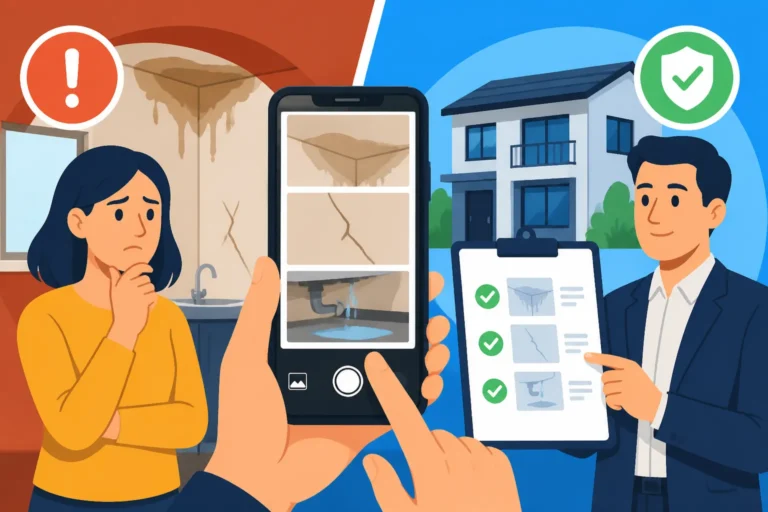
The first thing you should do, even before you contact your landlord, is to thoroughly document the infestation. This means:
- Photos and Videos: Take clear pictures or videos of the bed bugs themselves (dead or alive), their droppings (small, dark spots), blood smears on bedding, and any bites on your skin. These visuals are powerful evidence.
- Dates and Times: Note the exact date and time you first noticed the signs, when you took photos, and any other relevant observations.
- Witnesses: If a friend or family member also saw the bugs or experienced bites while visiting, their testimony could be useful.
This documentation is vital whether you're a tenant trying to prove a pre-existing condition or a landlord trying to determine if a tenant introduced them. It creates an undeniable record of the issue.
Immediate Notification to Your Landlord in Writing
As soon as you have your documentation, you must inform your landlord. This isn't a casual phone call; it needs to be a formal, written notice. Sending an email with your photos attached, or a certified letter, ensures there’s a paper trail. Clearly state that you suspect or have confirmed a bed bug infestation and request immediate action. Mentioning the date you first noticed them is also helpful.
Remember, a landlord generally has a legal duty to make repairs in a reasonable amount of time. What constitutes a "reasonable amount of time" can vary by state, but for something as disruptive as bed bugs, prompt action is expected. You can refer to resources like How Long Does a Landlord Have to Make Repairs By State to understand typical timelines. If your landlord is unresponsive, consider sending a follow-up letter or consulting with a local tenant's rights organization.
Cooperating with Treatment Protocols
Once notified, your landlord should arrange for a professional pest control service. This is where cooperation becomes absolutely critical. Tenants often have specific tasks they need to complete before and during treatment, such as:
- Decluttering: Removing unnecessary items to make treatment areas accessible.
- Laundering: Washing and drying all bedding, clothing, curtains, and stuffed animals on high heat.
- Vacuuming: Thoroughly vacuuming carpets and upholstered furniture.
- Moving Furniture: Pulling furniture away from walls.
Failing to follow these instructions can render the treatment ineffective, leading to repeat infestations, and could shift financial responsibility back to you. Pest control companies like Orkin or Terminix often have detailed preparation checklists that your landlord should provide. This preparation is a huge part of the solution, as bed bugs are notoriously difficult to eliminate. Landlords, in turn, should ensure they are using reputable, licensed pest control professionals experienced in bed bug eradication.
Tenant's Options If the Landlord Refuses to Act
What happens if you've done everything right—documented, notified, offered to cooperate—but your landlord drags their feet or outright refuses to address the bed bugs? This is when things can get incredibly frustrating, and you might feel trapped in an infested home. Thankfully, you have options:
- Send a Demand Letter: A formal Security Deposit Demand Letter How-To + Template (you can adapt the principles) or a specific demand letter for repairs can reiterate your request and outline your intent to pursue further action if the problem isn't resolved.
- Contact Local Housing Authorities: Your city or county likely has a housing department or health department that enforces housing codes. They can inspect your unit and, if violations are found, order your landlord to take action. They can be a powerful ally, especially if the problem is widespread in an apartment complex.
- Repair and Deduct: In some states, after proper notice and sufficient time, you may have the right to arrange for professional pest control yourself and deduct the cost from your rent. However, this is a risky option and heavily regulated. Always consult with a legal professional before attempting "repair and deduct" to avoid jeopardizing your tenancy. It's often reserved for situations where the property is truly What Is Considered Uninhabitable?.
- Withholding Rent: Similar to repair and deduct, withholding rent is a severe action and typically only legal under very specific circumstances where the landlord has failed to maintain habitability after repeated requests. You might need to place the rent money into an escrow account. This is a complex legal maneuver and should absolutely not be attempted without legal counsel.
- Breaking the Lease: In extreme cases, if the infestation makes your unit uninhabitable and the landlord refuses to act, you may have grounds to break your lease without penalty. This usually falls under the umbrella of Breaking a Lease for Uninhabitable Conditions. Again, seek legal advice before taking this step.
- Sue in Small Claims Court: If all else fails and you've incurred significant damages (medical bills from bites, costs of destroyed furniture, temporary lodging), you might consider suing your landlord. This is often where documentation is most critical.
Remember, these steps require careful consideration and understanding of your local laws. It's not uncommon for landlords to be insured through providers like Steadily, but bed bug coverage is often excluded from standard policies, so simply having landlord insurance doesn't guarantee a smooth fix. Tenants, too, should check if their renter's insurance, perhaps from a provider like Lemonade, offers any coverage for personal property damaged during an infestation, though direct pest control costs are typically not covered.
Prevention and Proactive Measures
While dealing with an active infestation is a nightmare, understanding prevention can save you a lot of future grief. Both tenants and landlords have roles to play in keeping these pests at bay.
Tips for Tenants to Avoid Bringing Bed Bugs Home
Being vigilant is your best defense against bed bugs. Here are some proactive steps you can take:
- Inspect Second-Hand Items: Before bringing any used furniture (especially mattresses, box springs, and upholstered items) into your home, inspect it thoroughly for signs of bed bugs. These include tiny dark spots, shed skins, or the bugs themselves.
- Travel Smart: When staying in hotels or vacation rentals, check the mattress seams, headboards, and upholstered furniture. Keep your luggage off the floor and away from the bed. Upon returning home, unpack directly into the washing machine with hot water and then into a hot dryer, if possible.
- Be Aware of Guests: While you can’t control your guests, understanding that they might inadvertently bring pests can make you more aware.
- Use Mattress Encasements: Specially designed, zippered mattress and box spring encasements can trap any existing bed bugs and prevent new ones from colonizing your bedding.
- Report Early Signs: Don't delay! The moment you suspect bed bugs, even if you’re not 100% sure, follow through with How to Request Repairs in Writing to your landlord. Early detection is key to easier, less costly eradication.
Landlord's Role in Ongoing Maintenance and Inspections
Landlords also have a significant role in preventing and managing bed bug issues to maintain a safe and habitable environment for all their tenants.
- Pre-Tenancy Inspections: Before a new tenant moves in, especially if the previous tenant had any pest issues, a thorough inspection and proactive treatment if needed, is crucial. Integrating pest checks into your Move-In / Move-Out Inspection Guide helps prevent passing on problems.
- Regular Common Area Maintenance: In multi-unit buildings, bed bugs can travel between units through walls, pipes, and shared ventilation systems. Regular inspections and treatments of common areas can help prevent widespread infestations.
- Educating Tenants: Providing new tenants with information on bed bug prevention and what to do if they suspect an infestation can be incredibly helpful. Clear communication about expectations sets everyone up for success.
- Prompt Response to Reports: A landlord who acts quickly when a tenant reports bed bugs is not only doing their legal duty but also preventing a small problem from becoming a massive, expensive one affecting multiple units. Landlords might use property management software like TurboTenant to streamline communication and repair requests, ensuring prompt responses to tenant notifications.
- Professional Pest Control Partnerships: Having a reliable, experienced pest control company on call is invaluable. Bed bug treatment is not a DIY job; it requires expertise and often multiple visits.
By working together, both tenants and landlords can significantly reduce the risk and impact of bed bug infestations, making rental living a much more pleasant experience for everyone.
Disclaimer
Please remember that this guide provides general information and is not a substitute for legal advice. Landlord-tenant laws, especially concerning bed bugs, can vary significantly by state and local municipality. Always consult with a qualified attorney or local housing authority for advice specific to your situation.