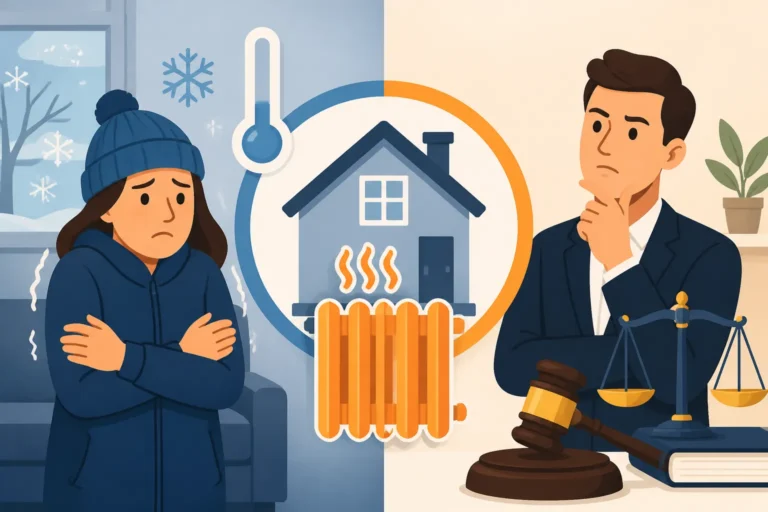
Repair and Deduct Laws in Virginia
It's incredibly frustrating when something breaks in your rental home, and your landlord drags their feet or outright refuses to fix it. You're paying good money for a safe and habitable place to live, and when basic necessities like heat, plumbing, or a safe roof over your head are compromised, it can feel like you're powerless. This comprehensive guide is here to walk you through Virginia's specific "repair and deduct" laws, explaining when and how you might be able to take matters into your own hands to get critical repairs done and then subtract the cost from your rent.
Understanding Virginia's Repair and Deduct Law
Virginia, like many other states, provides tenants with certain rights when their landlord fails to maintain a habitable living environment. However, the "repair and deduct" remedy is a very specific and often misunderstood tool, and it comes with strict conditions that tenants absolutely must follow to avoid legal trouble, including potential eviction. It’s not something to jump into lightly.
The Legal Basis: Implied Warranty of Habitability
At the core of a tenant's right to a livable space is the "implied warranty of habitability." This isn't usually something explicitly written into your lease; rather, it's a fundamental understanding that your rental property will be safe, healthy, and fit for human occupation. In Virginia, this means a landlord is generally responsible for ensuring that the premises comply with all applicable building and housing codes, making all necessary repairs to keep the premises in a fit and habitable condition, maintaining all common areas, and keeping all facilities and appliances supplied or required to be supplied by the landlord in good working order.
This implied warranty covers essential living conditions, not cosmetic issues. We're talking about things like functioning plumbing, heating, hot water, electricity, a structurally sound roof, and pest control if the infestation wasn't tenant-caused. If your landlord fails on these fundamental responsibilities, they are breaching this warranty. This legal concept is the foundation for a tenant's ability to request repairs and, if necessary, pursue remedies like repair and deduct. You can learn more about what this means for you by reading our detailed guide on the Implied Warranty of Habitability Explained.
Strict Conditions for Repair and Deduct
Virginia law is quite specific about when a tenant can utilize the repair and deduct remedy. It's not a free pass to fix anything you want and subtract the bill from your next rent payment. This remedy is only available if the landlord fails to repair a condition that constitutes a material noncompliance with the rental agreement or with a provision of law, and that condition affects health or safety. This means minor annoyances like a leaky faucet that drips occasionally or a chipped paint job won't qualify. We're talking about significant issues that genuinely make your living space unsafe or unhealthy.
Furthermore, Virginia law places a cap on how much a tenant can deduct. A tenant may not repair and deduct more than $1,500 or one month's rent, whichever is greater, and they can only use this remedy once every 12-month period. This limitation is critical because it's designed for relatively minor but urgent health and safety issues, not for major structural overhauls. For larger, more complex problems, other legal avenues might be more appropriate. For example, if your entire heating system goes out in winter, and a repair costs thousands, repair and deduct might not be the most effective or appropriate solution given the financial cap.
Step-by-Step Guide to Exercising Repair and Deduct in Virginia
Successfully using the repair and deduct remedy in Virginia requires meticulous adherence to legal procedures. Skipping any step could invalidate your claim and leave you liable for the full rent, potentially even facing an eviction notice. This isn't a quick fix, but a deliberate process that prioritizes communication and documentation.
Documenting the Problem Thoroughly
Before you even think about notifying your landlord, your absolute first step is to gather irrefutable evidence of the problem. This means taking clear, timestamped photos and videos. If the heat is out, show the thermostat reading. If there's a leak, capture the water damage and the source. If it's a pest infestation, document the pests and their presence. Keep a detailed log of dates and times the issue started and how it impacts your daily life.
Consider taking notes on specific damage, smells, or health concerns arising from the issue. For instance, if mold is growing, describe its location, size, and any associated odors. If a window is broken, note how it compromises security or insulation. This comprehensive documentation acts as your safeguard, proving the existence and severity of the problem should your landlord dispute it later. You can find more tips on How to Document Repair Problems to strengthen your case.
Providing Proper Written Notice to Your Landlord
This is arguably the most crucial step. Virginia law requires you to provide your landlord with written notice of the condition. This notice must be specific, detailing the exact nature of the problem and the repairs needed. You must state that you intend to fix the problem yourself and deduct the cost from the rent if the landlord doesn't address it within a "reasonable time." What constitutes "reasonable time" can vary, but generally, it's considered to be no more than 14 days after receiving the notice for non-emergency issues. For urgent matters affecting health and safety, such as a lack of heat in winter or a severe plumbing leak, a shorter timeframe may be considered reasonable, sometimes as little as 24-72 hours.
It is imperative to send this notice via certified mail with a return receipt requested. This provides a legal record that your landlord received the notice and when. An email or phone call, while good for initial contact, is typically not sufficient legal notice for this remedy. Keep a copy of the notice for your records. This formal notice clearly communicates your intent and initiates the legal timeframe for your landlord to respond. Knowing How to Request Repairs in Writing can save you a lot of headaches later on.
Waiting for the Landlord to Act or Not
Once your landlord receives your written notice, they have a "reasonable time" to address the repair. As mentioned, this is often considered 14 days for non-emergencies. During this period, you must wait. Do not begin repairs, do not hire contractors, and do not withhold rent. This waiting period is a legal courtesy and a requirement. If your landlord acts within this time and makes the necessary repairs, then the matter is resolved, and you cannot pursue the repair and deduct remedy.
However, if the landlord fails to make the repair within the reasonable timeframe specified in your notice, or if they outright refuse, then you may proceed to the next step. It's important to document any communication (or lack thereof) during this waiting period. If they respond, keep copies. If they promise repairs but don't follow through, note that down. This period can sometimes be frustrating, but patience and strict adherence to the process are your best friends here. For specific state timelines, you might find our guide on How Long Does a Landlord Have to Make Repairs? By State helpful.
Obtaining Professional Estimates and Performing Repairs
If your landlord has failed to act, you can then proceed to get the repair done. You must obtain an itemized statement from a qualified professional for the work. This isn't the time for a DIY project unless you are a licensed professional yourself, and even then, it's generally recommended to hire an independent contractor to maintain objectivity. The law specifies that the repairs must be performed in a "workmanlike manner," meaning they should be done correctly and competently.
Crucially, the cost of the repair must be "reasonable." You can't hire the most expensive contractor in town for a simple fix if a more affordable, equally competent option exists. Get at least two or three estimates if possible, and choose the most reasonable one. The repair should only address the specific issue you notified your landlord about, and it must be a condition that affects health and safety, not an aesthetic preference. Remember the cap: you cannot repair and deduct more than $1,500 or one month's rent, whichever is greater, and only once in a 12-month period.
Deducting the Cost from Rent and Notifying the Landlord
Once the repairs are completed and paid for, you can then deduct the cost from your next month's rent. You must provide your landlord with another written notice, including a copy of the itemized statement from the professional who performed the work and proof of payment (e.g., a receipt or canceled check). This notice should clearly state that you have deducted the cost of the repair from the rent payment and why, referencing your previous notices and your landlord's failure to act.
For instance, if your rent is $1,200 and you paid $800 for an emergency plumbing repair after following all the steps, you would send your landlord a check for $400 along with the repair invoices and a letter explaining the deduction. It’s vital to provide this documentation with the reduced rent payment. If you don't provide proper documentation, your landlord could argue you underpaid rent, leading to an eviction notice for nonpayment. This is a clear distinction from simply Withholding Rent for Repairs without following the specific repair and deduct procedure.
Important Limitations and Risks of Repair and Deduct in Virginia
While the repair and deduct remedy can be a powerful tool for tenants, it's not a silver bullet and comes with significant limitations and risks. Understanding these nuances is critical to avoiding unintended legal battles and potential negative repercussions.
Financial Caps and Frequency Restrictions
As we touched upon, Virginia law strictly limits how much a tenant can deduct. You cannot deduct more than $1,500 or one month's rent, whichever amount is greater. This means if your rent is $1,000, you can deduct up to $1,500. If your rent is $2,000, you can deduct up to $2,000. This cap is per instance, and you can only utilize the repair and deduct remedy once in any 12-month period.
This financial and frequency limitation is crucial. If your rental unit requires extensive, costly repairs, or if you find yourself facing multiple habitability issues within a year, the repair and deduct method might not be sufficient. For example, if you have a non-functioning furnace that costs $3,000 to replace and your rent is $1,200, you cannot deduct the entire cost. You would still be on the hook for the remaining balance or need to explore other legal remedies beyond repair and deduct. Knowing these limits upfront helps you strategize the best course of action.
Types of Repairs Covered vs. Not Covered
The repair and deduct remedy in Virginia is explicitly for issues that constitute a "material noncompliance with the rental agreement or with a provision of law, and that condition affects health or safety." This is a narrow scope. This remedy is not for:
- Cosmetic issues: A faded wall, an outdated appliance that still functions, or a small crack in a window that doesn't affect safety or weatherproofing.
- Minor inconveniences: A slightly wobbly fence post in the backyard or a sticky cabinet door.
- Damage caused by the tenant, their family, or guests: If you or your guests broke the plumbing, the responsibility for repair falls on you, not the landlord.
- Issues the tenant agreed to repair: If your lease specifically states you are responsible for certain minor repairs, and you agreed to it, then those typically wouldn't qualify unless they are so severe as to make the unit uninhabitable.
Essentially, the problem must make your rental unit unsafe, unhealthy, or legally uninhabitable. Think about what a local housing inspector would deem a code violation. For a clearer picture of what issues fall under a landlord's responsibility, check out our guide on Landlord Repair Responsibilities What They Must Fix and What Is Considered Uninhabitable?
The Risk of Retaliation and Eviction
Even when you meticulously follow every step of the repair and deduct process, there's always a risk of your landlord reacting negatively. Some landlords may view this action as a breach of the lease, even if you are legally in the right. They might attempt to evict you for nonpayment of rent (claiming your deduction was improper), refuse to renew your lease, or retaliate in other ways. While Virginia law generally prohibits retaliatory evictions, proving retaliation can be challenging and may require legal assistance.
It's paramount to understand that if a court finds you did not properly follow the repair and deduct procedures, or if the repairs did not meet the "health and safety" criteria, you could be held liable for the full amount of rent you deducted, plus potential late fees, and even face eviction. This is why thorough documentation and understanding the strict legal requirements are so incredibly important. Protecting yourself from such risks often involves being proactive. Companies like Steadily offer landlord insurance that encourages property maintenance, and for tenants, having comprehensive renter's insurance from providers like Lemonade can protect your belongings, though it won't resolve a landlord dispute over repairs. Learning about Landlord Retaliation After a Repair Request can help you anticipate and address these issues.
Alternatives to Repair and Deduct
Sometimes, repair and deduct isn't the right solution, or it simply isn't enough to address the problems you're facing. Thankfully, Virginia tenants have other avenues they can explore when dealing with unresponsive landlords and uninhabitable conditions.
Seeking Legal Aid or Mediation
Before things escalate too much, consider reaching out to a legal aid society or a private attorney specializing in landlord-tenant law. They can review your specific situation, help you understand the nuances of Virginia law, and advise you on the best course of action. Sometimes, a strongly worded letter from an attorney can prompt a landlord to take action. Many legal aid organizations offer free or low-cost services for tenants who qualify.
Mediation is another excellent option, especially if you want to maintain a decent relationship with your landlord or avoid a lengthy court battle. A neutral third party helps both sides communicate and find a mutually agreeable solution. Community mediation centers often provide these services at little to no cost. These approaches can save you time, stress, and potential legal fees compared to going straight to court.
Reporting to Local Housing Authorities
If your landlord is neglecting serious health and safety issues, you can report them to your local housing authority or code enforcement office. These agencies are responsible for enforcing building and housing codes designed to ensure rental properties are safe and habitable. An inspector can visit your property, verify the violations, and issue official citations to your landlord, ordering them to make repairs by a specific deadline.
For instance, in Richmond or Norfolk, you can contact their respective Department of Housing and Community Development or Code Enforcement offices. These official notices from the city or county often carry more weight than a tenant's request and can lead to fines for the landlord if they remain non-compliant. This process can be a powerful way to leverage governmental authority to ensure repairs are made, especially when a landlord is completely ignoring your direct requests. Check out our guide on How to Report a Landlord Code Violations & Retaliation for more information.
Breaking the Lease for Uninhabitable Conditions
In severe cases where the landlord fundamentally breaches the implied warranty of habitability, and the property becomes truly uninhabitable, a tenant might have legal grounds to break their lease without penalty. This is a very serious step and should only be taken after consulting with legal counsel, as the definition of "uninhabitable" is quite high and requires significant violations of health and safety codes.
For example, a complete lack of heat during winter, ongoing severe pest infestations (like bedbugs or rodents) that the landlord refuses to address, or a condemned property due to structural issues would likely qualify. However, you must document everything meticulously and often provide the landlord with proper written notice and a reasonable opportunity to fix the issues before you can legally terminate the lease. Simply leaving without proper justification can lead to financial penalties, damage to your credit, and a negative rental history. Our article on Breaking a Lease for Uninhabitable Conditions provides more in-depth guidance on this complex topic.
Key Considerations for Repair and Deduct in Virginia
| Aspect | Details for Virginia's Repair and Deduct Law |
|---|---|
| Qualifying Conditions | Must be a material noncompliance with the lease or law that affects health or safety (e.g., lack of heat, severe plumbing issues, unsafe electrical). Minor cosmetic issues or tenant-caused damage do NOT qualify. |
| Notice Requirement | Mandatory written notice to the landlord, sent via certified mail with a return receipt. Must state the specific problem, demand repair, and state intent to repair and deduct if the landlord fails to act within a "reasonable time" (typically 14 days for non-emergencies). |
| Landlord's Response Time | Landlord has a "reasonable time" after receiving notice to make repairs. This can range from 24-72 hours for emergencies to 14 days for less urgent, but still health/safety-related, issues. |
| Repair Cost Limit | Maximum deduction is $1,500 or one month's rent, whichever is greater. |
| Frequency Limit | Can only use the repair and deduct remedy once in any 12-month period. |
| Professional Repairs | Repairs must be performed by a qualified professional (not usually DIY unless you are licensed for that trade). Cost must be reasonable. |
| Documentation | Keep copies of all notices, certified mail receipts, photos/videos of damage, repair estimates, itemized invoices from professionals, and proof of payment. |
| Risks | Potential for landlord retaliation (e.g., non-renewal, eviction attempts), legal disputes if procedures aren't followed precisely, financial liability for improperly deducted rent. Tenant must be prepared to defend their actions in court. |
Disclaimer
The information provided in this article is intended for general informational purposes only and does not constitute legal advice. Landlord-tenant laws, especially regarding remedies like "repair and deduct," are complex and vary by jurisdiction. It is highly recommended that you consult with a qualified attorney or housing legal aid organization in Virginia to discuss your specific situation and ensure you comply with all applicable state and local laws before taking any action.