Tenant Rights for Bed Bugs by State
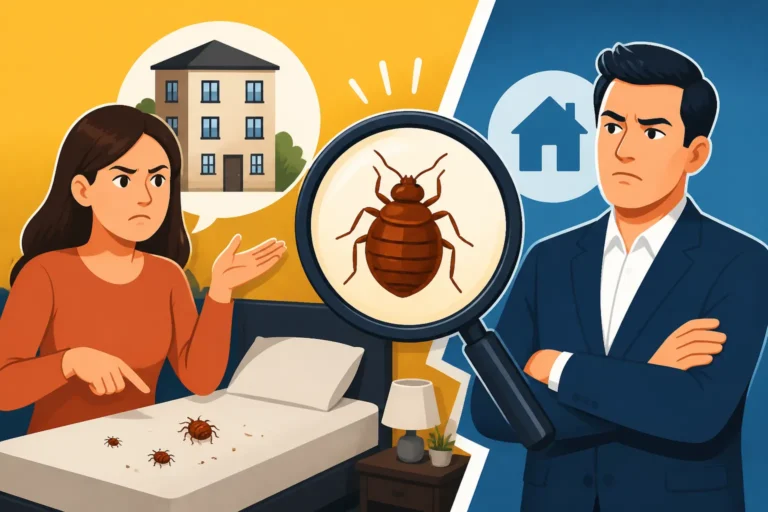
There are few things that can make your skin crawl faster than discovering bed bugs in your rental home. It's a truly awful situation – not just the physical discomfort of bites, but the immense stress, the feeling of invasion, and the immediate question: "Whose problem is this, anyway?" Trying to figure out your tenant rights and who's on the hook for getting rid of these insidious pests can feel like navigating a legal minefield when all you really want is a good night's sleep. This comprehensive guide is here to untangle the confusion, laying out tenant rights for bed bugs by state, so you know exactly what steps to take.
The Unwanted Guests: Understanding Bed Bugs in Rental Properties
Dealing with bed bugs is a nightmare scenario for any renter. These tiny, nocturnal creatures can turn your comfortable living space into a source of constant anxiety, and it’s crucial to understand what you’re up against before you can effectively address the problem.
What Are Bed Bugs and Why Are They a Problem?
Bed bugs, scientifically known as Cimex lectularius, are small, reddish-brown, flat insects that feed on the blood of humans and animals. They're roughly the size of an apple seed when adult, making them hard to spot, especially in their early life stages. They typically hide in cracks and crevices, especially around mattresses, bed frames, headboards, and even in furniture, behind picture frames, or in electrical outlets. At night, they emerge to feed on sleeping hosts.
The primary problem with bed bugs isn't just the creepy-crawly factor, but the itchy, red welts they leave behind. While these bites usually aren't dangerous, they can lead to skin infections from scratching and cause significant psychological distress, including anxiety, insomnia, and even paranoia. Many people wrongly assume bed bugs are a sign of poor hygiene, but this couldn't be further from the truth. They're hitchhikers, eager to travel from place to place, regardless of how clean or dirty a space is. This misconception often leads to shame and hesitation in reporting the problem, which only allows the infestation to worsen.
How Bed Bugs Enter a Rental Unit
Knowing how bed bugs typically get into a rental property can sometimes help determine responsibility, or at least help tenants understand why they suddenly have an issue. These resilient pests are masters of stealth and travel.
One of the most common ways they enter is through travel. If you've stayed in a hotel, hostel, or even a friend's house that had bed bugs, these tiny critters can easily hitch a ride in your luggage, on your clothing, or in personal items. Once home, they can quickly establish a new colony. Another frequent entry point is used furniture. That fantastic vintage armchair you found on the curb or bought cheaply online? It could be harboring bed bugs. That's why experts always advise thoroughly inspecting any second-hand items before bringing them into your home.
In multi-unit buildings like apartments or condos, bed bugs can spread from adjacent units. They're quite adept at crawling through wall voids, electrical conduits, and even under doors to infest neighboring apartments. This is a particularly frustrating scenario because a diligent tenant can still end up with bed bugs due to a neighbor's infestation. Public spaces, offices, and even public transportation can also be sources, as bed bugs latch onto clothing and bags, only to be unwittingly transported to your home.
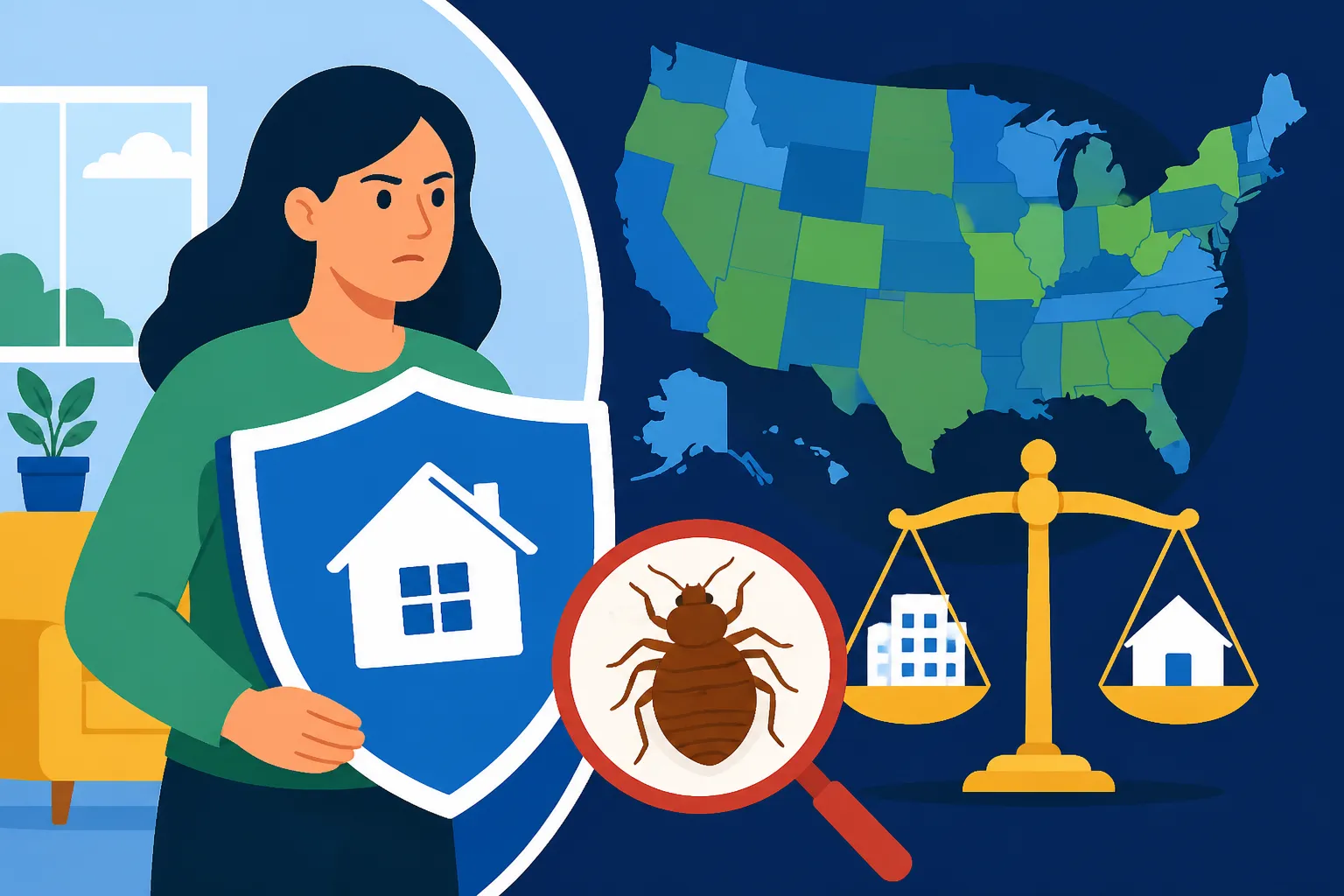
Navigating Bed Bug Laws by State: Who is Responsible?
This is the million-dollar question: When bed bugs show up, whose job is it to get rid of them, and who pays? The answer, unfortunately, isn't always straightforward and varies significantly by state and even local ordinances. However, there are some general principles to keep in mind.
General Principles of Landlord and Tenant Responsibility
At the heart of many landlord-tenant disputes, especially regarding pests, is the implied warranty of habitability. This legal principle dictates that a landlord must provide a safe, clean, and livable dwelling for their tenants. Most states consider a severe pest infestation, like bed bugs, to be a breach of this warranty, as it directly impacts the tenant's health and safety.
Generally, if a bed bug infestation is present before a tenant moves in, or if it arises in a multi-unit building where the source can't be traced to a single tenant's negligence, the landlord is typically responsible for eradication. The logic here is that the landlord is responsible for the overall structural integrity and habitability of the property.
However, a tenant also has responsibilities. These usually include:
- Prompt notification: As soon as you suspect or discover bed bugs, you must notify your landlord in writing. Delays can make the problem worse and potentially shift some responsibility onto you. You can learn more about How to Request Repairs in Writing.
- Cooperation with treatment: Tenants are generally expected to prepare their unit for treatment (e.g., decluttering, washing specific items) and allow access to exterminators.
- Avoiding negligence: If a tenant introduces bed bugs through their own actions (like bringing in infested furniture or failing to report an issue quickly), some states might hold them responsible for treatment costs. This is often harder for a landlord to prove, especially in multi-unit dwellings.
It's a complex dance between these responsibilities, and proving who is at fault can be tricky, which is why specific state laws are so important.
State-Specific Bed Bug Laws and Regulations
Let's dive into some state-specific nuances because that's where the rubber truly meets the road. Keep in mind that while some states have clear statutes, others rely on broader habitability laws, and local city or county ordinances might add further protections or requirements.
California: In California, landlords are generally responsible for maintaining a habitable dwelling, which includes taking reasonable steps to keep the property free of pests like bed bugs. California Civil Code Section 1942.5 prohibits landlords from retaliating against tenants who report problems, including pest infestations. For multi-unit dwellings, landlords are typically required to inspect and treat for bed bugs, and they cannot rent a unit they know to be infested. Tenants are required to cooperate with pest control measures.
New York: New York City has some of the strongest tenant protections regarding bed bugs. The city's Housing Maintenance Code requires landlords to keep their properties free of pests. In New York City, if a landlord attempts to claim a tenant brought in bed bugs, they often have to prove it, which is difficult. Landlords must also provide tenants with a notice of bed bug infestation history for their unit and adjacent units for the past year. Statewide, the implied warranty of habitability generally holds landlords responsible.
Florida: Florida statutes don't explicitly mention bed bugs, but the general landlord-tenant law (Florida Statute 83.51) requires landlords to maintain the premises in a habitable condition, which typically means free from infestations. For single-family homes or duplexes, the tenant is often responsible for extermination unless the landlord failed to meet obligations for maintaining the exterior. In multi-unit properties, it's usually the landlord's responsibility. The key often lies in proving when the infestation started.
Texas: Texas also doesn't have specific bed bug laws. Instead, it relies on the landlord's general duty to make repairs that "materially affect the physical health or safety of an ordinary tenant" (Texas Property Code § 92.052). Bed bugs can certainly fall under this. If a tenant notifies the landlord in writing and the landlord fails to act, the tenant may have options, including terminating the lease or performing repairs and deducting the cost (though this is risky and usually not recommended for bed bugs).
Arizona: Arizona Revised Statutes § 33-1319 specifically addresses bed bugs. Landlords must provide a dwelling unit free of bed bugs at the commencement of the tenancy. If a tenant reports bed bugs, the landlord must investigate within seven calendar days. If an infestation is found, the landlord must notify tenants of adjacent units and hire a pest management professional within 14 days of finding the infestation. Tenants have responsibilities, too, including notifying the landlord immediately and cooperating with inspections and treatment.
Washington: In Washington State, the Residential Landlord-Tenant Act requires landlords to keep premises fit for human habitation, which includes controlling pest infestations. Landlords must provide a written disclosure to prospective tenants about the property's bed bug history (if any) for the past three years. Tenants have a duty to not unreasonably withhold consent to the landlord's entry for inspection or treatment and to cooperate with treatment.
Here’s a simplified table summarizing key aspects of bed bug responsibilities in various states. Remember, this is a general overview, and local laws can always add more detail.
| State | Initial Landlord Responsibility | Tenant Notification Requirement | Tenant Cooperation | Who Pays for Treatment (General) | Notes |
|---|---|---|---|---|---|
| Arizona | Yes (at lease commencement) | Immediate, in writing | Yes | Landlord | Specific bed bug statute; landlord must investigate within 7 days. |
| California | Yes | Prompt, in writing | Yes | Landlord | Cannot rent out known infested units; specific disclosures required. |
| Connecticut | Yes | Prompt, in writing | Yes | Landlord | Landlords must inspect within 10 days of notice and treat. |
| Florida | Yes (habitable premises) | Prompt, in writing | Yes | Landlord (multi-unit); Varies (SFH) | Relies on general habitability clause; proof of origin is often key. |
| Georgia | Yes (habitable premises) | Prompt, in writing | Yes | Landlord | Implied warranty of habitability is the basis. |
| Maine | Yes | Prompt, in writing | Yes | Landlord | Landlords must ensure units are bed bug-free at occupancy. |
| Maryland | Yes | Prompt, in writing | Yes | Landlord | Lease often specifies who pays; general habitability applies. |
| New Jersey | Yes | Prompt, in writing | Yes | Landlord | Implied warranty of habitability. |
| New York | Yes (especially NYC) | Prompt, in writing | Yes | Landlord | NYC: strong tenant protections, specific disclosure laws. |
| Ohio | Yes | Prompt, in writing | Yes | Landlord | Must provide habitable premises; landlords typically responsible for removal. |
| Oregon | Yes | Prompt, in writing | Yes | Landlord | Must provide bed bug-free unit at move-in; tenants must not knowingly bring in. |
| Texas | Yes (habitable premises) | Prompt, in writing | Yes | Landlord | Relies on general health and safety repairs clause. |
| Washington | Yes | Prompt, in writing | Yes | Landlord | Disclosure of bed bug history required for past 3 years. |
For landlords, managing maintenance requests and staying on top of property conditions is crucial. Tools like TurboTenant or property management software can help streamline communication and ensure proper documentation of issues, which is essential for tracking pest problems. Similarly, when it comes to insurance, while most standard renters' policies from providers like Lemonade don't cover pest extermination, having a clear record of communication and responsibility can be vital if property damage becomes an issue. Companies like Steadily often cater to landlords and might offer specific endorsements or advice on managing these types of maintenance headaches.
Taking Action: What to Do If You Discover Bed Bugs
Finding bed bugs can be alarming, but acting quickly and strategically is your best defense. Don't panic; follow these steps to protect your rights and help resolve the situation efficiently.
Documenting the Infestation and Notifying Your Landlord
The very first thing you need to do, after the initial shock wears off, is to gather evidence. This isn't about blaming anyone; it's about having clear, undeniable proof of the problem.
- Take photos and videos: Get clear, close-up shots of the bugs themselves (if you can find them), the bites on your body, and any tell-tale signs like reddish-brown fecal spots on your mattress, sheets, or upholstered furniture. Date-stamp these images if possible.
- Collect samples: If you can safely capture a bed bug (or several!), do so. Place them in a sealed Ziploc bag or a small container with some tape to keep them still. This provides irrefutable proof to your landlord and any pest control professionals.
- Keep a log: Start a detailed log of when you first noticed bites, when you found bugs, and any communications with your landlord or management.
Once you have documentation, notify your landlord immediately and in writing. Do not rely solely on a phone call, as verbal agreements or notifications are notoriously hard to prove later. Send an email, a certified letter with a return receipt requested, or deliver a hand-written letter and keep a copy for yourself. In your notice, clearly state:
- The date you discovered the bed bugs or symptoms.
- The location(s) in your unit where you've seen them or their signs.
- A clear request for the landlord to take appropriate action, including professional extermination.
- Your availability to cooperate with inspections and treatments.
This formal notice triggers your landlord's responsibility to act according to state and local laws, which often dictate How Long Does a Landlord Have to Make Repairs? By State. It's your paper trail, and it's essential.
Cooperating with Treatment and Preventing Spread
While your landlord is often responsible for hiring the exterminators, you, as the tenant, play a crucial role in ensuring the treatment is effective and preventing the spread of the infestation.
- Prepare your unit: Exterminators will provide a list of preparatory steps. This usually involves extensive decluttering, washing all bedding, clothing, and curtains in hot water, and drying them on high heat. These items then need to be sealed in plastic bags. You'll likely need to empty dressers and closets, move furniture away from walls, and vacuum thoroughly. It's a massive undertaking, but absolutely necessary for successful eradication.
- Allow access: You must allow the landlord or their authorized pest control professionals reasonable access to your unit for inspection and treatment. Most states require landlords to give proper notice (typically 24-48 hours) before entering, except in emergencies.
- Do NOT self-treat: Resist the urge to buy over-the-counter bug bombs or pesticides. These are generally ineffective against bed bugs, can spread the infestation to other parts of your unit or building, and might even be dangerous if misused. Professional treatment is key.
- Avoid moving infested items: Don't move mattresses, furniture, or other items out of your apartment without explicit instructions from the exterminator. This is how bed bugs spread to other units or even to new homes if you're tempted to discard furniture in common areas.
Your cooperation is vital. If you fail to prepare your unit or refuse access, it could undermine the treatment and potentially shift financial responsibility for re-treatment onto you.
What If Your Landlord Refuses to Act?
This is where things can get incredibly frustrating, but you still have options. If your landlord ignores your written notification or fails to take timely and effective action, you have rights.
- Send a follow-up letter: Remind your landlord of their obligations and your previous notice. Reiterate the problem and give them a reasonable deadline (e.g., 5-7 business days) to respond or begin treatment. Include copies of your initial notice and any evidence.
- Contact local housing authorities or code enforcement: Many cities and counties have housing departments or code enforcement offices that can intervene. They can inspect your unit, verify the problem, and issue citations or orders to your landlord, compelling them to act. This is often an effective route to get action. You can learn more about How to Report a Landlord Code Violations & Retaliation.
- Consider legal remedies (with caution):
- Repair and Deduct: Some states allow tenants to arrange for repairs (like pest extermination) and deduct the cost from their rent. However, this is a very risky option and should only be pursued after consulting with a landlord-tenant attorney, as specific state laws on Repair and Deduct by State are stringent. Improper use could lead to eviction.
- Withholding Rent: Similarly, withholding rent is a severe step and carries significant risks, including potential eviction. It's usually only allowed in cases where the issue makes the unit genuinely uninhabitable, and specific procedures (like placing rent into an escrow account) must be followed. Understanding Withholding Rent & Rent Escrow is complex and requires legal guidance.
- Constructive Eviction: In extreme cases where the living conditions are so bad due to the infestation that the unit is deemed uninhabitable, you might have grounds for Constructive Eviction Explained, allowing you to break your lease without penalty. Again, this is a high-risk legal strategy that demands professional legal advice.
- Seek legal advice: Before taking any drastic steps like withholding rent or breaking your lease, always consult with a landlord-tenant attorney. They can advise you on your specific state and local laws, assess your situation, and help you understand the potential consequences of each action. Many legal aid societies offer free or low-cost services for tenants.
Remember, landlords are generally obligated by the Implied Warranty of Habitability Explained to provide a safe and livable home. A severe bed bug infestation can definitely fall under this.
Protecting Yourself: Prevention and Preparedness
Even if you're currently dealing with bed bugs, or have resolved an infestation, thinking proactively about prevention can save you a lot of heartache (and itchiness) in the future.
Proactive Measures for Tenants
While you can't guarantee you'll never encounter bed bugs, especially in a world where they're becoming more common, you can significantly reduce your risk.
- Be a savvy traveler: When staying in hotels or other accommodations, always inspect the mattress, headboard, and luggage rack for signs of bed bugs before unpacking. Keep your luggage off the floor and away from the bed. When you return home, unpack directly into your washing machine with hot water and dry on high heat, even if the clothes aren't dirty. Visually inspect your luggage.
- Inspect used furniture: As mentioned earlier, used furniture is a common culprit. Before bringing anything upholstered or wooden into your home, especially from curbside finds or second-hand stores, meticulously inspect it. Pay close attention to seams, crevices, and joints.
- Use protective covers: High-quality, zippered mattress and box spring encasements can prevent bed bugs from getting into your bedding or trap existing ones inside, making future infestations easier to manage.
- Be mindful of neighbors: If you live in a multi-unit building, a proactive approach can be helpful. While you can't control your neighbors, understanding that bed bugs can spread between units means you should be extra vigilant if you hear of infestations nearby. Promptly reporting any issues in your own unit is crucial to prevent wider spread.
- Regular inspections: Periodically check your own mattress, bed frame, and the areas around your bed. Early detection is often the key to simpler and less costly eradication.
Taking these small steps can make a big difference in maintaining a bed bug-free home.
Understanding Your Lease and Renter's Insurance
Your lease agreement is the contract between you and your landlord, and it's your primary source of information regarding responsibilities, including those related to pest control. Before signing any lease, read it carefully to see if there are specific clauses about bed bugs or pest infestations.
- Lease clauses: Some leases explicitly outline who is responsible for bed bug treatment and costs, especially in states where laws are less clear. Others might have general pest control clauses. If it's unclear, don't hesitate to ask your prospective landlord or property manager (perhaps one using a system like TurboTenant) for clarification before you sign. Understanding What to Include in a Lease Agreement can give you insight into what to look for.
- Renter's insurance: Many tenants mistakenly believe their renter's insurance will cover bed bug extermination or property damage. Unfortunately, most standard renter's insurance policies, like those from Lemonade, do not cover pest extermination costs. Some policies might cover damaged personal property if the damage is directly caused by a covered peril (which bed bugs typically are not), but this is rare and would require a specific endorsement or very broad coverage. It's always best to check your specific policy or call your insurance provider to understand what, if anything, is covered when it comes to pests. Don't assume.
Being well-informed about your lease terms and insurance coverage will help you understand your financial responsibilities and options should a bed bug problem arise.
Disclaimer
Please note that this article provides general information and guidance regarding tenant rights and landlord responsibilities concerning bed bugs. Landlord-tenant laws are complex and vary significantly by state and even local ordinances. This content is not a substitute for professional legal advice. If you are facing a bed bug infestation or have questions about your specific rights and obligations, it is strongly recommended that you consult with a qualified attorney in your jurisdiction.