Does My Landlord Have to Provide Heat in the Summer?
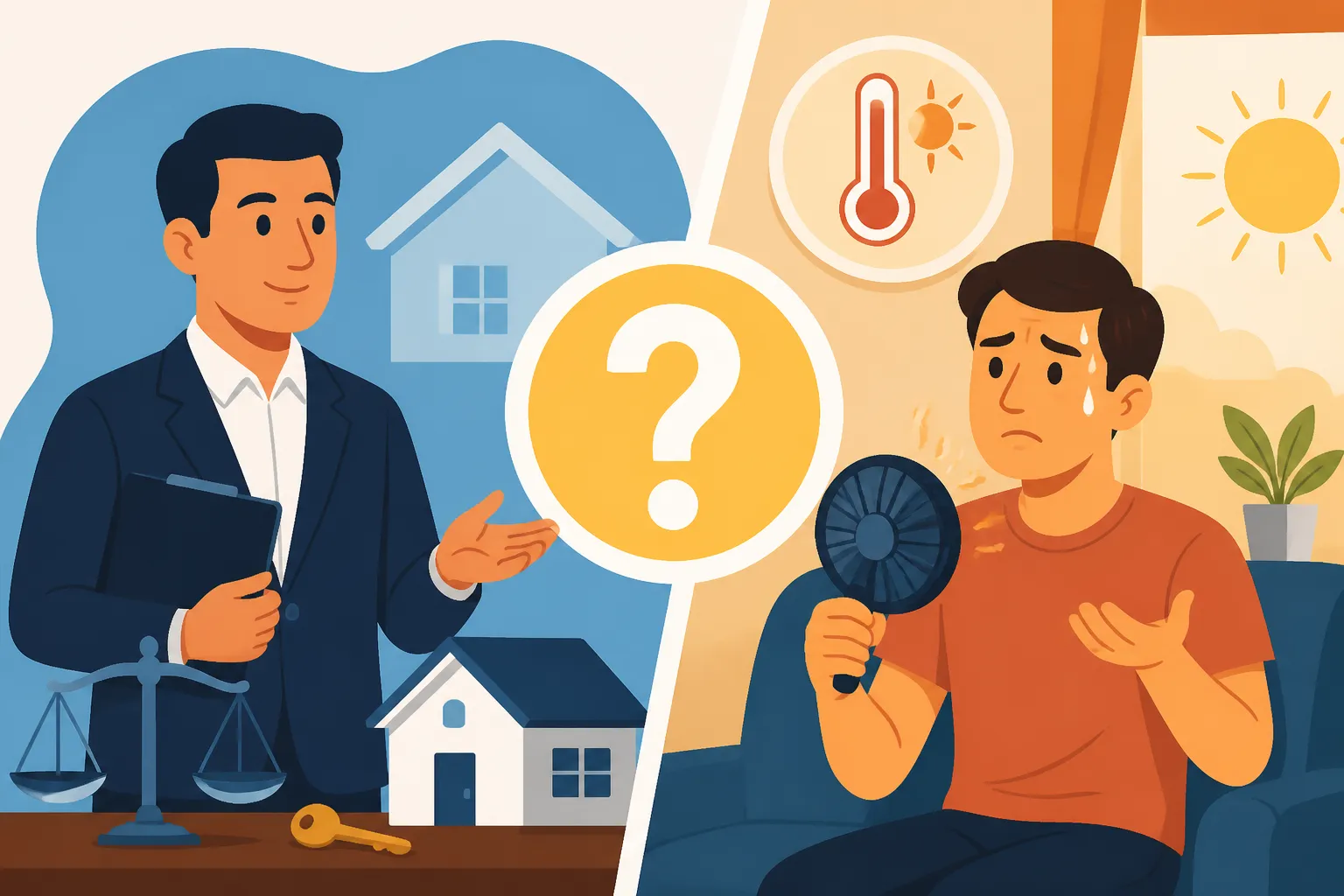
It can be incredibly frustrating to feel unsure about your living conditions, especially when it comes to essential services like heat. While we all crave cool relief during the dog days of summer, sometimes unseasonable chills, health concerns, or simply curiosity about your rights can make you wonder: Does my landlord have to provide heat even in the summer? This guide will dive deep into landlord responsibilities regarding heating systems year-round, exploring the nuances of habitability laws, common state regulations, and what you can do if your heating system isn't working, no matter the season.
Understanding the Implied Warranty of Habitability
Let's start with a foundational concept in landlord-tenant law: the implied warranty of habitability. This isn't usually something explicitly written in your lease agreement, but it's a legal principle that applies to most residential rental properties. It essentially means that your landlord, by law, promises to provide a safe, healthy, and livable space, regardless of what the lease might say (or not say) about specific conditions.
What Habitability Really Means for Your Rental
When we talk about a "habitable" living space, we're not just talking about having a roof over your head. It extends to a range of basic amenities and conditions that are crucial for human habitation. This typically includes things like:
- Structural soundness: The building should be safe and stable.
- Weatherproofing: Protection from the elements – rain, snow, extreme cold, and heat.
- Basic utilities: Access to running water (hot and cold), electricity, and, yes, heat.
- Sanitation: Proper plumbing, waste disposal, and pest control.
- Safety features: Working smoke detectors and carbon monoxide detectors, secure locks.
The exact definition can vary slightly from state to state, and even city to city. For instance, what's considered "habitable" in sunny Phoenix, Arizona, might be different from bustling Boston, Massachusetts, where extreme cold is a real concern for a significant portion of the year. However, the core idea is universally applied: you deserve a home that doesn't pose a risk to your health or safety. You can learn more about the specifics of what landlords must fix by checking out our guide on Landlord Repair Responsibilities What They Must Fix.
The Role of Heating Systems Year-Round
Now, how does this apply to your heating system in the summer? The implied warranty of habitability ensures that a functional heating system is available. This doesn't necessarily mean it needs to be actively running or even capable of being turned on to provide warmth during the hottest months. Instead, it means the system itself, whether it's a furnace, boiler, or heat pump, must be maintained in good working order so that it's ready to go when the colder weather inevitably returns.
Think of it this way: your landlord probably isn't obligated to keep your air conditioning running in the dead of winter, but they are obligated to make sure the AC unit is repaired if it breaks in January, so it's ready for July. The same logic often applies to heating systems. A broken furnace in August might not be an immediate emergency for comfort, but it's still a broken essential system that needs attention. Landlords often use tools like TurboTenant to manage maintenance requests and ensure these systems are tracked and repaired efficiently.
State-Specific Requirements for Heating
While the general principle is "functional system," many states and municipalities have specific regulations about when heat must actually be provided to tenants. These are often referred to as "heat season" laws.
Minimum Temperature Regulations and Heat Seasons
Most jurisdictions that regulate heating requirements focus heavily on the colder months. For instance:
- New York City has a very specific "heat season" from October 1st to May 31st. During this period, if the outside temperature falls below 55 degrees Fahrenheit, landlords must ensure the indoor temperature is at least 68 degrees Fahrenheit between 6 AM and 10 PM. Overnight, if the outdoor temperature is below 40 degrees, the indoor temperature must be at least 62 degrees.
- Chicago, Illinois, has similar rules, generally requiring heat from September 15th through June 1st, with specific minimum indoor temperatures (often 68-70 degrees during the day and 65 at night).
- Massachusetts mandates heat provision between September 15th and June 15th, with similar temperature thresholds.
What's clear from these examples is that summer (typically June, July, August, and often part of September) falls outside these mandatory heat provision periods. During these months, landlords are generally not required to actively provide heat, even if there's an unusually chilly day. Your landlord isn't expected to turn on the furnace just because a freak cold front brought temperatures down to 50 degrees for a day in July. The expectation is that you, as the tenant, will use alternative methods if you feel cold, such as extra blankets or a space heater (used safely, of course!).
However, this doesn't mean your heating system can be completely ignored. Even outside of heat season, if the heating system itself is broken and incapable of providing heat when it will eventually be needed, that still constitutes a repair issue.
When Heat is Considered an "Essential Service"
An "essential service" refers to utilities or features necessary for a safe and healthy living environment. Heating is undeniably an essential service. However, its active provision is usually seasonal. During the designated "heat season," if your heat goes out, it's considered an emergency repair in many places, and your landlord has a very short timeframe to fix it—often 24 to 72 hours, depending on the state and the severity of the outdoor temperatures. For more on this, you can look at our comprehensive guide on How Long Does a Landlord Have to Make Repairs By State.
Outside of heat season, a broken heating system might still be an essential service, but the urgency of its repair might be lower. For example, if your furnace stops working in July, it's not an immediate emergency that impacts your ability to live safely and comfortably at that moment. However, it's still a critical component of the dwelling, and your landlord has a responsibility to repair it in a "reasonable time" before the next heat season begins. What constitutes "reasonable time" can be subjective, but generally, it means addressing the issue proactively so that it's fully functional well before the cold weather hits again. A landlord might consider having proper property insurance from companies like Steadily, which could encourage diligent maintenance and timely repairs to avoid larger issues down the line.
When Your Heating System Becomes a Repair Issue Even in Summer
So, while your landlord isn't usually flipping a switch to send hot air your way in July, a non-functional heating system is still a problem that needs to be addressed. The key distinction is between providing heat and maintaining a functional heating system.
Broken Heaters and Prompt Repair Obligations
If your heating system breaks down in the middle of summer, it's not the same as it breaking down in January. You're not immediately deprived of an essential service that impacts your daily comfort and safety. However, it is still a broken piece of essential infrastructure. Your landlord has an obligation to maintain the property, and that includes ensuring all systems, including heating, are in good working order.
The repair timeframe in summer will likely be longer than during heat season. Instead of an emergency 24-hour fix, your landlord will typically have a "reasonable" amount of time. This "reasonable time" can depend on:
- The nature of the break: Is it a simple fix or a major component replacement?
- Parts availability: Are parts readily available, or is there a waiting period?
- Technician availability: Is it easy to get a qualified HVAC technician, or are they booked solid?
Generally, a landlord should aim to repair a broken heating system well before the start of the official "heat season" in your area. Waiting until the first cold snap of October to fix a furnace that broke in July would likely be considered unreasonable. The goal is to ensure the system is operational when the tenant will actually need it for warmth.
Documenting Issues and Communication
Whether it's summer or winter, proper communication and documentation are absolutely critical when dealing with repair issues. This protects both you and your landlord and provides a clear record if disputes arise.
Here's how to approach it:
- Notify in Writing: Always start by notifying your landlord of the issue in writing. An email, text message, or certified letter is best. A phone call is fine for initial contact, but always follow it up with something in writing. Make sure to clearly state the problem (e.g., "The furnace is not turning on," or "The thermostat is completely unresponsive") and the date you noticed it. Our guide on How to Request Repairs in Writing can provide you with templates and best practices.
- Date and Time Stamp: Keep a log of all communications, including dates, times, and who you spoke with.
- Photos/Videos: If possible, take photos or videos of the broken system, especially if there are visible signs of damage.
- Proof of Delivery: For formal letters, send them via certified mail with a return receipt requested. For emails, save them in a dedicated folder.
- Be Specific but Not Overly Demanding (Initially): In summer, you can state that while you don't need active heat now, you want to ensure the system is ready for colder weather. "I wanted to inform you that our heating system appears to be non-functional. While it's certainly not an issue we're facing today in August, I want to make sure it's repaired well in advance of the colder months."
This paper trail is your best friend if you ever need to escalate the issue or even pursue legal action.
Tenant Actions and Rights When Heat is a Concern
Even in summer, if your heating system is broken and your landlord is unresponsive, you have rights and options. It's important to understand them so you can advocate for yourself effectively.
Sending a Formal Repair Request
After your initial informal notification (which should still be in writing!), if your landlord doesn't take action within a reasonable timeframe (which, again, is longer in summer for heat issues), it's time to send a more formal repair request. This letter should:
- Reference previous communications: "This letter follows my email dated [Date] regarding the non-functional heating system at [Your Address]."
- Reiterate the problem: Clearly state that the heating system is not working and why it's a concern (i.e., it won't be ready for winter).
- State a deadline: Give a clear, reasonable deadline for repair. For a broken heating system in summer, a two-week to one-month deadline might be appropriate, depending on your state's laws regarding "reasonable time" for non-emergency repairs.
- Mention your intent to pursue further action: Clearly state that if the repair is not made by the deadline, you will explore your legal options.
- Keep a copy: Always keep a copy of this letter for your records.
Many tenant rights organizations or legal aid services offer templates for such letters. This formal step often prompts landlords to take action, as it demonstrates you understand your rights and are prepared to enforce them.
Legal Recourse for Unresponsive Landlords
If your landlord continues to ignore a broken heating system, even in summer, and it's clear they're not making efforts to repair it before heat season, you might need to explore legal options. These generally include:
- Repair and Deduct: In some states, if a landlord fails to make necessary repairs after proper written notice, tenants can arrange for the repair themselves and deduct the cost from their rent. However, this is usually reserved for essential repairs that directly impact habitability at the time the repair is needed. For a heating system in summer, this can be tricky, as it might not be considered an immediate habitability issue. It's crucial to understand Repair and Deduct by State laws and tread carefully, as doing it incorrectly can lead to eviction.
- Withholding Rent: Similar to repair and deduct, withholding rent is a powerful tool but one that carries significant risk. It's typically only legally permissible when a landlord has failed to provide a truly essential service that renders the unit uninhabitable. Again, a broken heater in summer might not meet this high bar, unless the summer months are drawing to a close and winter is fast approaching without a fix. Always consult with a legal professional before attempting Withholding Rent for Repairs.
- Suing in Small Claims Court: You might be able to sue your landlord in small claims court for damages, such as the cost of having to use expensive temporary heating solutions or for the diminished value of your rental due to the lack of a functional heating system. This would typically happen if the issue persists into the heat season.
- Constructive Eviction: In extreme cases, if the lack of a functional heating system (or other severe problems) makes your apartment truly unlivable for an extended period, you might argue for "constructive eviction," which allows you to break your lease without penalty. This is a very high bar and requires proving that the conditions were so severe that a reasonable person would have to move out. A broken heater in summer would almost never qualify for constructive eviction, but if it remains broken into winter, it absolutely could. You can learn more about this concept in our article, Breaking a Lease for Uninhabitable Conditions.
- Contacting Housing Authorities: Your local housing authority or code enforcement office can often intervene. They can inspect your unit, cite your landlord for violations, and potentially compel them to make repairs. This is often a good first step before pursuing legal action.
Always remember that these legal remedies vary significantly by state and even by city. What's legal in San Francisco, California, might not be in Orlando, Florida. It's always best to understand Tenant Rights If Landlord Won't Return Deposit or for any other dispute.
| Heating System Status | Summer (Off-Season) | Winter (Heat Season) | Landlord Obligation | Recommended Tenant Action |
|---|---|---|---|---|
| Fully Functional | No active heat provided | Active heat provided to minimum temps | Maintain system, provide active heat seasonally | Enjoy your comfortable home! |
| Broken, Not Active Heat Needed | System is broken, but not currently used for warmth | N/A | Repair within a "reasonable" timeframe before next heat season | Notify landlord in writing; follow up if ignored. |
| Broken, Active Heat Needed | N/A | System is broken and needed for warmth, fails minimum temps | Repair immediately (emergency timeframe: 24-72 hours) | Notify landlord immediately, follow legal steps if no prompt repair. |
Keeping Your Rental Property Habitable Year-Round
The bottom line is that while your landlord generally isn't required to blast the furnace in July, they are always responsible for maintaining a functional heating system that is ready for use when the weather turns cold. It's part of providing a habitable living space, regardless of the calendar.
As a tenant, your best defense is always clear communication, thorough documentation, and a solid understanding of your local tenant rights. Don't be afraid to assert your rights if a crucial system like your heating goes unrepaired, even if it's months before you'll actually need it. Protecting yourself and ensuring your home is ready for all seasons is a proactive step toward a more comfortable and secure tenancy. And as a good habit, always make sure you have renters insurance from providers like Lemonade to protect your personal belongings, just in case something unforeseen happens to your unit.
Disclaimer
Please remember that this article provides general information and is not a substitute for legal advice. Landlord-tenant laws vary significantly by jurisdiction. Always consult with a qualified attorney or your local housing authority for advice specific to your situation.