Tenant Rights for Mold by State
Finding mold in your rental property can be incredibly stressful, not to mention a serious health concern for you and your family. It often feels like a losing battle to get your landlord to take the problem seriously and fix it promptly. This comprehensive guide will walk you through your tenant rights concerning mold, state by state, empowering you with the knowledge and steps you need to ensure your living space is safe and healthy.
The Basics: Landlord Responsibility and the Implied Warranty of Habitability
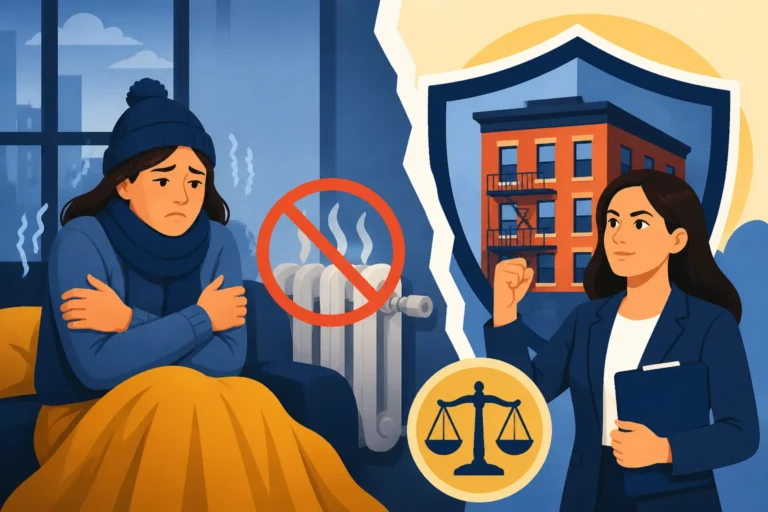
When you rent a home, you're not just getting a roof over your head; you're entering into an agreement where your landlord implicitly promises that the property is safe and livable. This foundational concept is known as the "implied warranty of habitability." Essentially, it means your rental must meet basic structural, health, and safety standards. And let's be real, a significant mold problem definitely falls outside of "safe and livable."
Many states don't have super specific laws solely about mold in rentals, but they rely heavily on this implied warranty. If mold makes your apartment uninhabitable or poses a health risk, your landlord is generally obligated to address it. This isn't just a nicety; it's a legal requirement. Ignoring it can have serious consequences for them.
What Makes Mold a Habitability Issue?
Not all mold is created equal, but any significant mold growth in a rental unit can quickly become a habitability concern. Think about it: mold spreads, it can cause respiratory problems, allergic reactions, and even more severe health issues, especially for children, the elderly, or those with compromised immune systems. It can also damage property, eating away at walls, ceilings, and flooring.
From a legal standpoint, when mold growth is extensive enough to impact the structural integrity of the property, contaminate air quality, or render portions of the unit unusable due to health risks, it typically triggers the landlord's duty to repair. For instance, if you have black mold spreading rapidly across a bathroom wall due to a leaking pipe, that's almost certainly a habitability issue. On the other hand, a tiny bit of surface mold in a shower that can be easily wiped away might not immediately qualify as a major habitability violation, but it still warrants attention to prevent it from getting worse.
Tenant's Role in Mold Reporting
While the landlord has a duty to maintain a habitable property, tenants also have responsibilities. The most crucial one when it comes to mold is promptly reporting the issue. You can't expect your landlord to fix something they don't know about. As soon as you discover mold, it's vital to notify your landlord in writing. This creates a paper trail, which is incredibly important if you end up in a dispute.
Many standard lease agreements also outline tenant responsibilities, such as keeping the unit reasonably clean and reporting necessary repairs. If you notice a leaky faucet or a water stain on the ceiling, reporting it quickly can prevent a small problem from escalating into a full-blown mold infestation. Delaying notification could potentially weaken your position if the landlord tries to argue the mold grew due to your negligence. Think of it like this: your landlord can't fix what they don't know is broken, so letting them know is step one in protecting your rights and your living space.
State-by-State Breakdown of Mold Laws and Tenant Rights
This is where things get a bit tricky, because while the general principle of habitability applies everywhere, the specifics of how mold is handled can vary wildly from state to state, and even city to city. Some states have really specific laws addressing mold, while others rely on broader habitability statutes. It's crucial to understand your local rules, and you can often find detailed information by researching your specific state's Security Deposit Laws by State (2026) or Landlord Repair Responsibilities (What They Must Fix) which often cover habitability generally.
States with Specific Mold Disclosure and Remediation Laws
A growing number of states have recognized the unique challenges mold presents and have enacted specific legislation to address it. These laws often dictate how landlords must disclose past mold issues, their responsibilities for remediation, and sometimes even specific acceptable levels of mold.
- California: California is quite proactive. Its health and safety code considers visible mold that endangers health a "substandard condition" which makes a property uninhabitable. Landlords are generally responsible for investigating and remediating mold if it makes the unit unsafe or unhealthy, as per the implied warranty of habitability. There are specific disclosure requirements for landlords to inform tenants of known mold conditions. If a landlord fails to address the mold after proper notice, tenants might have options like "repair and deduct" or even breaking the lease. You can learn more about specific timelines in this state by checking How Long Does a Landlord Have to Make Repairs? (By State).
- New York: New York City, in particular, has strong regulations. Local laws require landlords to maintain buildings free of mold and proactively investigate and remediate mold conditions in certain residential units. If mold is identified, landlords must clean it up using safe work practices. New York state law also includes mold as a condition that could lead to a breach of the warranty of habitability.
- Maryland: In Maryland, landlords must maintain the premises free from severe mold contamination that is an actual or potential hazard to health. If mold is present, the landlord must take reasonable steps to remediate it. Tenants generally need to provide written notice.
These states provide clearer guidelines, which can make it easier for tenants to assert their rights. However, even with specific laws, proving the severity and cause of mold can still be a challenge.
States Relying on General Habitability Principles
Many other states don't have explicit "mold laws" but still provide recourse through their general implied warranty of habitability statutes. In these states, the argument for mold remediation often hinges on whether the mold renders the property unsafe, unhealthy, or structurally unsound.
- Texas: Texas doesn't have specific state laws regarding mold disclosure or remediation in residential rentals. However, landlords are still required to make a diligent effort to repair or remedy conditions that materially affect the physical health or safety of an ordinary tenant. If the mold issue is severe enough to be a health or safety hazard, it could fall under this general requirement. Tenants must provide written notice and allow a "reasonable" time for repairs. Documentation is key here.
- Florida: Similar to Texas, Florida law doesn't have a specific mold statute for landlords and tenants. However, the landlord is generally obligated to maintain the premises, including the roof, windows, screens, floors, steps, porches, exterior walls, foundations, and all other structural components in good repair. If mold is a result of the landlord's failure to maintain these components (e.g., a leaky roof), the landlord would likely be responsible under the general habitability standards. Tenants need to provide written notice and allow seven days for repairs.
- Massachusetts: Massachusetts has strong Sanitary Code regulations that dictate minimum standards for housing. While not explicitly mentioning mold, conditions that promote mold growth (like leaks or excessive moisture) or widespread mold itself can be considered violations of this code, making the unit unfit for human habitation. Tenants have clear rights to enforce the Sanitary Code through local boards of health or courts.
In these states, success often depends on demonstrating that the mold significantly impacts the property's habitability. This usually requires thorough documentation, sometimes even a professional mold inspection.
Table Summarizing Key State Rules for Mold
This table offers a simplified overview. Remember, laws can be complex and specific details often matter, so always look up the current statutes for your specific location.
| State | Specific Mold Laws? | General Landlord Obligation (Habitability) | Tenant Notice Required? | Potential Recourse if Ignored (General) |
|---|---|---|---|---|
| California | Yes (substandard condition) | Yes, to remediate significant mold | Yes, in writing | Repair and Deduct, Withholding Rent, Lease Termination |
| New York | Yes (especially NYC) | Yes, to remediate/prevent mold | Yes, in writing | Report to housing authority, Repair and Deduct, Lease Termination |
| Texas | No specific statutes for residential | Yes, for conditions affecting health/safety | Yes, in writing | Repair and Deduct (limited), Lease Termination (in extreme cases) |
| Florida | No specific statutes | Yes, to maintain structural integrity | Yes, in writing (7 days) | Repair and Deduct (limited), Withholding Rent (after notice/escrow) |
| Maryland | Yes (severe mold contamination) | Yes, to remediate severe mold | Yes, in writing | Repair and Deduct, Rent Escrow, Lease Termination |
| Massachusetts | No specific mold law (Sanitary Code) | Yes, to maintain habitable conditions | Yes, in writing | Report to Board of Health, Repair and Deduct, Rent Escrow |
| Arizona | No specific statutes | Yes, to maintain fit and habitable premises | Yes, in writing | Repair and Deduct, Withholding Rent, Lease Termination |
| Illinois | No specific statutes | Yes, to maintain safe and healthy premises | Yes, in writing | Repair and Deduct, Withholding Rent (after proper procedure), Lease Termination |
Note: "Repair and Deduct" and "Withholding Rent" are complex legal remedies with strict rules. Always consult local laws or legal aid before attempting these.
Practical Steps When You Discover Mold in Your Rental
Finding mold can feel overwhelming, but don't panic. There are concrete steps you can take to protect your health, your rights, and your security deposit. The key is thoroughness and clear communication. If you feel like your landlord is trying to pin the blame on you, this documentation will be your best friend.
Documenting the Problem Thoroughly
This is your number one priority! Evidence is everything when dealing with landlord-tenant disputes, especially regarding something as insidious as mold. You need to create a clear, undeniable record of the issue from the moment you discover it.
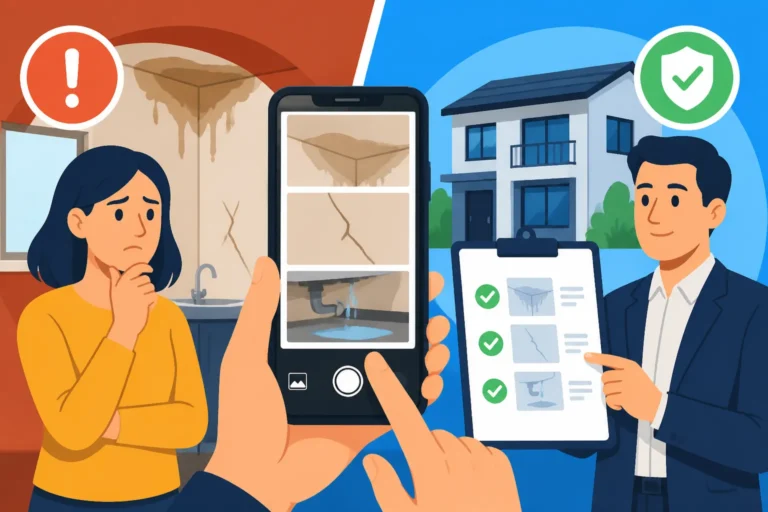
Start by taking photos and videos. Get wide shots of the affected areas to show context, and then close-ups to detail the mold growth itself. Capture the extent of the damage, any water stains, peeling paint, or damaged personal belongings. Date and time stamp these if your device allows. Don't just get pictures of the mold; try to capture the source of the moisture, if obvious, like a leaky pipe under the sink, a dripping ceiling, or condensation issues around a window. This can help demonstrate it's a structural or maintenance issue, not just tenant neglect.
Also, consider keeping a detailed log of when you first noticed the mold, how it's spreading, and any health symptoms you or your household members are experiencing. Note the date, time, location of the mold, and any contributing factors like a recent leak. This log acts as a diary of the problem's progression. Having a detailed record like this is invaluable, as outlined in our guide on How to Document Repair Problems.
Notifying Your Landlord in Writing
Once you have your initial documentation, the next critical step is to formally notify your landlord. This must be in writing, even if you've already had a verbal conversation. Written notice serves as legal proof that you informed them of the problem and provides a clear timeline.
You can send your notice via certified mail with a return receipt requested, or via email with a read receipt. If you hand-deliver it, ask your landlord or property manager to sign and date a copy for your records. This letter should:
- Clearly state the issue: "I am writing to inform you of significant mold growth in my unit at [Your Address, Unit Number]."
- Specify the location(s): "The mold is primarily located on the bathroom ceiling and wall above the shower, as well as under the kitchen sink."
- Describe the extent: "The mold covers an area of approximately [X square feet] and appears to be growing rapidly. There is also a strong musty odor."
- Mention the potential cause (if known): "This appears to be linked to a persistent leak from the bathroom faucet/a water stain on the ceiling from above."
- Request prompt action: "I request that you investigate and remediate this mold issue immediately, as it poses a health concern and makes the unit uninhabitable."
- Reference your documentation: "I have attached photos and videos documenting the mold. I also have a log of its progression."
- Include your contact information: Make it easy for them to get in touch.
Keep a copy of this letter and all correspondence. This is your paper trail, protecting you if the issue escalates. A good landlord using a platform like TurboTenant might have a digital system for repair requests, but always follow up with your own written record.
What Happens if Your Landlord Ignores Your Mold Complaint?
It's a frustrating, all-too-common scenario: you've done everything right—documented the mold, sent written notice—and your landlord still drags their feet or outright ignores you. This can leave you feeling powerless, but you're not without options. The specific actions you can take will depend heavily on your state's laws, and it's always wise to research the Tenant Rights If Landlord Won't Return Deposit or other remedies available in your area.
Understanding Your Options: Repair and Deduct, Withholding Rent, or Breaking the Lease
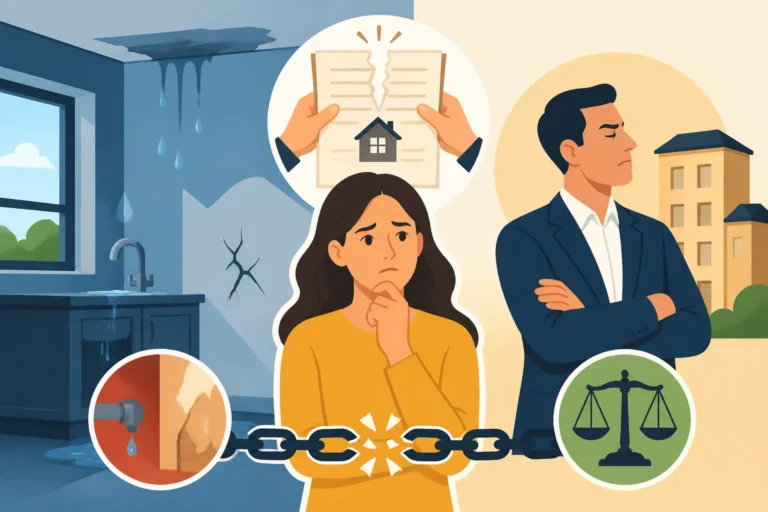
When a landlord fails to address a significant habitability issue like mold after receiving proper notice and a reasonable amount of time, tenants typically have several potential legal remedies, though these vary by state and come with serious caveats.
- Repair and Deduct: In some states, if your landlord fails to make necessary repairs that affect habitability (including severe mold) within a specified timeframe after proper written notice, you might be able to arrange for the repair yourself and deduct the cost from your next rent payment. This is a very powerful remedy but also one of the riskiest. It has extremely strict rules: there's often a cap on how much you can deduct (e.g., one month's rent), it's usually only for serious habitability issues, and you must follow all state-specific procedures to the letter. Failure to do so could result in an eviction for non-payment of rent. For example, Repair and Deduct by State will show you states like California, Arizona, and Washington allow this, but with distinct limitations.
- Withholding Rent: Another option in some jurisdictions is to withhold rent until the repairs are made. However, this is even riskier than repair and deduct and is often not allowed directly. In most states, if you withhold rent, you are typically required to place it into an escrow account (a separate bank account held by a third party, like the court) to demonstrate you have the money and are simply waiting for the repairs. Just outright refusing to pay rent can lead to eviction. States like Massachusetts and New York have rent escrow provisions. Our guide on Withholding Rent for Repairs explains the dangers and procedures involved.
- Breaking the Lease / Constructive Eviction: If the mold issue is so severe that it makes your rental uninhabitable and your landlord refuses to act, you might have grounds to break your lease without penalty. This is often referred to as "constructive eviction." It means the landlord's failure to maintain a habitable property has effectively forced you to move out. This is a high bar to meet legally; the conditions must be truly severe and make the property unfit for living. You typically need to give your landlord ample written notice of your intent to vacate due to their failure to address the habitability issue. For more on this, check out our piece on Breaking a Lease for Uninhabitable Conditions.
- Sue the Landlord: In some cases, you might be able to sue your landlord in small claims court for damages caused by the mold (e.g., ruined personal property, medical bills, or a partial refund of rent for the period the unit was uninhabitable). This usually comes after other attempts to resolve the issue have failed.
Before taking any of these drastic steps, seriously consider getting legal advice from a tenant rights organization or an attorney specializing in landlord-tenant law in your state.
Seeking Legal Counsel and Reporting to Authorities
If your landlord remains unresponsive or denies their responsibility, it's time to explore more formal avenues.
Local Housing Authorities or Health Departments: Many cities and counties have housing departments or health departments that can investigate habitability complaints. If an inspector determines that the mold violates local housing codes or poses a health risk, they can order your landlord to make repairs. This can be a very effective way to compel action, as landlords face fines or other penalties for non-compliance. Our guide on How to File a Code Violation Complaint offers further details on this process.
Legal Aid or Tenant Rights Organizations: These organizations often provide free or low-cost legal assistance and advice to tenants. They can help you understand your specific rights in your state, review your documentation, and even help you draft legal notices or file complaints. They are experts in the nuances of [Landlord-Tenant law] and can be invaluable resources.
Private Attorney: If the mold issue is severe, has caused significant health problems or property damage, or involves a substantial amount of money, consulting with a private attorney is a good idea. They can help you navigate complex legal processes, assess the strength of your case, and represent you if you decide to pursue legal action against your landlord. While insurance companies like Steadily cater to landlords, ensuring they have coverage for property damage, as a tenant, your renter's insurance from providers like Lemonade might cover your personal belongings, but generally won't cover legal fees against your landlord unless specifically stated.
Preventing Mold and Mitigating Future Issues
Even if your landlord is ultimately responsible for mold remediation, proactive steps on your part can prevent issues from recurring and demonstrate your commitment to maintaining a healthy living space. After all, nobody wants to deal with mold, regardless of who's cleaning it up!
Good Ventilation and Moisture Control
Mold thrives in damp, dark, and poorly ventilated areas. Taking simple steps to control moisture can make a huge difference:
- Use Exhaust Fans: Always run bathroom exhaust fans during and after showers for at least 15-20 minutes. If you don't have one, keep the bathroom door open slightly and consider a portable fan to circulate air.
- Ventilate When Cooking: Use kitchen exhaust fans when cooking, especially if boiling water, to remove steam and humidity.
- Address Spills Immediately: Don't let water stand on floors, counters, or in sinks. Mop up spills and dry surfaces promptly.
- Run a Dehumidifier: In humid climates or damp basements, a dehumidifier can be a lifesaver. Aim for indoor humidity levels between 30% and 50%.
- Open Windows: Weather permitting, open windows to improve air circulation, especially after showering, cooking, or doing laundry.
- Keep Shower Curtains Dry: Fully extend shower curtains after use to allow them to air dry and prevent mold growth in the folds.
- Clean Regularly: Wipe down surfaces in bathrooms and kitchens regularly with a mold-killing cleaner (like a dilute bleach solution or commercial mold cleaner) to prevent surface mold from taking hold.
Reporting Leaks and Water Damage Promptly
This ties back to your responsibility as a tenant. The faster you report a leak, the less likely it is to lead to a serious mold problem. Even a small drip can create the perfect environment for mold to flourish over time.
- Be Vigilant: Regularly check under sinks, around toilets, tubs, and windows for any signs of water leaks or dampness.
- Visible Water Stains: If you see a new water stain on a ceiling or wall, report it immediately, even if you don't see an active drip. This indicates a past or present leak that needs investigation.
- Musty Odors: A persistent musty smell is often the first sign of hidden mold. Don't ignore it!
- Don't Try to Hide It: Never try to cover up mold or water damage yourself, especially if it's due to a structural issue. Your landlord needs to know the true extent of the problem to address it properly.
Remember, landlords are generally only responsible for mold that results from structural issues or their failure to maintain the property. If mold develops because you consistently left standing water, didn't use ventilation, or failed to report a leak, some of the responsibility could shift to you. By being proactive and communicative, you protect yourself and contribute to a healthier living environment.
Disclaimer
Please remember that this guide provides general information about tenant rights and mold. Landlord-tenant laws are complex and vary significantly by state and even local jurisdiction. This information should not be considered legal advice. It is always recommended to consult with a qualified attorney or a local tenant advocacy organization for advice specific to your situation.