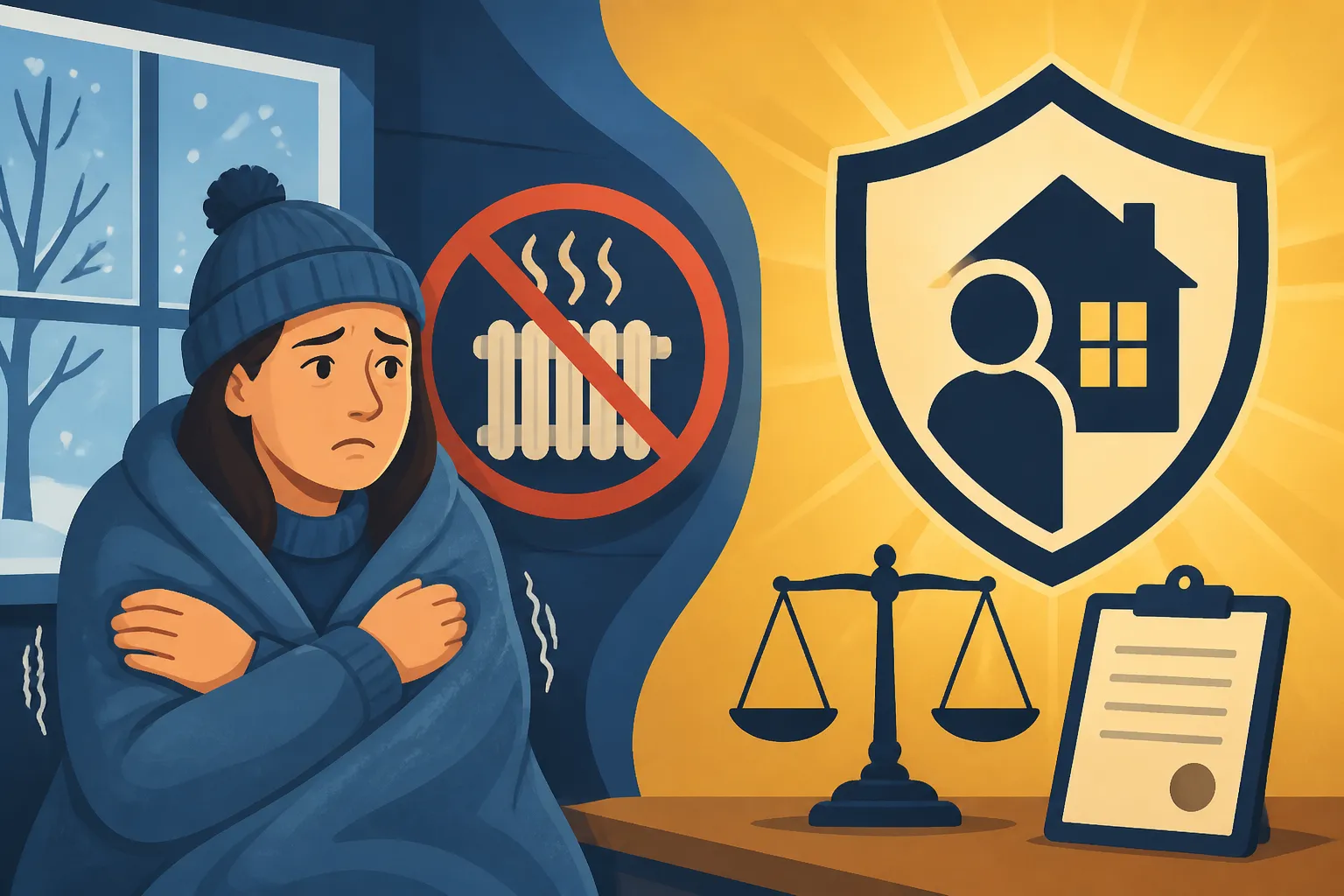
Tenant Rights With No Heat in Illinois
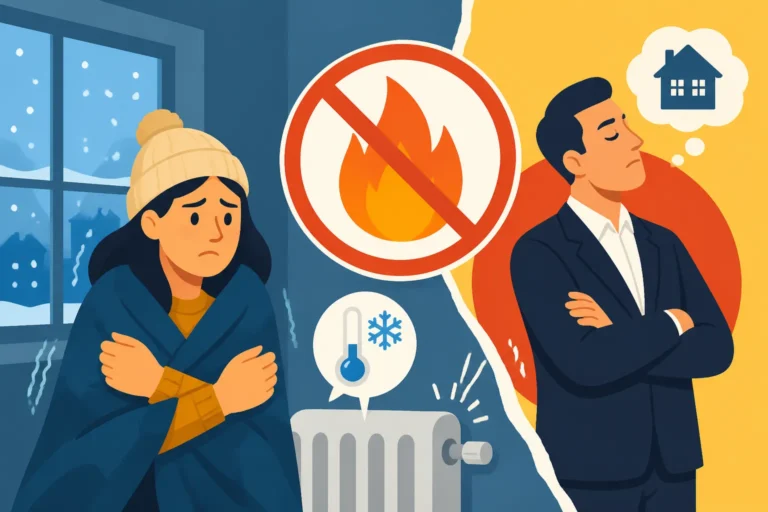
There's nothing quite like the chilling realization that your heat has gone out, especially when an Illinois winter is in full swing. It's not just an inconvenience; it can be a serious health and safety concern. If you're currently bundling up inside your own home, feeling frustrated and unsure of your next steps, you're in the right place. This comprehensive guide will walk you through your tenant rights when facing a no-heat situation in Illinois, outlining exactly what your landlord is responsible for and the concrete actions you can take to get warm again.
Understanding Illinois Landlord Responsibilities for Heat
When you rent a home or apartment in Illinois, you're not just paying for four walls and a roof. You're paying for a habitable living space, and in a climate like ours, that absolutely includes adequate heating. Landlords have a fundamental legal obligation to ensure their rental properties meet basic health and safety standards, and a working heating system is a huge part of that.
The Implied Warranty of Habitability in Illinois
The "implied warranty of habitability" is a fancy legal term, but what it boils down to is simple: your landlord promises, just by renting to you, that the property is fit for human habitation. This isn't usually written out in your lease, but it's a core principle of landlord-tenant law in Illinois. It means the property must be safe, clean, and structurally sound, with essential services like running water, electricity, and, critically, heat. When your heat goes out, especially in cold weather, it directly violates this warranty, rendering your home potentially uninhabitable.
For instance, imagine it's January in Springfield, and the temperatures are plummeting below freezing. If your furnace suddenly stops working, your landlord isn't just "being nice" by fixing it; they are fulfilling a basic legal duty. Failure to provide heat jeopardizes your safety, and often, the integrity of the property itself, with risks like frozen pipes that could burst. This warranty is a cornerstone of your tenant rights, and understanding it is your first line of defense. Knowing that your landlord must provide heat, rather than just should, changes the dynamic of any conversation you might have with them.
Specific Heating Requirements
While the statewide implied warranty of habitability sets the general expectation, some areas in Illinois, particularly larger cities, have specific ordinances that provide even more detailed requirements for heating. The most well-known example is the City of Chicago. Under the Chicago Residential Landlord and Tenant Ordinance (CRLTO), landlords in the city have very precise rules to follow regarding heat provision.
Specifically, from September 15th through June 1st of each year, landlords in Chicago must ensure the indoor temperature in rental units remains at least 68 degrees Fahrenheit between 8:30 AM and 10:30 PM. Overnight, from 10:30 PM to 8:30 AM, the temperature must not fall below 66 degrees Fahrenheit. This isn't a suggestion; it's a legal mandate. If your apartment in Chicago falls below these thresholds during those months, your landlord is in direct violation. Outside of Chicago, while there might not be specific temperature minimums dictated by local ordinance, the general standard of "adequate heat" under the implied warranty of habitability still applies, meaning enough heat to keep the dwelling safe and reasonably comfortable given the external conditions. Always check your specific city or county housing codes, as they might have their own rules.
What to Do When Your Heat Goes Out: A Step-by-Step Guide
The moment you discover your heat isn't working, it's easy to panic, especially if it's freezing outside. But staying calm and following a clear, documented process is crucial. This isn't just about getting warm; it's about protecting your rights and building a strong case if your landlord doesn't respond promptly.
Documenting the Issue
The first, and perhaps most critical, step is to document everything. Think of yourself as a detective gathering evidence. Take photos and videos of the thermostat showing the low temperature inside your unit. Note the exact date and time. If possible, show a thermometer reading from inside your unit compared to the outdoor temperature, if it’s significantly colder inside.
Make notes about when you first noticed the issue, the outdoor temperature, and any attempts you've made to troubleshoot (e.g., checking the circuit breaker, ensuring the thermostat is set correctly). If you have a roommate, have them also take notes and photos. The more objective evidence you have, the stronger your position will be. This documentation will serve as undeniable proof should you need to escalate the situation later, helping to prevent your landlord from claiming they weren't aware or that the issue wasn't severe. Even if your landlord uses a property management system like TurboTenant, where repair requests are logged, having your own independent records is always a good practice.
Notifying Your Landlord in Writing
Once you've documented the problem, immediately notify your landlord. And I mean immediately – this isn't the time for a casual phone call. While a quick call might get the ball rolling, always follow up with written notice. This written notification is your legal proof that you informed your landlord of the problem and the date you did so.
Your written notice should include:
- The date and time you are sending the notice.
- A clear description of the problem: "The heating system in my unit, Apartment [Your Unit Number] at [Your Address], stopped working on [Date] at approximately [Time]. The indoor temperature is currently [Temperature] degrees Fahrenheit."
- A request for immediate repair.
- Your contact information.
Send this notice via a method that provides proof of delivery. Certified mail with a return receipt is excellent, as is email if your lease specifies email as an acceptable form of communication and you keep a copy. If you're delivering it in person, ask the landlord or property manager to sign and date a copy for your records. Do not assume they know; make sure you tell them directly and in a way that creates a clear paper trail. This written record is essential for demonstrating that you fulfilled your responsibility as a tenant to inform the landlord of a necessary repair.
Following Up and Maintaining Records
After sending your initial notice, give your landlord a "reasonable" amount of time to respond and begin repairs. What constitutes "reasonable" depends heavily on the severity of the issue and the prevailing weather conditions. For a no-heat situation in freezing Illinois weather, "reasonable" is likely a matter of hours, not days. If you're dealing with temperatures in the single digits, expecting a repair within 24-48 hours is absolutely fair.
If you don't hear back or see action within that reasonable timeframe, follow up, again, in writing. Reference your previous communication and reiterate the urgency. Keep a meticulous log of all communications: every phone call (date, time, who you spoke to, what was said), every email, every text message. Save voicemails. This diligent record-keeping is your superpower in these situations. If the landlord sends someone to look at it but no repair happens, document that too. For example, "Maintenance person John Smith visited on [Date] at [Time] but stated he needed a specific part, and the heat remains off." This ongoing paper trail will be invaluable if you need to take further action, providing a clear timeline of events and your landlord's response (or lack thereof).
Your Rights and Recourses if the Landlord Fails to Act
It’s disheartening when you’ve done everything right—documented the problem, notified your landlord in writing—and still, you’re left in the cold. But your rights don't end there. Illinois law provides tenants with specific recourses when a landlord fails to maintain habitable living conditions, including providing heat. However, it's crucial to understand these options fully, as some can be quite complex and carry risks.
Repair and Deduct Options in Illinois
The "repair and deduct" remedy allows you to pay for certain repairs yourself and then deduct the cost from your next rent payment. While this sounds straightforward, it comes with strict legal requirements in Illinois, especially for non-emergency repairs. For non-emergencies, you generally must:
- Provide written notice to your landlord, detailing the defect and demanding repair.
- Allow a "reasonable" time for the landlord to make the repair. The Residential Landlord and Tenant Act in Illinois often considers 14 days to be a reasonable timeframe for non-emergency issues, but for a lack of heat, this period would be much shorter, potentially 24-72 hours, especially in severe cold.
- If the landlord fails to act, you can then have the repair made by a qualified professional.
- The cost of the repair cannot exceed the lesser of $500 or half of your monthly rent.
- You must provide your landlord with an itemized statement of the repair costs and copies of receipts when you deduct from your rent.
This option can be empowering, but it's important to be careful. If you don't follow the legal steps precisely, your landlord could claim you withheld rent illegally, leading to potential eviction proceedings. Consider seeking advice from a local tenant advocacy group or legal aid clinic before proceeding with a repair and deduct, especially if the repair cost is substantial or if your landlord has a history of being difficult. For example, if your heat goes out in a Chicago apartment and your landlord doesn't respond within 24 hours during a cold snap, you might contact a licensed HVAC technician, get a quote, and proceed, keeping all receipts. Ensure the repair cost falls within the legal limits.
Withholding Rent and Why It Is Risky
Withholding your full rent in Illinois due to a lack of heat is generally not advisable and carries significant risks. Unlike some other states, Illinois does not have a broad statute explicitly allowing tenants to withhold rent for repairs without court approval, unless they are following the very specific "repair and deduct" rules mentioned above. If you simply stop paying rent, even for a valid reason like no heat, your landlord could initiate eviction proceedings against you for nonpayment.
However, if your apartment becomes truly uninhabitable due to the prolonged lack of heat, you might have grounds for "constructive eviction." This means the conditions are so bad that you are forced to move out. If you successfully prove constructive eviction in court, you might be relieved of your rent obligations and potentially recover damages. But this is a complex legal argument, often requiring you to actually vacate the property, and should only be pursued with legal counsel. It’s a very high-stakes move. Instead of unilaterally withholding rent, always explore other options like reporting to housing authorities or seeking legal guidance, which can often lead to a more favorable and less risky outcome.
Seeking Legal Aid and Reporting Violations
If your landlord remains unresponsive or uncooperative after you've provided written notice, it's time to escalate. Your city or county likely has a housing department or code enforcement office. For instance, in Chicago, you can contact the Department of Buildings. You can file a complaint with these agencies, detailing your landlord's failure to provide heat. They can conduct an inspection and issue citations or orders for your landlord to comply with heating ordinances. This puts pressure on the landlord from a governmental authority.
Additionally, many non-profit organizations and legal aid societies in Illinois specialize in tenant rights. Organizations like Tenant Rights If Landlord Won't Return Deposit or similar legal aid offices can offer free or low-cost advice, help you draft legal letters, or even represent you in court if necessary. Don't underestimate the power of a letter from a legal professional. These groups understand the nuances of Illinois landlord-tenant law and can guide you through the process, helping you understand options like pursuing Suing a Landlord for Your Deposit (Small Claims & Penalties) if you believe you have been wronged. Even if you don't go to court, simply having a third party like a legal aid attorney or city inspector involved can often prompt a reluctant landlord to take action.
Potential Damages and Lease Termination
In severe cases where your landlord's failure to provide heat makes your unit truly uninhabitable and they refuse to fix it, you might have grounds to terminate your lease without penalty. This is a significant step and should only be taken after consulting with legal counsel. If the conditions are so bad that you are forced to move out, you could argue constructive eviction, as mentioned earlier.
Furthermore, you might be able to sue your landlord for damages incurred due to the lack of heat. These damages could include:
- Cost of alternative housing: If you had to stay in a hotel due to the cold.
- Medical expenses: If you or a family member became ill due to the lack of heat.
- Damage to personal property: If pipes burst from the cold and damaged your belongings. (This is where having a renter's insurance policy, perhaps from a provider like Lemonade, would be incredibly helpful for your personal items.)
- Emotional distress: Though harder to prove, it can be a factor in extreme situations.
If you are considering lease termination or suing for damages, gather all your documentation, receipts, and communication records. A strong paper trail is your best friend in these situations. Legal advice from an expert in Illinois landlord-tenant law is critical here to understand the specific thresholds and procedures required to make these claims successfully.
Here’s a quick overview of critical heating requirements in Illinois:
| Jurisdiction | Heating Season Start/End | Minimum Temperature Day (8:30 AM – 10:30 PM) | Minimum Temperature Night (10:30 PM – 8:30 AM) | Notes |
|---|---|---|---|---|
| Chicago | Sep 15 – Jun 1 | 68°F (20°C) | 66°F (19°C) | Specific, enforceable ordinance (CRLTO). Landlords face fines for violations. |
| Rest of IL | General Cold Months | Adequate Heat (Habitable Standard) | Adequate Heat (Habitable Standard) | Implied Warranty of Habitability requires adequate heat. No specific temp. often, but conditions must not endanger health/safety. |
Remember, your landlord has a duty to maintain a habitable property. If you're unsure about the timeframe or specifics of your situation, always check your local ordinances and seek advice from a tenant resource center. Knowing your rights is the first step toward a warm and safe home. You can also explore topics like What Counts as an Emergency Repair? to better understand the urgency expected of your landlord in such situations. For landlords using systems from companies like Steadily, they typically understand these obligations well and often move quickly to address critical issues like heat loss, as delays can lead to severe tenant issues and even property damage.
Disclaimer
Please remember that this article provides general information and guidance regarding landlord-tenant laws in Illinois and is not a substitute for legal advice. Laws can change, and specific situations may have unique legal considerations. If you are facing a no-heat situation or any other landlord-tenant dispute, it is highly recommended that you consult with a qualified attorney or a local tenant advocacy organization in Illinois for advice tailored to your specific circumstances.