Repair and Deduct Laws in Tennessee
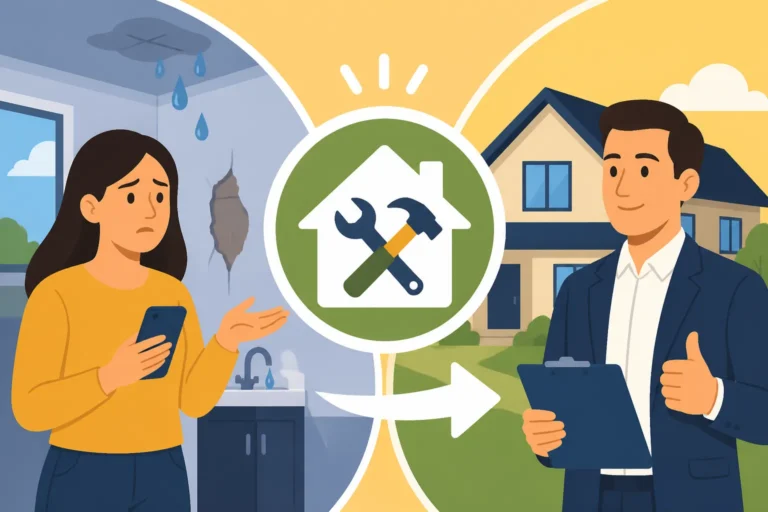
It's incredibly frustrating when you're dealing with essential repairs in your rental home, and your landlord just isn't stepping up. You might be thinking, "Can't I just fix this myself and deduct it from the rent?" It seems like a logical solution, a way to take matters into your own hands when you're left living in uncomfortable or even unsafe conditions. This guide is here to walk you through the specifics of tenant rights and remedies in Tennessee, particularly concerning whether "repair and deduct" is a viable option for you, and what steps you can legally take to get those much-needed repairs addressed.
Understanding the "Repair and Deduct" Concept
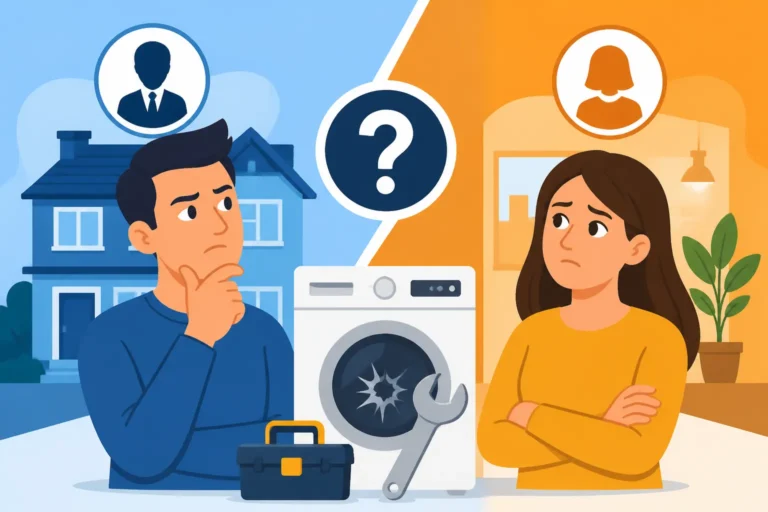
First off, let's talk about what "repair and deduct" generally means in the world of landlord-tenant law. Imagine your oven breaks down, your toilet constantly overflows, or there’s a gaping hole in the roof after a storm. You tell your landlord, but weeks go by, and nothing happens. In states where "repair and deduct" is allowed, a tenant can, after proper notice and a reasonable waiting period, hire a professional to fix the issue or fix it themselves, and then subtract the cost of those repairs from their next rent payment. Sounds pretty straightforward, right? It's a way for tenants to ensure their living conditions are maintained when a landlord fails to uphold their responsibilities. However, it's rarely as simple as it sounds, and the rules vary wildly from state to state.
The General Principle of Repair and Deduct
The underlying principle behind repair and deduct is the "implied warranty of habitability." This is a fancy legal term that basically means landlords have a fundamental duty to provide and maintain a safe, clean, and livable rental property. This isn't usually something written explicitly into every lease; it's implied by law. If a landlord breaches this warranty by failing to make necessary repairs that affect the safety or habitability of the property, some state laws empower tenants to take action, including the repair and deduct remedy. It’s a powerful tool designed to keep landlords accountable.
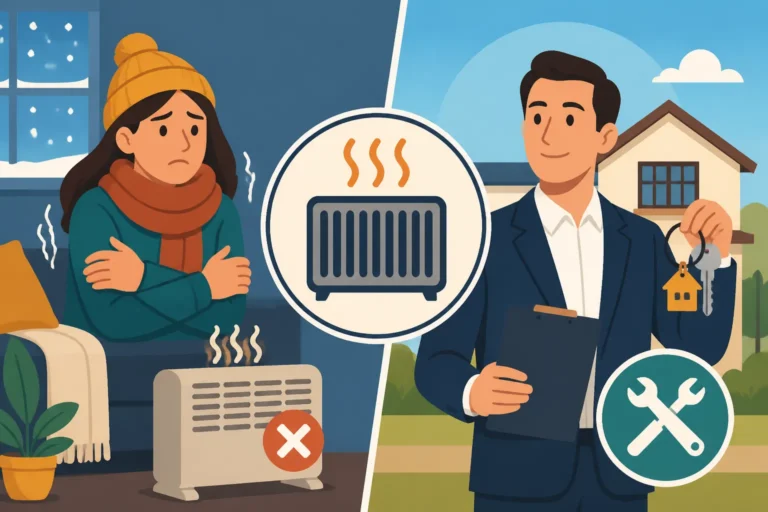
For instance, if your heat goes out in the dead of winter in a state that allows repair and deduct, and your landlord ignores your repeated pleas for days, you might be able to call a licensed HVAC technician, pay for the repair, and then deduct that amount from your rent. The key here is always that the repair must be necessary for habitability, you must give proper notice, and you must give the landlord a reasonable time for repairs by state to fix it themselves first.
Why States Handle It Differently
So, why isn't it a universal right? Well, landlord-tenant laws are a delicate balance of protecting both tenants and property owners. Some states lean more towards tenant protections, recognizing the power imbalance, while others lean towards property owner rights, seeing repair and deduct as a potential for abuse or damage to their investment. The legal landscape can be incredibly complex, and what's perfectly legal in, say, California, could land you in serious trouble in Ohio. This is why understanding your specific state's laws is paramount before taking any self-help actions. Every state has its own nuances regarding what constitutes a "habitable" condition, how much notice is "proper," and what remedies are legally permissible for tenants.
Tennessee's Stance on Repair and Deduct
Now, let's get down to brass tacks about Tennessee. If you're hoping to just fix something and subtract it from your rent, you might be in for a surprise. Generally speaking, Tennessee's Uniform Residential Landlord and Tenant Act (URLTA), which governs many rental agreements across the state (though not all areas have adopted it), does not explicitly provide tenants with the right to "repair and deduct." This can be a tough pill to swallow for tenants who feel helpless when faced with an unresponsive landlord.
Tennessee law emphasizes specific procedures when a landlord fails to maintain the premises. These procedures typically involve formal written notice and, if the issues persist, the option to terminate the lease or pursue legal action for damages. The direct "self-help" remedy of repair and deduct, while common in other jurisdictions, is largely absent from Tennessee's statutory framework for tenants.
What Tennessee Law Says (and Doesn't Say)
The Tennessee Uniform Residential Landlord and Tenant Act outlines the landlord's obligations to maintain fit premises. This includes things like complying with building and housing codes, making all necessary repairs to keep the premises in a fit and habitable condition, maintaining common areas, and keeping essential facilities like plumbing, electricity, and heating in good working order.
When a landlord breaches these duties, the tenant's primary recourse under the URLTA is to provide the landlord with a written notice specifying the breach and requesting that the repairs be made within a certain timeframe (usually 14 days, or less for emergencies). If the landlord fails to remedy the situation within that notice period, the tenant may then have the right to terminate the lease. This is a significant step, as it means moving out and potentially finding a new place to live, rather than simply getting the current problem fixed.
What you won't find clearly stated in Tennessee statutes is a provision allowing tenants to pay for repairs and then subtract those costs from their rent payment. Attempting to do so without a court order could be considered a violation of your lease agreement, potentially leading to an eviction notice for non-payment of rent. This is why it's crucial to understand the rules before acting on what might seem like common sense.
Potential Consequences of Unauthorized Deductions
Imagine you decide to fix a leaky faucet that's been dripping for months, costing you an extra $100 on your water bill. You hire a plumber, pay the $150 bill, and then subtract $150 from your next month's rent. In many other states, if done correctly, this might be perfectly legal. In Tennessee, however, your landlord could argue that you failed to pay the full rent. This could lead to a "Pay or Quit" notice, demanding the unpaid portion of the rent (the $150 you deducted), and if you don't pay it, the landlord could initiate eviction proceedings.
Nobody wants to face an eviction, especially when you're just trying to make your home livable. This is why knowing that Tennessee does not generally permit repair and deduct is so important. Tenants need to understand the formal channels and remedies available to them to avoid jeopardizing their tenancy. Landlords, too, need to be aware of their responsibilities to avoid disputes that could lead to lease termination or legal battles. Tools like TurboTenant can help landlords keep track of their obligations and communicate effectively with tenants, potentially preventing these situations.
Legal Alternatives for Tenants in Tennessee
So, if "repair and deduct" isn't generally an option, what can you do when your landlord in Tennessee isn't making necessary repairs? Don't despair; you still have rights and remedies under the law. It just means you have to follow specific procedures that protect you and stay within legal boundaries.
Formal Written Notice is Your First Step
This cannot be stressed enough: always put your repair requests in writing. A casual text message or a verbal conversation won't cut it in a legal dispute. You need a paper trail. Your written notice should:
- Clearly describe the problem: Be specific. Instead of "the bathroom is leaky," write "the pipe under the bathroom sink has a steady drip, causing water to pool on the floor and damage the cabinet beneath."
- State the impact: Explain how the issue affects your ability to live in the unit (e.g., "The lack of hot water makes showering impossible and impacts sanitation").
- Reference the lease/law: Politely remind the landlord of their obligation to maintain a habitable premises under the lease agreement and Tennessee law.
- Request a specific timeline: Ask for the repair to be made within a reasonable timeframe, typically 14 days for non-emergencies, or much sooner for urgent issues like no heat in winter.
- Date and sign: Keep a copy for your records and send it via certified mail with a return receipt requested, or deliver it in person and get a dated signature from the landlord or their agent. This proves they received it.
This formal notice is your foundation. It puts the landlord on the clock and creates crucial documentation if further action is needed. Check out our guide on How to Request Repairs in Writing for detailed instructions and templates.
Lease Termination for Material Noncompliance
If you've given proper written notice, and your landlord still fails to make the necessary repairs within the specified timeframe (usually 14 days for non-emergencies, but less for things like no heat or no hot water), Tennessee law, under the URLTA, allows you to terminate your lease agreement. This is a significant step and should not be taken lightly.
Before you terminate, make sure the breach of the lease or the failure to repair is material. A loose doorknob might be annoying, but it's probably not "material" enough to terminate your lease. A lack of working heat in freezing temperatures, a persistent sewage backup, or a gaping hole in the roof that leads to flooding would likely be considered material breaches of the landlord's duty to provide a habitable living space. You must also remember to follow the proper notice requirements for termination, usually by providing another written notice stating your intent to vacate due to the unremedied breach.
It's important to have all your ducks in a row – documentation of the problem, copies of all notices sent to the landlord, and proof of delivery – before taking this step. If you incorrectly terminate your lease, you could be liable for future rent payments.
Suing for Damages
Another avenue is to sue your landlord for actual damages. This usually means going to small claims court. You could sue for:
- Cost of repairs: If you did end up paying for repairs out-of-pocket (though this is risky if you then deduct from rent), you could seek reimbursement.
- Reduced value of the property: If you lived for a period without a crucial amenity (like a working kitchen or bathroom), you could argue that the fair market value of your rental unit was reduced during that time, and you are owed the difference in rent.
- Property damage: If the unrepaired issue caused damage to your personal belongings (e.g., a leaky roof ruined your furniture), you could sue for the cost of replacement. However, this is where renter's insurance from providers like Lemonade could be a lifesaver, as it often covers damage to your personal property from perils like leaks or burst pipes, regardless of landlord negligence (though you'd still want the landlord to fix the source).
Going to court can be time-consuming and stressful, but it can be an effective way to hold a landlord accountable. You'll need meticulous records of communication, photographs or videos of the damage, and any receipts for expenses incurred. Our guide on How to Document Repair Problems provides excellent advice on gathering evidence.
Withholding Rent (with Extreme Caution)
While Tennessee law doesn't explicitly permit "repair and deduct," some tenants might consider withholding rent as a last resort. However, this is EXTREMELY risky in Tennessee and can quickly lead to eviction. Unlike some other states, Tennessee does not have a statutory "rent escrow" provision where you can legally withhold rent and put it into a separate account until repairs are made.
If you withhold rent in Tennessee, even for valid repair issues, your landlord can serve you a 14-day notice to pay rent or quit. If you don't pay, they can file an eviction lawsuit. A judge might be sympathetic to your plight if the conditions were truly uninhabitable, but they might still rule that you failed to pay rent. The safest approach, if you believe conditions are truly uninhabitable and your landlord is unresponsive, is to pursue lease termination or sue for damages rather than withholding rent. If you are considering withholding rent, it's highly advisable to consult with an attorney first to understand the specific risks and potential defenses.
What is Considered an Uninhabitable Condition in Tennessee?
Understanding what legally constitutes an "uninhabitable condition" is critical in Tennessee, especially since it forms the basis for legal action like lease termination. It’s not just about what’s annoying; it’s about what impacts your health, safety, and ability to live reasonably in the property.
Core Elements of Habitability
Tennessee’s URLTA (where applicable) sets out specific landlord responsibilities that define a habitable living space. These include:
- Structural Soundness: The roof, walls, and foundation must be structurally safe and provide adequate shelter from the elements. This means no major leaks, sagging ceilings, or crumbling walls.
- Working Utilities: Essential utilities like plumbing, electricity, and heating must be in good, safe working order. This includes providing reasonable heat in winter and hot and cold running water.
- Pest Control: The property must be free from significant infestations of pests like rodents, cockroaches, or bedbugs, especially in common areas or if the infestation originated before you moved in.
- Sanitation: All common areas must be kept clean and safe, and facilities for waste removal should be provided.
- Safety and Security: This includes maintaining locks on doors and windows to ensure tenant safety.
A single broken appliance, while inconvenient, usually doesn't make a home uninhabitable. However, a major issue like a burst pipe causing significant water damage, a non-functional furnace in winter, or severe structural damage could definitely cross that line.
Examples of Uninhabitable Conditions
Let's look at some real-world examples:
- No Heat in Winter: If your furnace breaks in January in Nashville, and your landlord drags their feet for weeks, that's a clear habitability issue. Your landlord must provide reasonable heat, and prolonged periods without it in cold weather make the unit uninhabitable.
- Major Plumbing Issues: A constant sewage backup in your bathroom or a significant leak that causes flooding and mold growth would render a unit uninhabitable. A dripping faucet, while irritating, likely wouldn't qualify on its own.
- Electrical Hazards: Exposed wiring, frequent power outages not caused by the utility company, or non-functioning essential outlets could pose serious safety risks.
- Severe Pest Infestations: A widespread bedbug infestation that the landlord refuses to address, or a rat problem that makes the kitchen unusable, would certainly impact habitability.
- Structural Damage: A gaping hole in the roof that allows rain to pour in, or a collapsing floor, are obvious habitability issues that compromise the safety and integrity of the home.
It’s important to remember that minor inconveniences or issues caused by the tenant's negligence typically don't count. For more context on what conditions apply, you can refer to our guide, What Is Considered Uninhabitable?.
Proactive Measures and Prevention
Navigating repair issues with a landlord can be a minefield, but there are proactive steps you can take to protect yourself from the start, and things landlords can do to prevent these disputes from escalating.
Document Everything from Day One
The single most important thing you can do as a tenant is to document everything.
- Move-In Inspection: Before you even move your furniture in, conduct a thorough Move-In / Move-Out Inspection Guide. Take clear, timestamped photos and videos of every room, every appliance, every surface. Note any existing damage, no matter how small. Have your landlord sign off on a written inspection checklist. This proves the condition of the property when you took possession.
- Communication: Keep copies of all written communication with your landlord about repairs. Emails, certified letters, maintenance request forms – all of it. If you have phone conversations, follow up with an email summarizing what was discussed. "Just following up on our call from Tuesday regarding the broken refrigerator; you mentioned a technician would be out by Friday. Please confirm."
- Damage/Repair Issues: If a new issue arises, document it immediately. Take photos and videos of the problem, showing the date if possible. If you send a repair request, keep a copy. If the landlord makes a repair, document that too.
This extensive documentation serves as your evidence if you ever need to pursue legal action or defend yourself against accusations of damage.
Renter's Insurance as a Safety Net
While your landlord is responsible for maintaining the property, their insurance policy (which a property management service like Steadily might help them manage) usually only covers the dwelling itself. It does not cover your personal belongings. This is where renter's insurance comes in.
A good renter's insurance policy, like those offered by Lemonade, can protect your personal property against common perils such as fire, theft, vandalism, and certain types of water damage. For example, if your landlord's plumbing issue leads to a pipe bursting and ruining your computer and furniture, your renter's insurance policy would typically cover the cost of replacing your items, even if your landlord eventually covers the structural damage. This can be a huge relief, especially if you're battling an unresponsive landlord. It's a small monthly cost for significant peace of mind.
Understanding Your Lease Agreement
Before signing anything, thoroughly read your lease agreement. This document outlines the rights and responsibilities of both you and your landlord. Pay close attention to sections on:
- Repair Procedures: Does it specify how to request repairs, who to contact, and what timelines apply?
- Maintenance Responsibilities: Does it clearly delineate what the landlord maintains versus what the tenant is responsible for (e.g., changing light bulbs vs. fixing major appliances)?
- Termination Clauses: Understand the conditions under which you or the landlord can terminate the lease.
If anything in the lease seems unclear or contradictory to Tennessee's landlord-tenant laws, don't hesitate to ask for clarification or seek legal advice before signing. Remember, your lease is a legally binding contract, and understanding its terms is your first line of defense.
Landlord Responsibilities and Avoiding Disputes
It's not just tenants who have responsibilities; landlords in Tennessee have a clear legal duty to maintain their properties. When landlords neglect these duties, they not only create miserable living situations for their tenants but also open themselves up to potential legal issues.
Adhering to the Implied Warranty of Habitability
As mentioned earlier, landlords in Tennessee, particularly in jurisdictions that have adopted the URLTA, are bound by an implied warranty of habitability. This means they must:
- Comply with building and housing codes: This ensures the property meets minimum health and safety standards.
- Make all repairs: This includes structural, plumbing, electrical, and heating repairs to keep the premises fit and livable.
- Maintain common areas: Keep hallways, stairwells, and shared spaces clean and safe.
- Provide essential services: Ensure access to running water, reasonable amounts of hot water, and heat (during cold months).
A proactive landlord uses a detailed maintenance schedule and responds promptly to tenant repair requests. They understand that a well-maintained property leads to happier tenants, fewer turnovers, and ultimately, a more profitable investment. Landlords can utilize platforms like TurboTenant to streamline communication and maintenance requests, ensuring they fulfill their obligations efficiently.
Timely Response to Repair Requests
One of the biggest sources of friction between landlords and tenants is slow or nonexistent responses to repair requests. While Tennessee law typically gives landlords 14 days to fix non-emergency issues after receiving written notice, a truly effective landlord will strive to respond much quicker, especially for pressing issues.
Consider a situation where a tenant reports a major leak. If the landlord waits the full 14 days, the damage could worsen significantly, potentially leading to more extensive and costly repairs, not to mention a frustrated tenant. Responding within 24-48 hours to acknowledge the request and set an expectation for when a repair person will arrive goes a long way. For emergencies like burst pipes, no heat, or electrical hazards, immediate action is paramount. Landlords should have a network of reliable contractors or a property management team ready to deploy.
Avoiding Retaliation
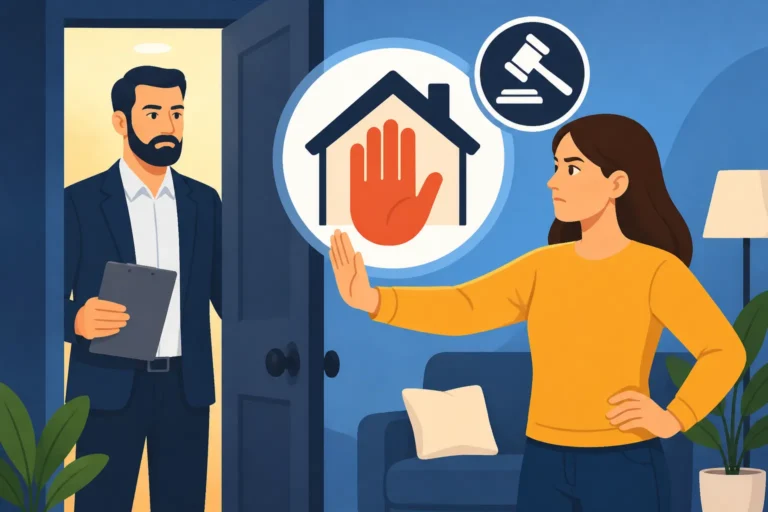
A crucial aspect of landlord-tenant law is preventing landlord retaliation. It is illegal for a landlord to retaliate against a tenant for exercising their legal rights. This includes things like:
- Raising rent: Arbitrarily raising rent without proper notice or justification immediately after a tenant complains about repairs.
- Decreasing services: Cutting off utilities (illegally) or removing amenities after a repair request.
- Issuing an eviction notice: Trying to evict a tenant simply because they asked for repairs or reported a code violation.
- Refusing to renew lease: Choosing not to renew a lease solely because a tenant asserted their rights.
Tennessee law protects tenants from such retaliatory actions, typically for a period of 120 days after the tenant's protected action. If you believe your landlord is retaliating, it's another situation where detailed documentation and legal advice are essential. Our resource on Landlord Retaliation After a Repair Request dives deeper into this topic.
Taking a proactive, legally compliant approach benefits both parties in a rental agreement. Tenants get a safe home, and landlords protect their investment and reputation.
| Action | Tenant's Right/Remedy in Tennessee (URLTA) | Key Considerations & Risks |
|---|---|---|
| Repair and Deduct | Generally NOT permitted by statute. | Can be considered non-payment of rent, leading to eviction. |
| Provide Written Notice for Repairs | Required first step for most remedies. | Must be specific, formal, and sent with proof of delivery. |
| Terminate Lease | Permitted if landlord fails to remedy material breach after notice. | Only for material breaches; improper termination can lead to liability for future rent. |
| Sue for Damages | Permitted for actual damages resulting from landlord's breach. | Requires meticulous documentation; court process can be lengthy and costly. |
| Withhold Rent | Generally NOT permitted by statute (no escrow account). | Highly risky; can lead to immediate eviction proceedings for non-payment. |
| Report to Housing Authorities | Permitted if property violates health/safety codes. | Can trigger inspections and orders for landlord to repair. |
Disclaimer
Please remember that this article provides general information and is not a substitute for legal advice. Landlord-tenant laws can be complex and vary based on your specific location within Tennessee and whether the Uniform Residential Landlord and Tenant Act (URLTA) applies to your rental agreement. Always consult with a qualified attorney or legal aid organization for advice tailored to your individual situation.