Who Is Responsible for Plumbing Repairs?
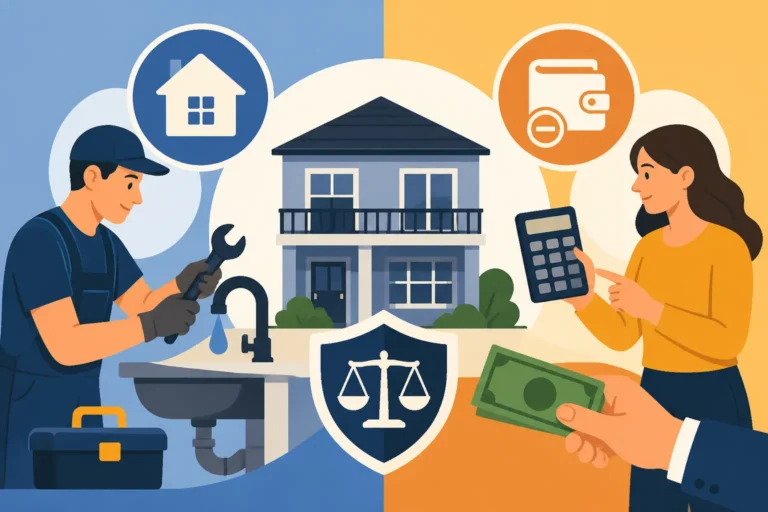
There’s nothing quite like the stomach-dropping feeling of discovering a stubborn clog, a persistent leak, or, heaven forbid, a full-blown burst pipe in your rental home. Plumbing problems are not only an enormous nuisance but can also lead to significant damage and costly repairs. The big question that immediately pops into everyone's head is always, "Whose job is it to fix this?" This guide will meticulously break down the typical responsibilities for plumbing repairs between landlords and tenants, helping you navigate these watery woes with confidence and clarity.
The Landlord's Core Responsibilities for Plumbing
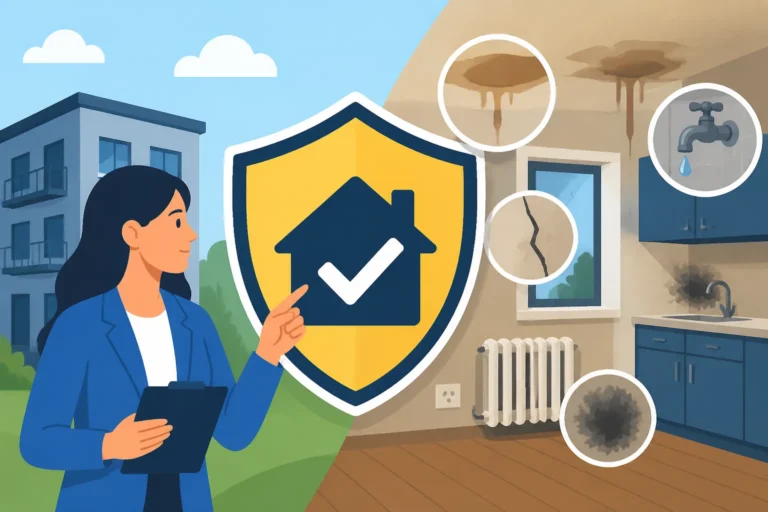
When you rent a property, you're not just renting four walls and a roof; you're renting a habitable living space. This fundamental concept, often enshrined as the "implied warranty of habitability," is the bedrock of a landlord's responsibility to maintain a safe and functioning home, and plumbing is a huge part of that.
Maintaining Habitability and Essential Services
A landlord's primary duty is to ensure the rental unit is fit for human occupation, which unequivocally includes a functioning plumbing system. This isn't just about having running water; it means hot and cold water, proper drainage, and sanitary facilities. Imagine moving into an apartment where the toilet constantly backs up, or there's no hot water for showers – that's a direct violation of habitability standards. Landlords are generally on the hook for major plumbing infrastructure. This includes main sewer lines, water supply pipes leading to the unit, and fixtures that are part of the original installation like water heaters, sinks, bathtubs, and toilets.
Consider a scenario in a multi-unit building in, say, downtown Boston. If the main sewer line shared by several apartments gets backed up due to tree roots or a structural issue, that’s almost certainly the landlord's problem. It's an issue with the building's core systems, not something a single tenant could have caused or is responsible for fixing. Your landlord is obligated to ensure these vital systems are in good working order. Without them, the property simply isn't livable. For more detailed information on what landlords must fix, you might want to read our guide on Landlord Repair Responsibilities What They Must Fix.
Addressing Pre-Existing Issues and Major System Failures
Landlords are responsible for ensuring that all plumbing systems are in good working order before a tenant moves in. This means no leaky pipes, no slow drains that were already present, and no faulty water heaters on day one. If a major system like the water heater suddenly gives out due to age or a manufacturing defect, that's almost universally the landlord's responsibility. These are big-ticket items that are part of the property's infrastructure, not tenant-caused damage.
Let's say you've just moved into a charming old house in Portland, Oregon, and a month later, the ancient cast-iron pipes under the kitchen sink spring a leak due to corrosion. This wasn't something you did; it's a structural integrity issue related to the property's age and maintenance. Your landlord would be responsible for calling in a professional plumber to address this. Landlords, especially those managing multiple properties, often rely on property management tools or services from companies like TurboTenant to keep track of maintenance requests and ensure timely responses to critical repairs. They need to stay on top of these things to avoid larger, more expensive problems down the line.
The Tenant's Role in Plumbing Maintenance and Damage Prevention
While landlords bear the brunt of responsibility for major plumbing systems, tenants also have crucial roles to play. It's a two-way street when it comes to keeping a rental in good shape, and plumbing is no exception.
Preventing Clogs and Misuse
Tenants are generally responsible for preventing damage that arises from their own negligence or misuse of the plumbing system. The most common culprit? Clogs. Flushing inappropriate items down toilets (think wet wipes, paper towels, hygiene products, or excessive toilet paper) or pouring grease down kitchen sinks can lead to significant blockages. If a plumber determines that a clog was caused by tenant misuse, the tenant will likely be on the hook for the repair bill. This also extends to careful use of garbage disposals – no bones, coffee grounds, or fibrous vegetables!
Imagine you're living in a cozy apartment in Austin, Texas. You've been routinely flushing "flushable" wipes down the toilet. One day, your toilet overflows. The plumber arrives, snakes the drain, and pulls out a massive wad of these wipes. In this scenario, because the clog was directly caused by items you introduced into the system, the cost of the plumber's visit and the repair would fall to you, the tenant. It's a fine line, but understanding what not to put down your drains can save you a lot of hassle and money. You can learn more about differentiating tenant-caused damage from typical wear and tear in our comprehensive guide on Normal Wear and Tear vs Damage Complete Guide.
Reporting Issues Promptly
One of the most critical responsibilities of a tenant is to report any plumbing issues to their landlord immediately. Ignoring a small drip under the sink or a slow-draining tub can escalate a minor problem into a major disaster, like extensive water damage, mold growth, or a catastrophic burst pipe. If a tenant fails to report an issue, and that issue worsens due to their inaction, they could be held responsible for the additional damage and associated repair costs.
Let's consider a quiet suburb of Phoenix. You notice a small, persistent leak under your bathroom sink. It's just a drip, so you put a bucket under it and forget to tell your landlord for a few weeks. By the time you finally get around to reporting it, the constant moisture has caused the cabinet floor to rot, attracting pests and creating a breeding ground for mold. In this case, while the initial leak might have been the landlord's responsibility, your delay in reporting it contributed significantly to the increased damage, and you could be liable for the exacerbated costs. This highlights the importance of timely communication, preferably in writing, which we’ll delve into later.
Common Plumbing Scenarios and Responsibility Breakdown
Plumbing problems come in all shapes and sizes, and determining responsibility often hinges on the specific nature and cause of the issue. Let's break down some of the most common scenarios.
Clogged Drains and Toilets
This is perhaps the most frequent plumbing headache. For simple clogs in a single sink, tub, or toilet, the responsibility usually falls to the tenant, especially if it's due to hair, soap scum, or foreign objects flushed down. Tenants are generally expected to attempt basic remedies like using a plunger or a small drain snake. However, if the clog is deeper within the building's shared pipes, affects multiple fixtures across different units, or is caused by a structural defect in the plumbing, then it's typically the landlord's responsibility.
Imagine a tenant in a bustling apartment complex in Miami, Florida. Their bathroom sink drain is constantly slow, despite their best efforts with a plunger and store-bought drain cleaner. It turns out the issue is a buildup of mineral deposits in the older pipes leading to the main stack, a common problem in an older building with hard water. This isn't tenant-caused; it's a system issue. In this instance, the landlord would need to bring in a professional for hydro-jetting or even pipe replacement. However, if the tenant consistently dumps cooking grease down the kitchen sink, causing a localized clog, that's clearly on them. This distinction between tenant misuse and systemic failure is critical.
Leaky Faucets, Pipes, and Water Heaters
Leaks can range from annoying drips to destructive floods, and determining who pays depends heavily on the cause.
- Faucets: A dripping faucet often indicates a worn-out washer or O-ring. If the faucet was installed by the landlord and the wear and tear are simply due to age, it's generally the landlord's responsibility to repair or replace it. However, if a tenant tries to "fix" it themselves and causes further damage, they might become liable.
- Pipes: Leaky pipes are almost always the landlord's responsibility, particularly if they are behind walls, under floors, or part of the main water supply or drainage system. These are structural components of the property. For example, a hidden pipe burst in a wall in your Philadelphia rental is a landlord's problem, requiring them to address the leak and any resulting damage like ruined drywall or flooring.
- Water Heaters: If the water heater fails due to age, corrosion, or a mechanical defect, the landlord is responsible for its repair or replacement. This is a crucial appliance for habitability. If, however, the tenant somehow damages the water heater through negligence (e.g., tampering with it, striking it with heavy objects), then the tenant might be responsible. When there's Tenant Rights With No Hot Water by State, it usually falls under the landlord's responsibility to rectify quickly. Landlords often leverage services from companies like Steadily to help manage property maintenance and ensure such critical appliances are kept in good repair, protecting their investment and their tenants' well-being.
Burst Pipes and Extreme Weather Damage
Burst pipes are emergency plumbing situations that can cause catastrophic damage very quickly. In almost all cases, a burst pipe due to freezing temperatures, pressure issues, or pipe deterioration is the landlord's responsibility. This is a structural failure or an issue related to the building's integrity and maintenance. The landlord is expected to take preventative measures against freezing in cold climates, such as ensuring proper insulation and heating.
Consider a brutal winter storm that sweeps through Upstate New York, causing pipes to freeze and burst in a rental property. This would typically be the landlord's responsibility, as maintaining the structural integrity and protection against common environmental hazards falls under their purview. However, if a tenant left a window wide open during a severe freeze, directly causing the pipes in that area to burst, the responsibility could shift to the tenant due to their negligence. Understanding What Counts as an Emergency Repair? is crucial here, as these situations demand immediate attention to mitigate damage.
Documenting Plumbing Problems and Communication
When a plumbing issue arises, clear and consistent communication, backed by solid documentation, is your best friend. This applies equally to both landlords and tenants. It protects everyone involved and provides a clear record if a dispute ever arises.
The Importance of Written Communication
Never rely solely on verbal conversations when reporting or addressing plumbing issues. Always follow up a phone call with a written message, whether it’s an email, text, or formal letter. This creates a paper trail, establishing when the issue was reported, what the issue was, and any agreed-upon actions. Without written records, it becomes a "he said, she said" situation, which is incredibly difficult to prove in court.
For example, if you call your landlord in Chicago about a running toilet, immediately send a follow-up email stating, "Following up on our phone call today regarding the running toilet in my unit. As discussed, the toilet has been constantly running, wasting water, and I wanted to ensure you received this report in writing. Please let me know the expected timeline for repair." This simple step can save you immense headaches later. Landlords, in turn, should acknowledge these reports in writing and provide updates on repair schedules. Many landlords use online portals or communication features in property management software to streamline this, as detailed in our guide on How to Request Repairs in Writing.
Evidence Collection and Timelines
When a plumbing problem occurs, collect as much evidence as possible. Take clear photos and videos of the issue, including the source of the leak, any visible damage (water stains, warped flooring, mold), and the affected areas. Note the date and time of these records. Keep receipts for any temporary measures you had to take, like buying a bucket or absorbent towels. This detailed documentation is invaluable if you need to dispute charges or justify actions like pursuing a Repair and Deduct by State remedy.
You should also keep a detailed log of all communications, including dates, times, names of people you spoke with, and summaries of conversations. Document the timeline of events: when you reported it, when the landlord responded, when a repair person was scheduled, and when the repair was completed. This is crucial for establishing if your landlord met their obligations within a "reasonable time frame," a key factor in many states' landlord-tenant laws. For more on documenting issues, see our guide on How to Document Repair Problems.
What Happens If a Landlord Fails to Act?
It's every tenant's nightmare: you report a serious plumbing issue, and your landlord drags their feet or outright ignores you. When a landlord fails to uphold their responsibility to maintain habitable plumbing, tenants often have legal recourse, though these options should always be approached with extreme caution and, ideally, legal advice.
Repair and Deduct Options
In some states, if a landlord fails to make necessary repairs after receiving proper written notice and a reasonable amount of time has passed, tenants may be allowed to arrange for the repair themselves and deduct the cost from their next rent payment. This is known as "repair and deduct." However, this option is typically reserved for urgent issues that affect habitability and comes with strict legal requirements.
For instance, in California, if your landlord doesn't fix a non-functioning toilet after repeated written requests and a reasonable waiting period, you might be able to use repair and deduct. You'd need to hire a licensed professional, pay for the repair, and then deduct the cost from your rent, usually up to a certain limit (e.g., one month's rent) and often only once or twice a year. It's not a free-for-all; you can't just fix anything and deduct. The rules vary significantly by state, so understanding your local Repair and Deduct by State laws is paramount before considering this option. Missteps could lead to an eviction notice for non-payment of rent.
Withholding Rent with Extreme Caution
Another option, often even more precarious than repair and deduct, is withholding rent. This means placing your rent money into an escrow account (a separate bank account) rather than paying it directly to your landlord, as a way to compel them to make repairs. This is a very serious step and is only legally permissible in certain situations and states, usually when the issue severely impacts the habitability of the unit (e.g., no running water, sewage backup).
For example, if you're in Maryland and the main drain in your kitchen and bathroom is severely clogged, rendering your apartment virtually unusable, and your landlord has ignored repeated requests, you might consider rent escrow. However, you must meticulously follow specific legal procedures, including providing proper written notice and potentially involving a local housing authority. If you improperly withhold rent, your landlord could initiate an eviction process for non-payment. This is why our article, Withholding Rent for Repairs, strongly advises consulting with an attorney or tenant rights organization before taking such a drastic step.
Protecting Yourself: Tenant Insurance and Lease Clauses
Beyond knowing your rights and responsibilities, proactive steps can safeguard you from the financial fallout of plumbing problems. Two key areas are renter's insurance and a thorough understanding of your lease agreement.
Understanding Renter's Insurance
Many tenants mistakenly believe their landlord's property insurance will cover their personal belongings in the event of a flood from a burst pipe or a serious leak. This is a common and costly misconception. A landlord's insurance covers the structure of the building, not your personal possessions inside it. If a pipe bursts and ruins your furniture, electronics, and clothing, your landlord's policy won't pay for replacements.
This is where renter's insurance becomes your financial shield. For a relatively low monthly premium, a policy from providers like Lemonade can cover the cost of replacing your damaged belongings due to perils like water damage from plumbing failures, fire, or theft. It often includes liability coverage too, which protects you if you accidentally cause damage to the property or if someone is injured in your unit. For instance, if your overflowing bathtub causes water damage to the apartment below, your renter's insurance could cover those costs. It's a small investment for significant peace of mind.
Scrutinizing Your Lease Agreement
Your lease agreement is the contract that governs your tenancy, and it should be your first point of reference for understanding plumbing responsibilities. While general landlord-tenant laws set a baseline, specific clauses in your lease can further define who is responsible for what. Always read your lease thoroughly before signing, paying close attention to sections on maintenance, repairs, and tenant responsibilities.
Look for clauses that explicitly state which party is responsible for specific types of plumbing repairs. Does it mention anything about clogs? Does it require you to pay a deductible for certain repairs? What about pest control if leaks lead to infestations? Some leases might try to shift more responsibility onto the tenant than is legally permissible under your state's laws, especially for major structural components covered by the implied warranty of habitability. If you see any ambiguous or seemingly unfair clauses, don't hesitate to ask your landlord for clarification or even legal advice before signing. Understanding your lease and comparing it to broader Security Deposit Laws by State (2026) or How to Break a Lease (Without Penalty Where Possible) can prevent future disputes.
Navigating the Legal Landscape of Plumbing Responsibility
The nuances of landlord-tenant law, especially concerning repairs, can be complex. While the general guidelines outlined here are helpful, specific state and local laws often dictate the finer points of responsibility and the procedures for addressing disputes.
State-Specific Laws and Local Ordinances
Every state has its own set of landlord-tenant laws, and many cities and counties also have local ordinances that can add additional layers of protection or requirements. These laws govern everything from how quickly a landlord must respond to a repair request (e.g., How Long Does a Landlord Have to Make Repairs By State), to what constitutes an emergency repair, and the exact procedures for options like repair and deduct or rent withholding. Some jurisdictions might even have specific rules about who is responsible for things like drain cleaning in older buildings.
For example, in New York City, tenants have strong protections, and landlords are typically required to maintain all plumbing systems in good working order. Local housing codes often specify minimum standards for water pressure, hot water temperature, and drainage. Before taking any action, always research the specific laws that apply to your rental property. Websites for state housing authorities, local tenant unions, or legal aid organizations are excellent resources for understanding these specific rules.
Seeking Professional Legal Counsel
When in doubt, especially with significant plumbing issues that are causing extensive damage or threatening your health and safety, consulting with a tenant rights attorney or a legal aid organization is always the safest bet. They can review your lease, explain your rights under local and state laws, and advise you on the best course of action. A lawyer can help you draft formal notices, negotiate with your landlord, or even represent you in court if necessary.
While this guide provides a comprehensive overview, it is not a substitute for professional legal advice tailored to your specific situation. Acting without a full understanding of the law can have unintended and negative consequences, potentially jeopardizing your tenancy or financial well-being. Getting advice from a legal professional ensures you are making informed decisions and protecting your interests.
Plumbing Responsibility Quick Reference
To help you quickly understand common plumbing situations, here's a handy table outlining typical responsibilities. Remember, your specific lease agreement and local laws may affect these general guidelines.
| Plumbing Issue | Typical Landlord Responsibility | Typical Tenant Responsibility | Key Factors Determining Responsibility |
|---|---|---|---|
| Clogged Sink/Toilet (Single fixture) | Deep clogs in main lines, pre-existing clogs, systemic issues. | Clogs caused by misuse (hair, grease, foreign objects). | Cause of clog, location of clog, pre-existing condition. |
| Leaky Faucet/Showerhead | Wear & tear of landlord-provided fixture, pre-existing leaks. | Damage from tenant tampering, misuse. | Age/condition of fixture, cause of damage. |
| Leaky Pipes (Behind walls/under floors) | Almost always landlord: structural issue, wear & tear, freezing. | Damage from tenant negligence (e.g., drilling into pipes). | Location of pipes, cause of leak. |
| Water Heater Failure | Age, mechanical failure, wear & tear. | Damage from tenant tampering or intentional misuse. | Cause of failure, age of unit. |
| Burst Pipes | Structural defect, inadequate insulation, severe weather (unless tenant negligence). | Tenant negligence (e.g., leaving windows open in freezing weather). | Cause of burst, landlord's preventative measures, tenant actions. |
| Sewage Backup (Main line) | Main sewer line issues, structural defects in plumbing system. | Flushing inappropriate items into common sewer system (if traceable). | Location of backup, cause (building system vs. single unit). |
Disclaimer
Please remember that this article is intended for informational purposes only and should not be considered legal advice. Landlord-tenant laws vary significantly by state and local jurisdiction. Always consult with a qualified legal professional for advice pertaining to your specific situation.