Withholding Rent for Repairs
It's incredibly frustrating when you're diligently paying your rent, but your landlord seems to be dragging their feet—or worse, completely ignoring—essential repairs that make your living situation uncomfortable, unsafe, or even unhealthy. You might start wondering, "Can I just stop paying rent until they fix this?" It’s a thought many tenants have, and for good reason, but navigating the legalities of withholding rent for repairs is a minefield that requires careful steps. This comprehensive guide will walk you through the complexities, risks, and safer alternatives to ensure you protect your rights and your home.
The Frustration of Neglected Repairs and What "Habitable" Truly Means
Living in a rental property comes with an expectation of safety and comfort. When things break down and your landlord doesn't act, it's not just an inconvenience; it can severely impact your daily life and peace of mind.
The Landlord's Core Responsibility: Implied Warranty of Habitability
At the heart of every residential lease, whether it's explicitly written or not, is an understanding known as the "implied warranty of habitability." This isn't just some legal jargon; it's a fundamental promise that your landlord makes: that the property they're renting to you is safe, healthy, and livable. It means the unit must meet basic structural, health, and safety standards. Think of it as the minimum bar for what a home should be.
This warranty requires landlords to maintain the property in a condition fit for human residence. What exactly constitutes "habitable" can vary slightly by state and local ordinances, but generally, it covers fundamental necessities. For instance, if your heating system breaks down in the dead of winter in Chicago, or you have no running water in a Los Angeles apartment, that immediately violates the implied warranty. Serious infestations of pests like cockroaches or rodents, extensive mold growth, a non-functional toilet or shower, or unsafe electrical wiring also fall under this critical standard. On the other hand, a dripping faucet or a slightly peeling paint job, while annoying, typically wouldn't be considered a breach of habitability. It's about severe issues that genuinely make the dwelling unlivable or dangerous. If you want to dive deeper into what your landlord is legally obligated to maintain, take a look at our guide on Implied Warranty of Habitability Explained.
Common Repair Issues That Drive Tenants Crazy
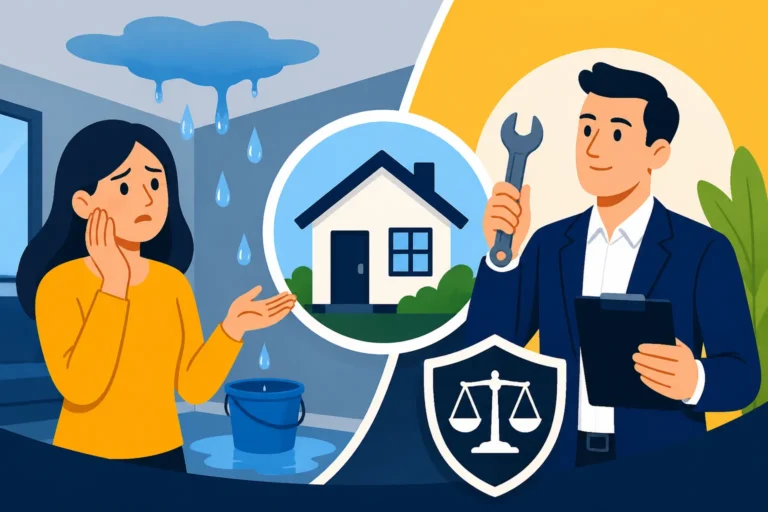
Tenants regularly face a myriad of repair issues, some minor, some absolutely critical. It's the critical ones, especially when ignored, that can truly make life miserable. Imagine coming home to a ceiling leak that's slowly dripping onto your furniture after a heavy rainstorm—a common occurrence in older buildings in places like Boston or Seattle. Or perhaps your refrigerator suddenly gives up the ghost in the middle of a Houston summer, leaving you with spoiled groceries and no way to keep food fresh. These aren't just minor annoyances; they're problems that disrupt your ability to live normally in your own home.
Beyond immediate comfort, there are significant safety and health concerns. Faulty smoke detectors, exposed wiring, or a collapsing floorboard are clear hazards that demand immediate attention. Then there are the persistent problems, like a recurring mold issue in a damp basement apartment in Portland, Oregon, or a chronic pest problem in an older New York City building. These issues, if left unaddressed, can lead to serious health problems or compromise the structural integrity of the property. When a landlord fails to address these kinds of urgent, habitability-affecting repairs within a reasonable timeframe, tenants often feel helpless and trapped, leading them to consider more drastic measures, like withholding rent.
Understanding the Legal Landscape Before You Act
Before you even think about holding back your rent, it's crucial to understand that landlord-tenant law is incredibly nuanced. What seems like a straightforward problem can quickly become a complex legal battle if you don't know the rules.
State-Specific Laws: A Patchwork of Regulations
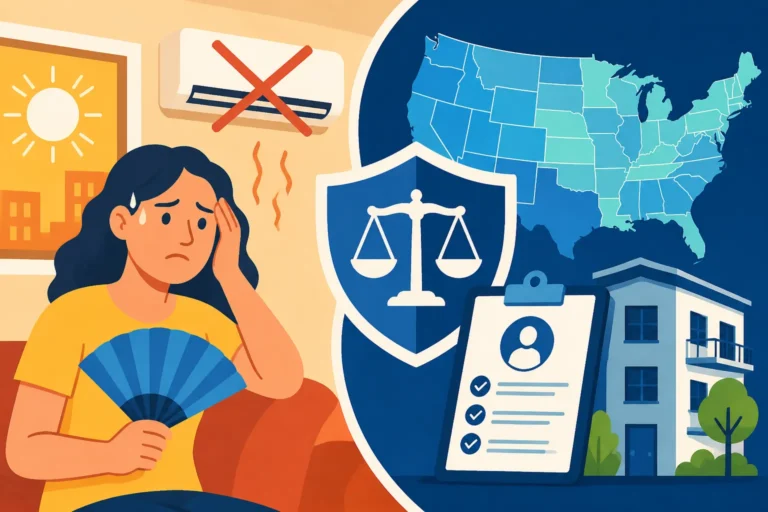
This is probably the most important thing to grasp: there isn't one universal law governing rent withholding in the United States. Landlord-tenant laws are primarily state-specific, and sometimes even vary by city or county. This means what's permissible in California could be strictly forbidden in Texas, and a tactic that works in New Jersey might land you in hot water in Florida. Each state has its own set of rules defining what constitutes an "essential repair," how much time a landlord has to fix it, and what remedies tenants have when those repairs aren't made.
For example, states like California and Massachusetts have specific statutes that outline repair-and-deduct options, sometimes with strict limits on how much can be deducted or how often. Other states, like Alabama, offer very limited (if any) tenant remedies for a landlord's failure to repair, outside of terminating the lease or suing for damages. It's a real patchwork! This is why generic advice can be so dangerous. You absolutely must research your specific state's laws to understand your rights and obligations. Our guide on Landlord Repair Responsibilities What They Must Fix provides a great overview, and for specific timelines, check out How Long Does a Landlord Have to Make Repairs By State. Don't guess; find out the exact rules for your jurisdiction.
Lease Agreement Clauses and Their Impact
While state laws set the foundation, your individual lease agreement is also a critical document. It's the contract between you and your landlord, and it often details specific responsibilities for repairs and maintenance. Many leases will outline a process for reporting repairs, specifying how much notice you need to give and the methods for doing so (e.g., in writing, through an online portal). Some leases might even try to shift certain repair responsibilities to the tenant that, under state law, would typically fall to the landlord.
However, here's the crucial part: a lease agreement cannot override state or federal law, especially when it comes to the implied warranty of habitability. If your lease states you're responsible for fixing a broken furnace, but your state law dictates that landlords must provide adequate heating, the state law will almost always prevail. Any clause in a lease that attempts to waive a tenant's right to a habitable living space is generally considered unenforceable. It's still important to understand what your lease says and to follow its procedures for reporting issues, as failing to do so might weaken your position later. For a deeper understanding of what a comprehensive lease should include, our resource on What to Include in a Lease Agreement can be very helpful.
The Perilous Path of Withholding Rent for Repairs
Okay, so you've got a serious repair issue, you've notified your landlord, and they're still not acting. The idea of withholding rent is tempting, a way to exert pressure, but it's often fraught with legal danger.
When Withholding Rent is (Potentially) Permitted
In a handful of states and under very specific, strict conditions, withholding rent might be an option. However, it's rarely a simple "I won't pay until you fix it" scenario. Generally, for rent withholding to even be considered a legal remedy, these criteria usually must be met:
- Serious Habitability Issue: The repair must relate to a condition that makes the unit uninhabitable or poses a significant health or safety risk. A leaky faucet usually won't cut it, but a lack of heat, a broken sewage pipe, or a major pest infestation might.
- Proper Notice Given: You must inform your landlord of the problem in writing, clearly and specifically. This isn't a casual text or a quick phone call; it needs to be a formal notification, often sent via certified mail with a return receipt requested. This creates a paper trail showing you made a good faith effort to inform them.
- Landlord Failure to Act: Your landlord must have failed to make the repairs within a "reasonable time" after receiving your proper notice. What constitutes "reasonable time" depends on the severity of the issue (an emergency like no heat typically warrants a faster response than a non-emergency).
Even when these conditions are met, outright withholding the entire rent is often frowned upon by courts. Many states prefer or require alternative actions, such as the "repair and deduct" method or depositing rent into an escrow account. The key takeaway here is that withholding rent is almost always a last resort, reserved for the most egregious breaches of habitability, and even then, it's a move that should ideally be made with legal counsel. Our guide on How Long Does a Landlord Have to Make Repairs By State can help you understand those crucial timelines.
The High Risks and Potential Consequences
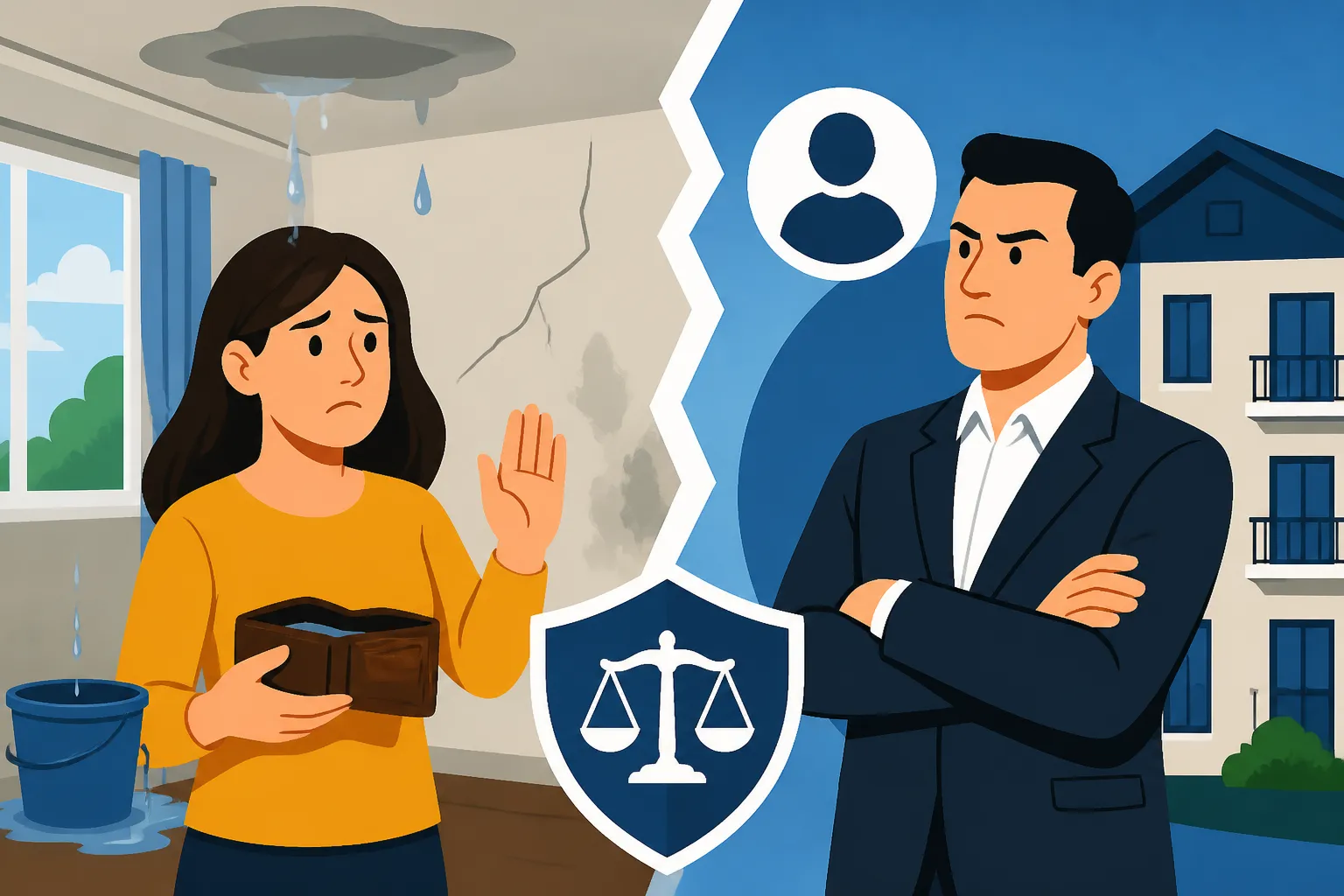
This cannot be stressed enough: withholding rent without strict adherence to your state's laws can have severe and immediate repercussions. The most significant risk is that your landlord could initiate an eviction lawsuit against you for non-payment of rent. Even if you believe you're justified, if a court doesn't agree with your interpretation of the law or your actions, you could find yourself facing an eviction judgment.
An eviction on your record is a serious black mark that can follow you for years, making it incredibly difficult to find future rental housing. Many landlords use tenant screening services like TurboTenant to vet applicants, and an eviction record will almost certainly lead to rejection. Beyond eviction, you could face demands for late fees, legal fees, and court costs, all of which can quickly add up. Your credit score could also take a hit if a judgment is issued against you and remains unpaid.
Imagine you're living in Phoenix, Arizona, and decide to withhold rent because your air conditioning broke in August, and your landlord hasn't fixed it in two weeks. While the lack of AC in that climate is a clear habitability issue, if Arizona law mandates a "repair and deduct" approach rather than outright withholding, you could be setting yourself up for an eviction filing. The legal system doesn't always have a lot of sympathy for tenants who take matters into their own hands outside of prescribed legal channels. Understanding the potential legal steps your landlord might take is important, which you can learn more about in our article on the Eviction Process by State Step-by-Step.
Alternatives to Withholding Rent: Safer Avenues
Given the substantial risks associated with outright withholding rent, many states have established safer, more legally sound alternatives for tenants facing unresponsive landlords. These methods aim to compel repairs while protecting the tenant from immediate eviction for non-payment.
The "Repair and Deduct" Method
The "repair and deduct" remedy is arguably the most common and often explicitly protected alternative to rent withholding in many states, including California, Arizona, and Washington. It empowers tenants to arrange for necessary repairs themselves and then subtract the cost from their next rent payment. However, it's not a carte blanche to fix anything you want. There are usually very specific steps you must follow:
- Notify Your Landlord: Just like with rent withholding, you must provide written notice of the defect to your landlord, allowing them a "reasonable time" to make the repair. This is usually non-negotiable.
- Wait Period: After giving notice, you must wait the legally prescribed amount of time for your landlord to act. This period varies by state and the urgency of the repair; for example, it might be 14-30 days for general repairs, but much shorter for emergencies.
- Get Quotes and Perform Repair: If the landlord fails to make the repair within that timeframe, you can then proceed to have the repair done. It's wise to get multiple quotes from licensed professionals to ensure the cost is reasonable.
- Deduct and Document: Once the repair is complete and paid for, you can deduct the actual and reasonable cost from your next rent payment. You must then send your landlord the remaining rent, along with copies of the repair invoices and proof of payment, explaining the deduction.
Crucially, many states limit how often you can use this method (e.g., once every 12 months) or the maximum amount you can deduct (e.g., one month's rent or a set dollar amount). Abusing this remedy or failing to follow the procedure meticulously can still put you at risk of eviction. To understand the specifics for your area, be sure to consult our guide on Repair and Deduct by State. This method requires diligent record-keeping and a clear understanding of your state's specific limitations.
Rent Escrow and Other Formal Dispute Mechanisms
Another powerful and often safer alternative is utilizing a "rent escrow" account. This isn't available in every state, but where it exists (like in states such as Maryland, Ohio, and Minnesota), it provides a structured legal framework for tenants to address neglected repairs. Instead of simply withholding rent, the tenant pays their rent into a special bank account, usually managed by the court or a neutral third party. The money isn't kept from the landlord; it's held in trust, signaling the tenant's willingness to pay but under protest until the repairs are made.
The process typically involves filing a complaint with the court, demonstrating the landlord's failure to make necessary repairs despite proper notice. The court then oversees the escrow account and may order the landlord to make the repairs. Once repairs are completed, the court will release the funds to the landlord. If the landlord fails to comply, the court might order a portion of the escrowed funds to be returned to the tenant or used for repairs. This method demonstrates good faith from the tenant and prevents an immediate eviction for non-payment, as the rent technically is being paid. For detailed information on this process, see our article on Rent Escrow Process by State.
Beyond escrow, tenants can also report code violations to local housing authorities or building code enforcement offices. These agencies can investigate, issue citations, and even impose fines on landlords who fail to maintain safe and habitable properties. While this doesn't directly affect your rent payment, it creates an official record of the landlord's negligence and can put significant pressure on them to comply with the law.
Seeking Legal Aid and Mediation
Sometimes, the best and safest approach is to seek professional guidance. Consulting with a tenant rights attorney or a legal aid organization (many cities have free or low-cost legal services for tenants) can be invaluable. An attorney can assess your specific situation, inform you of your rights and the available remedies in your state, and help you navigate the complex legal process. They can advise you on the legality of withholding rent or using the repair and deduct method, helping you avoid costly mistakes.
Mediation is another option worth considering. In some jurisdictions, mediation services are available to help landlords and tenants resolve disputes outside of court. A neutral mediator can facilitate communication and help both parties reach an agreeable solution for repairs and rent payments. This can be less adversarial and often quicker than formal legal proceedings, preserving the landlord-tenant relationship where possible.
Step-by-Step: Documenting Your Case Meticulously
Regardless of which path you choose, thorough documentation is your strongest ally. In any dispute, especially one involving withholding rent or repair and deduct, the party with the most comprehensive evidence usually has the upper hand.
Initial Notification: The Power of Written Communication
The first and most crucial step when you notice a repair issue is to inform your landlord, and you must do so in writing. A casual phone call or a quick chat might seem easy, but it leaves no official record. Always put your request in writing, whether it's via email, certified mail, or through an online tenant portal that provides a timestamp.
Your written notice should be clear, concise, and specific. Include:
- The date you are sending the notice.
- Your name and apartment address.
- A detailed description of the problem: "The refrigerator in my kitchen stopped cooling on June 15th, and all food is spoiling" is better than "My fridge is broken."
- The date you first noticed the issue.
- The impact of the problem: "This means I cannot store perishable food, which is a health hazard."
- A request for repair and a reasonable timeframe for the repair to be completed (e.g., "I request that this be repaired within 7 days, or sooner if it's considered an emergency.")
- A statement that you reserve all your rights under state and local landlord-tenant laws.
If sending by mail, use certified mail with a return receipt requested. This provides undeniable proof that your landlord received the notice and when. Keep a copy of the letter for your records. This formal documentation establishes your good faith effort and the landlord's awareness of the problem. For more detailed guidance on crafting these notices, our article How to Request Repairs in Writing is a great resource.
Evidence Collection: Photos, Videos, and Communication Logs
Paperwork alone isn't always enough. You need visual and chronological evidence to back up your claims. Start collecting evidence as soon as you notice a problem and continue to do so throughout the process.
- Photos and Videos: Take clear, date-stamped photos and videos of the damage or defect. Many smartphones automatically add date and time to photos, but if yours doesn't, consider using an app that does. Capture different angles, show the extent of the damage, and if possible, include a newspaper or something else with a visible date to further prove the timeline. For example, if there's a leak, show the water, any resulting damage to property, and place a dated item next to it.
- Communication Log: Maintain a detailed log of all communications with your landlord or property manager. This should include:
- Date and time of every call, email, or text.
- Who you spoke with.
- A summary of what was discussed.
- Any promises or timelines given.
- If you send emails, keep them in a dedicated folder. If you text, screenshot conversations.
- Witness Statements: If a maintenance worker, a friend, or a neighbor has witnessed the issue or your attempts to get it fixed, ask them if they would be willing to provide a statement.
- Receipts: If you have to spend money because of the issue (e.g., buying a space heater because the heat is out, or replacing spoiled food due to a broken refrigerator), keep all receipts. This is especially important if you plan to use the "repair and deduct" method.
Having this robust collection of evidence can make all the difference if your case ever ends up in court. Remember, a picture is worth a thousand words, especially when legal matters are involved. You can find more tips on this in our guide on How to Document Repair Problems.
Understanding "Reasonable Time" for Repairs
The concept of "reasonable time" is frequently cited in landlord-tenant law, but it's often a source of confusion. What one person considers reasonable, another might find completely unacceptable. Generally, "reasonable time" depends heavily on the severity and nature of the repair.
- Emergencies: For issues that pose an immediate threat to health or safety, like no heat in winter (especially in colder climates like Michigan or New England), no hot water, a burst pipe, or significant electrical hazards, a "reasonable time" might be as short as 24 to 72 hours. Some states even mandate specific shorter timelines for critical emergencies.
- Non-Emergencies: For less urgent but still important repairs, such as a broken dishwasher, a leaky faucet, or a loose handrail, "reasonable time" could range from 7 to 30 days.
It's vital to research your specific state's definition of "reasonable time" for various types of repairs, as laws often provide more concrete guidance than just a vague term. Your lease might also specify timelines, but again, state law usually takes precedence for habitability issues. If your landlord consistently misses these deadlines, it strengthens your case that they are failing in their obligations. Our comprehensive article on Reasonable Time for Repairs by State breaks down these crucial timelines for different jurisdictions.
Navigating the Aftermath: What to Expect
Once you've formally notified your landlord and given them time to act, their response (or lack thereof) will dictate your next steps. This period can be stressful, as you're waiting to see if your efforts will lead to a solution or escalate into a conflict.
Landlord's Response: From Compliance to Conflict
There are a few ways your landlord might react after receiving your repair request:
- They Comply and Repair: This is, of course, the best-case scenario. The landlord acknowledges the issue, sends a qualified professional, and the repair is made promptly and correctly. This restores the habitability of your home and maintains a positive landlord-tenant relationship. Sometimes, landlords simply need a firm, clear, written request to spur them into action. Landlords using property management tools like TurboTenant for communication might find it easier to track and respond to such requests, highlighting the importance of clear channels.
- They Ignore or Delay: Unfortunately, many landlords will ignore the request, make excuses, or drag their feet. This is where your diligent documentation becomes critical. If they fail to act within the "reasonable time" stipulated by law, you can then proceed with legal remedies like repair and deduct or rent escrow, assuming these are permitted in your state.
- They Retaliate: This is a concerning, but unfortunately not uncommon, reaction. Some landlords might respond to a repair request with anger or an attempt to punish the tenant. This could manifest as a sudden rent increase, a non-renewal of your lease, or even an attempt to evict you. This is known as retaliatory eviction, and it is illegal in most states. If you suspect your landlord is retaliating, it’s imperative to seek legal counsel immediately. Our guide on Retaliatory Eviction Defense offers crucial information on recognizing and fighting back against such actions.
Understanding these potential responses helps you prepare mentally and legally for what might come next.
Preparing for Court or Negotiation
If your landlord refuses to make necessary repairs, and you've exhausted other options, you might find yourself needing to take legal action or negotiate a resolution. Whether you're pursuing a repair and deduct claim, filing for rent escrow, or defending against an eviction, preparation is paramount.
This means having all your ducks in a row: your initial written notice, certified mail receipts, dated photos and videos of the damage, your communication log, repair invoices, and any other relevant evidence. Presenting a clear, organized, and well-documented case significantly increases your chances of success in court or during negotiations. For instance, if you're in a situation where your landlord has gone silent after you've informed them of a serious leak, and you've decided to proceed with repairs and deduct, having multiple contractor bids and the final paid invoice will be critical to justify your deduction to a judge. In some cases, a well-presented case file might even convince a landlord to settle before a court hearing.
Protecting Your Future Rental Prospects
Even if you successfully navigate a dispute with your current landlord, you need to think about your future. An eviction filing, even if you win the case, can sometimes appear on your tenant screening report and make it harder to secure future housing. This is why many experts recommend using methods like repair and deduct or rent escrow over outright rent withholding, as they demonstrate your continued willingness to pay rent, albeit under protest or specific conditions.
If you are forced to move out due to unaddressed habitability issues (a situation known as constructive eviction, which we'll discuss next), it's important to understand how to explain this to future landlords. Having documentation of your attempts to resolve issues and the uninhabitable conditions will be key. Moreover, protecting your belongings from damage caused by landlord neglect is crucial. Consider carrying renter's insurance from providers like Lemonade; it won't force your landlord to make repairs, but it will provide financial protection for your personal property if, for example, a neglected leaky roof damages your furniture or electronics.
State-Specific Nuances: A Quick Overview
As we've touched upon, the laws surrounding rent withholding and related tenant remedies are anything but uniform. What's legal and encouraged in one state could be a surefire way to get evicted in another.
Key Differences in Rent Withholding Laws
The approaches states take to a landlord's failure to repair vary widely. Some states are very tenant-friendly, providing multiple avenues for redress, while others offer limited options that heavily favor landlords.
- States with Explicit Rent Withholding Provisions: A few states, such as Massachusetts, allow tenants to withhold rent if a landlord fails to make critical repairs after proper notice, but usually only for significant habitability breaches. Even then, the tenant must be prepared to prove the necessity of the repairs in court.
- States Favoring Repair and Deduct: Many states, including California, Washington, and Arizona, explicitly permit the "repair and deduct" remedy, often with strict limits on the cost and frequency. For instance, California generally allows repair and deduct for up to one month's rent, no more than twice in a 12-month period, after proper notice and waiting periods.
- States with Rent Escrow: States like Maryland, Minnesota, and Ohio offer rent escrow as a primary remedy, where tenants can pay rent into a court-supervised account until repairs are made. This protects the tenant from non-payment eviction while pressuring the landlord.
- States with Very Limited or No Provisions: Some states, like Arkansas and Wyoming, have very few, if any, statutory provisions allowing tenants to withhold rent or use repair and deduct. In these states, a tenant's options are often limited to breaking the lease and moving out, or suing the landlord for damages, which can be a much longer and more expensive process.
It’s clear there’s no one-size-fits-all answer. This diversity makes local research absolutely essential.
Here’s a quick overview of how a few states generally approach tenant remedies for repair issues, though this is a simplification and local laws can add further detail:
| State | General Approach to Repair Issues (Post-Notice) | Key Limitations/Conditions |
|---|---|---|
| California | Repair and Deduct, or Abandonment | Deduct up to one month's rent, no more than twice in 12 months. Requires specific notice and waiting periods. |
| Maryland | Rent Escrow (via court petition) | Requires serious habitability defect, proper notice, and court approval to place rent in escrow. |
| Texas | Repair and Deduct (limited), or Lease Termination | Repair and Deduct is only available for serious health/safety issues, after specific notice and waiting. Very strict requirements. |
| New York | Repair and Deduct (judicial interpretation), or Rent Escrow | Limited statutory provisions. "Repair and Deduct" is often a court-granted remedy. Rent Escrow for severe issues through court. |
| Florida | Lease Termination, or Sue for Damages | Does not explicitly permit rent withholding or repair and deduct for most issues. Focus on lease termination for serious breaches. |
| Illinois | Repair and Deduct (limited by judicial interpretation), or Escrow | No statewide statute for repair and deduct. Some cities (like Chicago) have specific ordinances. Rent escrow via court. |
Important Considerations for Specific Jurisdictions
Even within states, specific cities or counties might have additional tenant protections or requirements. For example, while Illinois doesn't have a statewide repair and deduct law, Chicago has specific ordinances that allow tenants to make repairs and deduct the cost under certain circumstances. Similarly, some cities might have rent control boards or tenant organizations that offer mediation or arbitration services.
This is why, after checking your state's general laws, you should always look for any specific local ordinances. A quick search for "tenant rights [your city/county]" can often lead you to local housing department websites or non-profit organizations dedicated to tenant advocacy. These resources can provide hyper-local advice and even direct you to legal aid clinics. Remember, the goal is always to address the repair issue effectively while minimizing your legal exposure.
When to Walk Away: Constructive Eviction
Sometimes, the landlord's failure to make repairs isn't just an inconvenience; it can render your home truly unlivable. In such extreme cases, you might have the right to move out and terminate your lease without penalty, a legal concept known as "constructive eviction."
Defining Constructive Eviction
Constructive eviction occurs when a landlord, through their actions or severe inaction, creates or allows conditions in the rental property that are so utterly uninhabitable or dangerous that the tenant is effectively "forced" to move out. It’s as if the landlord legally evicted the tenant, even though no formal eviction notice was served. The core idea is that the landlord has so fundamentally breached the implied warranty of habitability that the tenant cannot reasonably continue to live there.
Examples of conditions that could lead to constructive eviction include:
- Persistent lack of essential utilities: No heat in winter for an extended period, no running water, or lack of electricity.
- Severe structural issues: A collapsing roof, dangerously unstable floors, or severe water damage that makes the unit unsafe.
- Uncontrolled pest infestations: A severe, ongoing infestation of rats, roaches, or bedbugs that the landlord refuses to address.
- Hazardous conditions: Exposure to toxic mold that significantly impacts health, or unaddressed lead paint hazards.
The key is that the conditions must be so severe that a reasonable person would not be able to live in the property. It's not about minor inconveniences or things you just don't like; it's about a fundamental failure to provide a safe and healthy home. Our article on Constructive Eviction Explained delves into this complex legal remedy in detail.
The High Bar for Proving Your Case
While "constructive eviction" sounds like a powerful tenant right, it carries significant risks and has a very high legal bar to clear. You can't just decide the conditions are bad and move out. For a court to recognize a constructive eviction, you typically must prove:
- The landlord caused the uninhabitable conditions or failed to fix them.
- You gave proper written notice to your landlord about the severe issues, and they had a "reasonable opportunity" to fix them, but failed to do so.
- The conditions were truly severe enough to make the unit uninhabitable (not just unpleasant).
- You actually vacated the premises within a reasonable time after the landlord failed to remedy the situation. You cannot claim constructive eviction if you continue to live in the property, as that implies the conditions are not, in fact, uninhabitable.
If a court does not agree that the conditions constituted constructive eviction, you could be held liable for breaking your lease, owing the remaining rent, and facing damages. This is why it’s imperative to have extensive documentation (photos, communication logs, expert reports on mold or pests, etc.) and, ideally, legal counsel before pursuing this path. Moving out and then claiming constructive eviction is a high-stakes gamble that should only be taken after careful consideration and professional advice.
Disclaimer
This article is for general informational purposes only and does not constitute professional advice. Laws and regulations vary by location and change over time. Consult a qualified professional for guidance on your specific situation.