What Temperature Must a Landlord Provide?
Landlord heating requirements vary by state and local laws, outlining minimum indoor temperatures and specific rules for winter seasons.
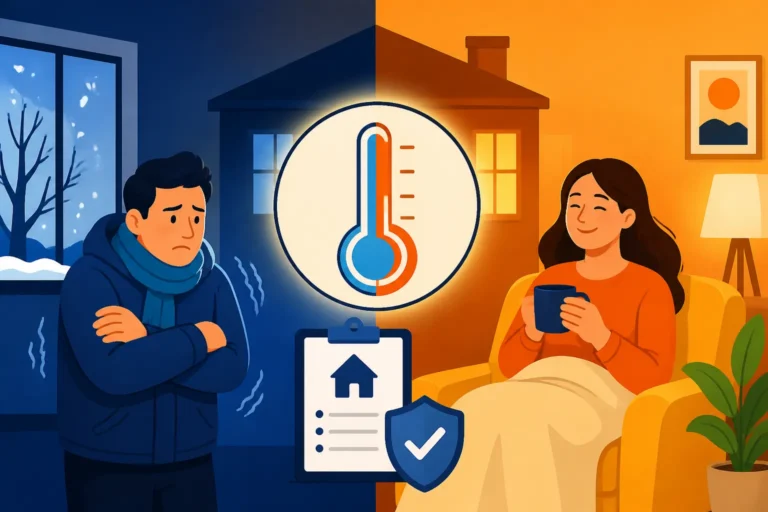
Landlord heating requirements vary by state and local laws, outlining minimum indoor temperatures and specific rules for winter seasons.
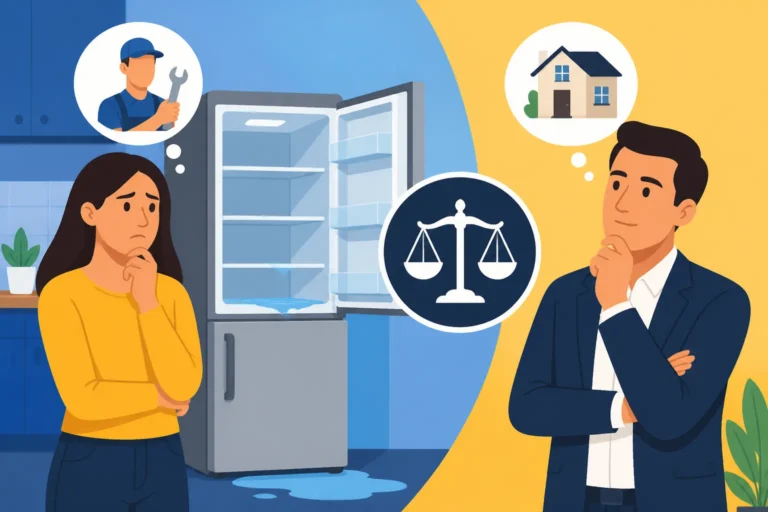
Refrigerator repair responsibilities in a rental property depend on appliance ownership, lease agreements, normal wear and tear, and tenant damage.
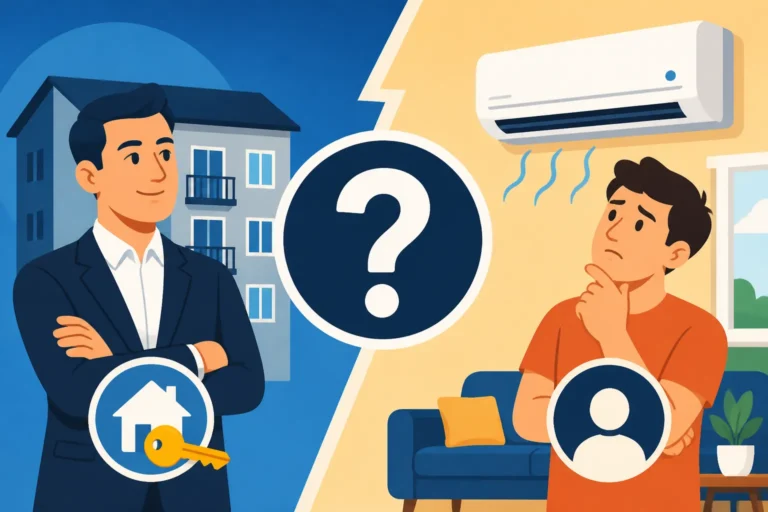
State laws, local ordinances, and lease agreements determine when landlords must provide and maintain air conditioning in rental properties.
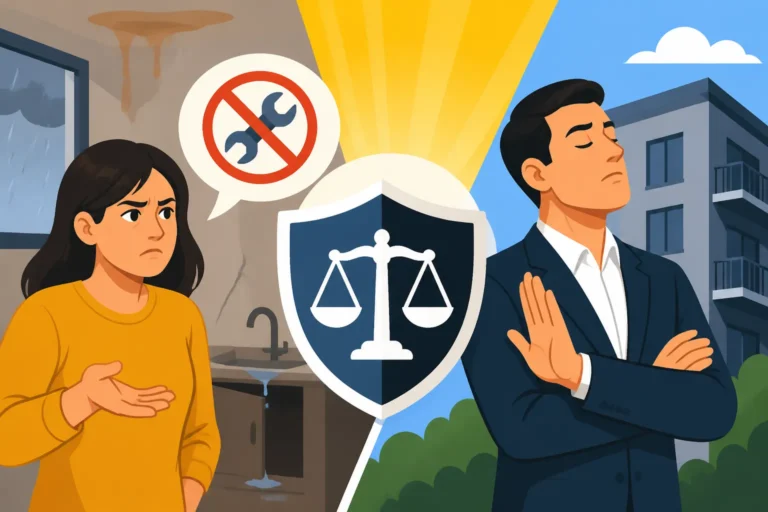
Tenant rights regarding unperformed landlord repairs, implied warranty of habitability, written notices, and legal options for rental properties.
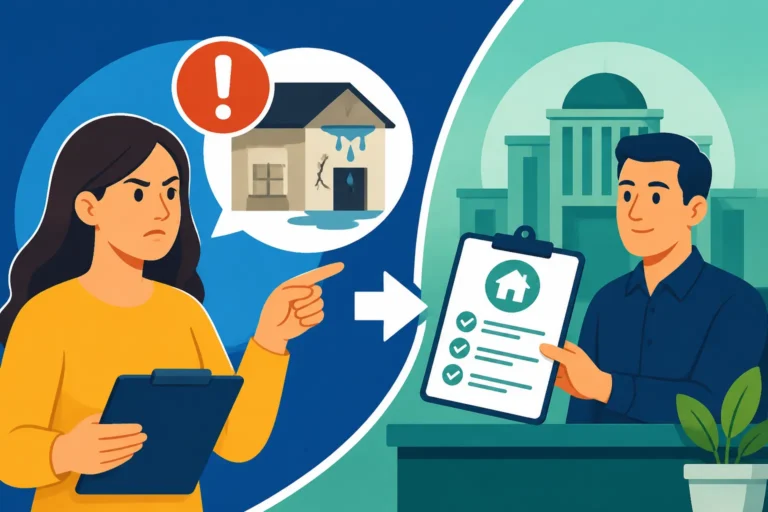
Tenant housing code violations include structural damage and utility failures that breach habitability standards and trigger official inspections.
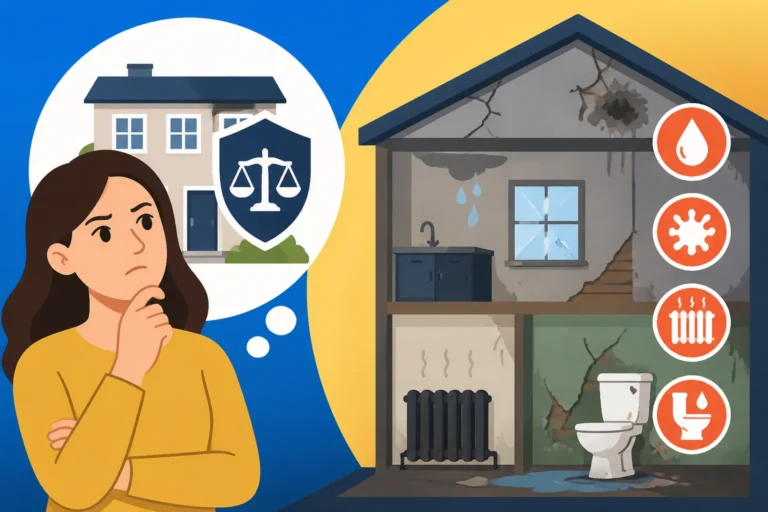
The implied warranty of habitability explains legal standards for structural safety, utility failures, and environmental risks in rental properties.
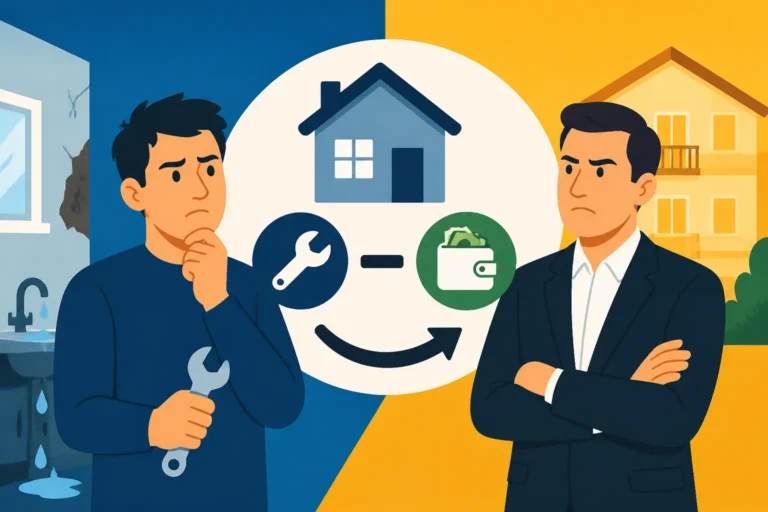
Tenant rights regarding habitability issues explain how renters can legally pay for necessary repairs and deduct costs from rent payments.

Plumbing repair responsibilities divide legal duties between landlords and tenants for habitability, system failures, clogs, and maintenance reports.

Landlord entry notice rules outline state-specific required hours, delivery methods, tenant privacy rights, and emergency exceptions for property repairs.

Apartment mold management details health risks, landlord repair responsibilities, and formal written notification procedures.