Landlord Repair Duties & Timelines in Arizona
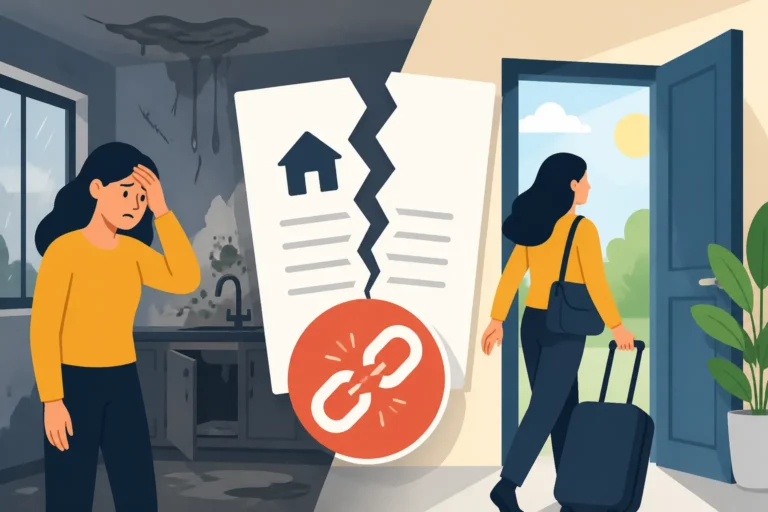
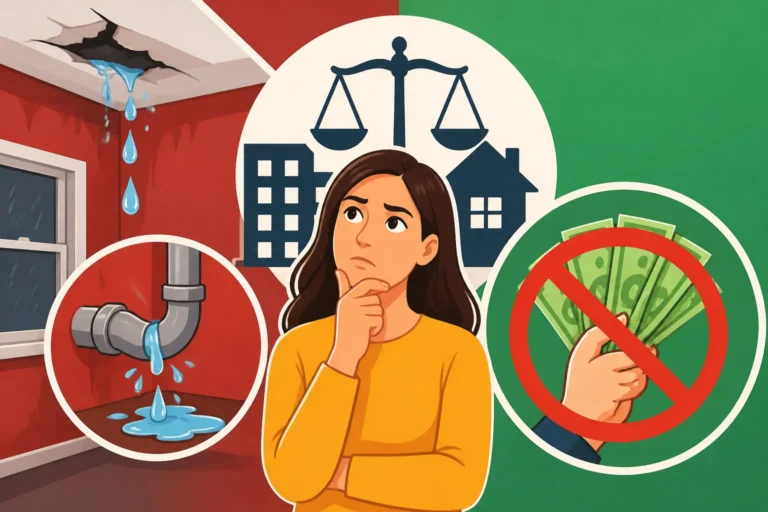
It's incredibly frustrating when something breaks in your rental home – whether it's the AC in the brutal Arizona summer or a leaky pipe under the sink – and you feel like your landlord is dragging their feet. You're paying good money for a safe, habitable place to live, and when basic necessities falter, it can quickly turn your comfortable home into a nightmare. This guide is here to shed light on your landlord's specific repair duties and the timelines they must adhere to under Arizona law, empowering you with the knowledge to get those essential fixes done.
Understanding the Implied Warranty of Habitability in Arizona
First things first, let's talk about a foundational concept in landlord-tenant law: the implied warranty of habitability. This isn't usually something explicitly written in your lease, but it's implied by law in every rental agreement, whether you rent an apartment in Phoenix or a house in Tucson. Essentially, it means your landlord is legally obligated to provide and maintain a rental unit that is safe, healthy, and fit for human habitation. It’s not about perfection, but about the basics that make a home livable.
What it Means for Your Rental
This warranty covers the fundamental living conditions. Think about what you absolutely need to live comfortably and safely in Arizona. This includes things like having functioning plumbing that provides hot and cold running water, a safe electrical system, adequate heating and cooling (especially crucial here in the desert!), and structural soundness of the building. It also means the landlord needs to take reasonable steps to ensure common areas are safe and sanitary, and that there aren't infestations of pests like scorpions or cockroaches that make the unit unlivable.
For example, if the roof starts leaking after a monsoon storm, causing water damage and mold, that directly impacts the habitability of your home. Or if the only toilet stops flushing, that's a pretty clear violation. The goal is that your living space meets basic health and safety standards. Many tenants find themselves wondering, "What Is Considered Uninhabitable?" and it often comes down to these core necessities.
Common Issues Covered
In Arizona, the warranty of habitability typically covers major systems and structural elements. This list is not exhaustive, but these are some of the most common issues landlords are responsible for:
- Structural Integrity: Walls, floors, ceilings, and roofs must be sound and protect against the elements. A crumbling ceiling or a floor that feels like it's about to collapse would definitely fall under this.
- Plumbing Facilities: Running water, hot water, working toilets, and sinks are non-negotiable. If you're suddenly without hot water for days, especially during cooler months, your landlord has a problem on their hands.
- Heating and Cooling Systems: Given Arizona's extreme temperatures, functional heating (especially in Flagstaff winters) and air conditioning (critical across the state in summer) are often considered essential for habitability. A broken AC unit in July in Yuma isn't just an inconvenience; it can be a serious health hazard.
- Electrical Systems: Safe wiring, outlets, and lighting fixtures are a must. Exposed wires or frequent power surges not caused by external factors are definitely a landlord's problem.
- Sanitation: Landlords must maintain the property in a clean and safe condition, especially common areas, and address pest infestations that make a unit uninhabitable. This doesn't mean you don't have to keep your place clean, but recurring issues like rodent infestations often fall to the landlord.
- Appliances (if provided): If your lease includes appliances like a refrigerator or stove, your landlord is generally responsible for keeping them in working order.
- Security: Locks on doors and windows should be functional to ensure your safety.
It’s important to distinguish these from minor cosmetic issues, like a peeling paint chip or a loose cabinet handle, which typically aren't considered violations of habitability. If you’re ever unsure, it’s best to err on the side of caution and notify your landlord in writing about the issue. This topic is covered more broadly in our guide to Landlord Repair Responsibilities What They Must Fix.
Arizona's Repair Timeline Requirements
Knowing what your landlord has to fix is just one part of the equation; knowing how quickly they have to fix it is equally vital. Arizona law provides specific timelines that landlords must follow once they receive proper notice of a repair need. These timelines differ based on the severity of the issue.
Standard Repair Timeline (Non-Emergency)
For most general repairs that don't pose an immediate threat to health or safety, your landlord in Arizona typically has 10 days to make the necessary repairs once they receive proper written notice from you. This is the timeline for things like a leaky faucet, a broken dishwasher, or a window that won't open. It's enough time for them to assess the problem, call a contractor, and get the work scheduled.
This 10-day clock is serious business. It means that within ten calendar days of receiving your written notice, the repair work should be completed. If they start the repair on day 9 and finish on day 11, they've technically missed the deadline.
Emergency Repair Timeline
When it comes to issues that immediately affect your health or safety, Arizona law imposes a much stricter deadline. For what are considered "emergency repairs" – things like a lack of hot water, no heat in winter, no air conditioning in summer, or a major plumbing leak – your landlord has only 5 days to make the repairs after receiving proper written notice.
This shorter timeline reflects the urgency of these situations. Imagine your AC failing in July in Phoenix, where temperatures regularly hit 115 degrees Fahrenheit. Waiting 10 days could be dangerous, especially for vulnerable individuals like children or the elderly. Our article on What Counts as an Emergency Repair dives deeper into these critical situations.
What Happens if a Landlord Misses the Deadline
This is where your tenant rights really come into play. If your landlord fails to make the required repairs within the specified 10-day or 5-day timeline after you've provided proper written notice, Arizona law gives you a few powerful options:
- Repair and Deduct: For certain types of repairs, you might be able to arrange for the repair yourself or hire a professional, and then deduct the cost from your next month's rent. However, this option has strict limitations. The cost of the repair cannot exceed one-half of the monthly rent or $300, whichever is greater. You can only use this remedy once every 12 months. This is a complex area, and it's essential to understand the full scope of Repair and Deduct by State laws, especially in Arizona, before taking this step.
- Terminate the Lease: For a material breach of the lease, particularly if the landlord fails to address a significant habitability issue within the legal timeline, you may have the right to terminate your rental agreement. This can be a huge step, and it often requires giving your landlord an additional written notice of your intent to terminate if the repairs aren't made within a certain timeframe (usually 5 days for emergencies or 10 days for other breaches). Our guide on Breaking a Lease for Uninhabitable Conditions provides more context.
- Sue the Landlord: You can also take legal action in small claims court to recover damages, which could include the reduced value of the rental unit due to the unrepaired issue, or even the cost of temporary housing if the unit became uninhabitable. This is typically a last resort, but sometimes necessary when a landlord completely neglects their duties.
It's crucial that you follow the proper procedures for notice to your landlord, or your claims could be weakened.
Your Steps When Facing Repair Delays in Arizona
If you find yourself with a repair issue that your landlord isn't addressing promptly, it's natural to feel stressed and unsure of what to do next. The key is to be methodical and document every step. This isn't just good advice; it's often legally required to protect your rights.
Document Everything Thoroughly
In any landlord-tenant dispute, documentation is your best friend. From the moment you notice a problem, start creating a clear, organized record. This means:
- Photos and Videos: Capture visual evidence of the damage. Take pictures of the leaky ceiling, the broken appliance, or the extent of a mold issue. Videos can be especially helpful for showing things like dripping water or non-functional parts. Make sure these are date-stamped if possible.
- Communication Records: Keep copies of all correspondence with your landlord. This includes emails, text messages, certified mail receipts, and even notes from phone calls (including dates, times, and summaries of the conversation). This helps establish a timeline of when the landlord was notified and what their response (or lack thereof) was.
- Repair Estimates/Receipts: If you end up having to arrange for repairs yourself (under the repair and deduct statute), keep detailed receipts and invoices for all work done.
- Witness Statements: If there are other tenants or individuals who can corroborate the conditions, their statements can be valuable.
This kind of thorough record-keeping is vital. It’s what you’ll present if you ever need to dispute a deduction from your security deposit related to repairs, or if you end up in court. Remember, without proof, it often comes down to your word against theirs. A robust platform like TurboTenant can help landlords keep track of their communications and repair requests, which indirectly benefits tenants by creating a clearer record.
Sending Proper Written Notice
This is arguably the most critical step in addressing repair issues. Under Arizona law, your landlord's repair clock (5 or 10 days) doesn't start ticking until they receive proper written notice from you. A casual conversation in the hallway or a quick text message might not suffice legally.
Here's how to ensure your notice is effective:
- Format: Send a formal letter. Clearly state the date, your name, address, and the specific rental unit.
- Detail the Problem: Describe the repair issue clearly and comprehensively. For instance, don't just say "the plumbing is broken." Instead, say, "The toilet in the main bathroom has been constantly running and overflowing since [Date], and is no longer flushing properly."
- Reference the Lease/Law: Briefly mention that the issue violates your lease agreement (if applicable) or the implied warranty of habitability, and specifically reference Arizona Revised Statutes § 33-1341 and § 33-1361, which cover landlord obligations and tenant remedies.
- State the Timeline: Remind your landlord of the legal repair timeline (5 days for emergencies, 10 days for other repairs) and that if the repairs are not completed within that period, you will consider your legal remedies under Arizona law.
- Delivery Method: Send the letter via certified mail with a return receipt requested. This provides undeniable proof that your landlord received the notice and when they received it. You can also send a copy via email if your lease allows for electronic communication, but always prioritize certified mail for legal weight.
Our article on How to Request Repairs in Writing offers templates and further guidance on crafting an effective notice.
Tenant Remedies for Non-Compliance
Once you've given proper notice and the deadline has passed without adequate action from your landlord, you're not powerless. Arizona law provides specific avenues for you to seek resolution:
- Self-Help (Repair and Deduct): As mentioned earlier, this allows you to perform or arrange for the repair yourself and deduct the reasonable cost from your rent. Again, this is for minor repairs, capped at the greater of $300 or half a month's rent, and only once every 12 months. Make sure you get multiple bids if possible and keep all receipts. If your landlord decides to dispute this, having solid documentation and proof you followed the law is paramount.
- Lease Termination: For serious breaches that make the property uninhabitable (like a prolonged lack of essential services), you can deliver a second written notice of your intent to terminate the lease if the problem isn't fixed within a further specified timeframe (usually 5-10 days). If they still fail to act, you can then move out and are no longer responsible for rent. This is a big step, so consider consulting with a legal aid attorney beforehand.
- Lawsuit for Damages: You can sue your landlord in small claims court. This might be to recoup costs you incurred due to their inaction (like the cost of space heaters if they failed to fix your heat), or for the diminished value of the rental unit while it was in disrepair. For example, if your air conditioning was out for two weeks in June, you could argue for a pro-rated reduction in rent for that period due to the diminished enjoyment of the property.
It's a scary thought to take legal action against your landlord, but sometimes it's the only way to compel them to fulfill their obligations. Many tenants also protect themselves with renter's insurance, such as through Lemonade, which can cover personal property damage if, say, a neglected plumbing issue floods your apartment.
Important Nuances and Exceptions in Arizona Law
While Arizona landlord-tenant laws are designed to protect both parties, there are specific situations and carve-outs you need to be aware of. Not every single repair falls squarely on the landlord's shoulders, and some circumstances can shift responsibility.
Tenant Responsibility for Minor Repairs
It's a common misconception that landlords are responsible for everything that breaks. In Arizona, tenants are generally expected to handle minor repairs and maintenance that arise from their own use and negligence. This includes things like replacing light bulbs, unclogging a toilet or sink if you caused the clog, or replacing batteries in smoke detectors.
Think of it this way: if it's a wear-and-tear issue from your daily living that doesn't impact habitability, or if you directly caused the problem, it's likely your responsibility. Your lease agreement should outline these specific tenant responsibilities, so always give it a thorough read. Our comprehensive guide on Landlord vs Tenant Repair Responsibilities provides a deeper dive into these distinctions.
Damage Caused by the Tenant
This is a big one. If you, your guests, or your pets cause damage to the property, your landlord is generally not responsible for fixing it, and they can charge you for the repairs. This goes beyond normal wear and tear and includes things like a hole punched in a wall, a broken window from an accidental throw, or pet damage that goes beyond typical scratching.
For example, if you accidentally drop a heavy pan and crack a tile in the kitchen, that's likely on you. Your landlord would still have to allow the repair to be made, but they could legitimately charge you for the cost, potentially deducting it from your security deposit. This is where tenant liability insurance, often offered by providers like Steadily to landlords but also available for tenants, can be helpful, though it primarily covers damage to others' property or injuries.
Lease Agreement Provisions
While state law sets the baseline, your specific lease agreement can add further details, as long as those provisions don't contradict or waive your rights under Arizona landlord-tenant law. For instance, a lease might specify who is responsible for lawn maintenance or minor appliance upkeep. Some leases might even stipulate a slightly shorter notice period for the landlord to make repairs, as long as it's not unreasonably short.
However, a landlord cannot include a clause in your lease that says they are not responsible for maintaining a habitable living space, or that waives your right to proper notice for rent increases, or your right to a timely return of your security deposit. Any such clauses would be considered unenforceable under Arizona law. Always read your lease carefully and understand what you're agreeing to. If you see anything that looks suspicious, it's a good idea to seek clarification before you sign.
Summary of Arizona Repair Timelines
To give you a quick overview of Arizona's repair timelines and your options, here's a table summarizing the key points:
| Repair Type | Landlord Notice Required | Landlord Repair Deadline | Tenant Remedy if Deadline Missed | Limitations/Notes |
|---|---|---|---|---|
| Non-Emergency Repairs | Written Notice | 10 days | Repair & Deduct, Lease Termination, Sue for Damages | Repair & Deduct: Max 1/2 month's rent or $300 (whichever is greater), once per 12 months. |
| Emergency Repairs | Written Notice | 5 days | Repair & Deduct, Lease Termination, Sue for Damages | Repair & Deduct: Max 1/2 month's rent or $300 (whichever is greater), once per 12 months. |
| Tenant-Caused Damage | N/A | N/A | Tenant is responsible for repair costs; landlord can deduct from deposit. | Damage must be beyond normal wear and tear. |
Remember, these timelines start after your landlord has received proper written notice. Getting that notice right is half the battle! You can also check out our detailed guide on How Long Does a Landlord Have to Make Repairs by State for a broader context.
What to Do If Your Landlord Still Isn't Cooperating
Let's be real: sometimes, even with all the right paperwork and knowing the law, landlords can still be difficult. If you've sent proper notice, waited the legal time, and your landlord still hasn't made the repairs or is actively refusing, it's time to consider stronger action.
Escalating Your Approach
First, try to have another conversation, referencing your previous written notices. Sometimes a polite, firm reminder of the legal timelines and your rights can spur action. If that doesn't work, then you need to consider those tenant remedies we discussed: the "repair and deduct" option for smaller issues, or formally moving to terminate your lease for more severe, habitability-threatening problems.
Before pursuing lease termination, sending another written notice (again, certified mail!) explicitly stating your intent to terminate the lease if the repairs aren't made within an additional 5-10 days can be very effective. This shows the landlord you are serious and gives them one last chance to comply.
Seeking External Help and Legal Advice
If you're still stuck, don't hesitate to reach out for help.
- Arizona Department of Housing: While they don't directly mediate landlord-tenant disputes, they can often provide resources and information about your rights.
- Local Tenant Rights Organizations: Many cities in Arizona, like Phoenix and Tucson, have non-profit organizations dedicated to helping tenants understand their rights and navigate disputes. A quick web search for "tenant rights Arizona" or "landlord tenant attorney Phoenix" can usually point you in the right direction.
- Legal Aid Societies: If you meet income eligibility requirements, legal aid organizations can provide free or low-cost legal assistance. They can help you draft letters, understand court procedures, or even represent you.
- Small Claims Court: If all else fails, filing a claim in small claims court is an option. You can sue for financial damages related to the unrepaired issues, or for the cost of repairs if you used the "repair and deduct" option and your landlord is withholding your deposit. Our article on Suing a Landlord for Your Deposit Small Claims & Penalties provides some helpful context on this process, though it's focused on deposits, the general court process is similar.
Going to court can seem daunting, but sometimes the threat, or the actual act, of doing so is what it takes for a landlord to take their responsibilities seriously. You shouldn't have to live in a place that isn't safe or habitable, especially when you're paying rent on time.
Disclaimer
Please remember that this article provides general information about landlord-tenant laws in Arizona and is not a substitute for legal advice. Laws can change, and specific situations may vary. If you have a legal concern, it's always best to consult with a qualified attorney in your area.