Can a Landlord Refuse to Renew a Lease?
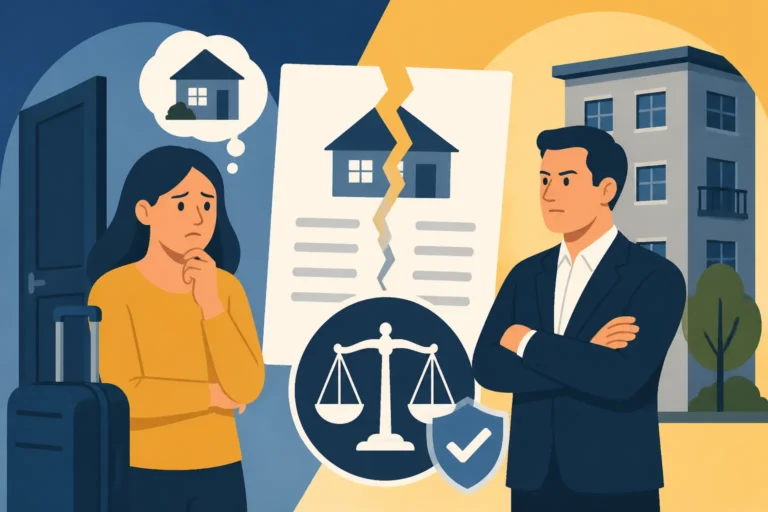
That knot of anxiety you feel when your lease is approaching its end is all too real. Will your landlord offer a renewal? Will the rent skyrocket? Or, perhaps the most stressful thought of all: Can a landlord simply refuse to renew your lease, leaving you scrambling to find a new place to call home? It's a question that many renters grapple with, and the answer isn't always a simple yes or no. This comprehensive guide is here to shed light on your rights and your landlord's obligations when it comes to lease renewals, helping you understand the rules of the game so you're not caught off guard.
Understanding Lease Renewal Fundamentals
Before we dive into the nitty-gritty of non-renewal, it's essential to understand the basic structure of your rental agreement. This document, often signed with great optimism at the beginning of your tenancy, holds the key to many questions about your future housing situation.
Fixed-Term Leases Versus Month-to-Month Agreements
The type of lease you have plays a massive role in how renewals—or non-renewals—are handled. Most people enter into a fixed-term lease, which means you've agreed to rent the property for a specific period, typically 6, 12, or even 18 months. During this period, both you and your landlord are bound by the terms. Your rent is set, and neither party can unilaterally break the agreement without potential penalties, except under specific legal circumstances. When that fixed term approaches its end, the lease agreement itself usually outlines what happens next. It might state that the lease automatically renews for another fixed term, converts to a month-to-month tenancy, or simply terminates.
On the other hand, a month-to-month agreement offers much more flexibility. Instead of being locked into a long period, your tenancy renews automatically each month. This means either you or your landlord can terminate the agreement with appropriate notice, typically 30 days, though this can vary by state and local laws. You can explore the differences in more detail in our article on Fixed-Term vs Month-to-Month Leases to get a clearer picture of your specific situation. This flexibility, while sometimes convenient, also means that a landlord generally has an easier time deciding not to continue your tenancy, often without needing a specific "reason" beyond providing the required notice.
The Importance of Your Lease Agreement
Your lease isn't just a piece of paper; it's a legally binding contract that outlines the rights and responsibilities of both the tenant and the landlord. When questions about renewal come up, the very first place you should look is your current lease agreement. It often contains clauses addressing renewal options, notice periods for termination, and what happens if neither party takes action. Sometimes, it explicitly states whether the lease automatically renews or if a new agreement is required.
It's common for leases to have an "automatic renewal clause," which means if you don't provide proper notice that you intend to move out, your lease might roll over into another fixed term or a month-to-month agreement. These clauses can sometimes be tricky, so always read them carefully. Understanding What to Include in a Lease Agreement can help you recognize key provisions. If you're unsure about any specific wording, it's always wise to consult with a legal professional. Even if the lease doesn't mention renewal directly, state and local landlord-tenant laws will fill in the gaps regarding notice periods and legal requirements for terminating a tenancy.
Legal Grounds for a Landlord to Refuse Renewal
While it might feel unsettling, landlords generally have the right to refuse to renew a lease, especially when a fixed-term lease is simply expiring. However, this isn't an unlimited power. There are legitimate, legal reasons they can choose not to continue a tenancy, and these reasons usually revolve around their business interests or the tenant's adherence to the lease.
Valid Business Reasons for Non-Renewal
Landlords are property owners running a business, and sometimes, their business plans change. They might decide not to renew a lease for a variety of legitimate, non-discriminatory reasons. For instance, a landlord might want to sell the property. Perhaps they've received a great offer, or they're looking to divest from their rental portfolio. In such cases, having a vacant unit makes the sale process much smoother, avoiding the complexities of selling with a tenant in place.
Another common reason is that the landlord or their family members might want to move into the unit themselves. This is particularly prevalent with smaller landlords who own just a few properties. They might experience a life change, like a job relocation or a growing family, and decide to occupy the rental property rather than seeking a new tenant. Additionally, a landlord might have plans for extensive renovations or major repairs that would make the unit uninhabitable for an extended period, requiring the property to be empty. These are generally considered "no-fault" non-renewals because they don't stem from any wrongdoing by the tenant.
Tenant Violations Justifying Non-Renewal
Beyond business decisions, a landlord can absolutely refuse to renew a lease if a tenant has violated the terms of their current agreement. This is probably the most straightforward and legally defensible reason for non-renewal. If you've consistently paid your rent late, despite grace periods, or you've caused significant damage to the property beyond normal wear and tear, the landlord is well within their rights to decide they don't want to continue the tenancy.
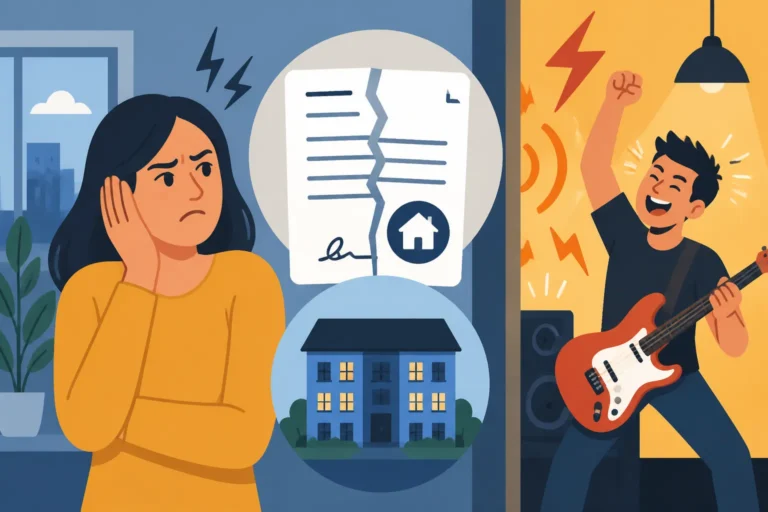
Examples of such violations include excessive noise complaints, unauthorized pets, unapproved occupants, or engaging in illegal activities on the premises. Even if a lease violation hasn't led to an eviction during the current term, a history of problems can be a strong motivator for a landlord to simply let the lease expire. It's crucial for tenants to understand Lease Violations & What Counts to avoid giving their landlord legitimate reasons for non-renewal. Keeping a good tenant record, including timely rent payments and adherence to all lease clauses, is your best defense against a non-renewal based on your actions.
Market Conditions and Property Changes
The rental market is constantly fluctuating, and these changes can sometimes influence a landlord's decision regarding lease renewals. For instance, in a booming rental market where demand is high and rents are soaring, a landlord might choose not to renew a current tenant's lease so they can relist the property at a significantly higher market rate. While this can feel unfair to the tenant, it is generally a legal business decision, assuming it's not done for discriminatory or retaliatory reasons.
Similarly, a landlord might decide to change the use of the property entirely. They might convert a residential unit into a commercial space, tear down the building for new development, or even remove it from the rental market altogether to use it for personal purposes. These are all valid reasons for non-renewal that are tied to the landlord's property rights and investment strategies. It's important to remember that these decisions are often about the property itself or the landlord's overall business, rather than any fault of the tenant.
Illegal Reasons for Non-Renewal and Tenant Protections
While landlords have broad rights regarding non-renewal, there are specific, legally prohibited reasons for refusing to extend a lease. These protections are in place to ensure fair housing practices and prevent retaliation against tenants exercising their legal rights. If you suspect your non-renewal falls into one of these categories, you might have grounds to challenge it.
Discrimination Under Fair Housing Laws
One of the most critical protections for tenants comes from the Fair Housing Act. It's illegal for a landlord to refuse to renew a lease based on a tenant's membership in certain protected classes. These include race, color, religion, national origin, sex (including gender identity and sexual orientation), familial status (having children), and disability. Many states and cities also add their own protected classes, such as marital status, age, income source (like Section 8 vouchers), or veteran status.
For example, a landlord cannot decide not to renew your lease because they find out you're pregnant and will soon have a child, as this would be discrimination based on familial status. Likewise, if you've made reasonable accommodation requests for a disability, a landlord cannot refuse renewal because they don't want to deal with your needs. You can learn more about these protections in our guide on the Fair Housing Act: Protected Classes Explained. If you believe you're being discriminated against, documenting everything and seeking advice from a housing authority or legal aid is crucial.
Retaliatory Non-Renewal
Another significant protection for tenants is against retaliatory non-renewal. This occurs when a landlord refuses to renew a lease because a tenant has exercised a legal right. For example, if you've recently reported your landlord to a housing authority for code violations (like persistent mold or a lack of heat in winter), or if you've formally requested necessary repairs that they've ignored, it would be illegal for them to refuse to renew your lease as a form of punishment.
Many states have specific laws preventing landlords from retaliating against tenants who:
- Complain to a government agency about health or safety violations.
- Join or organize a tenant union.
- Exercise their rights under the lease or landlord-tenant law, such as withholding rent legally for unmade repairs in jurisdictions where that's allowed.
- Participate in other legally protected activities.
Laws often specify a timeframe (e.g., 90 to 180 days) during which certain actions by a landlord, including non-renewal, are presumed to be retaliatory if they occur after a tenant exercises a protected right. This is a complex area, and it's helpful to understand the nuances of Retaliatory Eviction Defense which often applies to non-renewal situations as well. Always keep thorough records of your communications and actions.
Lease Clauses That Are Unenforceable
Sometimes, a landlord might try to include clauses in a lease that are actually illegal or unenforceable under state or local law. These might appear valid on paper but hold no legal weight. For example, some jurisdictions might have rent control or stabilization laws that restrict how much a landlord can raise rent or the conditions under which they can refuse to renew a lease, especially in older buildings. A clause in your lease that attempts to circumvent these laws would be unenforceable.
Another example could be a clause that states the landlord can refuse renewal for "any reason whatsoever" without specifying notice periods, when local law clearly requires a minimum notice. Or, they might have a clause that tries to waive your right to report code violations. If a landlord uses such an unenforceable clause as a reason for non-renewal, their action could be challenged. It's always a good idea to understand the specific landlord-tenant laws in your state and city, as they often supersede what's written in a private lease agreement if there's a conflict. Websites like LawDepot can provide state-specific lease templates that often highlight common legal requirements, which can be useful for both tenants and landlords trying to ensure their agreements are compliant.
Notice Requirements for Non-Renewal
The idea of your lease just ending with no warning is a scary one, and thankfully, it's generally not how things work. Landlords are almost always required to give tenants proper notice if they intend not to renew a lease. This notice period gives you, the tenant, time to find a new place to live and make arrangements for moving.
State and Local Laws Governing Notice Periods
The specific amount of notice a landlord must give for non-renewal varies significantly depending on your state and even your local city ordinances. There's no single federal law that dictates this, so it's a patchwork of regulations. For a fixed-term lease, if the landlord simply doesn't want to renew, they typically need to provide notice before the lease expires. This notice period usually ranges from 30 to 60 days, but it can be as long as 90 days or even 120 days in some tenant-friendly jurisdictions like parts of California or New York City.
For instance, in states like Texas, if your fixed-term lease is simply expiring, there might not be a statutory requirement for the landlord to provide non-renewal notice beyond what's specified in the lease itself. However, in states like New Jersey, even for a fixed-term lease ending, landlords typically need to provide a 30-day notice if they don't plan to renew, especially if the lease would convert to month-to-month otherwise. For month-to-month tenancies, the notice period is usually shorter, often 30 days, but again, local laws can extend this. It's vital to check your specific state's Rent Increase Notice Periods by State (which often mirrors non-renewal notice periods) or local tenant rights resources to confirm what applies to your situation.
What to Do If You Don't Receive Proper Notice
Receiving insufficient or no notice of non-renewal can put you in a very difficult spot, but you do have rights. If your landlord fails to provide the legally required notice, their attempt to terminate your tenancy at the end of the lease term might be invalid. In many cases, if they miss the deadline, your lease could automatically convert to a month-to-month tenancy, or even renew for another fixed term, under the same terms and conditions as the expiring lease.
For example, if your state requires a 60-day notice for non-renewal, and your landlord only gives you 30 days, you might legally be entitled to stay for an additional month after the original lease end date, on a month-to-month basis, giving you the full 60 days of effective notice. In some areas, if a landlord misses the notice deadline, a court might even rule that the lease automatically renews for another full term, particularly if your original lease contained an automatic renewal clause that was not properly terminated. It's crucial to document when and how you received any notice, and if you believe it's improper, communicate with your landlord in writing and be prepared to seek legal counsel to understand your options.
What to Do If Your Landlord Refuses to Renew Your Lease
Finding out your lease won't be renewed can be stressful, but it's not the end of the world. There are concrete steps you can take to understand your situation, explore your options, and ensure a smoother transition.
Reviewing Your Lease and Local Laws
The very first thing you should do when you receive a non-renewal notice is to pull out your current lease agreement. Read it thoroughly, paying close attention to any clauses regarding renewal, termination, and notice periods. Does it align with the notice you received? Does it mention specific conditions for non-renewal? It's essential to understand the exact terms you initially agreed to.
Next, research your state and local landlord-tenant laws. As mentioned earlier, these laws can vary greatly. Websites for your state's Department of Housing, local legal aid societies, or tenant rights organizations often have detailed information. For example, cities with strong tenant protections, like San Francisco or New York, might have stricter rules about when and why a landlord can refuse to renew a lease, sometimes even requiring "just cause" for non-renewal even after a fixed term. You might find that your lease contains a clause that is actually unenforceable in your jurisdiction, or that your landlord failed to provide adequate notice according to the law. Understanding Security Deposit Laws by State is also crucial at this stage, as you'll want to ensure a smooth return of your deposit when you move out.
Communicating with Your Landlord
Once you've done your homework, consider reaching out to your landlord. Sometimes, a non-renewal notice might be a standard procedure, and there might be room for negotiation. Perhaps your landlord is open to discussing a month-to-month extension if you need more time to find a new place, especially if they haven't found a new tenant yet. Or, if the non-renewal was due to a minor lease violation, you might be able to offer a resolution or an agreement to rectify the issue.
Always communicate in writing. This creates a paper trail, which can be invaluable if disputes arise later. Send emails or certified letters, and keep copies of everything. A simple, polite email asking for clarification on the reasons for non-renewal, or proposing a short-term extension, can sometimes open a dialogue that benefits both parties. Be specific and factual, and try to avoid emotional language. For landlords using platforms like TurboTenant for lease management, sending an official communication through such a system might also provide a clear record.
Seeking Legal Advice and Tenant Resources
If you believe your landlord's refusal to renew your lease is illegal—whether it's discriminatory, retaliatory, or lacks proper notice—it's time to seek professional advice. Tenant rights organizations, legal aid services, or private attorneys specializing in landlord-tenant law can review your situation, explain your rights, and help you determine the best course of action. They can help you understand if you have a case for Suing a Landlord for Your Deposit (Small Claims & Penalties) or for wrongful non-renewal.
These resources can also guide you on drafting a formal letter of dispute, negotiating with your landlord, or even representing you in court if necessary. Many cities have free or low-cost tenant counseling services that can provide invaluable assistance. Don't hesitate to reach out to them; they are there to help protect renters' rights. They can also explain if you're eligible for things like Double vs Treble Damages for Wrongful Withholding if your security deposit becomes an issue during the move-out.
Navigating the Aftermath: Finding a New Place
Whether your non-renewal was legal or not, if you're facing a move, it's time to shift gears and focus on finding your next home. This can be a daunting process, but being organized and knowing your rights during the transition can make a world of difference.
Strategies for a Smooth Transition
Finding a new rental property takes time, effort, and a clear strategy. Start by assessing your needs: what's your budget, how many bedrooms do you need, what neighborhoods are you considering, and what's your ideal move-in date? Begin your search immediately after receiving a non-renewal notice, even if you're disputing it, as having a backup plan is always wise. Online rental platforms, local real estate agents, and community groups can all be valuable resources.
When you find a new place, ensure you understand the new lease agreement thoroughly before signing. If you're moving out of your current place, be sure to provide your landlord with a formal How to Write a Notice to Vacate if required, even if they issued a non-renewal. This clarity can prevent misunderstandings and protect your security deposit. Being proactive and organized will significantly reduce the stress associated with moving.
Understanding Your Rights During the Move-Out Process
Even though your landlord is not renewing your lease, you still have rights and responsibilities during the move-out process. Your primary goal should be to get your full security deposit back. This means leaving the property clean, well-maintained, and in the same condition as when you moved in, accounting for Normal Wear and Tear vs Damage: Complete Guide.
Before you move your belongings, take detailed photos and videos of the entire unit, documenting its condition. This visual evidence can be incredibly helpful if there's a dispute over deductions from your security deposit. It’s a good practice to refer to our guide on How to Document Your Apartment at Move-In as a blueprint for your move-out documentation. Request a walk-through inspection with your landlord, if your state allows for it, and have them provide an itemized list of any potential deductions. Knowing your rights regarding your security deposit and having clear documentation is your best defense against unfair charges.
Disclaimer
Please remember that this article provides general information and is not a substitute for legal advice. Landlord-tenant laws vary significantly by jurisdiction, and it's always recommended to consult with a qualified attorney or local housing authority for advice specific to your situation.