How to Break a Lease in Utah
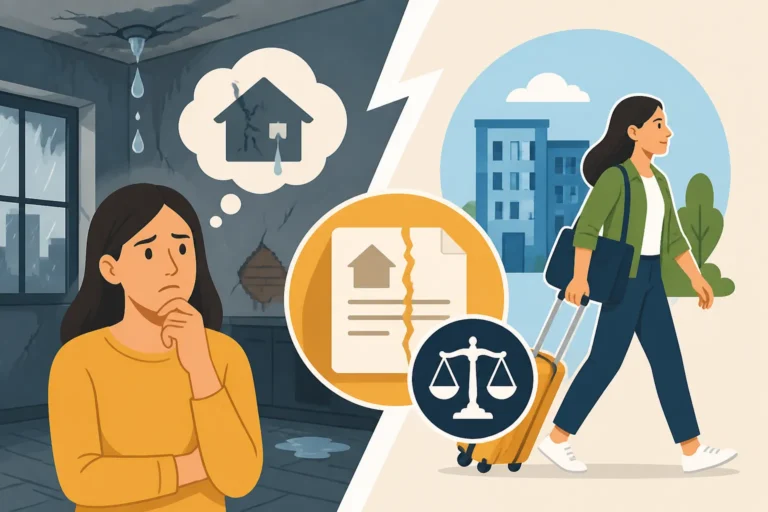
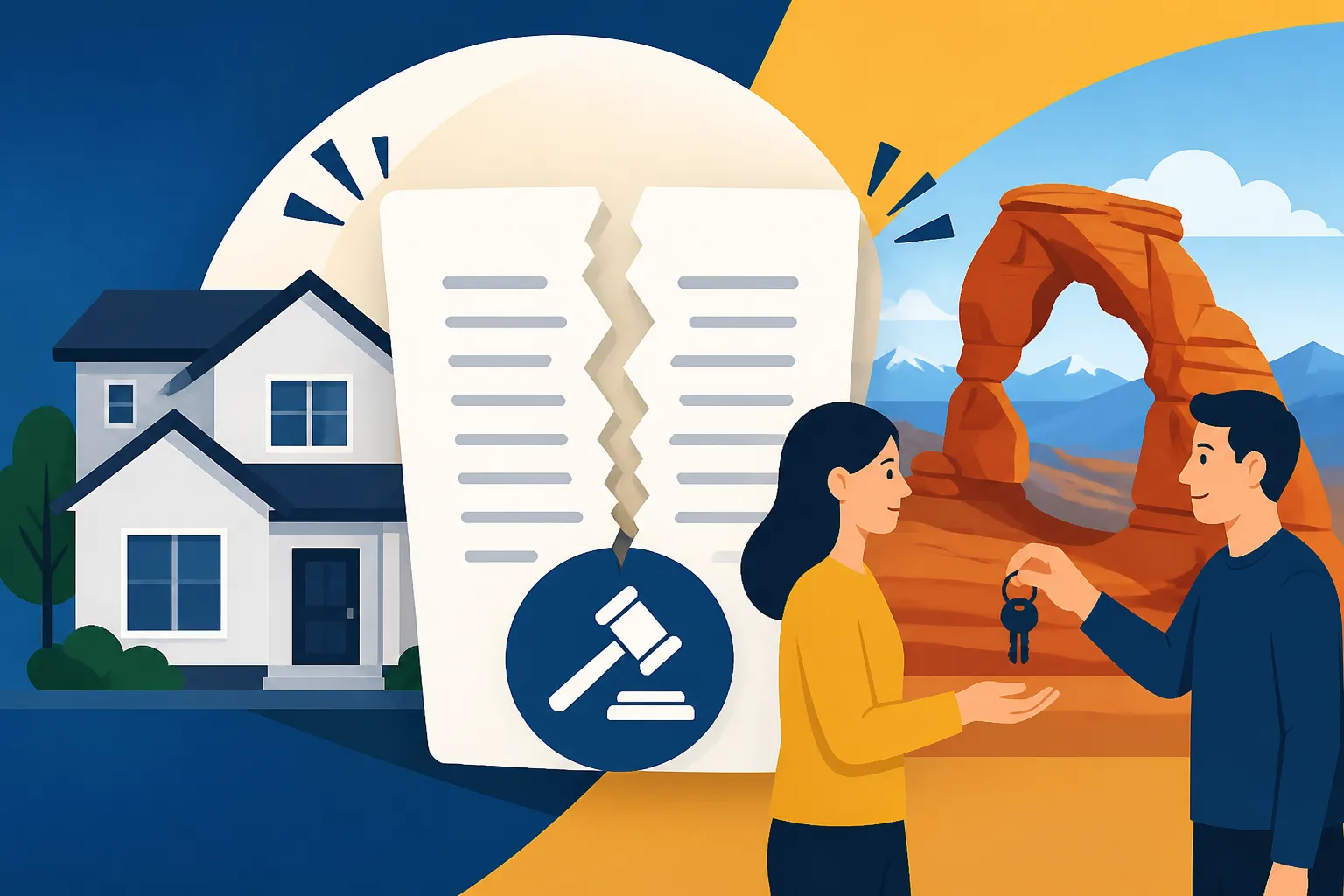
Needing to break a lease can feel like you're caught between a rock and a hard place, especially when life throws unexpected curveballs your way. It’s a stressful situation, riddled with worries about financial penalties, legal repercussions, and the daunting process itself. This comprehensive guide is here to walk you through everything you need to know about breaking a lease in Utah, empowering you with the knowledge to navigate your options as smoothly as possible.
Understanding Your Lease Agreement in Utah
Before you even think about packing a single box or making a phone call, your very first step should always be to thoroughly review your existing lease agreement. This document is the legal blueprint of your tenancy, and it outlines the specific terms and conditions you agreed to when you moved in. Ignoring it is like trying to navigate a new city without a map – you're bound to get lost.
Reviewing Your Specific Lease Clauses
Every lease is a bit different, even standard ones. You’ll want to hunt for any language related to "early termination," "subletting," "assignment," or "lease break fees." Some leases might have a clear early termination clause that spells out exactly what happens if you need to leave before your lease officially ends. This clause might specify a flat fee, a certain number of months' rent as a penalty, or even a requirement to forfeit your security deposit. It’s crucial to understand these terms, as they directly impact your potential financial liability.
For example, your lease might state that if you break the lease, you're responsible for two months' rent as an early termination fee. Or, it might say you're on the hook for rent until a new tenant is found, plus any re-rental costs. Knowing this upfront will help you prepare and strategize your next moves. If you're struggling to decipher the legal jargon, it can be helpful to look at resources like What to Include in a Lease Agreement to understand how these clauses are typically structured. Many landlords use templates from services like LawDepot, which often include standard early termination provisions.
Fixed-Term vs. Month-to-Month Leases
The type of lease you have significantly impacts how easy or difficult it is to break it.
- Fixed-Term Leases: Most residential leases in Utah are fixed-term, meaning they have a defined start and end date, usually 6 or 12 months. With a fixed-term lease, you are legally obligated to pay rent for the entire lease term, regardless of whether you continue to live in the property. Breaking this type of lease without a legally justifiable reason or landlord agreement can lead to significant financial penalties. It's designed to provide stability for both tenant and landlord, but that stability comes with obligations.
- Month-to-Month Leases: These leases offer much more flexibility. Instead of a set end date, they renew automatically each month until either the tenant or the landlord provides proper notice to terminate. In Utah, if you have a month-to-month lease, you typically only need to give your landlord a 15-day written notice before the end of a rental period to terminate the tenancy without penalty. This is a huge difference compared to fixed-term agreements and significantly reduces the stress of moving out unexpectedly. Understanding the distinction is key to navigating your situation, especially if you're exploring Fixed-Term vs Month-to-Month Leases.
Legally Justified Reasons to Break a Lease in Utah Without Penalty
While fixed-term leases are generally binding, Utah law, like many states, recognizes certain situations where a tenant can legally break their lease without incurring the typical penalties. These are specific, often serious, circumstances where the law provides protection.
Military Deployment and the SCRA
If you are a service member in the U.S. armed forces, National Guard, or a commissioned officer of the Public Health Service or National Oceanic and Atmospheric Administration, you might be protected under the Servicemembers Civil Relief Act (SCRA). This federal law allows service members to terminate a residential lease early if they receive permanent change of station orders or orders to deploy for 90 days or more.
To invoke your SCRA rights in Utah, you must:
- Deliver written notice to your landlord.
- Provide a copy of your military orders or a letter from your commanding officer confirming the orders.
- The termination becomes effective 30 days after the next rent payment is due, following the date your notice is delivered.
For example, if you pay rent on the first of the month and give notice on October 15th, your lease would terminate on November 30th. This protection is a significant relief for military families facing frequent relocations. For more detailed steps, you can look into Military SCRA Lease Termination Step-by-Step.
Landlord Violations and Uninhabitable Conditions
Landlords in Utah, like elsewhere, have a fundamental responsibility to provide a safe and habitable living environment. This is often referred to as the "implied warranty of habitability." If your landlord fails to maintain the property to a reasonable standard, and these conditions affect your health or safety, you might have legal grounds to break your lease.
What constitutes uninhabitable conditions? This can include serious issues such as:
- Lack of essential utilities (heat, hot water, electricity, water) that the landlord is responsible for.
- Severe pest infestations (e.g., rats, cockroaches, bedbugs) that the landlord has failed to address after proper notice.
- Major structural defects that make the property unsafe.
- Dangerous electrical wiring or plumbing issues.
- Significant mold problems.
Before you can break a lease due to uninhabitable conditions, you generally must take specific steps. First, you need to notify your landlord in writing about the problem and give them a reasonable amount of time to make the repairs. What constitutes "reasonable" can vary, but for critical issues like lack of heat in winter, it's usually much shorter than for minor repairs. If they fail to fix the issue after proper written notice, you might then have the right to terminate the lease. This process is complex, and it’s important to understand your rights regarding How Long Does a Landlord Have to Make Repairs? (By State) and the Implied Warranty of Habitability Explained. Documenting every communication and the condition of the property is absolutely essential.
Domestic Violence, Sexual Assault, or Stalking
Utah law provides vital protections for tenants who are victims of domestic violence, sexual assault, or stalking. If you or a member of your household is a victim, you can terminate your lease early by providing your landlord with specific documentation.
This documentation typically includes:
- A copy of a protective order.
- A police report indicating that you or a household member is a victim of domestic violence, sexual assault, or stalking.
- A written notice to your landlord stating your intent to terminate the lease due to the violence.
The lease termination usually becomes effective upon written notice, and you would only be liable for rent for a certain period (e.g., 15-30 days) after giving notice. This allows victims to move to safety without being trapped by a lease agreement. For more in-depth information on these critical protections, refer to resources like Domestic Violence Lease Termination by State.
Landlord Harassment or Privacy Violations
While less common, consistent landlord harassment or repeated violations of your privacy can, in extreme cases, be grounds for constructive eviction, which may allow you to break your lease. Utah tenants have a right to "quiet enjoyment" of their rental property.
Examples of such violations include:
- Entering your apartment without proper notice or permission, especially repeatedly.
- Harassing you, your guests, or family members.
- Turning off utilities to try and force you out.
- Changing the locks without a court order.
Most states, including Utah, require landlords to provide advance notice (often 24-48 hours) before entering your unit for non-emergency reasons. If your landlord consistently ignores these rules and your attempts to resolve the issue, it could be argued that they are making the property uninhabitable or effectively forcing you out, constituting a "constructive eviction." Again, meticulous documentation of dates, times, and details of each incident, along with written communication to your landlord, is crucial if you believe you have a case.
Options for Breaking a Lease in Utah When No Legal Justification Exists
Let's face it, not every reason for needing to move falls neatly into a legally protected category. Maybe you got a job offer in a new city, or you're moving in with a partner, or you simply can no longer afford the rent. In these situations, while you don't have an automatic legal right to terminate without penalty, you still have options to minimize your financial exposure.
Negotiating with Your Landlord
The first and often best step is to have an open, honest conversation with your landlord. Many landlords are reasonable people who understand that life happens. They might be willing to work with you to find a solution.
When negotiating, consider:
- Explain your situation: Clearly and calmly explain why you need to leave.
- Offer to help find a replacement tenant: This can significantly reduce your landlord's burden and potential financial loss. If you find a qualified tenant, your landlord might be more inclined to release you from the lease. In Utah, landlords have a "duty to mitigate damages," meaning they must make reasonable efforts to re-rent the property after a tenant breaks a lease. Your help can expedite this process. You can learn more about this obligation in Landlord Duty to Mitigate Damages Explained.
- Offer a lease break fee: If your lease doesn't specify one, you could propose a reasonable fee (e.g., one month's rent) in exchange for being released from your obligations. This offers them a direct payment for their trouble and potential vacancy.
- Get everything in writing: If you reach an agreement, ensure it is documented in a signed letter or addendum to your lease. This protects both parties. Never rely on verbal agreements for something this important.
Subletting or Assigning Your Lease
Depending on your lease agreement and your landlord's willingness, subletting or assigning your lease can be viable alternatives to an outright lease break. It's important to understand the distinctions and requirements for each:
- Subletting: This is when you, the original tenant (the "sublessor"), rent out all or part of your rental unit to another tenant (the "sublessee"). You remain primarily responsible for the original lease, including paying rent and ensuring the sublessee follows the lease terms. If the sublessee doesn't pay, you're still on the hook.
- Assignment: This is when you transfer your entire lease agreement, and all your rights and responsibilities, to a new tenant (the "assignee"). Once the lease is assigned and the landlord approves, you are generally released from your obligations, and the new tenant takes over completely.
Most leases in Utah require landlord approval for both subletting and assignment. Your landlord usually cannot unreasonably withhold consent, but they can set reasonable criteria for prospective subtenants or assignees (e.g., credit score, income). Always get your landlord's explicit, written permission before pursuing either of these options. You'll want to explore Subletting & Lease Assignment Explained to understand the nuances fully. You might use templates from a service like LawDepot for a sublease agreement.
Understanding Financial Penalties
If you break your lease without a legally justified reason and without a special agreement with your landlord, you are typically still responsible for rent until the lease term ends or until a new tenant moves in, whichever comes first. This is where the landlord's duty to mitigate damages comes into play in Utah. They can't just let the unit sit vacant and charge you for the entire lease term; they must make reasonable efforts to find a new tenant.
However, you might also be responsible for costs associated with finding a new tenant, such as:
- Lost rent: Rent for the period the unit was vacant.
- Advertising costs: Fees the landlord paid to market the unit.
- Tenant screening costs: Fees for background and credit checks for new applicants.
- Lease break fees: If explicitly stated in your lease.
These costs can add up quickly, so it’s in your best interest to help your landlord re-rent the property as quickly as possible. For instance, if your rent is $1,500/month and it takes your landlord two months to find a new tenant, you could be liable for $3,000 in lost rent, plus any advertising fees. Understanding What Happens If You Break a Lease is essential to grasp the potential financial impact.
Here’s a quick overview of some potential scenarios:
| Scenario | Legal Basis | Potential Financial Impact to Tenant | Key Action for Tenant |
|---|---|---|---|
| Military Deployment (SCRA) | Federal Law | Minimal (rent until 30 days after next payment) | Provide written notice & military orders |
| Uninhabitable Conditions | Implied Warranty of Habitability (Utah law) | Minimal (if landlord failed to repair) | Written notice to landlord, document everything |
| Domestic Violence Protection | Utah State Law | Minimal (rent for limited period after notice) | Written notice & supporting legal documentation |
| Landlord Harassment / Privacy Violation | Constructive Eviction / Right to Quiet Enjoyment | Potentially minimal (challenging to prove) | Document every incident, seek legal counsel |
| Job Relocation / Personal Reasons | No direct legal basis | Potentially significant (rent until new tenant) | Negotiate with landlord, offer to find sub/assignee, help mitigate |
| Lease Allows Early Termination Fee | Explicit clause in lease agreement | Fee specified in lease (e.g., 2 months' rent) | Pay the fee, ensure release from lease in writing |
| Subletting / Assignment with Approval | Lease terms / Landlord agreement | Varies (original tenant responsible for sub, or released for assignment) | Get landlord's written approval, find qualified replacement |
Steps to Take When Breaking Your Lease in Utah
If you find yourself needing to break your lease in Utah, following a clear process can help protect your rights and minimize potential issues.
Provide Written Notice
This cannot be stressed enough: always put your intentions in writing. Verbal agreements are notoriously difficult to prove in court and can lead to misunderstandings. Send a formal letter to your landlord stating your intention to vacate the property, the reason (if applicable and legally justified), and your proposed move-out date.
- What to include: Your current address, the date, your landlord's name and address, a clear statement of your intent to terminate the lease, the effective date of termination, and a polite request for a final walkthrough and return of your security deposit.
- How to send it: Send the notice via certified mail with a return receipt requested. This provides undeniable proof that your landlord received the notice and when. An email might also be acceptable if your lease specifies it, but certified mail offers the strongest legal documentation. Resources like a Security Deposit Demand Letter How-To + Template can give you an idea of how to structure formal communication.
Document Everything
In any landlord-tenant dispute, documentation is your best friend. From the moment you even think about breaking your lease, start a paper trail.
- Correspondence: Keep copies of all written communications with your landlord, including your lease agreement, any notices you send, and any responses you receive.
- Photos/Videos: Take detailed photos and videos of the property's condition before you move out, especially if you believe there are uninhabitable conditions or you're concerned about potential deductions from your security deposit. This evidence can be invaluable in proving you left the property in good condition, or that problems existed when you left. For example, if you're concerned about Normal Wear and Tear vs Damage: Complete Guide, photos can clearly show the difference.
- Repair Requests: If you are breaking the lease due to unaddressed repairs, keep copies of all written repair requests and any responses. This demonstrates that you gave your landlord proper notice and opportunity to remedy the situation.
- Advertising Efforts: If you’re helping your landlord find a new tenant, keep records of any potential renters you referred, advertisements you placed, or tours you facilitated. This proves your efforts to mitigate damages.
Mitigate Damages
As mentioned earlier, in Utah, landlords have a legal "duty to mitigate damages." This means they must make reasonable efforts to re-rent the property quickly if you break your lease. They can't simply sit back and let the rent accumulate for the remainder of your lease term.
While it's your landlord's duty, it's in your best interest to help them in this process. By actively assisting in finding a new, qualified tenant, you can significantly reduce the amount of rent you'll be responsible for.
- Advertise the unit: Offer to post listings on popular rental websites (with your landlord's permission). Online platforms are great for reaching a wide audience.
- Refer potential tenants: If you know someone looking for a place, refer them to your landlord.
- Cooperate with showings: Be flexible and cooperative when your landlord needs to show the unit to prospective tenants. Making it easy for them makes it more likely they'll find someone faster.
Remember, the goal here is to reduce the period of vacancy, thereby reducing your financial liability. When considering new tenants, your landlord will likely perform tenant screening, possibly using services like TurboTenant, to ensure they meet their criteria.
Disclaimer
Please remember, this guide provides general information about breaking a lease in Utah and is not a substitute for legal advice. Landlord-tenant laws can be complex and are subject to change. If you are facing a lease break situation, it is always recommended to consult with a qualified attorney in Utah to discuss your specific circumstances and understand your rights and obligations fully.