Automatic Lease Renewal: How to Opt Out
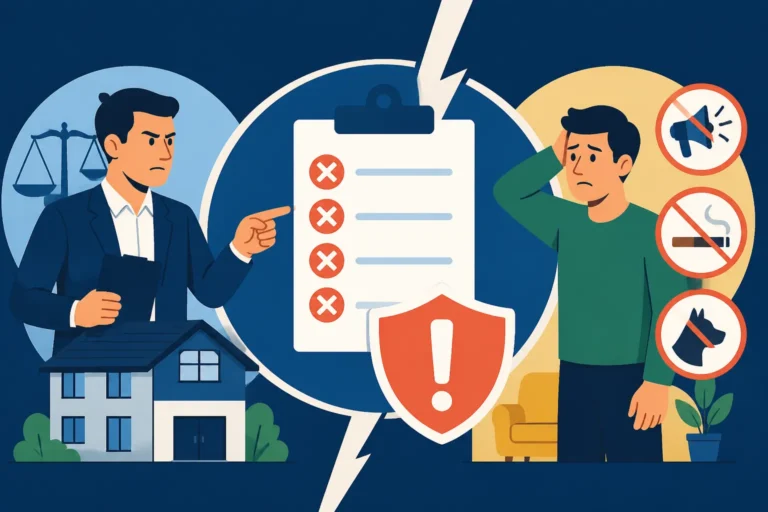
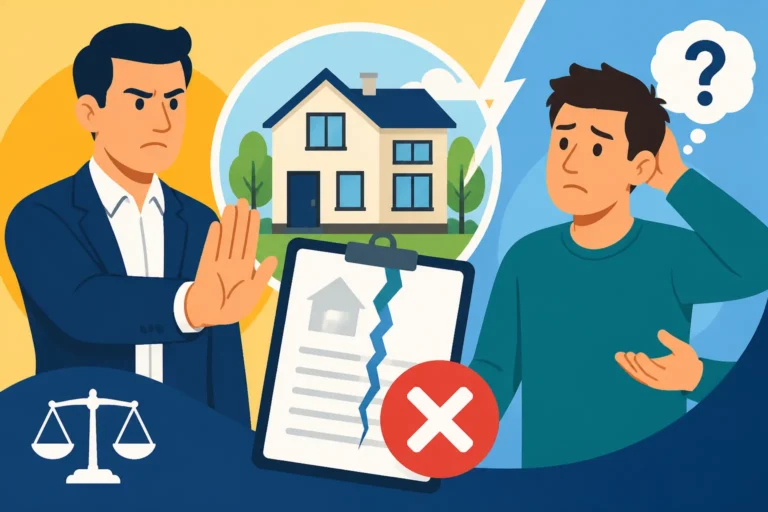
There's nothing quite as frustrating as feeling trapped by a clause you barely remembered signing, especially when it comes to your home. Many tenants find themselves blindsided by an "automatic lease renewal" clause, thinking they've moved on, only to realize their lease has rolled over for another term. This guide is here to walk you through exactly what these clauses mean, how to identify them, and most importantly, how to successfully opt out so you can regain control over your living situation.
Understanding Automatic Lease Renewal Clauses
Automatic lease renewal clauses are a common feature in many rental agreements, designed to provide continuity for landlords and, sometimes, for tenants who prefer not to think about renegotiating. However, if you're planning to move out, these clauses can quickly become a major headache if not handled correctly. It’s crucial to understand what you’ve agreed to.
What is an Automatic Lease Renewal?
At its core, an automatic lease renewal provision is a section in your lease agreement that states your lease will automatically extend for another specified period (often another full year, or sometimes month-to-month) unless one party, typically the tenant, provides proper written notice of their intention not to renew. Think of it like a subscription service that keeps charging you unless you explicitly cancel it. The idea is to prevent a lapse in tenancy, ensuring the property remains occupied and the landlord continues to receive rent without needing to find a new tenant. For example, you might have a one-year lease ending on July 31st, but your lease states it will automatically renew for another year unless you give 60 days' notice before July 31st. If you forget to send that notice by May 31st, you could find yourself legally bound for another year.
These clauses are perfectly legal in most states, but many jurisdictions have specific requirements regarding how clearly they must be stated in the lease and what kind of notice the landlord must give you before the automatic renewal kicks in. Some states might even require the landlord to send a reminder notice to the tenant, separate from the initial lease agreement, a certain number of days before the non-renewal deadline. This is why digging into your specific state's Lease Renewals & Automatic Renewal Clauses laws is so important.
Common Triggers and Notice Periods
The "trigger" for an automatic lease renewal is simply the passage of time without proper action. As the end date of your initial lease term approaches, the clause will activate unless you, or sometimes your landlord, send a formal notice. The most critical component of these clauses is the notice period. This specifies how many days, weeks, or months before the lease end date you must inform your landlord of your intent to move out.
Typical notice periods can range widely. While 30 or 60 days is fairly standard, it's not uncommon to see 90-day requirements, especially in competitive rental markets or with larger property management companies. For instance, in a bustling city like Seattle, a 60-day notice is often the bare minimum, while in parts of rural Iowa, a 30-day notice might be more common. The lease will also dictate how this notice must be given – typically in writing, often via certified mail, or sometimes through an online portal. Failing to meet the exact requirements for both the timing and the method of delivery can invalidate your attempt to opt out, leaving you on the hook for another lease term. Imagine you're planning a big move from your apartment in Denver, excited for a new chapter, only to realize you sent your non-renewal email just a day after the 60-day deadline specified for certified mail in your lease. That one-day slip could cost you thousands in rent for a unit you don't even want.
Why Landlords Use Them
From a landlord's perspective, automatic lease renewal clauses are a godsend. They offer a significant level of stability and reduce the financial risk associated with tenant turnover. Vacancies are costly; every day an apartment sits empty, the landlord is losing potential income. Finding new tenants involves advertising, screening applicants, processing paperwork, and often, cleaning and making minor repairs – all of which cost time and money.
By including an automatic renewal clause, landlords essentially create a default setting for continued occupancy. This minimizes administrative overhead and the risk of unexpected vacancies. It also encourages tenants to stay, as the path of least resistance is to simply let the lease renew. For larger property management companies, like Greystar or Equity Residential, managing hundreds or thousands of units, these clauses streamline operations immensely, allowing them to better predict occupancy rates and manage their portfolios more efficiently. It’s a business decision that prioritizes consistency and reduces logistical headaches.
The Importance of Reviewing Your Lease Agreement
The lease agreement is more than just a stack of papers you signed on move-in day; it's a legally binding contract that dictates the terms of your tenancy. When it comes to automatic lease renewals, thoroughly understanding this document is your first and most critical step. Many tenants overlook this step, leading to unnecessary stress and financial burden later on.
Identifying the Renewal Clause
Don't just skim your lease; read it carefully, especially sections related to the lease term, termination, and renewals. Automatic renewal clauses might not always be explicitly labeled "Automatic Renewal." Look for phrases such as:
- "This lease shall automatically renew for an additional term of [X months/years] unless written notice of non-renewal is provided…"
- "In the absence of a written notice to vacate, this agreement will convert to a month-to-month tenancy at an adjusted rate, or renew for a fixed term."
- "Tenant agrees that this lease will continue in full force and effect for subsequent terms unless terminated by either party with proper notice."
These clauses often appear within the "Term of Lease," "Termination," or "Renewal" sections. Pay close attention to any language that outlines what happens at the end of your initial lease period. If you're unsure, or if your lease is packed with legal jargon, don't hesitate to seek clarification. Sometimes a quick call to your landlord or property manager can help, but remember to get any important information in writing.
It's also worth noting that some states, like New York, require landlords to provide explicit written notice to tenants about an automatic renewal provision before it takes effect, often between 30 and 90 days prior to the deadline. This is a protective measure for tenants, as it's easy to forget a clause buried in a year-old document. Always check your local Security Deposit Laws by State (2026) or Tenant Rights If Landlord Won't Return Deposit to understand specific requirements.
Key Information to Extract
Once you've identified the renewal clause, you need to extract specific pieces of information. This is where the detective work really begins.
- The Exact Notice Period: Is it 30, 60, 90, or even 120 days? This is paramount. Missing the deadline by even one day can have serious repercussions.
- The Deadline Date: Based on your lease end date and the required notice period, calculate the precise date by which your non-renewal notice must be received by the landlord. Mark this prominently on your calendar.
- Method of Delivery: Does it specify certified mail, email, an online tenant portal, or hand-delivery? Adhering to the exact method is crucial for legal enforceability. Many leases state that notice is only effective upon receipt, not simply when it's sent. So, if certified mail is required, factor in mailing time.
- Recipient: Who exactly should receive the notice? Is it the property manager, the landlord's corporate office, or a specific individual? Sending it to the wrong person could delay or invalidate your notice.
- Consequences of Non-Compliance: What does the lease say will happen if you don't opt out? Does it renew for another full year, or does it convert to a month-to-month tenancy? Understanding these consequences will underscore the importance of proper action. For instance, a lease might automatically renew for another year, or it might transition to a Lease Renewal vs Going Month-to-Month at a potentially higher rate.
This level of detail is critical. Don't assume anything. If your lease is unclear about any of these points, it's a good idea to communicate with your landlord in writing to seek clarification and keep a record of that conversation.
Red Flags and Ambiguities
While leases are meant to be clear, sometimes they contain language that is ambiguous, overly complex, or even potentially unfair. These are your red flags, and they warrant closer scrutiny.
- Vague Notice Requirements: If the lease says "reasonable notice" instead of a specific number of days, that's a problem. What's "reasonable" to you might not be reasonable to your landlord.
- Disproportionate Notice Periods: A 120-day notice period for a 12-month lease might be considered excessive in some jurisdictions, especially if the landlord only needs to give 30 days' notice of rent increases or other changes.
- Automatic Renewal at a Higher Rate without Clear Warning: While it's common for month-to-month tenancies to have higher rates, if a fixed-term automatic renewal also comes with an unexplained significant rent hike, this could be a point of contention.
- Conflicting Clauses: Sometimes, different sections of the lease might seem to contradict each other. For example, one clause might say 60 days' notice, while another implies 30.
If you encounter any of these red flags, or if you simply feel the lease language is deliberately obscure, it might be time to seek legal advice. Tenant advocacy groups, local housing authorities, or a landlord-tenant lawyer can help you interpret the lease and understand your rights. In some states, consumer protection laws or specific landlord-tenant statutes might override or modify certain lease clauses, especially if they are deemed unconscionable or not in plain language. For example, some states explicitly prohibit landlords from charging a Can a Landlord Charge a Cleaning Fee From the Deposit if the tenant left the property reasonably clean.
Step-by-Step Guide to Opting Out of Automatic Renewal
Navigating an automatic lease renewal clause can feel like a high-stakes game of legal dodgeball, but with a clear plan, you can avoid getting hit. The key is timeliness, proper documentation, and following the letter of your lease agreement.
Calculate Your Deadline
This is the most crucial step. Grab your lease agreement and your calendar, because precise timing is everything.
-
Find Your Lease End Date: Locate the exact date your current lease term is scheduled to conclude. Let's say it's July 31st, 2025.
-
Determine the Required Notice Period: Refer back to the automatic renewal clause you identified. Is it 30, 60, 90 days, or another timeframe? For our example, let's assume your lease requires 60 days' notice.
-
Count Backward from the End Date: This is where many people make a mistake. You need to count backward from the lease end date by the number of days required. So, if your lease ends on July 31st and requires 60 days' notice, your deadline isn't July 1st, but rather May 31st.
- July 31st (lease end) – 30 days (July 1st) – 30 more days (June 1st) = May 31st.
- Therefore, your notice must be received by your landlord on or before May 31st, 2025.
It's always wise to give yourself a buffer. Don't aim for the absolute last day. If the deadline is May 31st, aim to send your notice by May 20th at the latest, especially if you're using a method that requires delivery time, like certified mail. Missing this deadline, even by an hour, can automatically trigger the renewal, potentially obligating you to another full lease term or a costly month-to-month arrangement. This is one of the most common reasons tenants struggle with How to Get Your Security Deposit Back – they're still legally obligated to the property.
Draft a Formal Notice of Non-Renewal
Your notice needs to be clear, unambiguous, and professional. This isn't the time for casual texts or verbal agreements.
- Clarity is Key: State explicitly that you are providing notice of your intention not to renew your lease agreement.
- Essential Information: Include the following:
- Your full name(s) as they appear on the lease.
- The full address of the rental property.
- Your current lease start and end dates.
- A clear statement that you will vacate the premises on the lease end date.
- The date you are writing the letter.
- Your contact information.
- A request for information regarding your move-out process and security deposit return.
- Professional Tone: Keep it respectful and factual. Avoid emotional language.
- Mention the Lease Clause (Optional but Recommended): You can reference the specific clause in your lease that outlines the notice requirements, demonstrating that you are aware of and adhering to the agreement.
Many online resources offer templates for a "Notice of Non-Renewal." Services like LawDepot or TurboTenant often provide state-specific legal forms that can help you draft a compliant and professional letter, ensuring you cover all the necessary bases. This can be a huge help if you're not comfortable writing legal documents from scratch. Remember, this document serves as your official record that you have fulfilled your obligation to provide notice.
Here’s a simple structure you might follow:
[Your Name(s)]
[Your Current Address]
[City, State, Zip Code]
[Date]

[Landlord/Property Management Company Name]
[Landlord/Property Management Company Address]
[City, State, Zip Code]

Subject: Notice of Non-Renewal of Lease Agreement - [Your Address]

Dear [Landlord/Property Management Name],

This letter serves as formal written notice of my/our intention not to renew the lease agreement for the property located at [Your Full Address]. My/Our current lease term is set to expire on [Current Lease End Date]. I/We will be vacating the premises on or before this date.

As per the terms of our lease agreement, specifically [mention clause number if known, e.g., Section 7, "Renewal of Lease"], the required notice period for non-renewal is [Number] days. This notice is provided in compliance with that requirement.

I/We kindly request information regarding the move-out inspection process, utilities termination, and the procedure for the return of my/our security deposit. I/We can be reached at [Your Phone Number] or [Your Email Address].

Thank you for your understanding.

Sincerely,

[Your Signature]
[Your Printed Name(s)]
Deliver the Notice Properly
Drafting the perfect notice is only half the battle; ensuring your landlord actually receives it, and that you have proof, is equally vital.
- Follow Lease Instructions Exactly: If your lease specifies certified mail, return receipt requested, do exactly that. Don't substitute email or hand-delivery, even if you think it's easier. If it allows for multiple methods, choose the one that provides the most robust proof of delivery.
- Certified Mail, Return Receipt Requested: This is often the gold standard. When you send mail this way through the U.S. Postal Service, you get a receipt at the post office, and upon delivery, the recipient signs for it. You then receive a green card back in the mail with their signature, proving when and to whom it was delivered. This is irrefutable evidence.
- Email with Read Receipt: If your lease permits email, enable the "read receipt" and "delivery receipt" options in your email client. Always save a copy of the sent email. While better than nothing, it's generally less legally robust than certified mail, as read receipts can sometimes be blocked or ignored.
- Hand-Delivery with Signed Acknowledgment: If you hand-deliver the notice, prepare two copies. Have your landlord or their authorized agent sign and date your copy, acknowledging receipt. If they refuse, bring a witness, but certified mail is usually preferable.
- Online Tenant Portal: Many modern property management companies use online portals for communication. If your lease specifies this as a valid method, use it and take screenshots of your submission confirmation. Still, follow up with an email or certified mail for extra assurance.
Always keep a copy of your sent notice and all proof of delivery! This paper trail is your defense if your landlord later claims they never received your notice. This documentation is also invaluable if you need to dispute any future deductions from your Security Deposit Deductions: Full List of Allowed Charges or even if you need to pursue Suing a Landlord for Your Deposit (Small Claims & Penalties). A complete record of communication can prevent a lot of headaches down the line.
What Happens If You Miss the Opt-Out Deadline?
Missing the deadline for an automatic lease renewal can feel like a punch to the gut. The immediate panic is understandable, but understanding your options and the potential consequences is the next step. It's not always the end of the world, but it does require swift and strategic action.
Implications of a Rollover Lease
If you miss the deadline and your lease automatically renews, what happens next depends entirely on what your lease agreement states.
- Renewal for Another Fixed Term: This is often the most impactful outcome. Your lease could automatically renew for another full year (or whatever the original term was). This means you are legally bound to pay rent for that entire period, even if you no longer wish to live there. Breaking this new lease term would then trigger the penalties associated with How to Break a Lease (Without Penalty Where Possible), which can include paying rent until a new tenant is found, forfeiture of your security deposit, or other financial liabilities. In some areas, like California, specific protections exist, but it's a significant commitment.
- Conversion to Month-to-Month Tenancy: This is generally a more flexible outcome, though it often comes with a higher monthly rent. If your lease converts to a month-to-month agreement, you typically only need to provide 30- or 60-days' notice (depending on state law and the lease) to vacate. While this gives you more flexibility, the increased rent can be a financial strain, and the landlord can raise the rent or terminate the tenancy with much shorter notice.
- Holdover Tenancy with Penalties: In some less tenant-friendly leases, if you don't vacate and haven't formally renewed, you might become a "holdover tenant." This can sometimes mean paying significantly higher rent (e.g., 1.5x or 2x your regular rent) as a penalty, in addition to being liable for any damages the landlord incurs by your continued occupancy. This is particularly punitive and can quickly escalate into an Eviction for Nonpayment of Rent if you cannot meet the increased financial demands.
The terms of your lease are critical here. If you're unsure, re-read the renewal clause again, or consult with a tenant rights organization.
Negotiating with Your Landlord
Even if you've missed the deadline, all hope isn't lost. Communication and negotiation with your landlord can sometimes lead to an agreeable solution, especially if you act quickly and professionally.
- Immediate Contact: As soon as you realize you've missed the deadline, contact your landlord in writing. Explain the situation honestly and respectfully. Don't make excuses; take responsibility.
- Propose a Solution: Instead of just admitting fault, suggest a viable solution. Can you agree to a month-to-month tenancy for a short period? Can you help find a new tenant? Offer to pay an early termination fee if that's an option. Sometimes, landlords prefer a cooperative tenant who helps mitigate their losses rather than an uncooperative one.
- Offer to Mitigate Damages: Many states have laws requiring landlords to "mitigate damages" if a tenant breaks a lease. This means they must make a reasonable effort to find a new tenant rather than just letting the property sit empty and charging you full rent. You can offer to assist in this process by keeping the unit tidy for showings, spreading the word, or referring potential tenants. While this is primarily the landlord's duty, showing willingness to help can create goodwill.
- "Cash for Keys": In some situations, a landlord might offer a "cash for keys" agreement. This is where they pay you a sum of money to vacate the property quickly and amicably, often waiving outstanding rent or fees. While more common in eviction scenarios, it can sometimes be negotiated if you've accidentally renewed and the landlord has a strong incentive to get a new tenant in immediately (e.g., they have a waiting list, or a higher-paying tenant lined up).
- Be Prepared for "No": Your landlord is not legally obligated to release you from a renewed lease if you missed the deadline. Be prepared for them to hold you to the terms. However, a polite, well-reasoned request is always worth a try. Remember, a good relationship with your landlord can make a huge difference, even in tough situations.
Potential Legal Consequences
Ignoring an automatically renewed lease or simply moving out without proper notice can lead to severe legal and financial repercussions that impact your future rental prospects.
- Financial Liability: You will be legally responsible for rent for the entire renewed lease term, or until a new tenant is found, whichever comes first (subject to the landlord's duty to mitigate damages). This could amount to thousands of dollars. In addition to rent, you might be liable for re-rental costs like advertising fees.
- Credit Score Damage: If you fail to pay rent or other charges, your landlord can report this to credit bureaus, significantly harming your credit score. This can make it difficult to rent another apartment, get a mortgage, or even open new lines of credit in the future. Remember that breaking a lease also has implications for your Breaking a Lease and Your Credit Score.
- Eviction Proceedings: If you stop paying rent or refuse to vacate, your landlord can initiate formal eviction proceedings. An eviction on your record is a serious black mark that most future landlords will see during a tenant screening process, making it incredibly challenging to find housing. You can learn more about how this works by checking out guides like Eviction Process by State (Step-by-Step).
- Security Deposit Forfeiture: Your security deposit, initially intended for damages, will almost certainly be used to cover unpaid rent and any costs associated with your breach of the renewed lease. In some cases, if the damages exceed your deposit, your landlord might even sue you for the difference. This is a common situation for tenants who find their Landlord Kept My Whole Deposit for Nothing: What Can I Do?
It is far better to address the situation head-on, even if it means acknowledging a mistake, than to try and simply disappear. The long-term consequences of an eviction or substantial debt can follow you for years.
Proactive Measures for Future Lease Agreements
Preventing the headache of an unwanted automatic lease renewal is far easier than dealing with the aftermath. By taking a few proactive steps, you can ensure you're always in control of your tenancy and avoid unexpected obligations.
Negotiating Terms Before Signing
The best time to address an automatic lease renewal clause is before you sign on the dotted line. This is when you have the most leverage as a prospective tenant.
- Read Every Word: Before signing any lease, read it meticulously. Don't rush or assume. This is especially true for the "Term" and "Renewal" sections.
- Ask Questions: If you see an automatic renewal clause, ask your landlord or property manager to explain it clearly. Understand the notice period, the method of delivery, and the consequences of missing the deadline.
- Negotiate: Don't be afraid to negotiate. You can request:
- Removal of the Automatic Renewal Clause: Ask for it to be struck from the lease entirely, so the lease simply terminates on its end date.
- Conversion to Month-to-Month: If the landlord isn't willing to remove the clause, suggest an amendment that, upon non-renewal notice, the lease converts to a month-to-month tenancy rather than another fixed term. This provides more flexibility.
- Shorter Notice Period: If the required notice period (e.g., 90 days) feels excessive, ask if it can be reduced to a more manageable 30 or 60 days.
- Mutual Obligation for Notice: Some leases only require the tenant to give notice. Ask if the landlord can also be required to provide notice if they wish to end the tenancy or significantly alter terms upon renewal.
- Get It in Writing: Any changes or agreements made during negotiations must be included in the final signed lease or as a written addendum. Verbal agreements are often difficult to enforce. For instance, you could use a service like LawDepot to generate a lease addendum if needed. A guide on Lease Addendums Explained can offer more insight.
Negotiating can feel intimidating, but remember that landlords want good tenants. If you're a desirable applicant, they might be willing to compromise on certain clauses to secure you.
Setting Reminders and Creating a Calendar
Once your lease is signed, the next proactive step is to ensure you never forget the non-renewal deadline. This involves leveraging tools and habits to keep you organized.
- Mark Your Calendar Immediately: As soon as your lease is signed, mark the non-renewal deadline prominently on multiple calendars: your digital calendar (Google Calendar, Outlook Calendar), your physical planner, and perhaps even a wall calendar in your home.
- Set Multiple Reminders: Don't rely on just one alert. Set reminders at different intervals:
- Initial Alert (4-5 months out): A gentle nudge to start thinking about your plans.
- Action Alert (30 days before the deadline): This is your "time to act" reminder, giving you ample time to draft and send your notice.
- Final Check Alert (1 week before the deadline): A last-chance check to ensure your notice was sent and received.
- Include Key Details: In your digital calendar reminders, include the exact deadline date, the required notice period, and the preferred method of delivery (e.g., "Send certified mail non-renewal notice to Property Manager by May 31st for July 31st lease end").
- Use a Reminder App: Utilize reminder apps on your phone or computer, like Todoist, Any.do, or even your phone's built-in reminder system.
- Share with Others (Optional): If you have roommates or a partner on the lease, share these reminders with them. Two sets of eyes are better than one. This ensures everyone is aware of the timeline and responsibilities, which is particularly helpful with Security Deposit Rules for Roommates.
By creating a robust system of reminders, you significantly reduce the risk of a deadline slipping by unnoticed.
Documenting All Communications
A clear and consistent paper trail is your best friend in any landlord-tenant relationship. This is especially true when it comes to critical communications like lease renewals.
- Keep Copies of Everything:
- Your entire signed lease agreement.
- Any lease addendums or amendments.
- Your non-renewal notice (the one you sent).
- Proof of delivery (certified mail receipt, return receipt card, email delivery/read confirmations, signed acknowledgment).
- All written communication with your landlord or property manager regarding your tenancy (emails, letters, text messages).
- Organize Your Records: Create a dedicated file, either physical or digital, for all your rental documents. Label it clearly (e.g., "Apartment Lease – 123 Main Street – 2024-2025").
- Follow Up in Writing: If you have a verbal conversation with your landlord about your lease, follow it up with a brief email summarizing the discussion. For example: "Hi [Landlord Name], Just wanted to confirm our conversation from today, [Date], regarding my lease. I understand that [summarize key points of discussion]. Please let me know if I've misunderstood anything." This creates a written record of verbal agreements.
- Timestamp Screenshots: If you use an online portal for communication, take screenshots of your messages and any confirmation pages, ensuring the date and time are visible.
Having a complete and organized record of all communications is invaluable. If there's ever a dispute, whether it's about a missed deadline, a security deposit return, or anything else, your documentation will be your strongest evidence. It proves that you acted responsibly and in accordance with the lease terms. This detailed record is essential if you ever need to file a formal complaint or take legal action, such as pursuing What to Do If a Landlord Misses the Deposit Deadline.
Automatic Lease Renewal Notice Periods by State
Understanding the general legal framework around automatic lease renewals can give you a baseline, but remember that specific state laws can and often do modify what's permissible in a lease agreement. This table provides a general overview, but always double-check your local and state-specific landlord-tenant laws.
| State | Automatic Renewal General Rule | Typical Notice Period for Non-Renewal (Tenant) | Landlord Notification of Automatic Renewal Requirement |
|---|---|---|---|
| California | Lease may automatically renew, but often converts to month-to-month after fixed term. | 30 days for month-to-month, often 30-60 for fixed term | No statutory requirement for fixed term, but required for M-T-M conversion. |
| Florida | Permitted, but clauses must be prominent. | 15-60 days (often 30-60 by lease) | No statutory requirement. |
| Illinois | Permitted. | 30-60 days (lease dependent) | No statutory requirement. |
| Maryland | Permitted, but if lease is for more than 1 month, must have explicit provision for notice. | 30-60 days (lease dependent) | Must provide separate notice 30-90 days before renewal deadline. |
| Massachusetts | Permitted. | 30-60 days (lease dependent) | No statutory requirement. |
| New Jersey | Permitted. | 30-60 days (lease dependent) | Must provide separate notice 30-90 days before renewal deadline. |
| New York | Permitted, but specific notice rules apply in some jurisdictions (e.g., NYC). | 30-90 days (lease & location dependent) | Must provide separate notice 30-90 days before renewal deadline. |
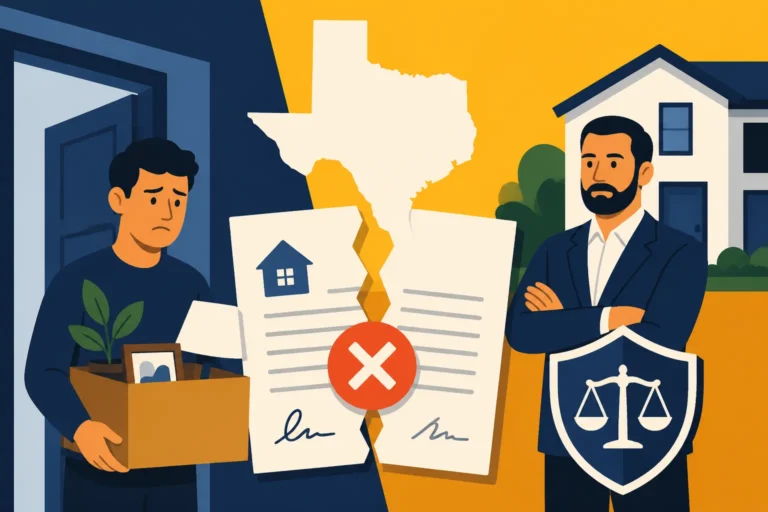
| Texas | Permitted. | 30-60 days (lease dependent) | No statutory requirement. |
| Washington | Permitted. | 20-60 days (lease dependent) | No statutory requirement, but some local ordinances may apply. |
Disclaimer: This table provides general information and is not exhaustive or legal advice. Laws are subject to change and vary by specific circumstances and local ordinances. Always consult your lease and local legal resources.
It’s clear that many states don't have a specific requirement for landlords to remind tenants about an automatic renewal, putting the onus squarely on the renter to track these deadlines. However, states like Maryland, New Jersey, and New York do offer a layer of protection by requiring the landlord to send a separate reminder notice. This is why knowing your rights and your lease backward and forward is so essential. Don't rely solely on your landlord to remind you.
Disclaimer
The information provided in this article is for general informational purposes only and does not constitute legal advice. Landlord-tenant laws vary significantly by state and local jurisdiction, and are subject to change. It is essential to consult with a qualified legal professional or a tenant advocacy organization for advice tailored to your specific situation and location. Relying solely on the information presented here may not be sufficient for your individual legal needs.