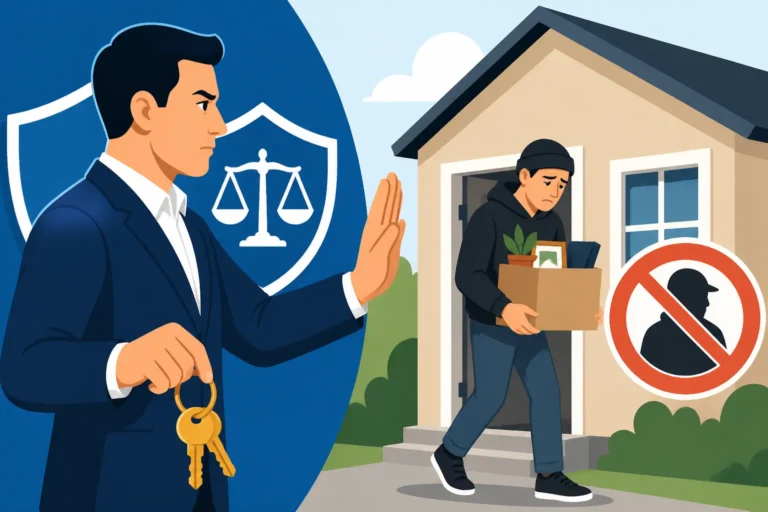
3-Day Notice to Pay or Quit Explained
It's an utterly sickening feeling, isn't it? You come home, check the mail, and there it is – a formal-looking envelope or, even worse, a notice taped to your door. Your heart sinks because you immediately know it's probably about rent, and it mentions "Pay or Quit." This isn't just a scary piece of paper; it's often the first, very real step toward losing your home. Understanding exactly what a 3-Day Notice to Pay or Quit means, your rights, and your options can feel overwhelming, but this comprehensive guide is here to break it all down in plain, empathetic language.
What Exactly is a 3-Day Notice to Pay or Quit?
Let's cut straight to it. A "3-Day Notice to Pay or Quit" is a formal written demand from your landlord. It's their way of saying, "Hey, you owe me rent, and you have three days to either pay up or move out." It's critical to understand that this notice itself is not an eviction. Think of it as a serious warning shot, a mandatory legal step your landlord usually has to take before they can even think about filing an eviction lawsuit in court.
Understanding the Purpose and Legal Weight
The primary purpose of this notice is to give you, the tenant, a final chance to rectify a breach of your lease agreement, specifically the non-payment of rent. It's a way for landlords to try and resolve the issue without immediately resorting to the lengthy and costly court process. For you, it's a strict deadline. If you don't comply within the specified timeframe – which is usually three days, but can vary by state – your landlord gains the legal standing to proceed with a formal eviction case, known as an "unlawful detainer" lawsuit.
It carries significant legal weight because it serves as crucial evidence in court. If a landlord files an eviction case, they must prove they properly served you this notice and that you failed to comply. Without a correctly issued and served notice, their eviction case can be thrown out of court. So, while it's not a final eviction order, it's the gatekeeper to one. It sets the legal clock ticking, and ignoring it is almost always a perilous decision.
Key Components of a Valid Notice
Not all notices are created equal. A "3-Day Notice to Pay or Quit" isn't just a scribble on a napkin. It needs to contain specific information to be legally valid. If your landlord misses any of these key components, the notice might be flawed, and could potentially halt or delay any subsequent eviction proceedings. This is why knowing what to look for is so important.
A legally sound notice should always include:
- Tenant's Full Name(s): Everyone named on the lease should be listed.
- Property Address: The exact address of the rental unit.
- Exact Amount of Rent Due: This isn't just a ballpark figure; it must be the precise amount of overdue rent. Sometimes, late fees or other charges are included, but it's often best if the notice strictly details the rent amount to avoid disputes over miscellaneous fees.
- Clear Demand for Payment or Vacating: It needs to explicitly state that the tenant must pay the specified rent amount or quit (vacate) the premises. There should be no ambiguity.
- The Deadline: This is usually "three days," clearly indicating when the period expires. It's important to know that the day the notice is served typically doesn't count, and weekends and holidays might or might not be included, depending on state law. For example, if you get a notice on a Monday, the three days would usually be Tuesday, Wednesday, Thursday, meaning you'd need to comply by the end of Thursday.
- Landlord's Signature and Date: The notice needs to be signed by the landlord or their authorized agent and dated. This proves when it was issued.
Imagine a scenario where your landlord hands you a note saying, "You owe me money, move out in 3 days." This, on its own, would likely not be considered a valid 3-Day Notice to Pay or Quit in court because it lacks critical details, like the exact amount owed. Always scrutinize the notice you receive against these requirements. You can learn more about the different formal communications a landlord might issue in our guide on Eviction Notice Types Pay or Quit, Cure or Quit, Unconditional.
When Can a Landlord Issue This Notice?
The "3-Day Notice to Pay or Quit" is quite specific in its application. It's not a generic "get out" card for every lease violation. It's almost exclusively tied to one particular issue, though that issue is, admittedly, the most common reason for landlord-tenant disputes.
Nonpayment of Rent
This is the bread and butter of the 3-Day Notice. When you sign a lease, you agree to pay rent by a certain date. If that date passes and you haven't paid, you're officially late. Once a specified grace period (if any is allowed by your lease or state law) has also passed, your landlord has the legal right to issue this notice.
For instance, if your rent is due on the 1st of the month, and your lease specifies a 5-day grace period, you technically aren't considered late until the 6th. If you still haven't paid by the 6th, your landlord could issue a 3-Day Notice to Pay or Quit on the 7th. The notice demands the full amount of rent that is due. It's not for future rent, nor is it typically for a partial amount unless that partial amount is all that remains unpaid. This notice is the precursor to initiating an Eviction for Nonpayment of Rent.
It’s crucial to distinguish between being late with rent and nonpayment. A late fee might kick in after a grace period, but a notice to pay or quit usually only comes into play once the rent is truly overdue and a violation of the payment term has occurred. For example, if your lease states a $50 late fee if rent isn't received by the 5th, your landlord might charge that fee. But they wouldn't issue a 3-Day Notice until the rent itself is considered delinquent enough to warrant the first step in the eviction process.
Distinguishing from Other Notices
It's easy to get confused by the different types of notices a landlord might serve. Each has a specific purpose, and mixing them up can lead to misunderstandings or incorrect actions.
- Notice to Cure or Quit: This notice is typically used for lease violations other than nonpayment of rent. For example, if you're violating a pet policy by having an unauthorized dog, or causing excessive noise, your landlord might give you a "Notice to Cure or Quit." This notice gives you a set amount of time (which can vary widely, often 3, 5, 7, 10, or 30 days) to "cure" the violation – meaning fix the problem – or "quit" the premises. If you fix the problem, you get to stay. If you don't, the landlord can proceed with eviction.
- Unconditional Quit Notice: This is the most severe type of notice. It demands that you vacate the property with no option to "cure" the violation or pay outstanding rent. These are typically reserved for very serious lease violations, such as repeated nuisances, significant property damage, or illegal activity on the premises. The notice period for an unconditional quit can also vary by state, often 3 to 30 days.
The key takeaway here is that a "3-Day Notice to Pay or Quit" is very specific: it's about the money. If the issue is anything else, it's likely a different type of notice. Understanding these distinctions is vital for knowing how to respond appropriately. For a broader overview, take a look at our guide on Eviction Notice Types Pay or Quit, Cure or Quit, Unconditional.
Your Rights and Options After Receiving a Notice
Receiving a 3-Day Notice to Pay or Quit can feel paralyzing. It’s scary, and it signals a serious turn in your tenancy. However, you do have rights, and more importantly, you have options. Panicking won't help; understanding your next steps will.
Option 1: Pay the Overdue Rent
For many tenants, this is the simplest and most direct path to resolving the situation and avoiding further legal action. If you have the means, paying the rent owed is usually the best first step.
- Pay the Full Amount: The notice will specify the exact amount of rent due. It is absolutely critical that you pay the entire amount requested within the three-day window. Even being a few dollars short can sometimes allow the landlord to proceed with an eviction case, depending on local laws and judge's discretion. Don't assume your landlord will be flexible with a partial payment unless you have a clear, written agreement.
- Get Proof of Payment: This cannot be stressed enough. Always, always get a receipt. If you pay online, screenshot the confirmation page. If you pay by check or money order, keep a copy of the check or the money order receipt. If you pay in cash (which is generally not recommended unless absolutely unavoidable and you get an immediate receipt), make sure you get a signed, dated receipt detailing the amount, the date, and what it covers. This proof is your shield if your landlord later claims you didn't pay. It also helps to ensure the landlord issues a proper Security Deposit Receipt Requirements when you first move in, establishing good payment record keeping habits from the start.
- What if the Landlord Accepts Partial Payment?: This is a tricky area and highly dependent on state law. In some states, if a landlord accepts any partial payment after issuing a Pay or Quit notice, they might legally waive their right to proceed with that specific notice and may have to issue a new one if you don't pay the rest. In other states, accepting partial payment doesn't stop the eviction process. Do not rely on this as a strategy without understanding your local laws or consulting legal advice. Always aim for full payment if possible.
Once you pay the full amount, the notice is effectively "cured," and your tenancy should continue as before, though it might be a good idea to communicate in writing that payment has been made and confirm your continued tenancy.
Option 2: Vacate the Property
If paying the overdue rent isn't feasible, or if you simply decide it's time to move on, your second option is to "quit" – meaning, move out – within the three-day timeframe.
- Move Out Completely: This means removing all your belongings and returning possession of the property to the landlord. The goal here is to avoid having an eviction lawsuit filed against you, which can have long-lasting negative impacts on your rental history and credit score.
- Return Keys and Provide Notice (if possible): Even if you're leaving under duress, try to communicate clearly with your landlord that you are vacating. Returning the keys promptly is a clear indicator that you've surrendered the property. This helps to avoid being charged for additional days of rent after you've left.
- Minimizing Further Liabilities: While you'll still owe the rent that triggered the notice, by moving out, you stop accruing further rent charges. You also potentially avoid additional court costs and legal fees that could be piled on top if an eviction lawsuit proceeds. An eviction judgment on your record can make it extremely difficult to find new housing. Sometimes, negotiating a "cash for keys" agreement with your landlord might even be an option, where they pay you to leave quickly and cleanly, avoiding the eviction process for both parties.
Option 3: Dispute the Notice
There are situations where you might genuinely believe the notice is invalid or that you don't owe the rent as claimed. This is where disputing the notice comes into play, but it requires careful action and strong documentation.
-
Reasons for Disputing:
- Rent Already Paid: You have proof that you've already paid the rent in full. This is why keeping receipts is paramount.
- Incorrect Amount Owed: The notice demands more rent than you actually owe. This could be due to calculation errors or the inclusion of impermissible fees.
- Uninhabitable Conditions: In some states, if your landlord has failed to maintain the property to a habitable standard (e.g., no heat, major leaks, pest infestations) and you've followed the proper legal procedures for notifying them and they haven't fixed it, you might have the right to withhold rent or use a "repair and deduct" remedy. However, this is a very risky path and must be done strictly according to state law to be a valid defense. You can find more information on this in our guide on Withholding Rent for Repairs.
- Retaliatory Eviction: If you recently exercised a legal right (like reporting a code violation) and your landlord issued the notice in retaliation, it could be an illegal eviction. Learn more about your rights regarding Retaliatory Eviction Defense.
- Improper Service: If the notice wasn't served to you correctly according to state law, it might be invalid.
- Discrimination: If you believe the notice is part of a pattern of discrimination based on protected characteristics (race, religion, family status, etc.), this is a serious violation of Fair Housing laws.
-
How to Dispute:
- Communicate in Writing: Never rely on verbal conversations. Send a certified letter to your landlord explaining why you believe the notice is invalid and keep a copy for yourself.
- Gather Evidence: Collect all relevant documents: rent receipts, communication logs with your landlord, photos of repair issues, doctors' notes if health is affected, etc.
- Seek Legal Advice: Disputing an eviction notice is complex and carries significant risks. It is highly recommended to consult with a landlord-tenant attorney or legal aid service in your area immediately. They can help you assess the validity of your dispute and guide you on the best course of action.
- Prepare to Fight an Eviction: If you dispute the notice and don't pay or quit, your landlord will likely file an eviction lawsuit. You will then have to present your defense in court. Our guide on How to Stop or Fight an Eviction Tenant Guide offers valuable insights into this process.
Remember, time is of the essence. You have only three days (or whatever your state specifies) to make a decision and act.
Landlord's Responsibilities and Issuance Best Practices
While this notice places a heavy burden on tenants, landlords also have strict legal responsibilities when issuing a 3-Day Notice to Pay or Quit. Failing to adhere to these rules can invalidate the notice and significantly delay or even derail an eviction process.
Proper Service of the Notice
It's not enough for a landlord to just write a notice; they must deliver it to the tenant in a legally acceptable manner. This is called "service," and the rules for it are set by state law. Improper service is one of the most common reasons an eviction case gets dismissed.
Common methods for proper service include:
- Personal Service: This is the most straightforward method, where the landlord or a process server hands the notice directly to the tenant. It's often considered the strongest proof of service because there's little doubt the tenant received it.
- Substituted Service: If the tenant isn't home, the notice might be left with another competent person (usually over 18) at the property, like a spouse, roommate, or adult child. A copy must also be mailed to the tenant.
- Posting and Mailing (or "Nail and Mail"): If personal or substituted service isn't possible after reasonable attempts, some states allow the notice to be conspicuously posted (e.g., taped to the front door) and a copy mailed to the tenant via first-class mail. This method often requires proof of multiple attempts at personal service first.
- Certified Mail: Some states allow service via certified mail, return receipt requested, which provides proof of delivery.
It's crucial to understand that simply slipping the notice under your door, sending a text message, or an email is often not considered proper legal service unless your lease or specific state law explicitly allows for these methods. If you suspect improper service, document how and when you received the notice, as this could be a valid defense if an eviction lawsuit is filed. For landlords, understanding How to Serve an Eviction Notice Correctly is paramount to avoiding legal pitfalls.
Documentation is Key
For landlords, meticulous record-keeping is not just a good idea; it's a legal necessity. Every step in the eviction process, especially the issuance of a 3-Day Notice to Pay or Quit, should be thoroughly documented.
- Proof of Service: This includes a "proof of service" form that details who served the notice, how it was served, when, and where. This form is often signed under penalty of perjury.
- Copies of Notices: The landlord should keep a copy of the exact notice served.
- Payment Records: Comprehensive records of all rent payments, including dates and amounts, are essential to prove nonpayment.
- Communication Logs: Any correspondence with the tenant regarding overdue rent or the notice should be logged and kept.
For busy landlords, especially those managing multiple properties, this level of detail can be challenging. This is where modern property management software comes in handy. Platforms like LawDepot offer customizable legal forms, including eviction notices, making it easier to generate compliant documents. Similarly, property management solutions like DoorLoop can help landlords track payments, send notices, and keep detailed records of all tenant interactions, significantly streamlining the process and reducing the risk of administrative errors that could jeopardize an eviction case. Proper documentation doesn't just protect the landlord; it ensures clarity and transparency in the process, however difficult it may be.
Avoiding Retaliatory or Discriminatory Practices
While landlords have the right to evict for legitimate reasons like nonpayment of rent, they cannot use a 3-Day Notice to Pay or Quit for illegal purposes.
- Retaliatory Eviction: A landlord cannot issue an eviction notice in retaliation for a tenant exercising a legal right. For example, if you report unsafe living conditions to a health department, your landlord cannot immediately hit you with a pay or quit notice if your rent is current. Many states have specific laws protecting tenants from Retaliatory Eviction Defense.
- Discrimination: Issuing a notice based on a tenant's race, religion, national origin, familial status, sex, disability, or other protected characteristics (as defined by the Fair Housing Act and state/local laws) is strictly illegal. The reason for the notice must be legitimate and non-discriminatory. If you suspect discrimination, gather evidence and seek immediate legal counsel.
Landlords must ensure their practices are fair, legal, and applied consistently to all tenants, regardless of their background or previous actions, so long as those actions were within their legal rights.
What Happens if the Deadline Passes Unresolved?
Okay, so the three days have come and gone. You haven't paid the rent, and you haven't moved out. What happens now? This is the point where the situation escalates from a formal warning to a full-blown legal battle.
The Eviction Lawsuit Begins
Once the period specified in the "3-Day Notice to Pay or Quit" expires, and you haven't complied, your landlord gains the legal right to initiate an eviction lawsuit, also known as an "unlawful detainer" action.
- Filing the Complaint: The landlord will file a complaint (often called an unlawful detainer complaint) with the appropriate local court (e.g., justice court, district court, housing court). This complaint officially notifies the court that the landlord is seeking to evict you.
- Service of Summons and Complaint: Once filed, a summons and a copy of the complaint will be legally served upon you, the tenant. This is usually done by a sheriff or a professional process server. The summons is a crucial legal document that informs you that you are being sued and tells you how many days you have to respond in court (often 5-7 days, but it varies widely by state). This is your official notification that the eviction process has moved from a notice to a lawsuit.
- Your Opportunity to Respond: This summons is not something you can ignore. It is your only chance to formally respond to the landlord's claims and present any defenses you might have. Failing to respond within the specified timeframe will almost certainly result in a default judgment against you, meaning the landlord wins automatically without a hearing. Our guide on How to Answer an Eviction Lawsuit provides a detailed walkthrough of this critical step.
This court process can be incredibly stressful and complex. It's often when tenants realize the true gravity of the situation. The entire Eviction Process by State Step-by-Step can take weeks or even months, but this step marks its formal commencement.
Potential Financial Consequences
Beyond losing your home, failing to address a 3-Day Notice to Pay or Quit can lead to significant financial repercussions that can haunt you for years.
- Outstanding Rent and Late Fees: You will still be liable for all the unpaid rent that triggered the notice, plus any legitimate late fees outlined in your lease.
- Court Costs and Attorney Fees: If the landlord wins the eviction lawsuit, they can often seek reimbursement for their court filing fees, process server costs, and potentially their attorney fees, depending on your lease agreement and state law. These costs can quickly add up, turning an overdue rent payment into a much larger debt.
- Damage to Credit Score: An eviction judgment can appear on your credit report, making it harder to get approved for loans, credit cards, or even other services.
- Negative Rental History: Perhaps one of the most damaging consequences is the mark on your rental history. Future landlords almost always run background checks, and an eviction on your record is a major red flag. It can make finding new housing incredibly difficult, often forcing tenants into undesirable living situations or requiring them to pay higher security deposits or find a cosigner. For many, this is the most feared outcome.
Understanding the magnitude of these financial consequences underscores why it's so important to address a 3-Day Notice to Pay or Quit immediately and proactively. Delaying or ignoring the problem will almost certainly make it worse. What happens if you ignore an eviction notice? The answer is never good.
The Writ of Possession and Physical Removal
If the landlord wins the eviction lawsuit and you still haven't moved out, the final stage of the eviction process begins: physical removal.
- Writ of Possession (or Restitution): After winning in court, the landlord will request a "Writ of Possession" (sometimes called a Writ of Restitution) from the court. This is a legal order directing local law enforcement (the sheriff or marshal) to remove you and your belongings from the property.
- Sheriff's Notice: The sheriff will typically post a final notice on your door, giving you a very short timeframe (often 24 to 48 hours, depending on the state) to vacate the premises voluntarily. This is the absolute last warning.
- Physical Removal: If you haven't left by the deadline specified in the writ, the sheriff will physically come to the property, remove you, and change the locks. Your belongings may be moved to the curb or placed in storage at your expense, again depending on state and local laws. This is a public, humiliating, and incredibly stressful event that no one wants to experience.
This entire process, from the initial notice to the final removal, can be lengthy, but once the Writ of Possession is issued, the end is very near and almost always irreversible. Knowing the potential Eviction Timeline Every Stage Explained can help manage expectations, but the goal should always be to avoid reaching this final, drastic stage.
Understanding State-Specific Variations
While the core concept of a "3-Day Notice to Pay or Quit" is fairly universal, the specifics can vary significantly from one state to another, and even between cities or counties within a state. It's truly a patchwork quilt of laws, and what applies in California might be completely different in Texas or New York.
Differences in Notice Periods
The "3-day" period is common, but it's by no means universal. Some states or even specific cities have different requirements for how much time a tenant has to pay or quit.
- Shorter or Longer Periods: You might encounter notices that give you 5 days, 7 days, or even 10 days to comply. For example, some jurisdictions in Washington state might require a 14-day notice for non-payment of rent. Conversely, in certain situations for very serious breaches, a state might allow for a shorter notice, though this is rare for simple non-payment of rent.
- Calculation of Days: How the "days" are counted also varies. Some states exclude weekends and holidays from the calculation, meaning a 3-day notice served on a Friday might effectively give you until Wednesday or Thursday of the next week. Other states count calendar days, meaning those weekends and holidays are included. Always check your local laws or consult a legal professional to be sure.
This variability underscores why blanket advice can sometimes be misleading. Your best bet is always to look up the specific laws for your state and locality or get legal help if you're unsure.
Specific Requirements and Exceptions
Beyond just the timeframe, states can have unique rules about the content, service, and circumstances surrounding a Pay or Quit notice.
- Required Language: Some states mandate specific legal language or warnings to be included in the notice for it to be valid. For example, a state might require information about tenant resources or legal aid services to be attached.
- Right to Cure Other Violations: While a "Pay or Quit" is strictly for rent, some states have broader "cure or quit" laws that allow tenants to fix any lease violation within a certain timeframe to avoid eviction.
- Payment Plan Options: A few jurisdictions might require landlords to offer reasonable payment plans to tenants who fall behind on rent before pursuing an eviction, especially in cases of temporary hardship.
- Moratoriums and Emergency Orders: In exceptional circumstances, like public health emergencies, federal, state, or local governments might issue eviction moratoriums or require extended notice periods. While less common now than during the COVID-19 pandemic, these types of protections can still be implemented in times of crisis.
- Acceptance of Partial Payments: As mentioned earlier, the effect of a landlord accepting a partial payment after a notice is served varies by state. In some places, it nullifies the notice, requiring the landlord to start over. In others, it might not affect the landlord's right to continue with the eviction for the remaining balance.
Because of these diverse rules, what seems like a standard procedure can quickly become complicated. If you're a tenant, don't assume your landlord is following the rules if they seem to be cutting corners; verify it. If you're a landlord, consider using legal form services like LawDepot to ensure your notices are compliant with your specific state's requirements.
To help illustrate some of these differences, here's a brief look at the typical "Pay or Quit" notice periods for nonpayment of rent in a few major states. Remember, these are general guidelines, and local ordinances or specific lease terms can sometimes alter these:
| State | Typical "Pay or Quit" Notice Period for Nonpayment of Rent | Key Nuance / Consideration |
|---|---|---|
| California | 3 days | Excludes weekends and holidays when calculating the three days if the last day falls on one. The notice must specify the exact amount of rent due and usually cannot include late fees or other charges. |
| Texas | 3 days | The notice must be delivered in person or by certified mail. If rent isn't paid, the landlord can then file an eviction suit. No specific exclusions for weekends/holidays are typically given unless the 3rd day falls on one, in which case the deadline extends to the next business day. |
| Florida | 3 business days | Specifically refers to "business days," meaning weekends and legal holidays are typically excluded from the three-day count. The notice must clearly state the exact amount of rent owed and give the tenant the option to pay or vacate. |
| New York | 14 days | New York is a notable exception to the "3-day" norm. Landlords must give tenants 14 days to pay overdue rent or vacate the premises. This significantly longer period offers tenants more time to resolve the issue. If the tenant pays within 14 days, the eviction process cannot proceed. |
| Illinois | 5 days | Landlords must give a 5-day notice for nonpayment of rent. This period includes weekends and holidays. If the rent is not paid within these five days, the landlord can proceed with an eviction lawsuit. |
| Arizona | 5 business days | For residential tenancies, a 5-day written notice is required for non-payment of rent. Like Florida, it specifies "business days," so weekends and holidays are generally not counted. |
| **** | ** ** |
It's clear that relying on general knowledge can be a huge mistake. Always verify the specific laws that govern your tenancy, whether you're a tenant or a landlord. When in doubt, seeking legal advice is always the smartest move.
Disclaimer
This article is for general informational purposes only and does not constitute professional advice. Laws and regulations vary by location and change over time. Consult a qualified professional for guidance on your specific situation.