Tenant Rights for No Heat by State
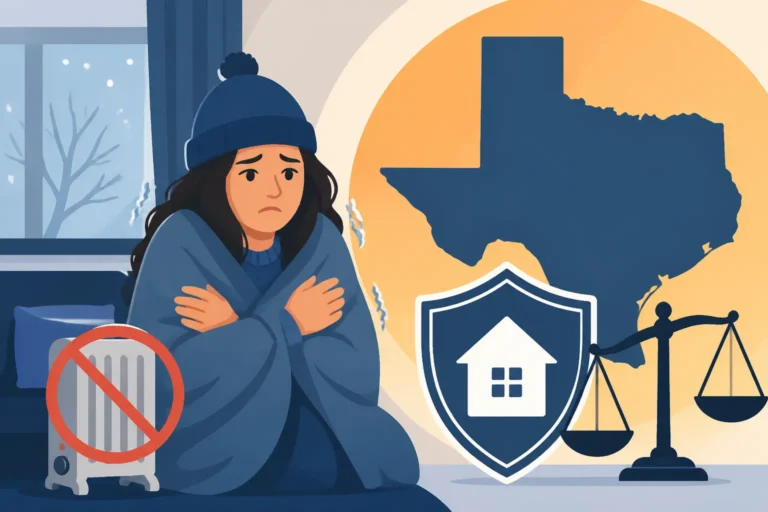
There are few things worse than coming home to a freezing cold apartment, especially when you've done everything right as a tenant. When your furnace suddenly decides to quit in the middle of winter, or your landlord seems to be dragging their feet on getting a crucial repair done, it feels like an immediate crisis. This comprehensive guide is here to walk you through your fundamental tenant rights when facing a no-heat situation, explaining your landlord's obligations and the specific actions you can take, state by state, to get your heat back on or seek appropriate remedies.
Understanding Your Right to Heat: The Implied Warranty of Habitability
When you rent a home, you're not just renting four walls and a roof. You're entering into an agreement where your landlord implicitly promises that the property will be safe, clean, and fit for human habitation. This is known as the "implied warranty of habitability," and it's a cornerstone of landlord-tenant law across the United States. A functioning heating system, especially during colder months, is almost universally considered a fundamental component of a habitable living space.
What "Habitable" Actually Means
The concept of habitability isn't just about personal comfort; it's about essential living conditions. While the specific definition can vary slightly, it generally means that the rental property must meet basic health and safety standards. This includes things like structural soundness, proper plumbing, safe electrical wiring, pest control, and, crucially, adequate heating. If your apartment becomes uninhabitable due to a lack of heat, it means your landlord has breached this fundamental warranty, opening the door for you to take action. This principle is a key part of your Implied Warranty of Habitability Explained.
For example, if you live in Boston, Massachusetts, and your heat goes out in January, that's a clear habitability issue. The outdoor temperatures can drop below freezing, making your apartment not just uncomfortable but potentially dangerous, especially for children, the elderly, or those with health conditions. It's not just about feeling chilly; it's about the risk of hypothermia, burst pipes, and other serious problems that can arise when a living space lacks proper heating during cold weather.
Why Heat is a Non-Negotiable Necessity
Imagine trying to sleep, cook, or even just exist in your own home when the indoor temperature is consistently below 50 degrees Fahrenheit. It's not just unpleasant; it affects your health, your well-being, and your ability to function normally. For many states, a minimum indoor temperature is legally mandated during specific "heating seasons." This isn't a luxury; it's a necessity, often enshrined in local housing codes and state statutes.
Even in states with milder climates, if the heating system was present and functional at the time you moved in, it generally falls under the landlord's responsibility to maintain it. The expectation is that you will have access to the amenities that were part of the rental agreement. A landlord's failure to provide heat isn't just an inconvenience; it can be a serious disruption to your life and a violation of your tenant rights. This is why understanding Landlord Repair Responsibilities What They Must Fix is so critical.
Initial Steps When Your Heat Goes Out
It's natural to feel frustrated and even a bit panicked when your heat stops working. But before you do anything drastic, it's essential to follow a clear, documented process. This protects you legally and helps ensure your landlord takes your request seriously.
Documenting the Problem Thoroughly
As soon as you notice the heat is out, start documenting everything. This evidence will be crucial if you need to take further action.
- Date and Time: Note the exact date and time you discovered the problem.
- Temperature Readings: Use a thermometer (or even a weather app that shows indoor temperature if available) to record the temperature inside your unit. Take photos of the thermometer reading.
- Video Walkthrough: Take a video of your apartment showing the thermostat, any visible damage (like frozen pipes if applicable), and the general coldness of the space. Narrate the video, stating the date and time.
- Affected Areas: Is the entire unit cold, or just certain rooms? Note this down.
- Tenant Efforts: Did you try resetting the thermostat or checking the circuit breaker? Document any attempts you made to resolve the issue yourself before contacting the landlord.
This detailed documentation creates an undeniable record of the problem and its severity, making it harder for your landlord to claim they weren't aware or that the issue wasn't significant.
Notifying Your Landlord in Writing
This is perhaps the most critical step. Always notify your landlord or property manager in writing. While a phone call might seem quicker, it leaves no paper trail. An email, text message, or certified letter serves as proof that you informed them.
In your written notice, include:
- The date and time of the notice.
- Your address and unit number.
- A clear description of the problem (e.g., "The heating system stopped working entirely on [date] at [time]. The indoor temperature is currently [temperature] degrees Fahrenheit.").
- A request for immediate repair, referencing your right to a habitable living space.
- A reasonable deadline for the repair, considering the urgency of a no-heat situation (e.g., "Please have the heat restored within 24-48 hours, as this is an emergency repair.").
- State that you expect prompt action as per your lease agreement and state law.
Keep copies of all communication, including timestamps for emails and read receipts for texts if possible. If you send a physical letter, use certified mail with a return receipt requested. This formal approach demonstrates that you are serious and aware of your rights. For guidance on how to phrase this, you might find tips in resources like How to Request Repairs in Writing.
Understanding Emergency Repair Timelines
A lack of heat, especially in cold climates, is almost universally considered an emergency repair. This means your landlord typically has a much shorter timeframe to respond and fix the issue compared to non-emergency repairs. While specific timelines vary by state, common expectations range from 24 to 72 hours. Some states even have "reasonable time" clauses that imply immediate action for such critical issues.
It's important to differentiate between an "emergency" (like no heat) and a regular repair (like a leaky faucet). Landlords often have different protocols for each. Knowing these timelines helps you determine if your landlord is meeting their legal obligations or dragging their feet, which could then open up other avenues for you to resolve the problem. Learning about What Counts as an Emergency Repair can further clarify these distinctions.
State-Specific Tenant Rights for No Heat
The specifics of tenant rights regarding heat can vary significantly from one state to another, and even by city or county. It's crucial to know the laws that apply exactly where you live. While federal law sets a baseline for habitability, state and local ordinances often provide more detailed protections and stricter requirements.
Let's dive into some examples of how different states approach the "no heat" dilemma.
California's Specific Protections
California is known for its strong tenant protections. For landlords, maintaining a habitable living space, including providing adequate heating, is a fundamental responsibility under Civil Code 1941.1.
- Heating Requirements: Landlords must maintain "heating facilities which conformed to applicable law at the time of installation, and maintained in good working order." There isn't a statewide minimum temperature, but local ordinances (like in San Francisco or Los Angeles) often set specific minimums, usually around 68 degrees Fahrenheit during certain hours.
- Repair Timeline: For issues that affect habitability, like a lack of heat, California law generally allows the landlord a "reasonable time" to make repairs, often interpreted as 24 to 72 hours for urgent problems. If the landlord fails to act within this reasonable time after receiving written notice, tenants have several options, including "repair and deduct" or "withholding rent."
- Remedies: If a landlord fails to provide essential services like heat after proper written notice and a reasonable time to repair, a tenant may Repair and Deduct by State (if the cost is less than one month's rent or twice in a 12-month period) or abandon the premises. Suing for damages or contacting local housing authorities are also options. Property management companies, including those that use platforms like TurboTenant to manage their properties, should be well aware of these strict guidelines.
New York's Heating Season Regulations
New York, particularly New York City, has some of the most detailed and robust heating regulations in the country due to its harsh winters.
- Heating Season: New York City's heating season runs from October 1st through May 31st.
- Minimum Temperatures: During this period, if the outdoor temperature falls below 55 degrees Fahrenheit between 6 AM and 10 PM, the indoor temperature must be at least 68 degrees Fahrenheit. If the outdoor temperature falls below 40 degrees Fahrenheit between 10 PM and 6 AM, the indoor temperature must be at least 62 degrees Fahrenheit.
- Repair Timeline: Landlords are expected to address heat outages promptly. While no specific universal legal deadline is set in hours for repairs, a lack of heat is an emergency, and landlords are expected to act immediately. Failure to provide heat is a serious violation.
- Remedies: Tenants can call 311 to report heat or hot water outages in NYC. The Department of Housing Preservation and Development (HPD) will investigate and issue violations, which can lead to emergency repairs by HPD and charges to the landlord. Tenants may also be able to withhold rent and place it into an escrow account, but this should always be done with legal advice, as improper withholding can lead to eviction. For more on this, check out Withholding Rent & Rent Escrow.
Texas Approaches to Essential Utilities
Texas landlord-tenant laws are generally more landlord-friendly compared to states like California or New York, but there are still clear protections for essential services like heat.
- Heating Requirements: Under the Texas Property Code, landlords must make a diligent effort to repair or remedy conditions that materially affect the physical health or safety of an ordinary tenant. This explicitly includes a lack of heating.
- Repair Timeline: After a tenant provides written notice of a condition materially affecting health and safety (including no heat), the landlord generally has a "reasonable period" to make the repair, usually considered to be seven days. However, for true emergencies like no heat in freezing temperatures, a "reasonable period" could be much shorter. It's crucial for the tenant to specify the urgency.
- Remedies: If the landlord fails to repair after reasonable written notice, the tenant may terminate the lease, repair the condition and deduct the cost from the rent (if the cost is less than one month's rent or $500, whichever is greater, and certain conditions are met), or sue the landlord. It’s a very strict process, and tenants must be careful to follow the law precisely to avoid jeopardizing their tenancy.
Massachusetts Minimum Heat Requirements
Massachusetts is another state with robust tenant protections, especially concerning heat during colder months.
- Heating Season: The heating season in Massachusetts is from September 15th to June 15th.
- Minimum Temperatures: During this period, landlords must provide heat to maintain a temperature of at least 68 degrees Fahrenheit between 7 AM and 11 PM, and at least 64 degrees Fahrenheit between 11 PM and 7 AM.
- Repair Timeline: Landlords are expected to make emergency repairs, including heat outages, as quickly as possible. If the lack of heat creates an immediate threat to the tenant's health or safety, tenants can contact the local Board of Health, which can order the landlord to make repairs immediately or arrange for emergency repairs and bill the landlord.
- Remedies: Tenants may choose to Withholding Rent & Rent Escrow (after specific legal steps are followed, including giving proper notice and allowing a reasonable time for repair), or they can terminate the lease. Local housing authorities or legal aid societies are excellent resources for tenants facing no-heat situations in Massachusetts.
Florida's Unique Stance on Heat
Florida, being a state known for its heat, has different priorities regarding heating than northern states. While landlords must provide a safe and habitable living environment, the legal emphasis on heating is considerably less.
- Heating Requirements: Florida Statute 83.51 requires landlords to provide "facilities for heating water and heat during winter, air-conditioning, and clean and safe condition of the premises" in a multi-family dwelling, unless it's specifically excluded in the lease for single-family homes or duplexes. However, there are no specific minimum temperature requirements statewide. The "during winter" clause is vague and often interpreted less stringently than in colder states.
- Repair Timeline: For essential services like heat, the landlord must respond to a written notice from the tenant within seven days. If the issue is not remedied within that time, the tenant has recourse.
- Remedies: If the landlord fails to provide heat after proper written notice and seven days, the tenant may terminate the rental agreement, or, if the failure is "willful and not due to circumstances beyond the landlord's control," the tenant may recover damages. Repair and deduct is generally not permitted under Florida law. If you're a tenant in Florida and experiencing heat issues, ensure your notice is specific about the temperature and the adverse impact on your health and safety.
Here's a quick summary table of key state differences for no-heat situations:
| State | Heating Season | Daytime Minimum Temp (F) | Nighttime Minimum Temp (F) | Typical Repair Timeline (after notice) | Common Remedies (if landlord fails) |
|---|---|---|---|---|---|
| California | Year-round | No statewide min | No statewide min | "Reasonable time" (24-72 hrs for emergencies) | Repair & Deduct, Lease Termination, Sue |
| New York City | Oct 1 – May 31 | 68 (if <55F outside) | 62 (if <40F outside) | Immediate action for emergency | Call 311 (HPD), Rent Withholding (escrow) |
| Texas | Year-round | No specific min | No specific min | "Reasonable period" (often 7 days, faster for emergencies) | Repair & Deduct (strict rules), Lease Termination |
| Massachusetts | Sep 15 – Jun 15 | 68 | 64 | Immediate action for emergency | Board of Health, Rent Withholding (escrow), Lease Termination |
| Florida | "During winter" | No specific min | No specific min | 7 days | Lease Termination, Sue for damages |
Note: This table provides general guidelines. Local ordinances may impose stricter requirements.
It's clear that your specific location plays a huge role in determining your Tenant Rights for No Heat by State. Always check your local city or county housing codes, as they can sometimes offer even stronger protections than state law.
Potential Remedies and Next Steps
If you've followed the initial steps, given proper notice, and your landlord still hasn't remedied the no-heat situation within the legal timeframe, you have further options. These remedies are designed to help you regain a habitable living space or recover damages, but they often come with legal complexities, so proceed carefully.
Repair and Deduct Options
The "repair and deduct" remedy allows you, under very specific circumstances, to pay for the repair yourself and then subtract the cost from your next rent payment. This can be incredibly empowering, but it's also one of the riskiest remedies if not executed perfectly according to your state's laws.
Here's what generally needs to happen for "repair and deduct" to be legal:
- Written Notice: You must have provided your landlord with proper written notice of the defect.
- Reasonable Time: You must have given your landlord a "reasonable time" (as defined by your state or local law) to make the repair. For no heat, this time is typically very short.
- Essential Service: The defect must affect an essential service or make the unit uninhabitable. Heat unequivocally qualifies.
- Cost Limit: There's often a cap on how much you can deduct, usually one month's rent or a set dollar amount, and some states limit how often you can use this remedy within a year.
- Professional Repair: You should obtain estimates and choose a qualified professional to perform the repair. Keep all receipts and documentation.
If you don't follow the rules precisely, your landlord could argue you illegally withheld rent, potentially leading to an eviction. This is why understanding Repair and Deduct by State is paramount. Always consult with a tenant rights attorney or a local housing authority before pursuing this option.
Withholding Rent and Escrow Accounts
Some states allow tenants to withhold rent if a landlord fails to maintain habitable conditions, including providing heat. However, this is rarely a simple "stop paying rent" scenario. In many jurisdictions, you must place the rent into an escrow account (a separate account held by a third party, often the court) rather than just keeping it.
The general process for withholding rent through escrow often includes:
- Written Notice: Inform your landlord in writing of the issue and your intent to withhold rent if not remedied.
- Legal Justification: The issue must be a serious habitability defect, like a complete lack of heat in cold weather.
- Court Involvement: You may need to petition the court to set up an escrow account or demonstrate to a judge why withholding was justified.
- Continued Payment: You continue to pay rent, but it goes into the escrow account, demonstrating your good faith and readiness to pay once the repairs are made.
Improperly withholding rent can lead to eviction for nonpayment, which can severely impact your credit and future rental applications. Always seek legal counsel before taking this step. Resources like Withholding Rent & Rent Escrow provide more detailed, state-specific guidance.
Breaking Your Lease for Uninhabitable Conditions
If the lack of heat is severe and persistent, rendering your apartment truly uninhabitable, you might have grounds to break your lease without penalty. This is a drastic measure and should only be considered after exhausting other options and with legal advice.
To legally break a lease due to uninhabitable conditions, you typically need to:
- Document Everything: Maintain meticulous records of the heat outage, your communication with the landlord, and any attempts at repair.
- Proper Notice: Provide your landlord with explicit written notice of the uninhabitable condition and your intent to vacate if it's not resolved within a specified, reasonable timeframe.
- Actual Uninhabitability: The condition must truly make the property unsafe or unhealthy to live in, not just inconvenient. A prolonged absence of heat in freezing temperatures usually meets this criterion.
If done correctly, you might be absolved of further rent obligations. If done incorrectly, you could still be held liable for the remaining lease term. It's crucial to understand Breaking a Lease for Uninhabitable Conditions before taking this route.
Legal Recourse and Reporting Your Landlord
When all else fails, or if your landlord is particularly unresponsive or retaliatory, you might need to pursue legal action or report them to relevant authorities.
- Housing Authorities: Many cities and counties have housing departments or code enforcement agencies that can investigate complaints, issue violations, and even fine landlords for non-compliance. Reporting your landlord for code violations or a lack of heat is often an effective way to prompt action. You can find more information on How to Report a Landlord Code Violations & Retaliation.
- Small Claims Court: You might be able to sue your landlord in small claims court for damages resulting from the lack of heat. This could include the cost of temporary housing, medical bills if the cold caused illness, or a reduction in the rental value of your unit during the period without heat.
- Tenant Rights Organizations: Local tenant unions or legal aid services can provide invaluable advice, and sometimes even representation, free of charge or at a low cost. They are often intimately familiar with local laws and common landlord tactics.
It's also a good idea to ensure you have proper renters insurance, such as a policy from Lemonade, especially if a lack of heat leads to burst pipes and water damage to your personal belongings. While your landlord's insurance, perhaps from providers like Steadily, covers the building structure, your personal property is your responsibility.
Always remember that knowledge is your best defense. Being informed about your tenant rights and following the correct procedures will put you in the strongest position to resolve a no-heat situation and ensure your landlord fulfills their obligations.
Disclaimer
Please remember that this guide provides general information and is not a substitute for legal advice. Landlord-tenant laws are complex and vary significantly by jurisdiction. It is always recommended to consult with a qualified attorney or your local housing authority for advice specific to your situation.