Is My Landlord Responsible for No Hot Water?
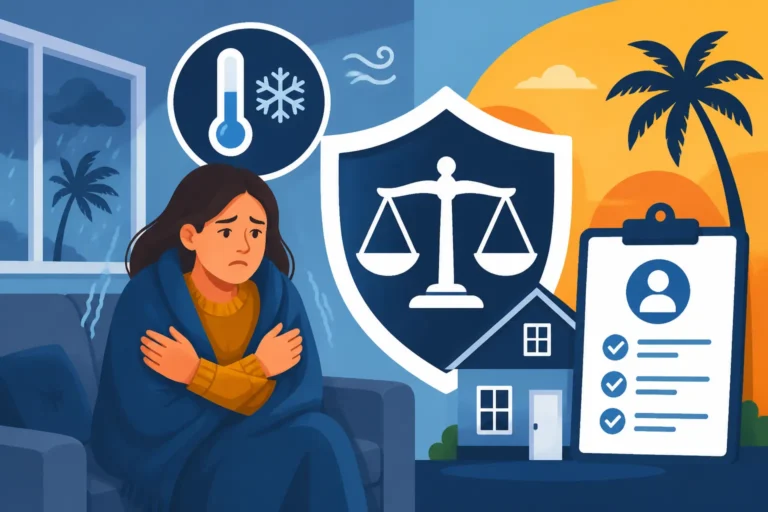
Waking up to a cold shower is one of those jarring, deeply unpleasant experiences that can instantly ruin your day. It’s not just an inconvenience; it can feel like a violation of a basic human right in your own home. When your landlord isn't providing hot water, you're not just dealing with discomfort, you're grappling with a fundamental issue of habitability. This guide is here to walk you through your rights and the steps you can take to get that steamy relief back.
Understanding the Implied Warranty of Habitability and Hot Water
The concept of the "implied warranty of habitability" is the bedrock of tenant rights when it comes to essential services. Simply put, it's an unspoken promise that your rental unit will be safe and livable, regardless of whether it's explicitly written in your lease agreement. Hot water is almost universally considered a core component of that promise.
What Constitutes "Habitable" Anyway?
"Habitable" means your home provides basic living conditions, free from serious health and safety threats. Think about it: a roof over your head, working plumbing, electricity, and heat. Hot water fits right into this category. It's not a luxury; it's essential for basic hygiene, cooking, and sanitation. Imagine trying to wash dishes, take a proper shower, or even clean your hands effectively with only frigid water. It's simply not reasonable to expect someone to live that way. This warranty exists in nearly every state, protecting tenants even if their lease doesn't specifically list hot water as an amenity.
For instance, if you're renting an apartment in San Francisco or an older home in New York, the expectation remains the same: you should have access to working hot water. While the exact definition of "uninhabitable" can vary slightly by jurisdiction, a complete lack of hot water typically falls squarely into this category. You might be surprised to learn what other issues are considered so severe that they make a property uninhabitable; it's a topic worth diving into.
Legal Definitions of Adequate Hot Water
While states generally agree that hot water is required, the specifics can differ. Many jurisdictions define "adequate" hot water by setting minimum temperature requirements. For example, some states or cities mandate that hot water must reach a temperature between 110 and 120 degrees Fahrenheit. The idea is to ensure that the water is hot enough for effective cleaning and personal hygiene without being scalding hot.
Beyond temperature, there's also the expectation of continuous supply. It's not enough for your water to be hot for two minutes and then turn icy cold. You should have a reasonable supply for typical household use. If your hot water tank is too small for the unit, or if the system constantly malfunctions, that could also be seen as a violation, even if it occasionally produces hot water. It’s about reliable access to a fundamental service.
State-Specific Hot Water Laws and Requirements
When it comes to landlord-tenant law, one thing is consistently true: the details can vary significantly from state to state, and sometimes even by city or county. Hot water is no exception. What's considered an emergency repair and the expected timeframe for fixing it can depend heavily on where you live.
Common Hot Water Provision Standards
Most states, under the umbrella of the implied warranty of habitability, require landlords to provide access to hot and cold running water at all times. This isn't just a suggestion; it's a legal obligation. The standards often stipulate that plumbing fixtures must be in good working order and capable of supplying both hot and cold water to all sinks, showers, and tubs.
For example, in California, landlords are generally required to provide adequate hot water at all times. Similarly, in Texas, while less prescriptive about exact temperatures in state law, the general principle of providing safe and habitable housing implies working hot water. The common thread is that this isn't a "nice-to-have"; it's a basic requirement. Landlords must maintain the equipment necessary to provide this service, including water heaters, pipes, and associated utilities.
Minimum Temperature Requirements
Many states go a step further and specify the minimum temperature at which hot water must be delivered. This is crucial for both tenant safety and hygiene. For instance, in Massachusetts, hot water must be supplied at a temperature of at least 110 degrees Fahrenheit and no more than 130 degrees Fahrenheit. In other areas, such as Washington D.C., the requirement is for continuous hot water at a minimum of 120 degrees Fahrenheit.
These specific temperature ranges are important. If your water heater is only producing lukewarm water that doesn't meet the legal minimum, even if it's technically "not cold," your landlord might still be in violation of local housing codes. Knowing your specific state's requirements is an important piece of the puzzle, and can empower you to properly address the issue with your landlord.
What to Do When Your Hot Water Stops Working
Finding yourself without hot water can feel like a crisis, especially when you're just trying to go about your day. But panicking won't get the water hot again. Taking the right steps, and documenting everything, is crucial for protecting your rights and ensuring a swift resolution.
Step 1: Document the Issue Thoroughly
This is perhaps the most critical initial step. Before you do anything else, gather evidence. This isn't about being confrontational; it's about creating a clear, objective record in case there's a dispute down the line.
Start by noting the date and time the hot water stopped working, or when you first noticed it was an issue. Try the hot water in different faucets – the kitchen sink, bathroom sink, shower – to see if the problem is isolated to one area or affects the entire unit. Record the temperature if you have a thermometer, or simply describe how cold the water is. Take a video showing the water running cold from a faucet. Include sound if possible, to show there's no hot water for an extended period. Note any unusual noises coming from the water heater or other plumbing.
If the lack of hot water is causing other problems, document those too. For example, if you can't properly clean dishes and it's leading to unsanitary conditions, take photos. This detailed documentation will serve as your concrete proof should you need to escalate the situation.
Step 2: Notify Your Landlord in Writing
Once you've documented the problem, the next step is to formally notify your landlord. It's absolutely essential to do this in writing, even if you’ve already had a verbal conversation. Written communication creates a clear, undeniable record of when you reported the issue and what you reported.
Send a polite but firm letter or email detailing the problem. Include:
- Your name and address.
- The date and time you first noticed the problem.
- A clear description of the issue (e.g., "no hot water coming from any faucet").
- A request for prompt repair.
- A mention of the implied warranty of habitability and your state's specific laws regarding hot water, if you know them.
- Your contact information.
Keep a copy of this communication for your records. If you send a physical letter, send it via certified mail with a return receipt requested. This provides proof of delivery. For emails, save a copy, including the date and time sent. Services like TurboTenant often provide communication tools that can help tenants send formal notices and landlords track repair requests, creating a handy digital paper trail. Remember, the landlord cannot be held responsible for something they were never officially informed about.
Step 3: Understand Your Landlord's Repair Timeline
After notifying your landlord, they have a "reasonable" amount of time to make the repairs. What constitutes "reasonable" often depends on the severity of the issue and state law. A complete lack of hot water is almost always considered an urgent or emergency repair, meaning your landlord has a much shorter timeframe to fix it than, say, a leaky faucet.
In many states, essential service failures like no heat or no hot water require repairs within 24 to 72 hours. Some states, like California, specify 24 hours for no hot water, while others might give a landlord 3 to 7 days, even for what feels like an emergency. It's critical to know the specific repair timelines in your state. Generally, if the issue impacts your health and safety or prevents you from performing basic daily tasks, it's considered an emergency.
If your landlord needs to enter your unit to make repairs, they typically still need to provide proper notice, though this notice period might be shorter in an emergency. Being aware of the local rules on landlord entry for repairs can help you navigate this process smoothly.
When the Landlord Isn't Responding or Making Repairs
It's incredibly frustrating when you've done everything right – documented the problem, sent formal notice – and your landlord still isn't taking action. When your calls go unanswered or weeks pass with no repair, you need to understand your options. Just know that some of these options come with significant risks and should be approached with extreme caution and, ideally, legal advice.
Repair and Deduct Options
The "repair and deduct" remedy allows tenants in some states to pay for necessary repairs themselves and then deduct the cost from their next rent payment. This can sound like a powerful tool, but it's highly regulated and often comes with strict conditions.
To legally use repair and deduct:
- The repair must be for a serious issue affecting habitability (like lack of hot water).
- You must have given your landlord proper written notice and a reasonable opportunity to make the repair.
- The cost of the repair must typically be reasonable and not exceed a certain percentage of your monthly rent or a specific dollar amount (e.g., one month's rent).
- You must keep all receipts and proof of payment.
Failing to follow your state's specific "repair and deduct" laws precisely can lead to your landlord claiming you withheld rent, potentially resulting in an eviction. Before considering this, research your state's specific Repair and Deduct laws by state and consult with a tenant rights attorney or housing authority. It's not a step to take lightly.
Withholding Rent with Extreme Caution
Another option that often comes to mind for frustrated tenants is withholding rent. However, this is perhaps the riskiest path and can have severe consequences, including eviction, if not done correctly and legally. In most states, simply withholding rent is not allowed, even if your landlord is failing on their responsibilities.
Some states do permit rent withholding under very specific circumstances, often requiring you to place the rent money into an escrow account. This demonstrates that you have the rent money and are willing to pay, but are withholding it because your landlord isn't upholding their end of the lease regarding habitability. If you do consider this, it's paramount to understand the Withholding Rent & Rent Escrow process for your specific location.
I cannot stress this enough: Never withhold rent without thoroughly understanding your local laws and, if possible, getting legal counsel. A mistake here could lead to an Eviction for Nonpayment of Rent, which can severely impact your rental history and ability to find housing in the future.
Pursuing Legal Action or Filing a Complaint
If your landlord remains unresponsive or outright refuses to fix the hot water issue, you have avenues to formally complain or take legal action.
- Contact Your Local Housing Authority: Many cities and counties have housing departments or code enforcement offices that can inspect properties for habitability violations. If they find your landlord is in violation, they can issue citations and force repairs. This is often a less aggressive but effective route.
- Tenant Rights Organizations: Non-profit tenant advocacy groups can provide free or low-cost legal advice and guidance on how to navigate these situations. They're often well-versed in local laws and can offer practical strategies.
- Small Claims Court: If the lack of hot water has caused you financial damages (e.g., having to pay for a hotel, buying bottled water for hygiene, or even medical bills if you got sick from lack of sanitation), you might be able to sue your landlord in small claims court to recover those costs.
- Full Lawsuit: In extreme cases, or if you believe your landlord is intentionally causing you distress, a full lawsuit might be an option. This is almost always done with a lawyer and is reserved for very serious situations.
Remember that landlords cannot retaliate against you for exercising your legal rights, such as reporting code violations or seeking repairs. If they try to evict you or raise your rent after you've made a legitimate complaint, it could be considered a retaliatory eviction, which is illegal.
Important Exceptions and Tenant Responsibilities
While the implied warranty of habitability places the primary responsibility for hot water on the landlord, there are situations where a tenant's actions can affect or even negate that responsibility. It's a two-way street, and understanding your part helps ensure a smoother process.
Tenant-Caused Damage
If the lack of hot water is directly caused by something you, another occupant, or your guests did, then the responsibility for repair (and the cost) likely falls on you. For example:
- Tampering with the water heater: If you tried to "fix" the water heater yourself and caused further damage, the landlord typically isn't responsible for those repairs.
- Clogging drains with improper items: While not directly hot water, if gross misuse of plumbing leads to a larger system failure that affects the water heater, it could be traced back to tenant responsibility.
- Failing to report a known issue: If you noticed a small leak in the water heater for weeks and didn't report it, allowing it to escalate into a complete failure, your negligence might be factored in.
In these scenarios, the landlord may still make the repairs, but they will likely charge you for the costs involved. This reinforces the importance of clear communication and not attempting repairs beyond your capabilities.
Minor Issues vs. Major Failures
Not every hot water hiccup constitutes a breach of the implied warranty of habitability. There's a difference between a temporary, minor inconvenience and a significant, ongoing problem.
- Minor Issue Example: The hot water runs out a little faster than usual because you and your roommates all took extra-long showers back-to-back. This is a usage issue, not a defect in the system. Or, a brief interruption in service due to routine maintenance (e.g., city-wide water main work) would not be the landlord's fault, especially if proper notice was given.
- Major Failure Example: The water heater is completely broken and producing no hot water at all, or it's only producing lukewarm water that doesn't meet minimum temperature requirements, day after day, despite your landlord being notified. This is a clear habitability issue.
The key is severity and duration. A one-off incident where the hot water runs out quickly due to high demand is different from a persistent problem where the system itself is failing. Landlords are generally not responsible for issues that are temporary, minor, or easily resolved without professional intervention, but they are responsible for ensuring the system works as intended.
Even if the problem isn't directly your fault, having renter's insurance can provide an extra layer of protection. Providers like Lemonade offer policies that might cover temporary living expenses if a habitability issue, like a prolonged lack of hot water, forces you out of your home. It’s always a good idea to consider what your policy covers for unexpected situations.
Common Hot Water Repair Expectations
To give you a better idea of what to expect, here's a general overview of hot water requirements and typical repair timelines. Keep in mind that these are general and specific laws in your city or state will always take precedence.
| Requirement Category | Typical Standard | Example States/Cities | General Repair Timeline (Emergency) |
|---|---|---|---|
| Minimum Temperature | 110-120°F (often at the faucet) | MA (110-130°F), DC (120°F) | 24-72 hours |
| Continuous Supply | Reasonable supply for normal household use | Most states (Implied Warranty) | 24-72 hours |
| Working Equipment | Functional water heater, pipes, and fixtures | All states (Habitability) | 24-72 hours |
| Reporting Requirement | Written notice to landlord | All states | N/A (Tenant Action) |
| Tenant Damage | Tenant responsible for repairs if self-caused | All states | Varies (Tenant pays) |
(Note: These are general guidelines. Always check your specific state and local laws.)
Disclaimer
The information provided in this guide is intended for general informational purposes only and does not constitute legal advice. Landlord-tenant laws vary significantly by jurisdiction, and the specifics of your situation may require professional legal counsel. Always consult with a qualified attorney or local housing authority for advice tailored to your individual circumstances.