Tenant Rights With No Heat in Maryland
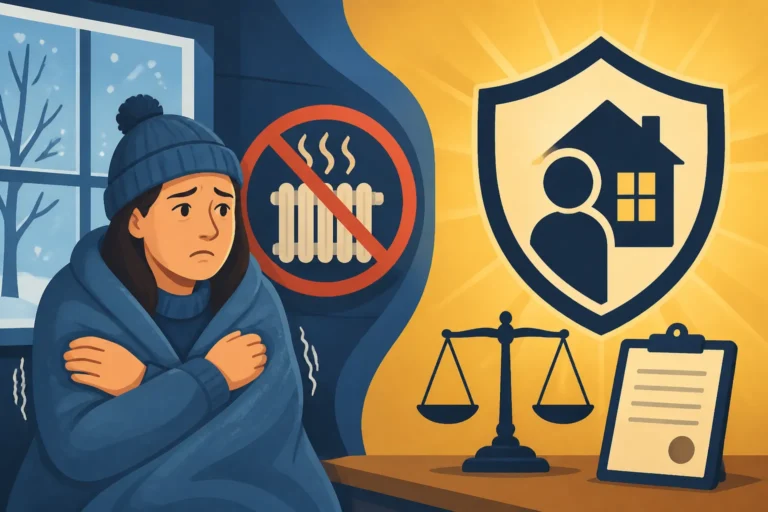
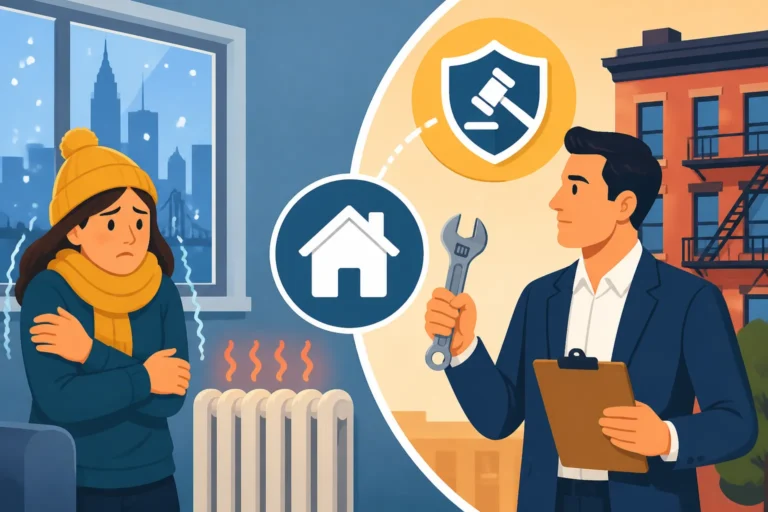
Few things are as frustrating, or frankly, as miserable, as your heating system giving out right when the Maryland winter decides to show its true colors. You're bundled up indoors, shivering, maybe eyeing that space heater with a mix of desperation and caution, all while wondering, "What are my rights here? My landlord has to fix this, right?" This isn't just about comfort; it's about habitability and safety. This guide is here to walk you through exactly what you can do when your landlord isn't providing adequate heat, detailing your rights and the steps you can take to get warm again.
Understanding Your Fundamental Right to Heat in Maryland
Living in a rental property comes with certain expectations, and chief among them is the right to a safe and habitable living environment. In Maryland, this isn't just a suggestion; it's a legal obligation for landlords, particularly when it comes to providing essential services like heat. You pay good money for your home, and you deserve more than to shiver through the colder months.
The Implied Warranty of Habitability and Heat Requirements
The concept of the "implied warranty of habitability" is the bedrock of tenant rights when it comes to living conditions. It's an unspoken promise, inherent in every rental agreement, that your rented space will be safe, clean, and fit for human habitation. This isn't something that needs to be explicitly written in your lease; it's understood. When your heat goes out, especially during colder periods, it directly impacts this warranty. Maryland law is quite clear: landlords are generally responsible for maintaining the property to be fit for habitation.
Specifically, under Maryland law, landlords must provide and maintain a safe and habitable dwelling. This absolutely includes a functioning heating system. The exact regulations can vary slightly by county or city, but the general principle is statewide. For instance, in Baltimore City, landlords are required to provide heat sufficient to maintain a temperature of at least 68 degrees Fahrenheit between October 15 and April 15. Many other counties have similar provisions, recognizing that consistent, adequate heat is not a luxury, but a necessity during the colder months. A broken heating system isn't just an inconvenience; it can be a serious health hazard, especially for families with young children, the elderly, or individuals with certain medical conditions. Your home should be a sanctuary, not a freezer.
When Your Landlord Must Provide Heat
It’s crucial to understand the specific circumstances under which your landlord is obligated to provide heat. Generally, if your heating system is broken or stops working due to issues beyond your control, it falls squarely on your landlord to fix it. This isn't about you accidentally turning off the pilot light or neglecting to pay your gas bill if you're responsible for utilities. This is about the fundamental infrastructure of the property.
Your landlord is responsible for the proper functioning of the heating equipment provided, whether it’s a furnace, boiler, heat pump, or baseboard heaters. This includes routine maintenance, necessary repairs, and ensuring the system can adequately heat your home to a safe and comfortable temperature, often defined by local ordinances. If your lease specifies that the landlord provides heat (meaning utilities are included in your rent), then they are responsible for ensuring that heat is supplied. If you are responsible for paying the heating utility bills, the landlord is still responsible for ensuring the system itself is operational and capable of providing heat.
There are, of course, exceptions. If you caused the damage to the heating system, perhaps by tampering with it or through negligence, then the repair responsibility would likely fall on you. However, for standard wear and tear or unexpected breakdowns, it's the landlord's problem to solve. They can't simply shrug their shoulders and tell you to buy a space heater. That's simply not how the implied warranty of habitability works.
What to Do When Your Heat Goes Out: Immediate Steps
When the heat suddenly decides to quit, panic can set in, especially when it's freezing outside. But taking a structured approach can make all the difference in resolving the issue quickly and protecting your rights. Your first instinct might be to call your landlord in a flurry, but a few calm, deliberate steps beforehand can put you in a much stronger position.
Documenting the Problem Thoroughly
Before you even pick up the phone, start gathering evidence. This is perhaps the most critical step you can take. Pictures and videos are your best friends here.
- Take photos or videos: Document the thermostat reading showing a low temperature, especially if it's below recommended habitable levels (like that 68 degrees Fahrenheit mark in Baltimore). Show any visible signs of the heating system not working – a pilot light that's out, error codes on a digital display, or even frosty windows and your breath visible indoors.
- Note the date and time: Keep a meticulous log of when the heat went out, when you first notified your landlord, and every subsequent communication.
- Witness statements: If you have roommates, family members, or even neighbors who can attest to the lack of heat, their statements can be helpful.
This documentation serves as irrefutable proof should you need to escalate the issue later. It’s not about being confrontational; it’s about having a clear, objective record of the situation. Think of it like taking pictures of your apartment at move-in; that initial documentation can save you a lot of grief down the line. You can learn more about how crucial this is in our guide on How to Document Your Apartment at Move-In. This attention to detail will be invaluable if you ever need to formally dispute deductions from your security deposit, for example.
Communicating with Your Landlord Effectively
Once you have your documentation, it’s time to formally notify your landlord. While a quick phone call might seem easiest, always follow up in writing. This creates a paper trail that proves you gave proper notice.
- Initial Notification: Call your landlord or property manager immediately. Explain the situation clearly and calmly.
- Written Notice: Send a written notice (email is often sufficient if your lease specifies it, but certified mail with a return receipt is even better for undeniable proof) detailing the issue. Include:
- The date and time the heat went out.
- The current temperature in your unit (with photographic evidence if possible).
- A clear statement that the lack of heat makes the unit uninhabitable, especially given the outdoor temperatures.
- A request for immediate repair.
- A reasonable deadline for the repair to be completed. Maryland doesn't always specify an exact number of hours for emergency repairs like no heat, but generally, "as soon as reasonably possible" is the standard. For something critical like heat in winter, this could mean within 24-72 hours.
- Mention that you are aware of your tenant rights under Maryland law regarding habitability.
Keep copies of all correspondence. If your landlord uses an online portal, make sure to submit a maintenance request through it, and take screenshots for your records. Some landlords might even appreciate using systems like TurboTenant for managing requests, which could also help create a formal record. This clear, written communication is vital. Without it, your landlord could later claim they were never properly notified, weakening your position significantly.
Exploring Your Legal Options When a Landlord Fails to Act
So, you’ve documented everything, notified your landlord in writing, and waited a reasonable amount of time, but still, nothing. The cold is creeping in, and you're at your wit's end. This is where you might need to consider more serious steps to enforce your rights. Maryland offers a few avenues for tenants when landlords neglect essential repairs.
Repair and Deduct: A Look at Maryland's Approach
The "repair and deduct" remedy allows tenants to arrange for necessary repairs themselves and then deduct the cost from their next rent payment. Sounds great, right? However, this is usually a very risky option and Maryland has very specific and strict conditions that must be met. You absolutely cannot just decide to fix something and subtract it from your rent without following the law to the letter. Making a mistake here could lead to an eviction for non-payment of rent.
In Maryland, the ability to repair and deduct generally applies only to very specific, severe issues that directly affect health and safety, like a lack of heat, running water, or electricity. Even then, you usually need to:
- Give proper written notice: You must inform your landlord in writing (certified mail is highly recommended) about the issue and your intent to repair and deduct if they don't fix it within a reasonable timeframe. The notice must usually be sent after the initial reasonable notice period has passed and the landlord has still failed to act.
- Wait a statutory period: Maryland law typically requires you to wait a certain number of days (e.g., 20 days or 30 days, depending on the severity and location) after providing notice for the landlord to make the repair. For truly emergency conditions like no heat, this period might be shorter, but it's still not instantaneous.
- Obtain professional quotes: Get at least two written estimates from qualified professionals for the repair.
- Keep receipts: Only deduct the actual cost of the repair, and keep all receipts and invoices.
- The amount is often capped: There are usually limits to how much you can deduct, often a percentage of your monthly rent or a flat dollar amount.
Given these complexities, it is always, always advisable to consult with an attorney or a local tenant advocacy group before attempting to repair and deduct. This isn't a casual DIY project. You don't want to end up in a situation where you believe you're within your rights, only to face legal action from your landlord. Our detailed guide on Repair and Deduct by State goes into more specific requirements across different jurisdictions.
Withholding Rent and Rent Escrow: Navigating the Risks
Another option for serious habitability issues in Maryland is to withhold rent, but this is also fraught with peril if not done correctly. Simply withholding rent without following legal procedures can lead to your landlord initiating an eviction process against you. This is why "rent escrow" is often the safer, legally recognized method in Maryland.
With rent escrow, instead of just not paying rent, you deposit your rent money into a special account with the court, rather than paying it directly to your landlord. This shows the court that you have the money and are willing to pay, but you're doing so because the landlord has failed in their obligations. To pursue rent escrow in Maryland, you typically need to:
- Provide written notice: Inform your landlord in writing about the serious defect (like no heat) and your intention to pay rent into escrow if it's not fixed.
- Wait a reasonable period: Allow your landlord a reasonable time to make repairs (again, this can vary, but for no heat, it's typically expedited).
- File with the court: If the landlord fails to act, you can file a "Rent Escrow" complaint with the District Court. You'll need proof of your written notice and documentation of the problem.
- Pay rent into court: You must continue to pay your full rent amount into the court as it becomes due.
The court will then hold a hearing. If the court finds in your favor, they can order the landlord to make repairs, allow you to remain in the property, and potentially reduce your rent for the period the property was uninhabitable, or even use the escrowed funds to pay for repairs. While this process offers a legal pathway, it requires diligent adherence to court procedures and can be time-consuming. It’s a serious step for serious problems. Read more about the nuances in our guide on Withholding Rent & Rent Escrow.
Seeking Legal Aid and Housing Authority Assistance
If you find yourself overwhelmed by the legal jargon and procedural requirements, don't try to navigate it alone. There are resources available to help Maryland tenants.
- Legal Aid Societies: Organizations like the Maryland Legal Aid Bureau provide free legal assistance to low-income residents in civil matters, including landlord-tenant disputes. They can offer advice, help you draft letters, or even represent you in court.
- Tenant Hotlines and Advocacy Groups: Many counties and cities have tenant advocacy groups or hotlines that can provide guidance, explain local laws, and connect you with resources. For example, in Montgomery County, the Department of Housing and Community Affairs offers housing counseling.
- Local Housing Authorities and Code Enforcement: Your local housing authority or city/county code enforcement department can be invaluable. If your landlord is violating housing codes (like failing to provide adequate heat), you can file a complaint with them. They can inspect the property, issue citations to your landlord, and compel them to make repairs. This can often be a quicker and less stressful route than court action, as the burden of enforcement falls on the government agency.
Remember, you don't have to be a legal expert to assert your rights. These organizations are there to help ensure you have a safe and warm home.
Preventing Future Heating Headaches: Proactive Measures
While knowing your rights when the heat goes out is essential, taking proactive steps can help prevent these situations from happening in the first place or at least make resolving them much smoother. A little foresight can save a lot of frigid discomfort.
Thorough Move-In Inspections
The importance of a detailed move-in inspection cannot be overstated. This is your first line of defense against disputes over property condition later on, and it includes the heating system. Before you even unpack your boxes, you should:
- Test everything: Turn on the heat (even if it's summer, just for a few minutes if possible) to confirm it's working. Check all vents, radiators, or heating elements.
- Document existing conditions: Note any pre-existing issues with the heating system in writing on your move-in checklist. Take photos or videos of the thermostat, furnace, or boiler, documenting their condition. This creates a baseline.
- Get it in writing: Ensure your landlord or property manager signs off on the move-in inspection checklist.
If you skip this step, and the heating system fails a few weeks into your tenancy, it becomes much harder to prove it wasn't due to something you did or an issue that predated your occupancy. A thorough inspection protects your security deposit and helps clarify maintenance responsibilities. Our guide on the Move-In / Move-Out Inspection Guide has even more tips for this critical process.
Understanding Your Lease Agreement
Your lease agreement is a binding contract, and it's vital that you understand every clause, especially those pertaining to utilities, maintenance, and repairs. Many tenants rush through signing a lease, only to find themselves surprised by certain conditions later.
- Read the fine print: Pay close attention to sections detailing who is responsible for specific utilities, appliance maintenance, and emergency repairs. Does your lease require you to pay for gas or electric heat? Or is it included in your rent?
- Heating clauses: Some leases will explicitly mention the landlord's responsibility to provide a functional heating system, or even specific temperature requirements if local ordinances are silent.
- Reporting procedures: Your lease might outline the specific method for reporting maintenance issues (e.g., through an online portal, via email, or by phone). Following these procedures is crucial for ensuring your landlord receives proper notice.
If anything in the lease seems unclear or contradictory, ask your landlord for clarification in writing before you sign. Don't assume anything. Understanding your lease is key to knowing your rights and obligations, whether you're dealing with a no-heat emergency or just trying to figure out What to Include in a Lease Agreement from a tenant's perspective. It can also illuminate what landlord insurance policies, like those offered by Steadily, might cover on their end, though this is less directly about your rights. Furthermore, considering renter's insurance from providers like Lemonade could offer you peace of mind, covering potential displacement costs if an uninhabitable situation like prolonged lack of heat forces you to temporarily relocate.
The table below summarizes some key aspects of tenant rights related to heat in Maryland:
| Aspect | Maryland Tenant Right/Landlord Obligation | Key Action for Tenant |
|---|---|---|
| Right to Habitability | Landlords must provide a safe and habitable dwelling, including a functional heating system. | Document lack of heat immediately. |
| Minimum Temperatures | Many local ordinances (e.g., Baltimore City) require a minimum of 68°F during specific colder months. | Note thermostat readings as proof. |
| Landlord Repair Duty | Landlords are responsible for repairing non-tenant-caused failures of the heating system. | Provide clear, written notice (email/certified mail) to landlord. |
| Response Time | Repairs must be made within a "reasonable" time; for emergencies like no heat, this is typically expedited. | Set a reasonable deadline in your written notice. |
| Repair & Deduct | Generally allowed under very strict conditions for serious defects after proper notice and waiting periods. | Consult legal aid; document everything; get multiple quotes; keep receipts. |
| Rent Escrow | Legal option to pay rent into court for serious, unresolved habitability issues after proper notice. | File a complaint with District Court; continue to pay rent into court. |
| Code Enforcement | Local housing authorities/code enforcement can compel landlords to make repairs for violations. | File a complaint with your local city/county housing department. |
Navigating a no-heat situation can be daunting, but by understanding your rights in Maryland and taking methodical, documented steps, you empower yourself to ensure your landlord fulfills their legal obligations and provides you with a safe, warm home.
Disclaimer
Please remember that this guide provides general information about landlord-tenant law in Maryland and is not intended as legal advice. Laws can change, and specific situations may require personalized counsel. It is always recommended to consult with a qualified attorney or a tenant advocacy organization for advice regarding your particular circumstances.