Repair and Deduct Laws in New Jersey
It's absolutely maddening when you're paying hard-earned rent, expecting a safe and livable home, and your landlord simply won't address critical repairs. You've sent emails, made calls, maybe even left voicetoicemails, and still, that leaky ceiling or broken furnace goes unfixed. This guide is here to empower you with knowledge. We're going to dive deep into New Jersey's "repair and deduct" laws, explaining exactly how this tenant right works, when you can use it, and the essential steps you need to take to resolve those frustrating repair issues and protect yourself legally.
Understanding the Repair and Deduct Remedy
The "repair and deduct" remedy is a crucial tool in a tenant's arsenal, allowing you to take matters into your own hands when a landlord fails to uphold their responsibility to maintain a habitable living space. It's a way to ensure that necessary repairs are made, even if you have to pay for them upfront, by subtracting the cost from your future rent payments.
What is "Repair and Deduct" Generally?
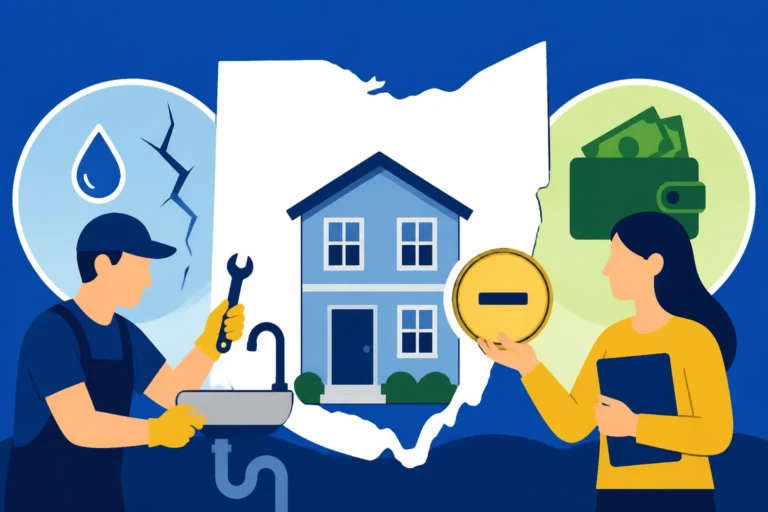
At its core, the repair and deduct remedy is a tenant's right to perform or have necessary repairs performed on their rental unit and then subtract the reasonable cost of those repairs from their rent. This isn't a free-for-all to upgrade your apartment; it's specifically for issues that impact the habitability of your home, meaning they affect your health, safety, or general ability to live comfortably in the unit. Think of it as a last resort, a mechanism designed to prod unresponsive landlords into action by placing the burden of immediate repair on the tenant, with the financial consequence falling back on the landlord. It's a powerful tool, but one that comes with specific legal prerequisites and risks if not executed properly. Ignoring these steps can turn a valid claim into a lease violation, so understanding the nuances is key.
When is it Generally Applicable?
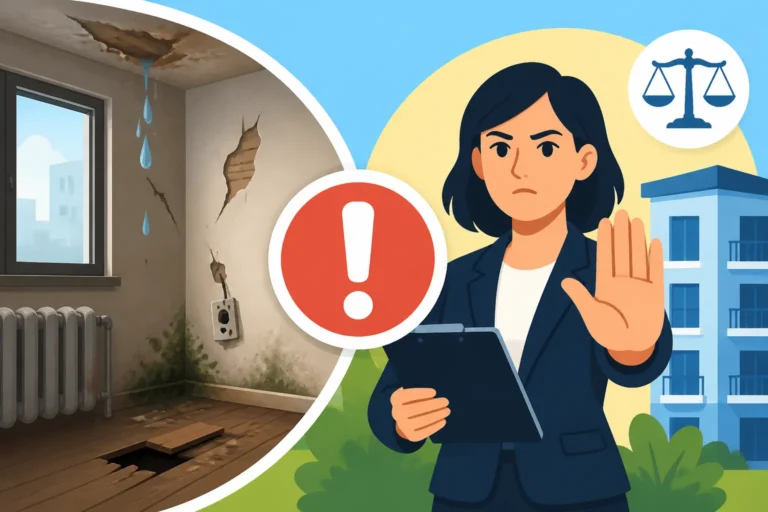
The "repair and deduct" option isn't for every minor nuisance. Generally, it applies when a landlord has failed to make repairs to a serious defect that affects the implied warranty of habitability. This isn't just about cosmetic issues like a peeling paint chip, but rather things that make your home unsafe, unhealthy, or essentially unlivable. Common examples include a lack of heat in winter, no hot water, a severe plumbing leak, a persistent pest infestation like bedbugs, or a broken window that compromises security. The issue must be something that the landlord is legally responsible for fixing, not damage caused by the tenant, their guests, or pets. Moreover, before a tenant can even consider this remedy, they must first give their landlord proper written notice of the problem and a reasonable amount of time to fix it. This critical waiting period is designed to give the landlord every opportunity to fulfill their obligations before the tenant resorts to self-help. If you're wondering about your landlord's broader responsibilities, you can find more information on Landlord Repair Responsibilities What They Must Fix.
New Jersey's Specific Repair and Deduct Framework
New Jersey tenants are fortunate to have relatively robust tenant protection laws, and the repair and deduct remedy is a prime example. However, like all legal remedies, it comes with specific rules and procedures that must be followed to avoid legal pitfalls.
Legal Basis for Repair and Deduct in New Jersey
In New Jersey, the right to repair and deduct stems from the state's recognition of the "implied warranty of habitability." This fundamental legal principle dictates that landlords have a continuing obligation to ensure their rental properties are safe, decent, and fit for human habitation. This isn't something that needs to be written into your lease; it's an inherent part of every residential tenancy. When a landlord breaches this warranty by failing to make necessary repairs to serious conditions, tenants have several potential remedies, with repair and deduct being one of the most direct. This right has been affirmed through case law, notably in cases like Marini v. Ireland, which established a tenant's ability to repair minor defects and deduct the costs from rent. It's not a blanket authorization for tenants to perform any repair; it's tied directly to the landlord's failure to maintain habitable conditions. This legal framework provides a strong foundation for tenants, but it also means that the process must be handled with care and attention to detail.
What Kinds of Repairs Qualify?
Under New Jersey law, not all repairs qualify for the repair and deduct remedy. The issue must be a "material defect" that affects the habitability of the premises. This means it has to be a significant problem that impacts your health, safety, or the essential functions of your home. Minor inconveniences, like a loose doorknob or a squeaky floorboard, typically won't cut it. We're talking about things like a broken furnace in winter, a collapsed ceiling, persistent leaks leading to mold growth, a lack of running water or hot water, or infestations that make the unit unsafe to live in. For example, if your oven light bulb is out, that's generally not something you can repair and deduct. But if your oven itself is broken and you have no other cooking appliance, that might be a different story. If you're dealing with issues like a lack of heat or hot water, it's worth understanding your specific rights in detail by reading our guide on No Heat / No Hot Water / No AC Your Rights. Lemonade, as a renters insurance provider, can offer some peace of mind by covering your personal belongings should a major repair like a burst pipe cause damage inside your unit, but it won't cover the repair itself.
Notice Requirements in the Garden State
This is perhaps the most critical step in New Jersey's repair and deduct process. You must provide your landlord with proper written notice of the defect and a "reasonable time" to fix it before you can undertake repairs yourself. "Reasonable time" isn't a fixed number of days; it depends on the severity and urgency of the repair. For an emergency like a burst pipe or no heat in freezing temperatures, "reasonable" might mean 24-48 hours. For less urgent but still critical issues, it could be 7-14 days.
Your written notice should:
- Clearly describe the specific problem (e.g., "The furnace in my apartment at 123 Main St, Apt 4, has been completely non-functional since January 10th, resulting in indoor temperatures below 50 degrees Fahrenheit.").
- State that the problem affects the habitability of your unit.
- Request that the landlord fix the issue within a specific, reasonable timeframe.
- Explicitly state your intention to perform the repair and deduct the cost from your rent if the landlord fails to act.
It is paramount to send this notice via certified mail with a return receipt requested. This provides undeniable proof that the landlord received your communication and when they received it. Without this proof, any claim you make later might be easily dismissed. Platforms like TurboTenant often provide tools for landlords to manage communication, which can inadvertently create a paper trail for tenants if landlords use them to acknowledge receipt of notices. For more detailed advice on composing such requests, check out How to Request Repairs in Writing.
A Step-by-Step Guide to Exercising Your Rights
Successfully employing the repair and deduct remedy in New Jersey requires meticulous documentation and adherence to a clear process. Skipping steps or cutting corners can jeopardize your ability to recover costs or even lead to counter-claims from your landlord.
Documenting the Problem Thoroughly
Before you even send that initial notice, start documenting everything. This step is non-negotiable and will be your strongest defense if your landlord disputes your actions.
- Photographs and Videos: Take clear, timestamped photos and videos of the defect from multiple angles. Show the severity of the issue. For a leaky ceiling, photograph the leak, any water damage, and place a bucket under it. For a broken appliance, show the appliance and any error codes.
- Communication Records: Keep a meticulous log of all communication with your landlord. This includes dates and times of phone calls (and what was discussed), copies of all emails, text messages, and certified mail receipts. If you report an issue verbally, follow up immediately with a written summary.
- Witnesses: If possible, have a trusted friend, family member, or neighbor witness the condition of your unit and be prepared to attest to it if necessary.
- Inspection Reports: If a local housing authority or code enforcement official inspects the unit and issues a violation, get a copy of that report.
This comprehensive documentation creates an undeniable timeline of events and the severity of the issue, which is invaluable if you ever need to justify your actions in court. To learn more about thorough documentation, see How to Document Your Apartment at Move-In.
Notifying Your Landlord Formally
As discussed, formal written notice is critical. After documenting the issue, compose a detailed letter.
- Clarity and Specificity: Clearly state the problem, referring to your documentation. "The significant leak in the kitchen ceiling, visible in the attached photos dated [Date], has worsened and is causing water to drip onto the stove area."
- Legal Obligation: Reference your landlord's obligation to maintain a habitable premises and, if possible, specific lease clauses (though the implied warranty of habitability stands even without a clause).
- Demand for Action: Explicitly demand that the repair be made within a specific, reasonable timeframe. For instance, "I expect these repairs to be completed within 7 calendar days from the date of this letter." For an emergency like no heat, shorten this significantly, perhaps to 24-48 hours.
- Intent to Repair and Deduct: State clearly that if the landlord fails to make the repair within the specified time, you intend to arrange for the repair yourself and deduct the reasonable cost from your next rent payment.
- Method of Delivery: Send this letter via certified mail with a return receipt requested. Retain copies of everything for your records. Do not rely on email or text as your sole form of official notice, even if your landlord prefers it.
Obtaining Estimates and Performing Repairs
Once the reasonable time for your landlord to act has passed and the repair remains unaddressed, you can proceed.
- Get Multiple Quotes: Contact at least two or three qualified, licensed professionals for written estimates for the repair. This demonstrates that you sought a reasonable price and weren't simply going with the most expensive option. For example, if your plumbing is completely backed up, get quotes from local plumbers in your New Jersey town, like Roto-Rooter or a smaller, independent contractor.
- Choose a Qualified Professional: Select a professional whose bid is reasonable and who is licensed and insured. Do not attempt major repairs yourself unless you are qualified and the repair is minor. The law only allows for "reasonable" costs.
- Retain Invoices: Once the repair is completed, ensure you receive a detailed, itemized invoice from the professional. This invoice should clearly describe the work performed, the materials used, and the cost.
- Financial Limits: New Jersey law typically allows tenants to deduct up to one-half of the monthly rent for qualifying repairs. This limit is crucial to respect. If the repair costs exceed this, you may need to pursue other legal avenues like suing your landlord in small claims court, or consider Withholding Rent & Rent Escrow as another remedy (though this has its own strict rules).
Deducting Costs from Rent and Maintaining Records
Once the repair is done and you have all your documentation, you can deduct the costs from your rent.
- Send a "Repair and Deduct" Letter: Send another certified letter to your landlord. This letter should:
- Inform them that the repair was completed.
- State the total cost of the repair.
- Enclose copies of the original notice, the estimates, and the final, itemized invoice from the contractor.
- Explain that you are deducting this amount from your next rent payment.
- Clearly indicate the adjusted rent amount you will be paying.
- Pay the Adjusted Rent: Pay the remaining balance of your rent on time. Do not withhold the entire rent, only the documented, reasonable cost of the repair, up to the legal limit.
- Keep Everything: Maintain an organized file with all correspondence, photos, videos, estimates, invoices, and payment receipts. This is your insurance policy. If your landlord tries to pursue eviction for non-payment or tries to deduct the "unpaid" rent from your security deposit, your comprehensive records will be essential in your defense. Remember, good record-keeping can be the difference between a successful repair and deduct claim and a lengthy legal battle. Landlords often use professional services to track rental income and expenses; you need to be just as organized with your own financial and communication records.
Important Considerations and Potential Pitfalls
While "repair and deduct" is a powerful right, it's not a risk-free endeavor. Understanding its limitations and potential challenges is crucial before you proceed.
Financial Limits and Frequency
As mentioned, New Jersey generally limits the amount you can deduct to up to one-half of your monthly rent. This isn't a hard and fast rule for every single scenario, but it's a common guideline derived from court interpretations. What this means is that if you have a massive, multi-thousand-dollar repair, the repair and deduct remedy might not cover the full cost. You could still deduct up to the maximum, but you'd have to find other ways to recover the remaining balance.
Furthermore, this isn't a remedy you can use repeatedly for every minor issue that arises. It's intended for serious, habitability-affecting defects that the landlord fails to fix after proper notice. Frequent use, especially for non-emergency or landlord-caused damage, could be seen as an abuse of the remedy, potentially leading to legal issues with your landlord. It's truly a tool for when a landlord has been unresponsive to critical issues. If you find yourself in a situation where major repairs are consistently needed and your landlord is perpetually absent, you might consider other tenant rights, such as exploring Breaking a Lease for Uninhabitable Conditions.
Avoiding Retaliation and Legal Challenges
Even when you follow the law to the letter, there's always a risk that your landlord might not take kindly to you exercising your rights. Landlord retaliation is illegal in New Jersey, but it can still happen. Retaliation could manifest as attempting to evict you, refusing to renew your lease, raising your rent unfairly, or harassing you.
New Jersey law protects tenants from retaliatory actions, especially if you've exercised a legal right, such as requesting repairs or repairing and deducting. However, proving retaliation can be challenging. This is where your meticulous documentation becomes your shield. If your landlord serves you with an eviction notice shortly after you repair and deduct, your extensive records of communication, repair requests, and proper deduction will be vital evidence that their action is retaliatory and thus unlawful. It’s also wise to understand How to Report a Landlord Code Violations & Retaliation to be fully prepared. Having appropriate renters insurance, perhaps from a provider like Lemonade, can also offer some buffer, ensuring your belongings are protected regardless of landlord disputes.
When to Seek Legal Counsel
While this guide provides a comprehensive overview, landlord-tenant law can be complex. There are specific situations where consulting with a landlord-tenant attorney in New Jersey is not just helpful but essential:
- Large Repair Costs: If the repair costs significantly exceed the one-half rent deduction limit, an attorney can advise you on how to recover the full amount through small claims court or other legal channels.
- Complex Disputes: If your landlord is particularly difficult, refuses to acknowledge your notices, or threatens eviction, legal counsel can help you navigate the dispute and protect your rights.
- Ambiguous Lease Terms: If your lease has unusual clauses regarding repairs or maintenance, an attorney can clarify your rights and obligations.
- Fear of Retaliation: If you genuinely fear retaliation, an attorney can help you understand the protections available to you and strategize how to proceed safely.
- Uncertainty About Habitability: If you're unsure whether a specific defect truly constitutes a breach of the warranty of habitability under New Jersey law, an attorney can provide a clear assessment.
Navigating these waters alone can be daunting, and having a legal expert on your side can provide immense peace of mind and significantly increase your chances of a favorable outcome. Remember, knowledge is power, and understanding the law is your best defense against an unresponsive landlord.
Disclaimer
Please remember that this article provides general information about repair and deduct laws in New Jersey and should not be considered legal advice. Landlord-tenant laws can be complex and are subject to change. For specific legal guidance regarding your individual situation, it is always recommended to consult with a qualified attorney in your jurisdiction.