How Long Does a Landlord Have to Fix AC in Maryland?
There are few things as frustrating as a broken air conditioner when the Maryland summer heat and humidity hit. You're sweltering in your own home, feeling miserable, and wondering just how long you're expected to suffer before your landlord takes action. This guide will walk you through your rights and the realistic expectations for AC repair timelines in Maryland, helping you understand what steps you can take to get that cool air flowing again.
Understanding Maryland Landlord Responsibilities for Air Conditioning
When you sign a lease, you enter into an agreement that extends beyond just paying rent. Your landlord has a responsibility to maintain your living space, but what exactly that entails, especially for amenities like air conditioning, isn't always crystal clear. Maryland law provides a framework, but specific situations can vary.
Is AC a "Habitable" Requirement in Maryland?
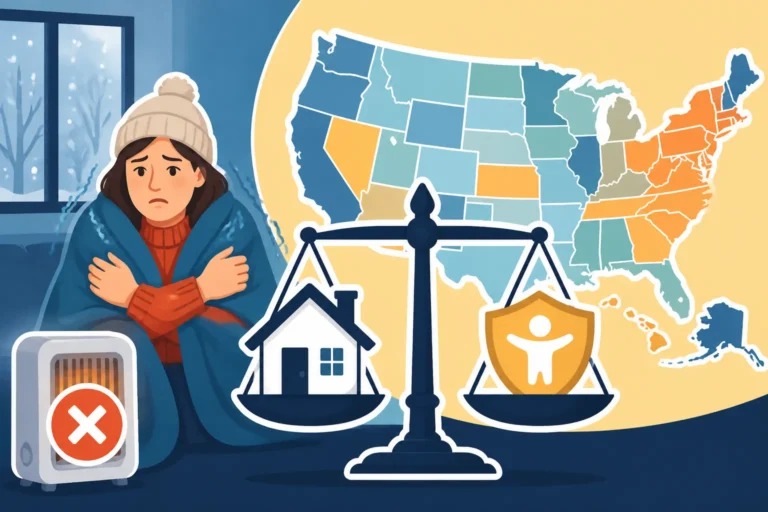
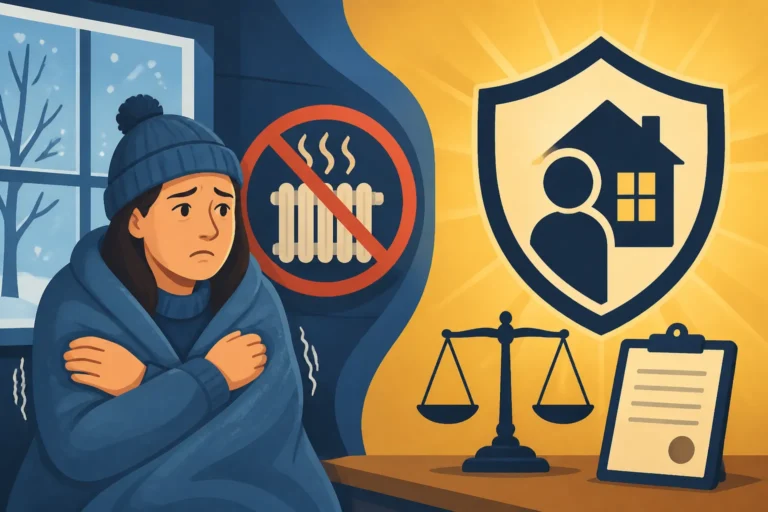
Maryland follows an important principle known as the "implied warranty of habitability." This basically means that your landlord must provide and maintain a rental property that is safe and livable. Sounds straightforward, right? Well, it gets a bit nuanced when we talk about air conditioning.
Unlike essential services such as adequate heat, hot water, electricity, or structural soundness, a functioning air conditioner is generally not considered a core component of habitability under Maryland state law. This means that while being without AC in the blistering summer is incredibly uncomfortable and can feel like an emergency, it doesn't automatically trigger the same strict repair timelines or tenant remedies as, say, a broken furnace in winter or a leaking roof. However, there's a big caveat: if your lease specifically states that air conditioning is provided as an amenity, then it becomes a contractual obligation. If your lease agreement promises AC, your landlord is legally bound to maintain it. Without that explicit mention in your lease, while they should still fix it for good tenant relations, the legal compulsion is less direct unless the heat levels make the dwelling truly uninhabitable, which is a very high bar to meet for AC alone.
The "Reasonable Time" Standard
So, if there’s no immediate 24-hour rule, how long does a landlord have? In Maryland, for non-emergency repairs like a broken AC unit (unless it creates an immediate health hazard), the landlord is generally expected to make repairs within a "reasonable" amount of time. And trust me, "reasonable" is one of those terms that can cause a lot of headaches because it's not a fixed number of days.
What constitutes "reasonable" depends heavily on several factors:
- Severity of the Issue: Is the AC completely dead, or just not cooling efficiently? A total breakdown will generally warrant quicker action.
- Time of Year: A broken AC in July, when temperatures in Baltimore or Frederick are consistently in the 90s, is far more urgent than one breaking in October. The health risks, especially for vulnerable populations like the elderly or those with medical conditions, increase with extreme heat.
- Availability of Parts and Technicians: Sometimes, even the most proactive landlord can be stymied by supply chain issues or a backlog of service calls during peak season. This can extend the "reasonable" timeframe.
- Tenant's Specific Circumstances: If a tenant has a documented medical condition exacerbated by heat, it might elevate the urgency, though you'd need to communicate this clearly and provide documentation.
Typically, landlords are expected to act promptly, usually within a few days for initial assessment and then working towards a fix. For complex repairs, a reasonable time might extend to a week or two, especially if parts need to be ordered. The key is that the landlord must be making a good faith effort to resolve the problem. If they're dragging their feet, ignoring your calls, or making excuses without any visible progress, then their actions might fall outside the realm of "reasonable."
Steps to Take When Your AC Breaks in Maryland
Finding yourself without air conditioning is frustrating, but there are clear steps you can take to protect your rights and encourage a speedy repair. Documentation and clear communication are your best friends here.
Documenting the Problem and Notifying Your Landlord
The very first thing you need to do is officially notify your landlord in writing. This is crucial. A phone call might get things started, but if issues arise later, you'll need a paper trail to prove you informed them.
Start by sending a written notice as soon as you discover the problem. This can be an email, a text message (if your lease allows for official notices this way), or, ideally, a certified letter with a return receipt requested. This provides undeniable proof that your landlord received the notification and when. In your notice, include:
- The date you are sending the notice.
- Your full name and address of the rental unit.
- A clear and concise description of the problem: "The air conditioning unit stopped working completely on [date], and the indoor temperature is consistently [current temperature] degrees Fahrenheit."
- The impact of the issue: Mention if it's causing undue discomfort, affecting sleep, or exacerbating any health conditions.
- A request for prompt repair: State that you expect the repair to be made within a reasonable timeframe.
It's also a good idea to gather evidence. Take photos or videos of your thermostat showing the high indoor temperature. If you have a separate thermometer, use that too. Keep a log of outdoor temperatures from a reliable source like the National Weather Service for your area (e.g., Annapolis, Silver Spring). This documentation will be invaluable if you need to take further action. Remember, thorough documentation is key to protecting your rights, just like understanding Security Deposit Laws by State (2026) is key to protecting your financial interests.
Following Up and Maintaining Communication
Once you've sent your initial notice, don't just sit back and wait. Proactive but professional follow-up is important. If you don't hear back within a day or two, send a polite follow-up message referencing your original notice. Keep all communications in writing, even if you speak on the phone, send a follow-up email summarizing the conversation. For instance, "Following our call today, [Landlord's Name], I understand a technician will be dispatched by [date]. I'll be available…"
Keep a detailed log of all communications: dates, times, who you spoke with, what was discussed, and any promises or timelines given. This log, combined with your initial written notice, creates a robust record of your efforts. Many modern property managers use platforms like TurboTenant or Steadily to streamline communication and maintenance requests. If your landlord uses such a system, ensure you submit your requests through their official channels and keep digital copies of everything. This centralized approach can often make the process smoother and more transparent.
It's also wise to understand What to Do If a Landlord Misses the Deposit Deadline to recognize when a lack of response crosses a legal line. While an AC issue is different, the principle of timely action and accountability applies across all landlord responsibilities.
Tenant Options When a Landlord Fails to Act
If your landlord fails to address the broken AC within a reasonable timeframe, or worse, ignores your requests, you might feel powerless. However, Maryland law does provide avenues for recourse, though they often come with conditions, especially for issues like air conditioning.
Evaluating Your Lease Agreement and Local Ordinances
Before considering any drastic steps, carefully re-read your lease agreement. This document is the cornerstone of your tenancy. Does it explicitly mention the provision and maintenance of air conditioning? Are there any clauses detailing the repair process, timelines, or tenant responsibilities for minor maintenance? A lease that clearly states AC is provided gives you a stronger contractual basis for demanding a repair.
Beyond your lease, it's worth checking if your specific city or county in Maryland has any local housing codes or ordinances that address air conditioning. For example, some larger jurisdictions like Baltimore City or Montgomery County might have more stringent habitability standards or expectations regarding AC, especially in multi-family dwellings, or during specific times of the year. A quick search on your local government's website for "housing code" or "tenant rights" can yield valuable information. Understanding these local nuances is as important as knowing your Maximum Security Deposit Limits by State.
Potential Legal Recourse and its Limitations for AC
Maryland tenant law provides several remedies for landlords who fail to maintain their properties, but applying them to a broken AC can be complex due to AC not being a universal "essential service."
- Rent Escrow: This is Maryland's most robust tenant remedy for landlord repair failures. It allows a tenant to pay their rent into a court-supervised escrow account rather than directly to the landlord. However, rent escrow is generally reserved for severe defects that pose a serious threat to life, health, or safety, or make the premises uninhabitable. A broken AC, while uncomfortable, usually does not meet this high threshold unless the indoor temperatures are extreme enough to cause heatstroke or other severe health issues, especially if there are vulnerable occupants. Going through rent escrow is a formal legal process, and it's essential to follow every step precisely. If you believe your situation warrants rent escrow, you would need to file a rent escrow complaint with the District Court. This is a serious step and often requires legal advice to ensure you don't accidentally violate your lease and risk eviction.
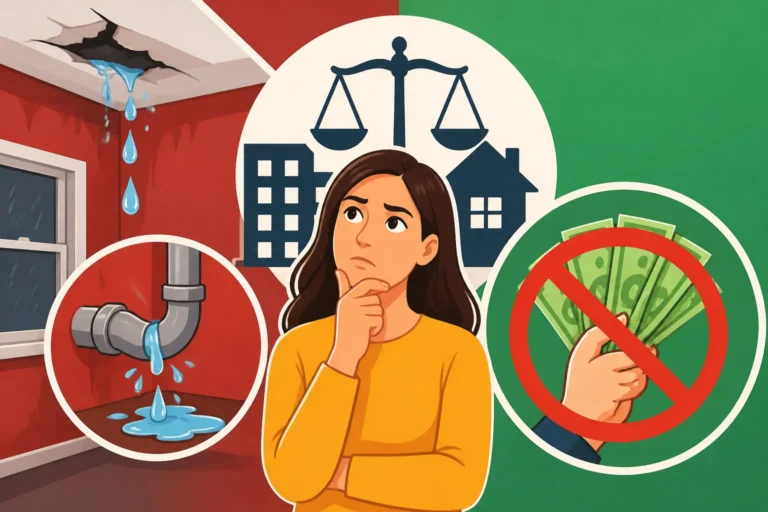
- Repair and Deduct: Maryland law generally does not permit tenants to unilaterally make repairs and deduct the cost from their rent, especially for non-emergency issues like AC. This remedy is typically allowed only for very minor, immediate repairs after multiple attempts to get the landlord to act, or if your lease explicitly allows it, which is rare. Attempting to "repair and deduct" for an AC unit could be seen as a lease violation and might put you at risk.
- Small Claims Court: If your landlord is unresponsive and the lack of AC causes you provable financial damages (e.g., you had to buy a portable AC unit, or pay for a hotel room because the heat was unbearable and made the unit temporarily uninhabitable), you might be able to sue your landlord in small claims court. You could seek compensation for these damages or for a reduction in rent value for the period you were without AC. This requires meticulous documentation of all expenses and communications.
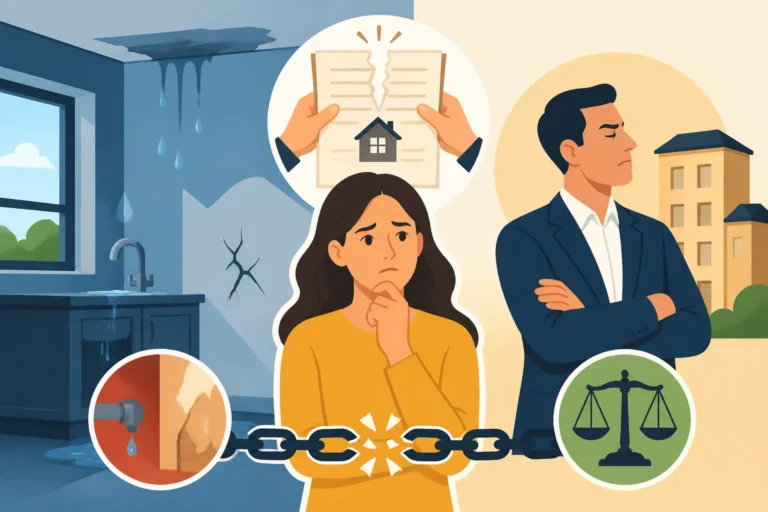
- Constructive Eviction: This is a very high bar to meet. Constructive eviction occurs when the landlord creates or allows conditions so intolerable that the tenant is effectively forced to move out. While extreme heat from a broken AC could theoretically lead to constructive eviction, it would need to be truly severe and prolonged, rendering the unit objectively unlivable, not just uncomfortable. If you consider this, you absolutely need legal counsel, as moving out prematurely could be considered breaking your lease.
It's crucial to understand the implications of any action. For instance, knowing the difference between Double vs Treble Damages for Wrongful Withholding can give you an idea of the penalties landlords face for certain infractions, but it's important to apply the right remedy to the right situation. Always seek legal advice from a qualified Maryland landlord-tenant attorney before taking any self-help actions like withholding rent or breaking your lease, especially for a broken AC unit. While renter's insurance from companies like Lemonade might cover temporary living expenses if your home becomes truly uninhabitable, it's unlikely to apply to a mere lack of air conditioning unless the conditions are extreme and prolonged.
Maryland law and common sense dictate that a working AC is particularly important during certain seasons. For landlords, maintaining amenities like air conditioning isn't just about adhering to the letter of the law but also about ensuring tenant comfort and satisfaction. Platforms like Steadily can help landlords stay organized with their maintenance schedules, making it easier to be proactive about things like annual AC check-ups before the summer rush.
What to Look for in Your Next Lease
The best defense is often a good offense. When you're looking for your next rental in Maryland, pay close attention to the lease agreement, especially concerning utilities and amenities.
- Explicit AC Clauses: Look for language that specifically states AC is provided, that the landlord is responsible for its maintenance and repair, and even better, any reasonable timeline for repairs. If it's not mentioned, ask for it to be added as an addendum.
- Maintenance Procedures: Understand how maintenance requests are handled. Is there an online portal? A specific email address? Knowing the preferred communication method upfront can prevent delays.
- Preventative Maintenance: Some leases or landlords will mention preventative maintenance, like annual HVAC checks. This is a good sign, as it indicates a proactive approach to keeping systems running.
Being informed and assertive, but always within the bounds of your lease and state law, is your most powerful tool. And just as you'd ensure your lease clearly defines repair obligations, you should also be clear on how to document your apartment at move-in to protect your Security Deposit Deductions: Full List of Allowed Charges when you eventually move out.
Disclaimer
Please remember that this article provides general information and is not a substitute for legal advice. Landlord-tenant laws can be complex and are subject to change, and specific situations may vary. If you are facing issues with your landlord or have questions about your rights in Maryland, it is always recommended to consult with a qualified attorney specializing in landlord-tenant law.