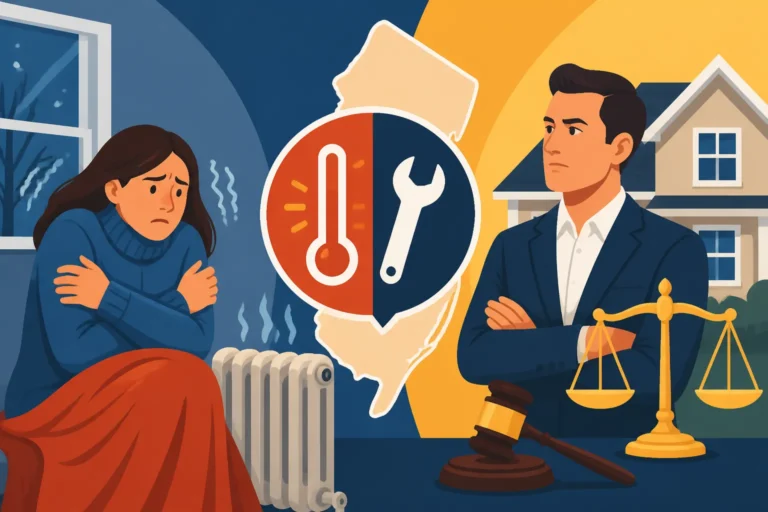
How Long Does a Landlord Have to Fix Heat in Oregon?
There are few things as unsettling and genuinely miserable as realizing your heater has conked out, especially when the Oregon chill truly sets in. You’re left shivering in your own home, wondering if your landlord will ever get around to fixing it, and just how long is "too long." It's a frustrating situation that no renter should have to endure without knowing their rights. This comprehensive guide will cut through the confusion, explaining Oregon's specific laws on heating repairs and outlining the steps you can take to ensure your home is warm and habitable.
Oregon's Legal Requirements for Heating and Repairs
When you sign a lease in Oregon, you're not just renting four walls and a roof; you're entering into an agreement that guarantees a certain standard of living. This standard is primarily governed by what's known as the "implied warranty of habitability," and heat is absolutely central to that.
The Implied Warranty of Habitability in Oregon
At its core, Oregon law, specifically the Oregon Residential Landlord and Tenant Act (ORS Chapter 90), dictates that landlords must maintain a rental unit in a safe and habitable condition. This isn't some nice-to-have suggestion; it's a fundamental obligation. The moment you move in, your landlord implicitly promises that the property is suitable for living, and that means providing essential services.
Heat is undeniably an essential service. Imagine trying to live in Portland during a winter freeze without a functional heating system. It’s not just uncomfortable; it can be dangerous, leading to frozen pipes, mold growth from condensation, or even health risks like hypothermia. Therefore, your landlord has a legal duty to ensure the heating system works properly and to fix it promptly if it breaks. This isn't just about keeping you cozy; it's about maintaining a dwelling that is fit for human occupation. This concept is explored in more detail in our article on the Implied Warranty of Habitability Explained.
Specific Timelines for Heat Repairs in Oregon
Now, let's get to the brass tacks: how long does a landlord actually have to fix the heat in Oregon? The Oregon Residential Landlord and Tenant Act states that landlords must act within a "reasonable time" for repairs, particularly concerning essential services. While the law doesn't always give an exact number of hours for all repairs, it does provide some critical guidance when it comes to essential services like heat.
For a serious breach of the lease agreement or statutory requirements that materially affects health and safety, such as a complete lack of heat in cold weather, a tenant can typically provide written notice to the landlord. If the landlord fails to remedy the situation within 7 days of receiving that notice, the tenant may have options, including terminating the rental agreement or pursuing other remedies. However, it's important to understand that "reasonable time" for a critical issue like no heat can often be much shorter than seven days. If temperatures are plummeting and the lack of heat poses an immediate health risk, a reasonable timeframe might be 24 to 48 hours, or even less in extreme circumstances, for the landlord to at least begin addressing the problem.
Think about it this way: if it’s 20 degrees Fahrenheit outside in Bend and your furnace dies, waiting seven days for a repair technician isn't just unreasonable; it’s an emergency. Landlords are expected to treat such situations with urgency. The more severe the lack of heat and the colder the outdoor temperatures, the shorter the "reasonable time" becomes. Your landlord's overall Landlord Repair Responsibilities What They Must Fix extend to urgent situations like this.
Proper Notice is Key for Tenants
You might be fuming and ready to take action, but the absolute first and most crucial step is to provide your landlord with proper written notice. Without it, your landlord might argue they weren't aware of the issue, which weakens your position significantly if things escalate. This isn't about being overly formal; it's about creating a clear, undeniable record.
Your notice should be in writing – an email, text message, or a formal letter sent via certified mail. Include the date, the specific problem (e.g., "The furnace in my unit at 123 Main Street, Apt B, stopped working entirely on January 15th, and the indoor temperature is consistently below 50 degrees"), and what you expect them to do. Always keep a copy for yourself. Many online platforms, like TurboTenant, offer easy ways for landlords and tenants to communicate and document these exchanges, creating an invaluable paper trail. A clear and concise How to Request Repairs in Writing can make all the difference.
Sending notice via certified mail with a return receipt requested is often the most legally sound approach, as it proves your landlord received the communication. Even if you call them first (which you absolutely should for an urgent issue like no heat), always follow up immediately with written documentation. This formal notification starts the clock on your landlord's legal obligation to act within a reasonable timeframe, paving the way for further action if necessary.
What to Do When Your Heat Goes Out in Oregon
Discovering your heat is out can send a wave of panic and frustration through you, but taking a systematic approach can empower you and protect your rights. It's not just about waiting; it's about acting deliberately.
Immediate Steps to Take
As soon as you notice your heating isn't working, resist the urge to just despair. There are a few immediate, practical steps you should take:
- Check the basics: Is the thermostat set correctly? Is the furnace switch turned on? Have any circuit breakers tripped? Sometimes, it's a simple fix.
- Document everything: This is paramount. Take photos or videos of your thermostat showing the low temperature inside your unit. If the outdoor temperature is particularly cold, document that too. Keep a log of all communications with your landlord – dates, times, names of people you spoke with, and a summary of the conversation. Note any repair attempts or promises made. This record will be your best friend if you need to escalate the issue. You can learn more about how to do this effectively in our guide on How to Document Repair Problems.
- Notify your landlord: As discussed, contact your landlord immediately, preferably by phone for urgent issues, and then always follow up with written notice. Clearly state the problem, the date it occurred, and your unit number. Mention that you expect the issue to be addressed promptly, given that heat is an essential service.
These initial steps not only aim to get the problem fixed but also build a robust case should your landlord fail to uphold their responsibilities.
Understanding Your Rights and Options
If your landlord fails to restore heat within a reasonable timeframe after proper written notice, Oregon law provides tenants with specific remedies. These are not actions to take lightly, as improper execution can put you in a vulnerable position.
- Repair and Deduct: Oregon law allows tenants to "repair and deduct" for essential service failures if the landlord doesn't act within a reasonable time after proper notice. However, there are strict rules. The cost of the repair cannot exceed $300 or one-half of the monthly rent, whichever is greater. You must also have given proper written notice, and the repair must be done by a licensed professional. You can't just fix it yourself and send your landlord a bill for whatever you spent. This is a complex area, and it's highly recommended you understand all the nuances before proceeding. Our article on Repair and Deduct by State offers a broader overview, but remember to always consult Oregon-specific guidance.
- Withholding Rent: While tempting, directly withholding rent without following specific legal procedures is generally risky and can lead to eviction. Oregon does allow for some rent withholding in cases of essential service failures, but it must be done very carefully. You might place the rent money into an escrow account, showing that you have the funds but are withholding them due to the landlord's non-compliance. Again, this is a remedy with significant legal implications and should only be pursued after understanding the full process and potential consequences. Learn more about the intricacies of Withholding Rent for Repairs.
- Terminate the Lease: If the lack of heat renders the unit uninhabitable and the landlord fails to remedy it within 7 days of your written notice (or a reasonable time if conditions are truly dire), you may have the right to terminate your lease. This is often the nuclear option, as it means finding new housing quickly. This is akin to a Constructive Eviction Explained where the landlord's inaction makes the property unlivable.
It's crucial to understand that these remedies require strict adherence to legal procedures. Rushing into any of these without proper documentation and understanding of the law can backfire, potentially leading to an eviction filing against you.
Seeking External Help and Legal Advice
Sometimes, despite your best efforts, your landlord remains unresponsive or uncooperative. In such cases, it's time to consider external avenues for assistance.
- Local Housing Authorities: Many cities and counties in Oregon have housing authorities or code enforcement departments. They can investigate complaints about uninhabitable living conditions, including lack of heat. Filing a formal complaint with them can trigger an inspection, and if violations are found, they can order the landlord to make repairs. This is an excellent way to get an official third party involved. Our guide on How to Report a Landlord Code Violations & Retaliation provides valuable insights into this process.
- Tenant Rights Organizations: Oregon has several non-profit organizations dedicated to tenant advocacy and rights. Groups like Community Alliance of Tenants (CAT) in Oregon can provide advice, resources, and sometimes even legal assistance or referrals. They are often intimately familiar with local landlord-tenant laws and can guide you through the complexities.
- Small Claims Court: If you've incurred expenses (like for alternative heating or temporary housing) due to your landlord's failure to provide heat, or if you believe you are owed damages for the reduced value of your rental unit, small claims court is an option. While this path can be time-consuming, it allows you to present your case and seek compensation. Always ensure you have thorough documentation to support your claim.
- Legal Counsel: For complex situations, particularly if you are considering breaking your lease or a significant repair and deduct, consulting with a landlord-tenant attorney is highly advisable. They can assess your specific situation, explain your legal standing, and help you navigate the process to minimize risks.
Oregon Heat Repair Timelines & Tenant Actions Overview
| Issue | Landlord Obligation (ORS 90.320) | Initial Tenant Action | Landlord Response Time (for Essential Services) | Potential Tenant Remedies (ORS 90.365) |
|---|---|---|---|---|
| No Heat (Essential Service) | Maintain safe, habitable premises with working heat. | Written notice to landlord (after verbal). | "Reasonable time" (can be 24-48 hours in emergencies; up to 7 days for other remedies after written notice). | – Repair and Deduct: If no action after notice, pay for repair (licensed professional), deduct up to $300 or 1/2 month's rent. – Terminate Lease: If not fixed within 7 days of notice and conditions are uninhabitable. – Seek Damages: For diminution of rental value. |
| Minor Repair (Non-Essential) | Generally 30 days to make repairs. | Written notice to landlord. | Up to 30 days. | – Terminate Lease: If not fixed within 30 days (or specified lesser time in lease/notice). |
| Imminent Health/Safety Threat (beyond heat) | Immediately take steps to mitigate. | Written notice to landlord. | As quickly as possible; "reasonable time" applies. | Similar to "No Heat," but context of threat dictates urgency. |
This table provides a general guide; individual circumstances and the specific wording of your lease agreement can impact these timelines and remedies.
Preventing Future Heating Hassles and Protecting Your Investment
While dealing with a heating emergency is never ideal, there are proactive steps both tenants and responsible landlords can take to minimize the chances of it happening again and to mitigate the impact if it does.
Importance of a Thorough Move-In Inspection
Prevention truly is the best medicine. Before you even unpack your boxes, conducting a thorough move-in inspection is one of the most powerful tools you have. Don't just glance around; meticulously go through every room, and pay special attention to critical systems like heating. Turn the heater on, check if it blows warm air, and listen for any unusual noises. Document the condition of the heating vents, furnace filters, and any other visible components.
Take plenty of dated photos and videos. If there are existing issues, make sure they are clearly noted on your move-in checklist, signed by both you and your landlord, and dated. This isn't about finding fault; it's about establishing a baseline. If your heating system malfunctions a few months down the line, your pristine move-in documentation proves it wasn't due to something you did and that it was in good working order (or not) when you moved in. This can save you a world of trouble and potential disputes over security deposit deductions later on. For a comprehensive guide, refer to our Move-In / Move-Out Inspection Guide.
Renters Insurance and Landlord-Tenant Relationships
Even with the best preparation, unforeseen events can occur. That’s where renters insurance comes into play. While your landlord’s insurance (which responsible landlords often get through providers like Steadily) covers the physical structure of the building, it doesn't cover your personal belongings. If a lack of heat leads to a burst pipe in your unit, damaging your furniture, electronics, or clothing, renters insurance can be a lifesaver. Companies like Lemonade offer affordable and straightforward renters insurance policies that can protect your possessions from such hazards. It's a small monthly investment that can provide immense peace of mind.
Beyond insurance, fostering a respectful and communicative landlord-tenant relationship can significantly reduce stress when issues inevitably arise. While you must always know and assert your legal rights, approaching problems with a clear head and an open line of communication can often lead to quicker resolutions. A landlord who feels respected is often more likely to be responsive and proactive in their maintenance efforts. This doesn't mean you should tolerate uninhabitable conditions, but rather that a foundation of good communication can make navigating tough situations much smoother.
Disclaimer
Please remember that this guide provides general information about landlord-tenant laws in Oregon regarding heating repairs. It is not a substitute for legal advice. Laws can change, and individual situations vary greatly. Always consult with a qualified attorney or tenant rights organization for advice specific to your circumstances.