How to File a Code Violation Complaint
It's incredibly frustrating when you're living in a rental property and facing issues that make your home uncomfortable, unsafe, or even uninhabitable, and your landlord just isn't doing anything about it. You've sent texts, emails, maybe even called, but nothing changes. When basic living conditions are compromised and your landlord ignores their responsibilities, knowing how to file a code violation complaint can be your strongest tool. This guide will walk you through the process, from identifying legitimate violations to understanding what happens after you report them, helping you navigate these often daunting situations.
The Frustration of Unaddressed Issues: What is a Code Violation?
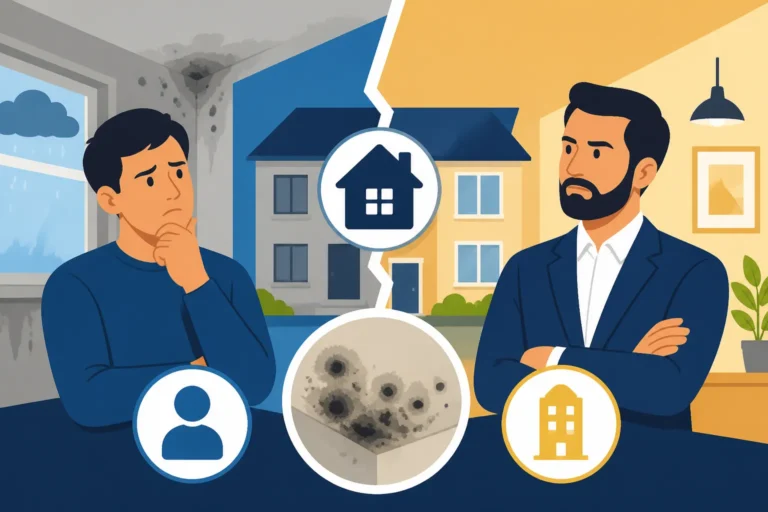
We've all been there: that dripping faucet you can live with for a bit, or a slightly peeling paint job. But what about a persistent leak that's causing mold, a broken furnace in the dead of winter, or electrical wiring that looks like a fire hazard? These aren't just minor annoyances; they can be serious code violations that impact your health, safety, and general well-being. It's a heavy burden to carry when your home, your sanctuary, isn't meeting basic standards, and it feels like you're yelling into the void.
Defining Habitability and Safety Standards
At the heart of every rental agreement, whether explicitly stated or not, is an "implied warranty of habitability." This isn't just a fancy legal term; it's a fundamental promise from your landlord that your rental unit is, and will remain, safe and livable. This means it must be structurally sound, waterproof, free from pests, have adequate heating, hot water, and working plumbing and electrical systems, among other things. Every state and local municipality has specific housing codes that lay out these requirements in detail. What might be a minor issue in one area could be a significant violation in another, especially if it compromises health or safety. For instance, in many places, a lack of heat during certain months is considered an emergency. Understanding the basics of the Implied Warranty of Habitability Explained can empower you to recognize when your landlord is falling short of their legal obligations.
When a landlord fails to uphold these standards, they are essentially breaching this implied warranty. This isn't about cosmetic issues like faded wallpaper or outdated appliances, unless those issues make the property unsafe (e.g., a stove that sparks or a refrigerator that doesn't keep food cold). It's about fundamental requirements for a dwelling fit for human occupation. This can include things like a broken lock on your front door, making your home insecure, or persistent sewage backups that create unsanitary conditions. These aren't just inconveniences; they directly threaten your comfort and security.
Common Examples of Rental Property Code Violations
Let's get specific. What kinds of issues typically fall under the umbrella of code violations that warrant a complaint?
- Structural Issues: Things like a collapsing ceiling, significant cracks in the foundation or walls, or a leaky roof that leads to widespread water damage. These aren't just ugly; they can compromise the structural integrity of the building and pose serious dangers.
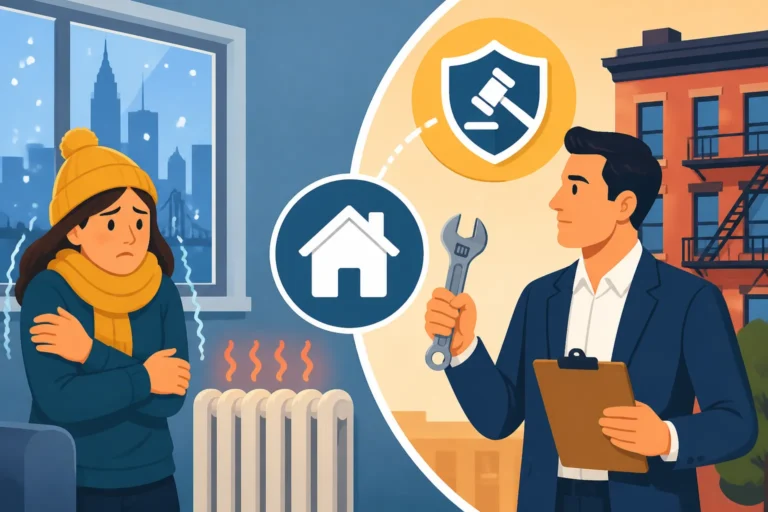
- Utility Problems: A complete lack of heat in winter (or AC in extreme summer climates if it was advertised as provided), no running water or hot water, or a significant lack of functional electricity. Imagine trying to live in an apartment in Boston during January with no heat; that's a prime example of an uninhabitable condition. Many states have specific guidelines on No Heat / No Hot Water / No AC: Your Rights to ensure tenants aren't left in the cold (or heat).
- Pest Infestations: Severe and recurring infestations of pests like cockroaches, rats, mice, or bedbugs that the landlord refuses to professionally address. While a stray spider might not count, a full-blown infestation that affects your health and peace of mind absolutely does. Knowing who is responsible for Bedbugs & Pest Control Responsibility is key here.
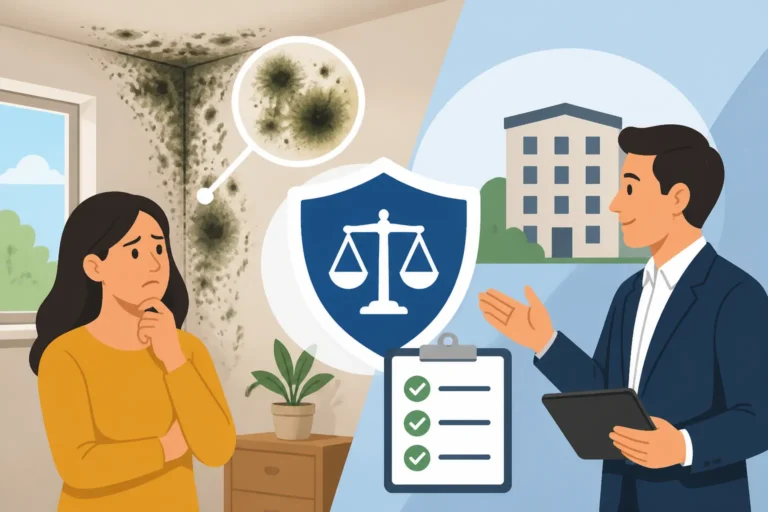
- Hazardous Conditions: Exposed electrical wiring, faulty smoke detectors or carbon monoxide detectors, lead paint hazards (especially in older buildings), or significant mold growth that has been left unaddressed, particularly in states like California or New York where mold is increasingly a focus for tenant safety.
- Plumbing and Sanitation: Non-functional toilets, overflowing sewage, or persistent plumbing leaks that are causing damage and potential health hazards. These issues can quickly make a unit completely unusable.
- Lack of Security: Broken exterior doors or windows, non-working locks, or inadequate lighting in common areas that make the property unsafe. Your right to safety and security is paramount.
It's important to remember that most minor repairs, like a burnt-out lightbulb you can easily replace or a small crack in a non-essential tile, typically aren't code violations. This is about issues that make your home genuinely unfit or dangerous, and that your landlord is legally responsible for addressing. Landlords have clear Landlord Repair Responsibilities What They Must Fix, and when they neglect these, it's time to consider further action.
Why Taking Action Matters: Benefits of Filing a Formal Complaint
It’s easy to feel defeated when your landlord ignores your pleas. You might think, "What's the point? They'll just ignore me again." But filing a formal code violation complaint isn't just another email; it's a powerful step that brings an outside authority into the situation. It shifts the burden from solely your shoulders to a governmental agency with the power to enforce compliance. This isn't about being vindictive; it's about asserting your right to a safe home and using the legal tools available to you.
Holding Landlords Accountable
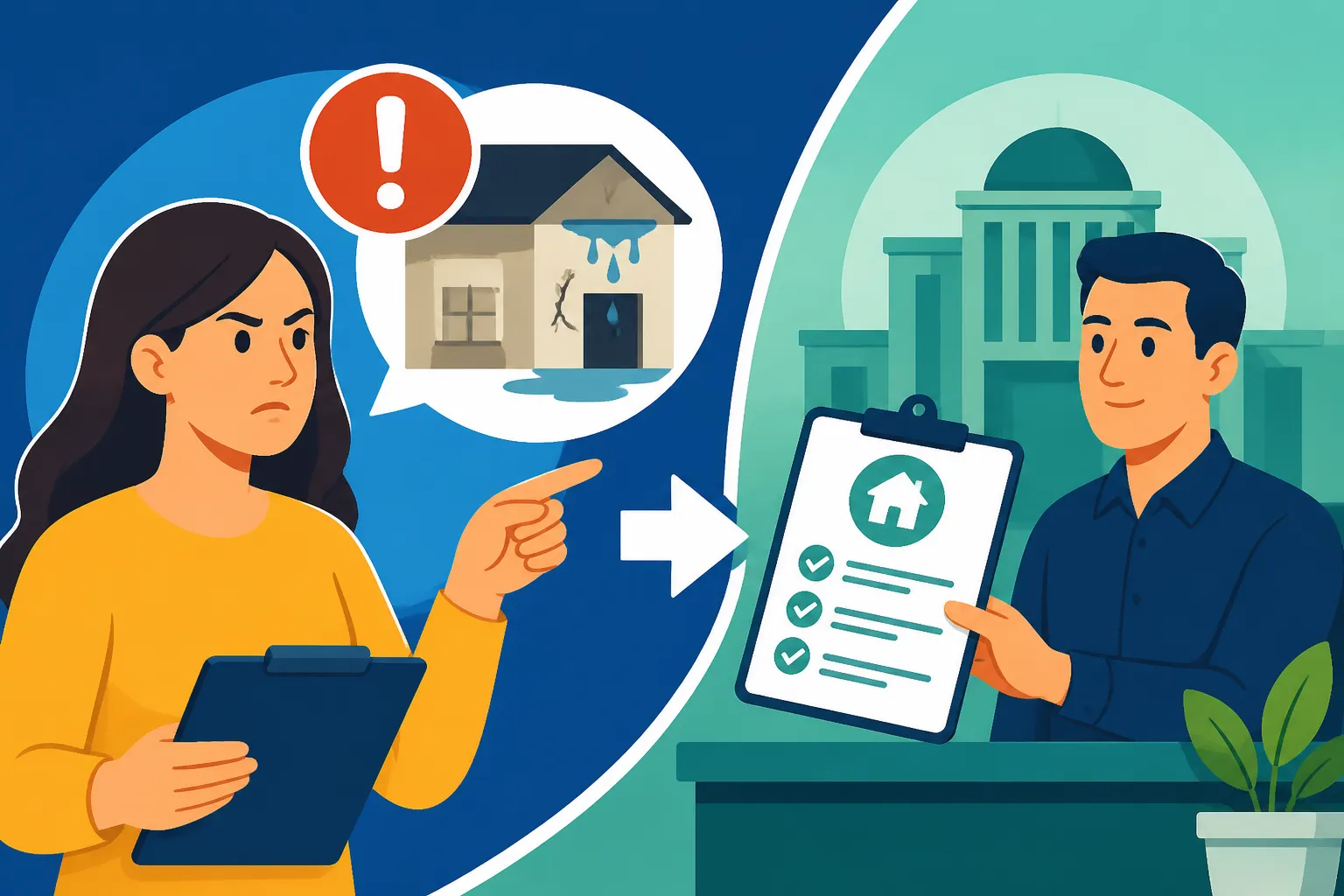
When you've tried all the usual channels—calls, emails, even certified letters—and your landlord still drags their feet or outright refuses to fix essential problems, a code violation complaint acts as an official alarm. Local housing authorities or building departments exist precisely for this reason: to ensure that rental properties meet minimum safety and habitability standards. By filing a complaint, you're not just complaining; you're initiating a process that triggers an official investigation.
This often means that an inspector, a neutral third party, will visit your property. Their findings can result in official citations, fines, and mandatory repair orders against your landlord. Unlike your personal requests, these orders come with legal teeth and deadlines. A landlord facing legal penalties is far more likely to take action than one who simply ignores a tenant. This process creates a paper trail, documenting the issues and your attempts to resolve them, which can be invaluable if further legal action, like pursuing a claim for Double vs Treble Damages for Wrongful Withholding, becomes necessary.
Consider a situation where you live in a multi-unit building in Phoenix, and the shared laundry room's ceiling has been leaking for months, fostering visible mold. You and your neighbors have complained to the property management, but they've done nothing. By filing a code violation, you bring the City of Phoenix's Code Enforcement Department into the picture. An inspector might issue a notice of violation, compelling the property owner to remediate the mold and fix the leak within a specific timeframe, or face fines. This protects not just you, but everyone in the building.
Protecting Your Rights as a Tenant
Your rights as a tenant extend beyond just paying rent on time. They include the right to a safe, healthy, and habitable living environment. When these rights are violated, and your landlord doesn't act, you might start to feel helpless. Filing a code violation complaint is a way to reclaim that agency. It clearly signals that you understand your rights and are willing to take official steps to enforce them.
This process can also be a critical precursor to other tenant remedies. For example, in some states, documenting a landlord's failure to make repairs through an official code enforcement report is a necessary step before you can consider options like Repair and Deduct by State or Withholding Rent & Rent Escrow. These advanced tactics require solid evidence that you've done everything on your end to resolve the issue, and an official complaint and inspection report provides just that.
Moreover, landlords are often prohibited from retaliating against tenants who exercise their legal rights, including reporting code violations. While retaliation can unfortunately still happen, having a formal complaint on record strengthens your position if your landlord tries to evict you, raise your rent illegally, or harass you after you report them. Understanding Landlord Retaliation After a Repair Request is vital here, as many states have specific laws to protect tenants from such actions. Your complaint helps create an official record that can be used to demonstrate a pattern of behavior or to protect you if the landlord tries to claim you caused the problem.
Your Step-by-Step Guide to Filing a Code Violation Complaint
Filing a complaint might sound intimidating, but it's a structured process designed to help you get the issues resolved. The key is thoroughness and understanding who to contact. Don't rush into it; preparation is your best friend here. Think of it as building a robust case for your living conditions.
Documenting the Problem Thoroughly
Before you even think about picking up the phone or filling out a form, you need to gather evidence. This is the foundation of a strong complaint. The more detailed and irrefutable your documentation, the harder it is for your landlord or the authorities to dismiss your concerns.
First, visual evidence is crucial. Take clear, date-stamped photos and videos of every issue. If it's a leaky faucet, show the drip, the water pooling, and any damage it's causing. If it's mold, photograph its extent, location, and color. For issues like lack of heat, show a thermometer reading the indoor temperature, especially compared to the outdoor temperature, and include the date and time. Don't just take one picture; capture multiple angles and close-ups.
Second, keep a detailed log. Jot down every instance of the problem, including dates, times, and specific descriptions. For instance, "October 15, 2024, 7:00 PM: Noticed a strong sewage smell emanating from the bathroom sink, lasting approximately 2 hours." This creates a timeline and shows the persistence of the issue.
Third, document all communication with your landlord or property management. This includes copies of emails, text messages, certified letters, and even a log of phone calls (date, time, who you spoke with, what was discussed, and what actions were promised). This proves you attempted to resolve the issue through proper channels before resorting to a formal complaint. A service like TurboTenant can assist landlords in managing communication, but as a tenant, ensuring you have your own records is paramount. If you sent a formal How to Request Repairs in Writing, make sure you have a copy of that as well.
Here's a quick checklist for documentation:
- Photos/Videos: Clear, date-stamped, showing all affected areas.
- Dates of Occurrence: When did you first notice the issue? How often does it happen?
- Impact: How does the issue affect your daily life (e.g., cannot use bathroom, feeling sick from mold)?
- Communications: Copies of all repair requests, emails, texts, and notes from phone calls with your landlord.
- Witnesses: Names and contact information of anyone who can corroborate your claims (e.g., a roommate, a guest).
- Medical Records: If the issue (like mold or pest infestation) is affecting your health, include relevant doctor's notes or reports.
Identifying the Right Authority: Who to Contact
This is where it can get a little tricky, as different agencies handle different types of complaints. You don't want to waste time contacting the wrong department.
Generally, your first point of contact will be your local housing authority, building department, or code enforcement office. These are typically departments within your city or county government. You can usually find their contact information by doing a quick online search for "[Your City/County Name] Code Enforcement" or "[Your City/County Name] Housing Authority." For example, if you're in Los Angeles, you'd look for the Los Angeles Department of Building and Safety. In Chicago, it might be the Department of Buildings.
- Building Code Violations: These departments handle issues related to structural integrity, electrical, plumbing, heating, and general safety. This is where most habitability issues fall.
- Health Code Violations: For severe pest infestations, sewage problems, or widespread mold that poses a public health risk, you might also consider contacting your local health department. Sometimes these overlap with building codes, but a health department can offer a different angle of enforcement, especially if there's an immediate health hazard.
- Fire Hazards: If the issue is an immediate fire risk (e.g., blocked fire exits, non-functional smoke alarms, extreme electrical issues), contact your local fire department in addition to code enforcement. They can often respond faster to immediate dangers.
It’s often best to start with your city or county's general code enforcement or housing department, as they can usually direct you to the correct specific agency if your issue falls outside their primary jurisdiction. Be prepared to clearly and concisely explain your situation and provide the address of the property.
The Complaint Submission Process
Once you've gathered your evidence and identified the correct agency, it's time to file.
Most jurisdictions offer multiple ways to file a complaint:
- Online Portal: Many cities and counties now have online forms or portals specifically for submitting code violation complaints. This is often the most convenient method, as you can easily upload your photos and documents.
- Phone: You can typically call the code enforcement office. Be prepared to provide the necessary details over the phone, and remember to note down the name of the person you spoke with, the date, and a reference number for your complaint.
- In Person: Visiting the office in person allows you to speak directly with a representative and ensure your complaint is understood. You can also bring your physical documentation, though many prefer digital submissions now.
- Mail: Some agencies still accept complaints via mail. If you choose this route, send it via certified mail with a return receipt requested. This provides proof that your complaint was received.
When filling out the complaint form or speaking with a representative:
- Be Factual and Concise: Stick to the facts. Avoid emotional language. Clearly state what the problem is, how long it has been ongoing, and how it impacts your living conditions.
- Provide All Relevant Information: Include your address, unit number, your landlord's name and contact information (if you have it), and a description of the specific violations.
- Submit Your Evidence: Attach all your photos, videos, and communication logs. Reference them clearly in your complaint (e.g., "See attached photo 'leaky_ceiling_10-25-24.jpg'").
After submission, you should receive some form of confirmation, whether it's an email receipt, a case number, or a phone confirmation. Keep this complaint number and all related documents in a safe place. This reference number will be crucial for following up on your case.
After the Complaint: What to Expect Next
Filing the complaint is just the first hurdle. The process that follows involves investigation, potential enforcement, and a timeline that can vary greatly. Patience is key, but so is diligent follow-up. It's not a magic wand, but it sets the wheels of official action in motion.
Investigation and Inspection Procedures
Once your complaint is received and processed, the code enforcement department typically assigns an inspector to investigate. The exact timeline for this can depend on the severity of the alleged violation and the department's workload. Emergency issues (like no heat in winter or an immediate structural danger) usually get a faster response than less urgent concerns.
Here's a general overview of what usually happens:
- Initial Review: The department reviews your complaint and determines if it falls within their jurisdiction and warrants an inspection.
- Scheduling an Inspection: An inspector will schedule a visit to the property. In some cases, they might try to notify your landlord first. In others, especially for urgent issues, they might simply show up. If the inspector needs to enter your unit, they may require your permission or schedule a time with you. Remember, it's beneficial for you to be present during the inspection if possible, to point out all the issues firsthand.
- The Inspection: The inspector will assess the property against local housing codes. They will look for the specific issues you reported, but may also identify other violations. They'll take their own notes, photos, and possibly measurements.
- Findings and Report: After the inspection, the inspector will typically write a report outlining their findings. If violations are confirmed, they will issue a Notice of Violation (NOV) to your landlord. This notice details the violations, references the specific code sections being violated, and sets a deadline for the landlord to correct the issues.
It's important to understand that the inspector's role is to enforce codes, not to mediate disputes between you and your landlord. They are looking at the objective condition of the property.
Potential Outcomes and Enforcement Actions
The outcome of a code violation complaint can range from a swift resolution to a prolonged battle, depending on the landlord's responsiveness and the severity of the issues.
- Compliance and Repairs: In the best-case scenario, your landlord receives the Notice of Violation and promptly makes the necessary repairs within the given timeframe. Once the repairs are completed, the landlord may need to request a re-inspection to demonstrate compliance, or the inspector may follow up directly. This is the goal: a safer, more habitable living space for you.
- Extensions and Delays: Sometimes, landlords request extensions, especially for complex or costly repairs. The code enforcement agency may grant these if there's a valid reason and demonstrated progress. However, repeated, unreasonable delays might lead to stricter enforcement.
- Fines and Penalties: If the landlord fails to comply by the deadline or after an extension, the code enforcement agency can impose fines. These fines can escalate over time, becoming daily penalties until the violations are corrected. In some jurisdictions, these fines can be substantial and act as a strong deterrent.
- Legal Action: In severe cases of non-compliance, the city or county might take legal action against the landlord, which could include filing a lawsuit to force compliance or even placing a lien on the property. In rare, extreme situations where the property is deemed unsafe or uninhabitable, the city might even condemn the building, requiring all tenants to vacate.
- No Violation Found: It's also possible that the inspector might not find any violations or deem the issues to be minor and not a code violation. This doesn't mean your concerns aren't valid, but it indicates they don't meet the legal threshold for code enforcement action. In such a scenario, you might need to explore other avenues, which we'll discuss next.
Remember to follow up regularly with the code enforcement department. Don't be a nuisance, but a polite call every couple of weeks to check on the status of your case is perfectly acceptable and can sometimes help keep things moving. Keep notes of these follow-up calls too.
Navigating the Nuances: Risks, Retaliation, and Alternatives
While filing a code violation complaint is a powerful tool, it's not without its considerations. It's important to be aware of potential downsides and also know that it's not the only path you can take. Your personal situation and the severity of the problem will often dictate your best course of action.
Understanding Potential Landlord Retaliation
Let's be realistic: reporting your landlord to the authorities can sometimes strain the relationship, and while illegal, retaliation can occur. Landlord retaliation is when a landlord takes adverse action against a tenant for exercising a legal right, such as complaining about a code violation or requesting necessary repairs.
Common forms of illegal retaliation include:
- Raising Rent: An unexpected and significant rent increase soon after a complaint.
- Eviction: Attempting to evict you without proper cause or notice, or refusing to renew your lease.
- Harassment: Increased inspections, verbal abuse, or other intimidating behaviors.
- Reduced Services: Removing amenities or services that were previously included.
The good news is that most states have laws protecting tenants from retaliatory actions. These laws often create a "rebuttable presumption" of retaliation if a landlord takes adverse action within a certain period (e.g., 90 days to 1 year) after you've made a formal complaint or exercised your rights. This means the burden is on the landlord to prove their action was not retaliatory.
If you suspect your landlord is retaliating, it's crucial to:
- Document Everything: Just like with the original violation, keep meticulous records of any suspicious actions or communications from your landlord.
- Seek Legal Counsel: Consult with a tenant rights attorney or legal aid organization. They can advise you on your rights and help you fight an illegal eviction or other retaliatory measures. This is especially important as states like California and New York have strong tenant protections against retaliation.
- Report it: You can often report landlord retaliation to your local housing authority, a fair housing agency, or directly to a court if you're facing an eviction.
While the risk of retaliation exists, remember that tenant protection laws are in place to safeguard you. Knowing your rights regarding Can a Landlord Retaliate for Requesting Repairs? is your first line of defense.
Exploring Other Avenues: Repair and Deduct or Rent Escrow
Filing a code violation complaint is one of several important tools. Depending on your state's laws and the specific situation, other options might be available:
- Repair and Deduct: In some states, if your landlord fails to make necessary repairs after you've given them proper written notice and a reasonable amount of time, you might be able to arrange for the repairs yourself and deduct the cost from your next rent payment. This option is usually reserved for significant issues that affect habitability, and there are strict rules about how much you can deduct and how often you can do it. For example, in California, you can typically use the repair and deduct remedy only once every 12 months, and the cost cannot exceed one month's rent. This is a powerful but risky option, so you must thoroughly understand Repair and Deduct by State before attempting it.
- Rent Escrow: This remedy is available in certain states and allows you to pay your rent into an escrow account (usually with the court) instead of directly to your landlord. The money is held there until the landlord makes the necessary repairs. This signals to your landlord that you're not trying to avoid paying rent but are withholding it due to their failure to maintain the property. Like repair and deduct, it has strict legal requirements, including providing proper notice to your landlord. You'll need to research the specific Rent Escrow Process by State where you live.
- Constructive Eviction: If the conditions in your rental unit become so severe that it's literally unlivable, and your landlord has failed to remedy them despite your complaints, you might have grounds for "constructive eviction." This means you can legally move out without being responsible for the remainder of your lease. However, this is a very high legal bar to meet and should never be done without explicit legal advice from an attorney, as wrongly claiming constructive eviction can leave you liable for breach of lease. Learning more about Constructive Eviction Explained can help you understand the gravity of this option.
These alternatives are powerful, but they require a strong understanding of your local landlord-tenant laws and often the guidance of legal professionals.
Legal Recourse and Tenant Advocacy
If all else fails, or if the situation is particularly severe, you always have the option of seeking legal recourse directly. This might involve suing your landlord in small claims court for damages, such as the diminished value of your rental unit due to unaddressed repairs, reimbursement for temporary housing, or even personal injury if the hazardous conditions caused harm.
Tenant advocacy groups and legal aid societies are invaluable resources in these situations. Organizations like Tenants Together in California, the Met Council on Housing in New York City, or your local Legal Aid office can provide free or low-cost legal advice, help you understand your rights, and even assist you with filing lawsuits or negotiating with your landlord. They often have extensive experience with local housing codes and problematic landlords. Don't hesitate to reach out to them. Additionally, reputable property management resources like Steadily for landlords, or insurance providers like Lemonade, might offer resources or advice on maintaining habitable conditions, underscoring the importance of proper property management for both sides. When you're dealing with a landlord who won't budge, knowing that there's a community of advocates and legal professionals ready to help can make all the difference.
| Action Item | Description | Why it Matters |
|---|---|---|
| Document Everything | Photos, videos (date-stamped), detailed log of issues, copies of all communications with landlord. | Provides irrefutable evidence for your complaint. |
| Identify Authority | Research your city/county's Code Enforcement, Housing Authority, or Health Department. | Ensures your complaint goes to the right people with enforcement power. |
| Submit Complaint | Use online portals, phone, or certified mail. Be factual, concise, and include all evidence. | Initiates the official investigation process. |
| Follow Up | Periodically check in with the agency for updates on your complaint. | Keeps your case moving and shows your commitment. |
| Understand Retaliation | Be aware of tenant protection laws and document any adverse actions by your landlord post-complaint. | Protects you from illegal actions and strengthens any future legal claims. |
| Explore Alternatives | Consider "repair and deduct" or "rent escrow" if legal in your state and appropriate for the issue. | Offers additional avenues for resolution if code enforcement isn't enough. |
| Seek Legal Counsel | Consult tenant rights organizations or attorneys for advice, especially in complex cases or suspected retaliation. | Provides expert guidance and helps navigate legal complexities. |
Disclaimer
Please remember, this guide provides general information and is not a substitute for legal advice. Landlord-tenant laws vary significantly by state and local municipality. Always consult with a qualified attorney or a local tenant advocacy organization for advice specific to your situation and jurisdiction. The information provided here is for educational purposes only.