Is My Landlord Responsible for Pest Control?
Dealing with pests in your rental unit is not just unsettling and frankly, quite disgusting; it can feel like a complete invasion of your personal space. You might find yourself staring at a trail of ants, hearing scurrying in the walls, or worse, waking up to bites, all while wondering who on earth is responsible for fixing this nightmare. This comprehensive guide is here to shed light on your rights and your landlord's obligations regarding pest control, helping you navigate those creepy-crawly situations with confidence and clarity.
The Foundation of Responsibility: The Implied Warranty of Habitability
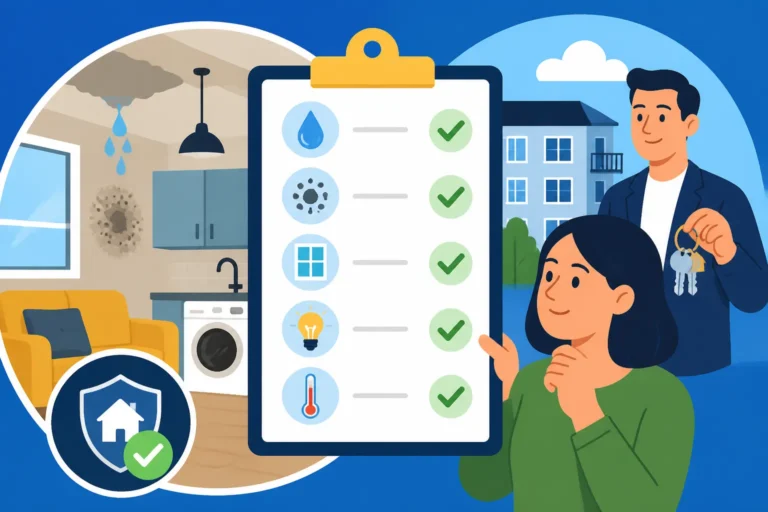
The cornerstone of landlord-tenant law, particularly when it comes to living conditions, is the "implied warranty of habitability." This isn't just a fancy legal term; it's a fundamental promise that your rental home will be safe, clean, and fit for human occupation. This warranty is implied in nearly all residential leases, meaning it exists whether it's explicitly written in your agreement or not. When pests infest your home, they can quickly undermine this basic standard of living, making your apartment feel anything but habitable.
What "Habitable" Really Means
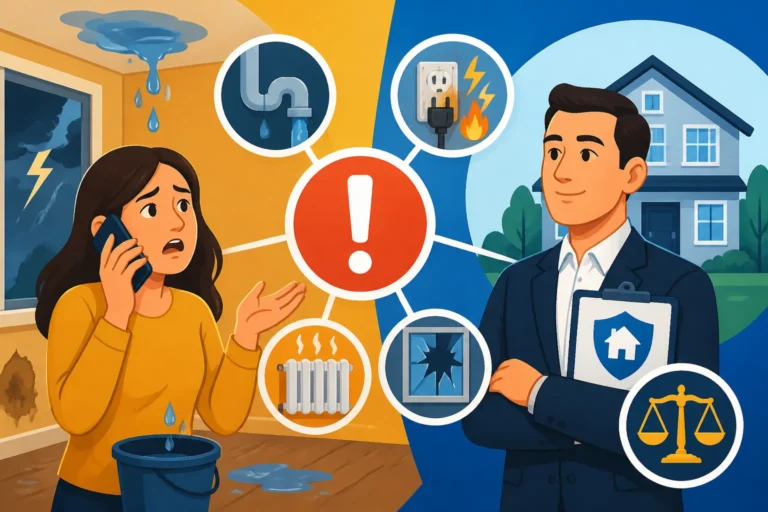
When we talk about a habitable living space, we're discussing a home that meets basic health and safety standards. This includes having access to hot water, functional plumbing, safe electrical wiring, and, crucially, a living environment free from serious infestations. It's not about luxury, but about fundamental human needs. For example, waking up to the sound of mice scratching inside your pantry or finding cockroaches scuttling across your kitchen counters isn't just unpleasant; it can pose significant health risks, from spreading bacteria to triggering allergies and asthma. These are the kinds of issues that clearly breach the implied warranty of habitability, signaling that your landlord has a clear responsibility to act.
This principle recognizes that as a tenant, you deserve a home that allows you to live without constant fear of pests or the health hazards they bring. It's a protection against landlords providing substandard housing and expecting tenants to simply "deal with it." Your rent pays for a secure and healthy environment, and a severe pest problem directly contradicts that expectation.
When Pests Cross the Line
It's true that you might occasionally see a lone spider or an errant ant making its way across your floor, especially if you live in an older building or a property with lots of surrounding greenery. These minor, isolated incidents generally don't trigger the landlord's responsibility under the warranty of habitability. After all, complete pest eradication in every corner of every building is practically impossible.
However, the situation crosses a significant line when these occasional sightings turn into an infestation. We're talking about a persistent, widespread problem where pests are breeding, living, and thriving within your unit or the building's common areas. Imagine seeing multiple cockroaches every day, finding rodent droppings regularly, or constantly discovering new bed bug bites. This isn't just a nuisance; it's a systemic issue that indicates a failure in maintaining the property's habitability. At this point, the landlord's duty to address the problem kicks in, because the property is no longer considered safe or healthy for its residents. Ignoring such an infestation could lead to more serious issues, potentially making the property legally uninhabitable.
Common Pest Scenarios and Who Pays
When a pest problem rears its ugly head, the immediate question is always: "Who pays?" While the implied warranty of habitability often places the burden on the landlord, the specifics can sometimes depend on the type of pest and the circumstances surrounding the infestation.
Rodents and Roaches: Generally the Landlord's Burden
Let's be real: rodents (mice, rats) and cockroaches are the stuff of nightmares for most renters. They're not just creepy; they can carry diseases, contaminate food, and reproduce at alarming rates. In the vast majority of cases, severe infestations of these particular pests are considered the landlord's responsibility to eradicate. Why? Because these types of infestations often point to structural issues within the building itself, such as cracks in foundations, gaps around pipes, or problems in shared common areas that allow pests easy access. A tenant keeping a clean apartment can still fall victim to these pervasive issues if the building's infrastructure isn't properly sealed or maintained.
Think of it this way: you can keep your apartment spotless, take out the trash daily, and store food in airtight containers, but if your neighbor isn't doing the same, or if there's a hole in the wall behind your stove leading to a communal void, you're fighting a losing battle. These are problems that fall outside a tenant's direct control and require a building-wide solution. Landlords are typically expected to provide professional extermination services for these pests, especially if they are originating from outside your unit or from common areas. Moreover, landlord insurance providers, such as those that offer policies through Steadily, often have clauses that address property damage from pest infestations, although this rarely extends to a tenant's personal belongings. This is why having your own renters insurance, perhaps from a provider like Lemonade, is always a smart idea, as it can cover your possessions if they're damaged or ruined by an infestation.
Fleas and Bed Bugs: A Murkier Area
Now, let's talk about fleas and bed bugs – two pests that cause immense distress and often lead to more complex disputes about responsibility. These tiny bloodsuckers can be incredibly difficult to eradicate, and determining their source can be like solving a mystery novel.
For fleas, the responsibility often defaults to the tenant, especially if the tenant has pets. If your furry friend brings fleas into the apartment, it's generally understood that it's your job to treat your pet and thoroughly clean your unit. However, if you don't have pets and suddenly find your unit infested with fleas, the landlord might be responsible, especially if the previous tenant had pets and the infestation wasn't properly addressed before you moved in. This highlights the importance of thorough cleaning and pest inspection between tenants.
Bed bugs, on the other hand, are a different beast entirely. They don't discriminate based on cleanliness and can hitchhike on anything from luggage to furniture. Many states and cities have specific laws regarding bed bug responsibility, recognizing how easily they spread and how difficult they are to eliminate. In places like New York City, landlords are typically responsible for bed bug extermination regardless of the source, especially in multi-unit buildings where communal treatment is often necessary to prevent re-infestation. Other states might put the onus on the landlord for the initial treatment but require tenant cooperation. The key here is documentation. If you suspect bed bugs, you need to report it immediately, in writing, and document any evidence you find. The question of who pays for bed bug extermination is frequently debated, and laws vary widely, so it's critical to know your local rules. For more detailed information on your obligations, you can refer to our guide on Tenant Rights for Bed Bugs by State.
Ants, Spiders, and Occasional Invaders
Most of us have probably dealt with a few ants marching across the kitchen counter or a spider setting up shop in a corner. For these minor, occasional invaders, the responsibility often falls to the tenant. It's generally expected that you'll take reasonable steps to prevent these pests, such as keeping food sealed, cleaning up spills promptly, and perhaps using over-the-counter pest sprays.
However, even with these smaller pests, the situation can escalate. If you have a persistent problem with ants, spiders, or other insects that suggests a larger issue – perhaps a crack in the foundation, a leaky pipe attracting moisture, or a significant infestation coming from outdoors or a neighboring unit – then the landlord's responsibility may kick in. If your diligent efforts aren't making a dent and the problem persists or worsens, it's time to inform your landlord in writing, as it could indicate an underlying structural or maintenance issue that only they can properly address.
Factors Determining Pest Control Responsibility
Beyond the type of pest, several critical factors can sway who ultimately shoulders the responsibility for pest control in a rental property. It’s rarely a black-and-white situation, and understanding these nuances can make a big difference when you’re trying to get a problem resolved.
Lease Agreements and Their Clauses
Your lease agreement is the primary legal document governing your tenancy, and it's where many landlords attempt to define pest control responsibilities. Some leases might explicitly state that the tenant is responsible for all pest control, while others might clarify that the landlord handles structural pests but the tenant is responsible for common household pests like ants or fleas.
It's absolutely crucial to read your lease agreement carefully before signing, especially any clauses related to maintenance and pest control. However, even if your lease states you're responsible for all pest control, this doesn't automatically override your landlord's legal obligations under the implied warranty of habitability. State and local laws always take precedence. If a lease clause attempts to shift responsibility for maintaining a habitable living space (e.g., forcing you to pay for a severe rodent infestation stemming from a building-wide issue), that clause might be considered unenforceable. A well-drafted lease, often facilitated by property management platforms like TurboTenant, aims to clearly delineate responsibilities while still adhering to legal standards, but ambiguities can still arise. Always consult your local tenant laws if a lease clause seems unfair or contradictory to what you understand about your rights.
Tenant's Actions and Negligence
While landlords are generally responsible for maintaining a habitable property, tenants also have a role to play. If a pest problem arises directly from a tenant's actions or negligence, then the responsibility for extermination and associated costs can shift to the tenant.
For example, if you consistently leave uncovered food out, neglect to take out the trash, or allow excessive clutter to accumulate, creating an inviting environment for pests like roaches or rodents, your landlord could argue that the infestation is a direct result of your failure to maintain a reasonably clean living space. Similarly, if you have a pet that brings in a flea infestation and you fail to treat the pet or clean the apartment, the cost of dealing with the fleas might fall to you. It's about demonstrating reasonable care for the property. This isn't about shaming; it's about acknowledging that both parties have duties to uphold. Your landlord can't be expected to fix a problem that you're actively contributing to through neglect.
Timing of the Infestation
The timing of when a pest infestation appears can also be a significant factor in determining responsibility. If you move into an apartment and discover a severe pest problem – be it cockroaches, bed bugs, or rodents – within a short period, say a few days or weeks, it's highly likely that the infestation existed before you moved in. In such cases, the landlord is almost always responsible for addressing the issue, as they failed to provide a habitable unit from the outset.
Imagine moving into your dream apartment in Portland, only to discover a massive cockroach problem within the first week. It’s highly improbable that you caused such an extensive issue in such a short timeframe. This would typically be a pre-existing condition, and your landlord would be obligated to resolve it. However, if a major infestation of, say, bed bugs appears six months into your tenancy, the landlord might argue that it was introduced by you or your guests, making the responsibility a much more contentious issue. This is why a thorough move-in inspection and clear documentation of the apartment's condition are so vital. Taking photos or videos of the unit before you bring in your belongings can provide crucial evidence if a dispute arises later.
Your Role as a Tenant When Pests Arrive
While we’ve talked a lot about what your landlord is responsible for, let’s be honest: you have a crucial role to play when pests invade your rental. Ignoring the problem, or failing to communicate effectively, can complicate things immensely and even shift responsibility onto you.
Prompt Reporting and Documentation
This is perhaps the single most important step you can take. The moment you suspect or confirm a pest problem, you must report it to your landlord immediately. And by immediately, I mean as soon as possible, and always in writing. A phone call might seem quicker, but it leaves no paper trail. An email, text message, or certified letter provides undeniable proof that you notified your landlord.
Your communication should be clear, concise, and include details about the type of pest, where you’ve seen them, how many, and how long the problem has been ongoing. Don't forget to ask for a timeline for remediation. Beyond reporting, documentation is your best friend. Take photos or videos of the pests, their droppings, bites on your skin, or any damage they've caused. Keep a log of when you see them, any conversations you have with your landlord, and any attempts you make to mitigate the problem yourself. This evidence will be invaluable if you need to escalate the issue. For a detailed guide on gathering evidence, check out our post on How to Document Repair Problems. Remember, without proof of communication and the problem itself, it becomes your word against theirs, and that's a battle you want to avoid.
Maintaining Cleanliness and Prevention
Let’s face it, no one wants to live in a messy home, but when pests are a concern, cleanliness isn't just about aesthetics – it's a vital preventative measure. As a tenant, you have an obligation to maintain your unit in a reasonably clean and sanitary condition. This doesn't mean you need to eat off your floors, but it does mean being mindful of practices that can attract pests.
Simple habits can make a huge difference:
- Store food properly: Keep all food, including pet food, in airtight containers. Don’t leave dirty dishes in the sink overnight.
- Dispose of trash regularly: Take out your garbage frequently, especially food waste, and ensure your trash cans have tight-fitting lids.
- Clean up spills promptly: Sugary drinks and crumbs are like an open invitation for ants and roaches.
- Reduce clutter: Pests love hiding in dark, undisturbed places. Minimize clutter, especially in storage areas, under sinks, and in closets.
- Report leaks: Moisture attracts many pests, so promptly report any leaks or drips to your landlord.
- Seal entry points (if allowed): While major structural sealing is the landlord's job, you can often use temporary measures like door sweeps or weatherstripping to deter pests from entering.
By taking these steps, you not only make your home less appealing to pests but also strengthen your position if a dispute arises. If your landlord tries to blame you for an infestation, your diligent efforts in maintaining cleanliness will serve as strong evidence that you’ve done your part.
What to Do If Your Landlord Isn't Responding
It’s incredibly frustrating when you’ve done everything right – reported the pest problem promptly, documented every sighting, and maintained your unit – only for your landlord to drag their feet or, worse, completely ignore your pleas for help. This is a common and infuriating situation, but you do have options.
Sending a Formal Demand Letter
If your initial communications aren't yielding results, it's time to escalate to a formal demand letter. This isn't just a strongly worded email; it's a legal document that formally notifies your landlord of the breach of their responsibilities and your intent to take further action if the problem isn't resolved.
A demand letter should:
- Reference your lease: Specifically mention the implied warranty of habitability and any clauses in your lease related to pest control or maintenance.
- Detail the problem: Reiterate the type of pest, the severity of the infestation, and how long it has been ongoing. Include specific dates of your previous attempts to contact them.
- Provide evidence: Mention the photos, videos, and communication logs you’ve kept.
- State a deadline: Give your landlord a reasonable timeframe (e.g., 7 to 14 days, depending on your state's laws and the severity of the issue) to address the problem. Clearly state that if they fail to act within this period, you will be forced to explore other remedies.
- List potential remedies: Briefly mention the legal avenues you might pursue, such as withholding rent, repairing and deducting, or even breaking the lease.
- Send it via certified mail: This ensures you have proof that the landlord received the letter.
This letter acts as a serious warning and a clear record of your efforts to resolve the issue amicably. It's often enough to prompt an inactive landlord into action. For further guidance, our article on How to Request Repairs in Writing offers templates and advice.
Understanding Repair and Deduct or Withholding Rent
These are significant steps and should only be considered if your landlord has failed to respond to repeated requests and formal demand letters, and if the pest problem truly makes your unit uninhabitable. These remedies are not universally allowed, and their rules vary dramatically by state and even locality. Using them incorrectly can put you at risk of eviction.
- Repair and Deduct: This involves you paying for the pest control services yourself and then deducting the cost from your next rent payment. Generally, you must provide your landlord with proper written notice, a reasonable opportunity to make repairs, and proof of the expense. The repair must usually be for a serious habitability issue, and there may be limits on how much you can deduct (e.g., one month's rent).
- Withholding Rent: This is even more serious. It involves placing your rent money into an escrow account (or similar legal mechanism) rather than paying it directly to the landlord, to show you are willing to pay, but not until repairs are made. This is typically reserved for the most severe habitability issues, like a complete lack of heat or a dangerous structural defect, but can apply to extreme pest infestations in some jurisdictions.
Before taking either of these actions, it is imperative that you research your state's specific laws thoroughly. Our guides on Repair and Deduct by State and Withholding Rent for Repairs can help you understand the legal landscape, but consulting with a local tenant rights attorney or housing authority is always the safest course of action to ensure you're complying with all legal requirements and not jeopardizing your tenancy.
Seeking External Help or Legal Action
If all else fails, and your landlord continues to be unresponsive to a severe and persistent pest problem, it's time to seek external assistance.
- Local Housing Authority or Code Enforcement: Many cities and counties have departments responsible for enforcing housing codes and standards. You can file a complaint with them, and they may send an inspector to your unit. If the inspector finds code violations (which a severe pest infestation often is), they can order your landlord to make repairs and even fine them. Reporting a landlord for habitability issues is a powerful tool, as detailed in our guide on How to Report a Landlord Code Violations & Retaliation.
- Tenant Rights Organizations: Non-profit tenant advocacy groups exist in many communities and can provide free or low-cost legal advice, mediate disputes, or even help you prepare legal documents. They are often experts in local landlord-tenant laws and can offer invaluable support.
- Small Claims Court: As a last resort, if you've incurred damages (e.g., medical bills from bites, ruined personal property not covered by insurance, or the cost of professional extermination you had to pay for), you might consider taking your landlord to small claims court. While this can be a daunting prospect, it's a way to seek financial compensation for your losses. This is often the path taken if a landlord refuses to return your security deposit due to unfounded deductions related to pest damage they should have handled, or if you had to move out due to an uninhabitable condition. Knowing your rights regarding Suing a Landlord for Your Deposit Small Claims & Penalties can give you an idea of the process.
| Pest Type | Common Responsibility | Lease Clauses Influence? | Tenant Action Needed | Potential Damage Covered by Tenant Insurance? |
|---|---|---|---|---|
| Rodents | Landlord | Minimal (habitability) | Prompt reporting, cleanliness, seal food | Limited; mainly property damage by rodents if covered |
| Roaches | Landlord | Minimal (habitability) | Prompt reporting, cleanliness, seal food | Limited; mainly property damage if covered |
| Bed Bugs | Often debated, state-specific | Yes, but habitability often overrides | Immediate reporting, documentation, cooperation with treatment | Possible, for contaminated belongings (check policy) |
| Fleas | Tenant (with pets), Landlord (pre-existing) | Yes | Treat pets, thorough cleaning, prompt reporting if no pets | No (typically considered maintenance issue) |
| Ants/Spiders | Tenant (minor), Landlord (infestation) | Yes | Cleanliness, seal food, report persistent issues | No (typically considered maintenance issue) |
Disclaimer
Please remember that landlord-tenant laws can vary significantly by state, county, and even city. This guide provides general information and should not be considered legal advice. Always consult with a qualified legal professional or your local housing authority for advice specific to your situation and jurisdiction.