Habitability Checklist for Renters
Moving into a new place, or even living in your long-term rental, can sometimes feel like a gamble. You expect a safe, healthy, and livable environment, but what happens when your landlord isn't holding up their end of the bargain? This comprehensive guide will walk you through what exactly makes a rental "habitable," the crucial things you should be checking, and how to protect yourself when your living situation falls short of legal standards.
Understanding the Implied Warranty of Habitability
The concept of a "habitable" living space isn't just a nice idea; it's a legal standard known as the "implied warranty of habitability." This means that landlords, by law, promise to provide a property that is fit for human habitation, regardless of whether it's explicitly written in your lease. It's a fundamental protection for renters, ensuring your home meets basic health and safety requirements.
Understanding the Legal Obligation
The implied warranty of habitability is a cornerstone of landlord-tenant law across most of the United States. It's "implied" because it doesn't need to be stated in your lease agreement; it's automatically part of the deal when you rent a residential property. Think of it as a silent, yet powerful, promise from your landlord. This obligation means your landlord must maintain the property to a standard that is safe and sanitary, and they cannot simply ignore critical issues that affect your health or well-being. It's a legal recognition that housing isn't just a commodity, but a basic necessity that needs to meet certain foundational criteria to be considered acceptable.
This warranty protects tenants from being forced to live in substandard or dangerous conditions. It sets a baseline, saying that a landlord can't rent out a place that's falling apart, infested with pests, or lacking essential utilities. It pushes back against the old "buyer beware" mindset in rentals, placing a clear responsibility on property owners. When a landlord fails to uphold this warranty, they are in breach of contract, which gives tenants specific legal remedies.
Who It Protects and When It Applies
This warranty applies to virtually all residential rental agreements, covering apartments, houses, condos, and even some mobile homes. It protects you, the tenant, and anyone lawfully living with you. The key here is "residential"; commercial leases typically don't fall under this same umbrella. The warranty applies throughout your tenancy, from the moment you move in until the day you move out. It's not a one-time check; your landlord has a continuous duty to maintain habitable conditions. This means if an issue arises mid-lease, like a broken furnace in winter or a severe plumbing leak, your landlord is still responsible for addressing it promptly.
However, it's important to understand that this warranty doesn't cover damages caused by the tenant's own negligence, abuse, or intentional destruction of the property. For example, if you break a window, you're usually responsible for the repair, not your landlord. But if the window was already faulty or the frame rotted, that falls back on the landlord's duty to maintain a safe structure. Understanding the nuance between Normal Wear and Tear vs Damage: Complete Guide and tenant-caused issues is crucial for navigating habitability disputes.
Key Areas to Check for Habitability
When you're evaluating your rental, either before moving in or if issues arise during your tenancy, there are several key areas that consistently fall under the habitability umbrella. These aren't just minor inconveniences; they are fundamental aspects that, if missing or severely deficient, can render a property uninhabitable.
Structural Integrity and Safety
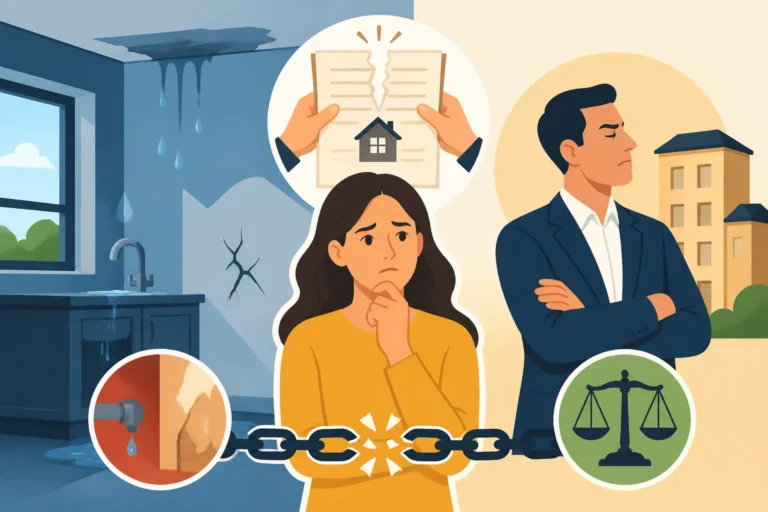
Your home needs to be structurally sound and safe. This might sound obvious, but it covers a wide range of potential problems. Imagine a ceiling that's bowing, a floor that feels spongy, or a porch railing that's completely rotted. These aren't just cosmetic flaws; they pose serious safety risks. We're talking about things like the roof, walls, and foundation being intact and not leaking or threatening to collapse. Doors and windows must operate properly, lock securely, and provide adequate ventilation. They shouldn't be so drafty that they make the home impossible to heat or cool effectively. Electrical systems need to be safe, with working outlets and lighting fixtures, and no exposed wiring or frequent circuit overloads.
Beyond the basic structure, safety includes things like functioning smoke detectors and carbon monoxide detectors, especially if your unit has gas appliances or an attached garage. Stairways, railings, and common areas must be well-maintained and free from hazards. If you're in a multi-unit building, common areas like hallways and entryways also need to be safe and accessible. Any issues here aren't just about comfort; they're about preventing injuries or worse.
Essential Utilities and Services
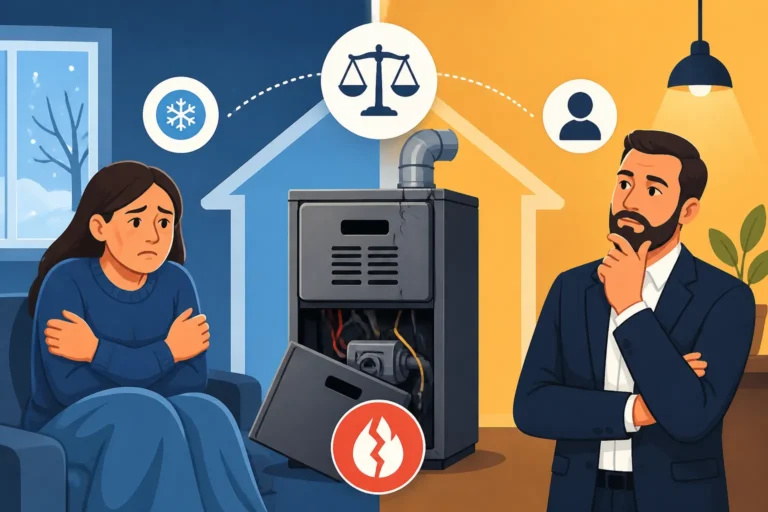
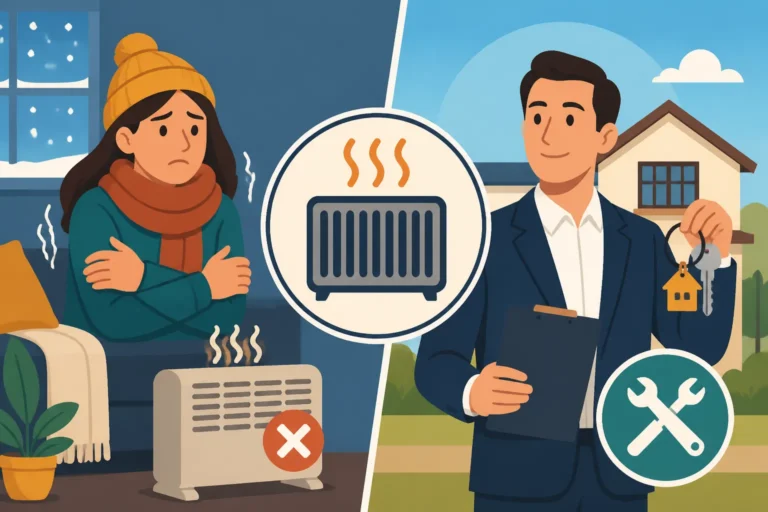
This is often one of the most immediate and impactful aspects of habitability. You have a right to functioning essential services. This includes reliable access to hot and cold running water. Nobody should have to live without hot water for an extended period, especially in colder climates. Heating is another non-negotiable, particularly during the colder months. Imagine trying to live in an apartment in January in Chicago without heat – that's a clear habitability issue. Many states even have specific minimum temperature requirements for rental units. In warmer regions, a functioning air conditioning system might also be considered essential, especially if the lease specifies it or if extreme heat poses a health risk.
Beyond water and heat, access to electricity and adequate sewage disposal are absolutely critical. Drains need to function, toilets must flush, and there should be no raw sewage backing up into your unit. Cooking facilities, if provided by the landlord, should be in safe working order. These are the fundamental services that allow you to live a basic, dignified life in your home. Without them, your rental is truly not fit for habitation. If your landlord isn't providing No Heat / No Hot Water / No AC: Your Rights, you have options.
Sanitation and Pest Control
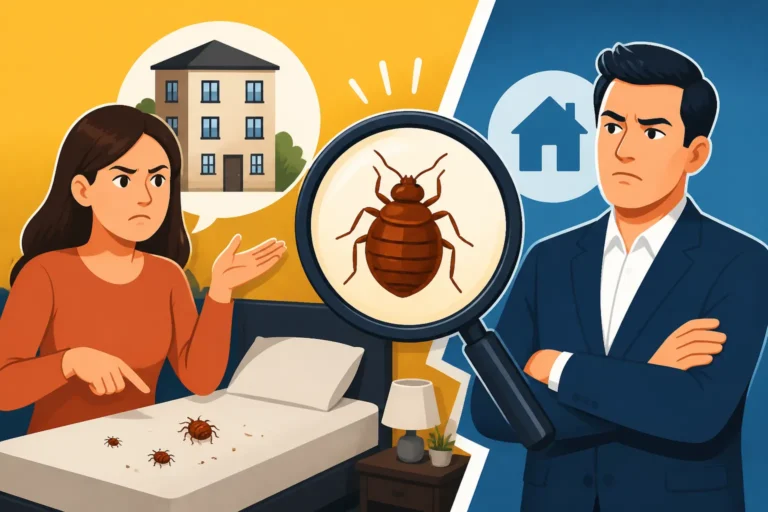
A truly habitable living space must be sanitary and free from significant pest infestations. This doesn't mean you'll never see a stray bug, but it does mean your landlord is responsible for addressing widespread or recurring issues. Think about persistent rodent problems, an overwhelming cockroach infestation, or even bed bugs. These aren't just gross; they can pose serious health risks and make a home genuinely unlivable. Your landlord is generally responsible for pest control, particularly for infestations that are not tenant-caused and affect multiple units or originate from structural issues. For example, if there's a crack in the foundation letting mice in, that's the landlord's problem.
Proper waste disposal facilities are also part of sanitation. Your building should have appropriate dumpsters or bins, and they should be emptied regularly to prevent health hazards and pest attraction. The property should also be free from excessive garbage, sewage overflow, or other conditions that create a breeding ground for vermin or harmful bacteria. If you find yourself battling persistent pests, understanding your Bedbugs & Pest Control Responsibility is key to knowing who should address the problem.
Common Habitability Issues and Your Rights
It's easy to feel overwhelmed or even powerless when your rental isn't up to par. However, knowing the most common habitability issues and your rights empowers you to take action and demand the living conditions you deserve.
No Heat, Hot Water, or AC
This is often the most urgent and distressing habitability problem. Imagine a frigid winter night in Denver, Colorado, and your furnace suddenly dies. Or trying to shower for work with only icy cold water. Or worse, living through a sweltering summer in Phoenix, Arizona, with a broken AC, making sleep impossible and risking heat-related illness. Landlords are generally required to provide adequate heating, and in many jurisdictions, hot water is a must-have year-round. While AC requirements vary more by state and lease terms, if it's provided and essential for health (especially for vulnerable tenants like the elderly or those with medical conditions), its failure can also be a habitability breach.
The critical factor here is often the timeline for repairs. Many states have specific emergency repair timelines, sometimes as short as 24-72 hours for issues like no heat in winter. If your landlord fails to act within a reasonable timeframe, you may have legal recourse such as the right to Repair and Deduct by State or even to Withholding Rent & Rent Escrow, though these actions come with significant legal risks and should only be undertaken after careful consideration and often legal advice. Documenting the lack of these essential services, including temperatures, dates, and communication attempts, is paramount.
Mold and Moisture Problems
Mold isn't just unsightly; it can be a serious health hazard, especially for individuals with allergies, asthma, or compromised immune systems. Persistent moisture issues, whether from a leaky roof, faulty plumbing, or poor ventilation, can quickly lead to mold growth. Landlords have a responsibility to maintain the structural integrity of the property and to fix leaks or other sources of moisture that lead to mold. It's not about a tiny patch of mildew in a shower, which is often tenant responsibility to clean, but rather widespread mold, especially toxic black mold, or mold resulting from unaddressed leaks.
Dealing with mold often requires professional remediation, which can be costly. If your landlord ignores severe mold issues, they are likely violating their habitability obligations. Your rights here depend heavily on documenting the problem, its source, and your communication with the landlord. Knowing about Mold: Landlord Responsibility & Tenant Rights is vital. A mold problem isn't just an inconvenience; it can actively make you sick and your home unlivable.
Pest Infestations and Unsanitary Conditions
Few things make a home feel uninhabitable faster than an infestation of pests. Cockroaches scurrying across your kitchen counters, rodents gnawing through your pantry, or the itchy, sleepless nights caused by bed bugs – these are serious problems. While tenants generally have a duty to keep their units clean, widespread infestations that are difficult to control, affect multiple units, or stem from structural defects (like large cracks in the foundation or walls) are typically the landlord's responsibility to address. This also extends to unsanitary conditions that the landlord has failed to correct, such as sewage backups, persistent garbage accumulation in common areas, or severe structural issues that attract pests.
Your landlord is expected to take reasonable steps to prevent and eradicate such infestations. This often involves professional pest control services. If you're facing a significant pest problem, document everything: dates you first noticed the pests, evidence (photos, dead bugs), and all communication with your landlord. Don't throw out notices or texts! This evidence will be crucial if you need to escalate the issue and prove your landlord's inaction.
Documenting Habitability Concerns
When you're dealing with a landlord who isn't addressing vital repairs or habitability issues, the absolute best thing you can do for yourself is document, document, document. Without a clear paper trail, it's your word against theirs, and that's a tough position to be in.
The Importance of Written Communication
Never, ever rely solely on verbal agreements or casual hallway chats with your landlord or property manager, no matter how friendly they seem. Always follow up any verbal conversation with a written confirmation. An email, text message, or formal letter sent via certified mail creates a clear record. This includes initial requests for repairs, reminders, and any responses (or lack thereof) from your landlord. For instance, if you call to report a leaky faucet, immediately send a follow-up email saying, "Just spoke with [Landlord/Property Manager Name] regarding the leaky faucet in my bathroom. As discussed, it started on [date] and is causing [describe issue, e.g., significant water waste, potential damage to the cabinet]. Please let me know when it can be addressed."
This written record proves that you informed your landlord of the problem, when you informed them, and the severity of the issue. It eliminates any claim that they "didn't know" or "forgot." When drafting these communications, be polite but firm, clearly state the problem, and request a specific action or timeline. Platforms like TurboTenant or other tenant portals often provide a built-in communication log, which can be invaluable for creating these records. This structured communication is also important if you eventually need to take legal action or file a complaint with housing authorities. For more detailed guidance, refer to How to Request Repairs in Writing.
Gathering Evidence: Photos, Videos, and Reports
Visual evidence is incredibly powerful. Take clear, timestamped photos and videos of every habitability issue.
- Photos: Capture the scope of the problem. If it's mold, photograph the growth, the source of moisture, and objects affected. For a broken appliance, show the damage and the appliance itself. For pest infestations, include visible pests, droppings, or damage they've caused.
- Videos: Videos can show things that photos can't, like a persistent leak, a flickering light, or a heating system that's making unusual noises. Walk through the affected area, narrating what you see and hear.
- Dates and Timestamps: Most modern phones automatically embed timestamps. If not, make sure to note the date and time each piece of evidence was collected.
- External Reports: If the issue is severe enough, consider getting a professional opinion. For instance, a pest control specialist might provide a report on the extent of an infestation, or a plumber could diagnose a recurring leak. A doctor's note regarding health issues caused or exacerbated by mold can also be very strong evidence. Keep copies of all these reports.
This evidence serves as undeniable proof of the conditions in your unit. It helps housing authorities, mediators, or judges understand the severity and persistence of the problems you're facing.
Keeping Detailed Records
Beyond communication and visual evidence, maintaining a meticulous log of everything related to the habitability issue is crucial.
- Repair Log: Create a simple spreadsheet or notebook entry for each issue. Include:
- Date problem first observed
- Date landlord was notified (and method: email, text, call)
- Date landlord responded (and summary of response)
- Dates repairs were attempted
- Outcome of repairs (fixed, partially fixed, not fixed)
- Dates of follow-up communication
- Any expenses you incurred (e.g., portable heaters if the main heat was out, temporary lodging)
- Correspondence File: Keep all emails, letters, and certified mail receipts in an organized folder, either physical or digital.
- Witness Information: If friends, family, or maintenance workers witnessed the uninhabitable conditions or the landlord's lack of response, note their names and contact information. Their testimony could be helpful later.
- Rent Payments: Continue to pay your rent on time, even if you are considering options like repair and deduct or rent escrow. Documenting your timely rent payments shows you are upholding your end of the lease, even while the landlord is not. Only withhold rent if you fully understand the legal process in your state for Withholding Rent & Rent Escrow and have legal counsel.
Habitability Issue Documentation Checklist
| Item to Document | Description | Format | Importance |
|---|---|---|---|
| Initial Observation | Date and time you first noticed the issue. | Log | Establishes timeline. |
| Landlord Notification | Date, time, and method (email, certified letter, tenant portal) of communication. Keep copies. | Written, Digital | Proof you informed them. |
| Issue Description | Detailed explanation of the problem and its impact. | Written, Visual | Clear understanding of the problem. |
| Photos/Videos | Timestamped images/footage showing the problem's severity. | Digital | Visual proof, hard to deny. |
| Repair Attempts | Dates of any attempted repairs, who performed them, and outcome. | Log | Shows landlord's response (or lack thereof). |
| Follow-up | Subsequent communications, reminders, and responses. | Written, Digital | Demonstrates persistence and continued issue. |
| Health/Safety Impact | Notes on how the issue affects your well-being (e.g., doctor's notes for mold). | Written, Medical | Highlights severity for personal well-being. |
| Expenses Incurred | Receipts for temporary solutions (e.g., heater, water bottles). | Receipts | Potential for reimbursement in some cases. |
| Witness Accounts | Names and contact for anyone who can corroborate your claims. | Written | Provides additional credibility. |
This meticulous record-keeping is your shield and your sword when dealing with habitability disputes. It demonstrates that you acted responsibly and provides the evidence needed to support your claims.
Next Steps When Your Rental Isn't Habitable
Discovering your rental is uninhabitable can be incredibly frustrating and stressful. It's easy to feel angry or despair, but taking structured, informed steps is the best way to protect your rights and get your home back to a livable state. Remember, acting rashly can sometimes jeopardize your standing.
Communicating with Your Landlord
The first and most crucial step is always to formally communicate the issue to your landlord. As discussed, this must be in writing. Send a detailed letter or email explaining the problem, referencing your lease (if applicable), and clearly stating that the condition violates the implied warranty of habitability. Request that they address the issue within a specific, reasonable timeframe, usually dictated by state law for How Long Does a Landlord Have to Make Repairs? (By State). For example, in California, landlords typically have 24 hours for emergency repairs (like no heat in winter) and 30 days for non-emergency issues. For serious habitability issues, the "reasonable" timeframe is much shorter than for minor cosmetic fixes.
Be prepared for different reactions. Some landlords are genuinely responsive and will address the issue quickly. Others might try to ignore you, delay, or even claim it's your fault. This is why thorough documentation is so important. If your initial written request is ignored, send a follow-up letter, again in writing, reiterating the problem and the lack of response. You might state your intent to seek further remedies if the issue isn't resolved. Maintain a polite but firm tone; accusatory language rarely helps. This communication process shows you are making a good-faith effort to resolve the problem directly with your landlord.
Escrowing Rent or Repair and Deduct Options
If your landlord fails to make necessary repairs after proper notification and a reasonable amount of time, many states offer tenants legal remedies like "repair and deduct" or "rent escrow." These are powerful tools, but they come with significant risks if not executed precisely according to your state's laws.
- Repair and Deduct: This allows you to pay for the repairs yourself and then deduct the cost from your next rent payment. However, there are usually strict limits on how much you can deduct (often capped at one month's rent or a specific dollar amount per year) and specific procedures you must follow, including providing prior written notice to your landlord of your intent to repair and deduct if they don't act. For instance, in Washington State, you generally can't deduct more than one month's rent. If you don't follow the rules to the letter, your landlord could claim you underpaid rent and initiate an eviction.
- Rent Escrow: This involves depositing your rent into a separate bank account, often supervised by a court, instead of directly paying your landlord. The money is held there until the repairs are made. This signals to your landlord that you're not trying to avoid paying rent but are serious about the repairs. Again, strict legal procedures apply, and you usually need court approval or guidance to do this safely.
Both options should only be considered after attempting to communicate with your landlord, documenting everything, and ideally, consulting with a tenant rights attorney or local housing authority. They can explain the specific Repair and Deduct by State laws and the legal process for Withholding Rent & Rent Escrow in your jurisdiction. Improperly exercising these rights can lead to severe consequences, including eviction proceedings.
Seeking Legal Aid or Reporting Violations
If direct communication and potential remedies like repair and deduct or rent escrow don't work, it's time to escalate.
- Local Housing Authorities: Many cities and counties have housing departments or code enforcement offices that can inspect your unit for violations of health and safety codes. If they find violations, they can issue citations to your landlord and order them to make repairs. This creates an official record of the uninhabitable conditions and forces your landlord to act. Learning How to Report a Landlord (Code Violations & Retaliation) can be invaluable here.
- Tenant Rights Organizations: Non-profit organizations specializing in tenant rights exist in many areas (e.g., Tenants Together in California, Met Council on Housing in NYC). They often provide free or low-cost legal advice, mediation services, and guidance on how to navigate habitability disputes.
- Small Claims Court: For certain issues, especially if you've incurred expenses due to the uninhabitable conditions or if your landlord has wrongfully withheld your security deposit for damages that were pre-existing or related to their neglect, you might pursue action in small claims court. For example, if you had to pay for a hotel because of a lack of heat, you might sue for those damages.
- Lawyer Consultation: For severe or complex cases, or if you're facing eviction because you tried to assert your habitability rights, consulting with a landlord-tenant attorney is highly recommended. They can advise you on your strongest legal arguments, help you navigate court procedures, and ensure you're fully protected. Some attorneys offer free initial consultations, which can be a great way to understand your options.
Remember, your home is your sanctuary, and you have a right to a safe and healthy living environment. Don't be afraid to assert your rights when your landlord fails to provide habitable conditions. Renter's insurance, from providers like Lemonade, can sometimes offer limited coverage for additional living expenses if you're displaced by certain uninhabitable conditions, which is another layer of protection to consider.
State-Specific Nuances to Consider
Landlord-tenant law, especially concerning habitability, varies significantly from state to state, and sometimes even city to city. What's considered an emergency in California might have a longer repair timeline in Texas, and the remedies available to you can differ greatly.
Variations in Habitability Standards
While the general principle of an "implied warranty of habitability" exists almost everywhere, the specific details of what constitutes a breach can vary. For example, some states explicitly list certain conditions (like lack of waterproofing, faulty plumbing, or inadequate heating) as making a unit uninhabitable, while others use more general language that can be interpreted by a judge. The speed at which a landlord must respond to repair requests also varies widely. In some states, a landlord has 24 hours for emergencies and 7-14 days for non-emergencies. In others, it might be 72 hours for emergencies and 30 days for routine repairs.
Furthermore, some states have specific laws regarding environmental hazards like lead paint in older homes or asbestos, while others rely more on federal guidelines. The definition of What Is Considered Uninhabitable can be quite precise in certain jurisdictions. It's crucial to understand that a small leak might be a minor issue in one state, but if it quickly leads to mold in a region known for high humidity, it could be treated with more urgency elsewhere. These variations mean that a one-size-fits-all approach to habitability issues simply won't work.
Understanding Your Local Tenant Laws
To effectively assert your rights, you must know the specific landlord-tenant laws in your state and local municipality.
- State Statutes: Start by researching your state's residential landlord-tenant act. This will outline the foundational rights and responsibilities of both landlords and tenants, including details about habitability, repair obligations, and remedies.
- Local Ordinances: Cities and counties often have their own housing codes, rent control ordinances, or tenant protection laws that can add further layers of protection or specify local habitability standards. For instance, New York City has very robust tenant protection laws that differ significantly from those in upstate New York.
- Emergency vs. Non-Emergency Repairs: Familiarize yourself with how your local laws differentiate between emergency repairs (like no heat in winter, severe plumbing leaks, electrical hazards) and non-emergency repairs (like a broken appliance that doesn't affect habitability, a minor chip in paint). The legal response time for landlords will vary dramatically between these categories.
- Permitted Remedies: Understand what legal actions you are permitted to take if your landlord fails to meet their obligations. Are you allowed to Repair and Deduct by State? Is rent escrow an option? What are the precise steps you must follow to invoke these remedies without risking eviction?
Knowing these nuances is not just about protecting yourself; it's about being prepared. If you need to contact a housing authority, an attorney, or even go to court, being able to cite specific statutes or ordinances from your area will significantly strengthen your position. Always remember that tenant advocacy groups or local legal aid societies are excellent resources for understanding the precise laws that apply to your rental situation. They can provide tailored advice and ensure you navigate the legal landscape correctly.
Disclaimer
Please remember that the information provided in this article is intended for general informational purposes only and does not constitute legal advice. Landlord-tenant laws are complex and vary significantly by jurisdiction. It is always recommended to consult with a qualified attorney or local tenant rights organization for advice tailored to your specific situation.