How Long Does a Landlord Have to Fix No Heat?
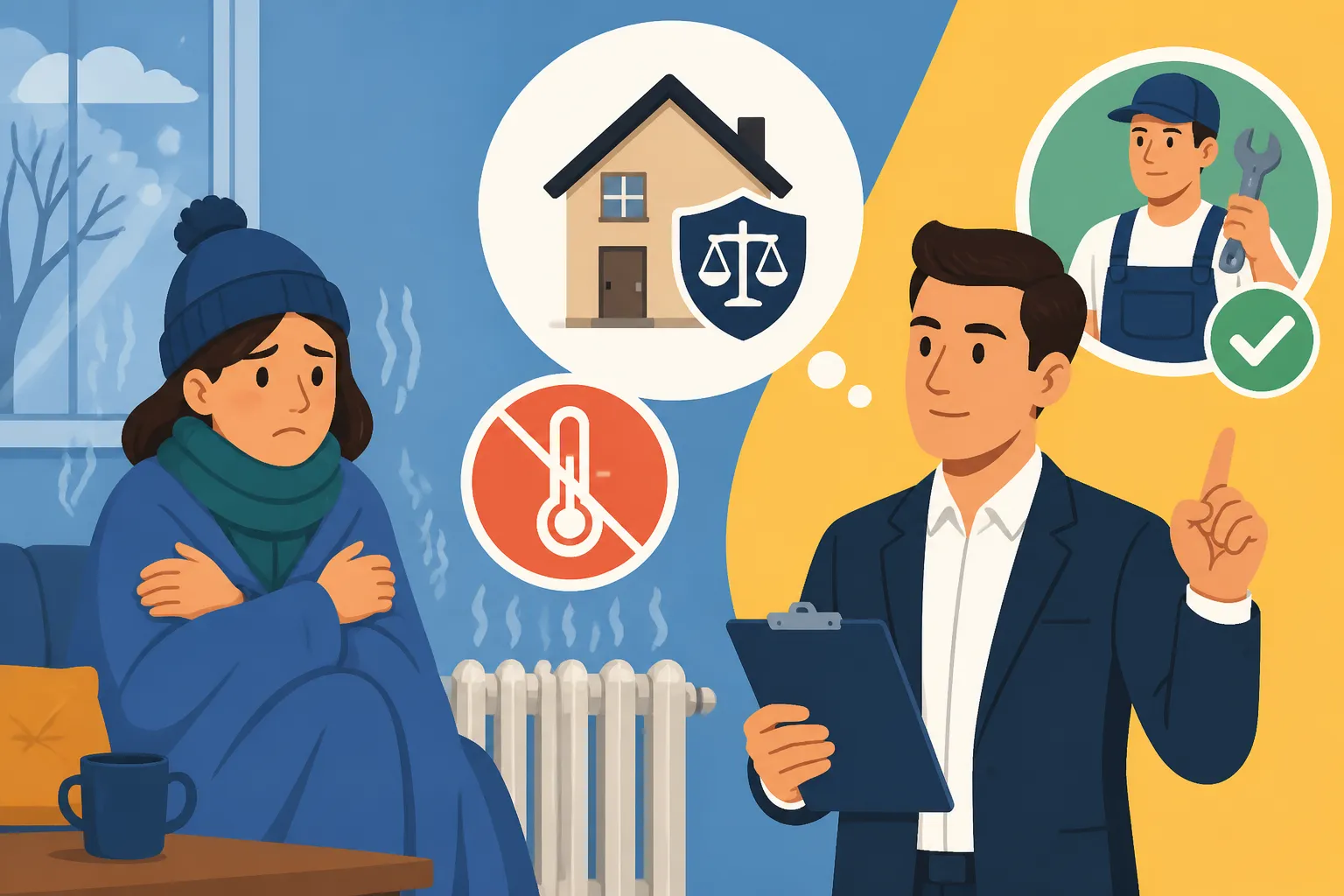
There's nothing quite like the biting cold seeping into your home, making every step a shiver-inducing ordeal, all while you wonder why your landlord hasn't done anything about the broken heater. It's not just uncomfortable; it can be downright unhealthy and dangerous, especially for vulnerable populations or during extreme weather. Dealing with a lack of heat is a serious tenant concern, and it's frustrating when you feel like you're left in the cold, literally. This guide is here to walk you through your rights and the typical timelines landlords have to restore heat, helping you understand what steps you can take to get your home warm again.
Understanding Your Landlord's Responsibility for Providing Heat
When you rent a home, you’re not just paying for four walls and a roof; you’re paying for a habitable living space. Heat is usually at the top of the list for what makes a place habitable, especially in areas with cold climates. It's not a luxury; it's a fundamental necessity.
The Implied Warranty of Habitability
One of the most crucial concepts in landlord-tenant law is the "implied warranty of habitability." This isn't always written into your lease, but it's an unspoken promise that your landlord makes when they rent you a property. It means the property will be safe, clean, and fit for human habitation. This includes providing essential services like running water, electricity, and, yes, adequate heating. If your landlord fails to maintain these basic conditions, they're breaching this implied warranty.
Think about it this way: if you moved into an apartment in Minneapolis in January and the heat was out, that apartment wouldn't be considered "habitable" by any reasonable standard. This warranty is your legal backbone, providing a basis for demanding repairs. It's not about minor inconveniences; it's about core living conditions. This foundational principle often dictates how quickly a landlord must act when something as vital as your heating system fails.
What Constitutes an "Essential Service" Like Heat
Heat isn't just a comfort; it's classified as an essential service in virtually every state, alongside things like hot and cold running water, electricity, and structural soundness. This classification is important because it means landlords have a higher, more urgent obligation to repair issues with these services compared to, say, a leaky faucet or a broken dishwasher (which, while annoying, aren't usually considered immediate threats to habitability).
States often define specific minimum temperatures that landlords must maintain during colder months. For example, in cities like New York, landlords are legally required to maintain an indoor temperature of at least 68 degrees Fahrenheit between 6 AM and 10 PM, and 62 degrees Fahrenheit between 10 PM and 6 AM, when the outside temperature drops below 55 degrees. Failing to meet these standards isn't just a breach of contract; it's a violation of habitability laws. If you're experiencing issues beyond just a lack of heat, you might want to look into the full scope of your landlord's repair responsibilities (What They Must Fix).
State-Specific Repair Timelines for No Heat
So, how long does a landlord actually have to fix no heat? This is where things get a little nuanced, as the specific timeline can vary significantly depending on where you live and what your state or local laws say. However, there's a general framework that most jurisdictions follow, often distinguishing between emergency and non-emergency repairs.
Emergency vs. Non-Emergency Repairs and Heat
In the eyes of the law, a complete lack of heat during cold weather is almost universally considered an emergency repair. This means your landlord has a much shorter window to address the issue compared to non-emergency problems. Imagine it's winter in Chicago, and your furnace just died. You can't just wait a week for a repair.
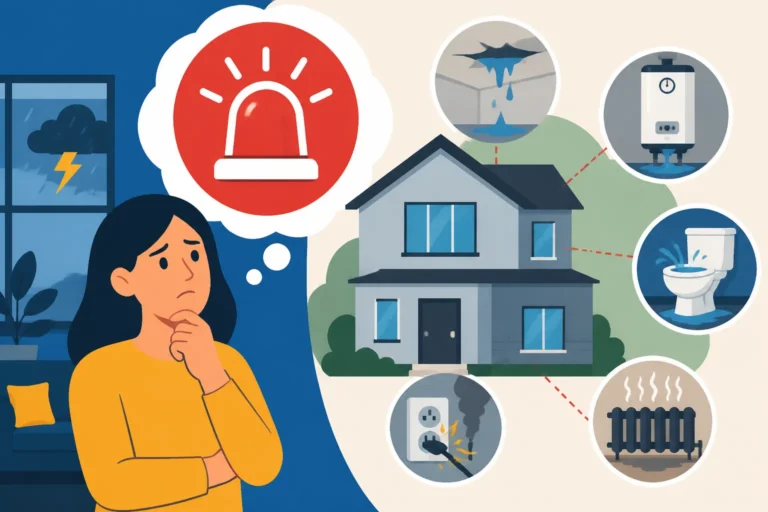
- Emergency Repairs: These are issues that make your rental unit uninhabitable or pose an immediate threat to your health, safety, or property. No heat in cold weather, burst pipes, significant electrical outages, or a non-functioning toilet would fall into this category. For these, landlords typically have a very short "reasonable time" to act—often 24 to 72 hours, sometimes even less depending on the severity and external temperatures.
- Non-Emergency Repairs: These are problems that, while needing attention, don't immediately jeopardize your living conditions. A running toilet, a leaky faucet, or a broken window in mild weather might fit this description. For these, the repair timeline is usually longer, potentially 7 to 30 days.
Given that a lack of heat directly impacts your health and safety, it's almost always in the emergency category, prompting a swift response from your landlord. If you're unsure if your situation qualifies, it's always best to treat it as an emergency and communicate that urgency to your landlord.
Common State Laws and "Reasonable Time"
While there's no nationwide "no heat" specific deadline, many states have general guidelines for emergency repairs that apply directly to heating issues. The term "reasonable time" pops up a lot in landlord-tenant law, but for essential services like heat, "reasonable" usually means "as quickly as humanly possible."
Here’s a quick overview of what "reasonable time" often looks like for essential services in a few example states:
State Emergency Repair Timeline (Approx.) Specific Heat Provisions (Examples) California 24 hours (for emergencies, including no heat) While statewide law mandates "adequate heating facilities," some cities like San Francisco or San Jose may have very specific temperature requirements. Generally, a lack of heat during cold periods is considered an immediate habitability issue. or at least within 24 hours of receiving actual notice. In California, for example, the rule for how long a landlord has to fix no heat isn't explicitly defined as an emergency, but the implication from the "untenantable condition" statute often leads courts to treat it as one. Similarly, you might wonder, "How Long Does a Landlord Have to Fix Heat in Texas?" or "How Long Does a Landlord Have to Fix Heat in Florida?"—and while the precise wording can differ, the urgency generally remains the same. The sooner it gets cold, the faster the landlord must act.
It’s always a good idea to check your specific state and city laws regarding repair timelines. Many cities, especially those in colder climates, have their own housing codes that are even stricter than state laws. For instance, Boston has specific rules about heating seasons and minimum temperatures. Tools like those offered by TurboTenant often provide resources for landlords to understand these local nuances, which ultimately benefits tenants.
Steps to Take When Your Landlord Won't Fix the Heat
It’s one thing to know your rights; it’s another to actually enforce them when your landlord is dragging their feet. If you’ve notified your landlord about a lack of heat and you’re still waiting, here’s a breakdown of what you need to do next.
Documenting the Problem Effectively
The golden rule in any landlord-tenant dispute is: document, document, document! Don't rely on verbal conversations. You need a clear, undeniable record of everything that transpires.
- Initial Notification: As soon as you discover the heat is out, notify your landlord in writing. An email or text message is usually best because it creates a timestamped record. Briefly explain the issue (e.g., "The heater is not working, and the indoor temperature is currently 50 degrees Fahrenheit"), the date and time you noticed it, and ask for an estimated repair time.
- Keep Records of Communication: Save every email, text, or letter you send and receive. If you have a phone conversation, follow up with an email summarizing what was discussed (e.g., "Following our call at 2 PM today, I understand you'll be sending a technician by tomorrow morning.").
- Gather Evidence: Take photos or videos of a thermometer showing the low indoor temperature. Note the date and time. Keep a log of how long the heat has been out. If you have to buy space heaters or stay in a hotel, keep all receipts. This evidence will be crucial if you need to escalate the situation later, perhaps if you have to consider suing a landlord for your deposit (Small Claims & Penalties) or other damages.
- Witnesses: If possible, have a friend or neighbor witness the lack of heat, especially if they can attest to the low temperatures.
Formal Notice and Communication with Your Landlord
After your initial notification, if the landlord doesn't act within a reasonable timeframe (typically 24-72 hours for heat, depending on your state and the severity of the cold), it's time to send a more formal written notice. This isn't just a friendly reminder; it's a legal step.
- Certified Mail: Send a formal letter via certified mail with a return receipt requested. This provides proof that your landlord received the notice.
- Content of the Letter:
- Clearly state the date, your name, apartment address, and your landlord's name and address.
- Reference your previous attempts to contact them (dates, times, methods).
- State the specific problem (no heat) and the date it began.
- Cite your state's law regarding essential services or the implied warranty of habitability, if you know it.
- Demand that repairs be made immediately or within a specific, legally appropriate timeframe (e.g., "within 24 hours" given the nature of the emergency).
- State your intention to pursue further action if the repair is not completed, outlining potential remedies like "repair and deduct" or "withholding rent" if permitted in your state.
- Keep a copy for your records.
Many states require landlords to receive written notice of a problem before you can take further action. Skipping this step could weaken your case if things go to court. Resources like Steadily often advise landlords on proper communication procedures, highlighting the importance of clear, documented interaction.
Your Rights: Withholding Rent, Repair and Deduct, or Breaking the Lease
These are serious steps, and not all are available in every state or situation. Always research your local laws or seek legal advice before taking any of these actions. Taking the wrong step could put you in breach of your lease and lead to eviction.
- Withholding Rent: In some states, if your landlord fails to make essential repairs after proper written notice, you may be able to withhold rent. However, you generally cannot just not pay rent. Instead, you'd typically need to place the rent money into an escrow account, showing that you have the money but are withholding it until the repairs are done. This is often known as "rent escrow." This is a high-stakes move and should only be done if you are absolutely sure it is legal in your jurisdiction and you follow the exact procedure.
- Repair and Deduct: This is another option in certain states. After giving proper notice and allowing a reasonable time, if your landlord still hasn't fixed the heat, you might be able to arrange for the repair yourself and then deduct the cost from your next rent payment. There are usually strict limits on how much you can deduct (e.g., one month's rent or a specific dollar amount) and how often you can do it. Always get multiple quotes for the repair and keep all receipts.
- Breaking the Lease: In extreme cases, where the lack of heat makes the unit uninhabitable and the landlord refuses to fix it, you may have grounds to break your lease without penalty. This is often referred to as "constructive eviction." You'd need substantial evidence that the property is unlivable and that your landlord failed to remedy the situation despite proper notice. Again, this is a very serious step with potential legal ramifications, so understanding your rights when breaking a lease is paramount. It’s critical to confirm this option is legally viable in your state before taking action.
- Seeking Temporary Housing: If the conditions are truly intolerable due to lack of heat, and your landlord isn't providing alternative accommodations, you may need to seek temporary housing. In some jurisdictions, you might be able to recover the costs of a hotel or alternative lodging from your landlord, but this often requires legal action. It’s important to document everything, including the specific conditions that necessitated your temporary move.
What Happens If Your Landlord Ignores You?
It's disheartening when you've done everything right, followed all the steps, and your landlord still won't fix the heat. Unfortunately, it happens. But don't despair—you still have options.
Seeking Legal Aid or Mediation
If your landlord continues to ignore your repair requests, it might be time to bring in professional help.
- Tenant Rights Organizations: Many cities and states have non-profit organizations dedicated to tenant rights. These groups can offer free or low-cost legal advice, help you understand your options, and even mediate with your landlord on your behalf. They're often familiar with local housing codes and can guide you through the next steps specific to your area.
- Legal Aid Services: If you meet certain income requirements, legal aid societies can provide legal representation or advice. They can help you draft letters, explain the nuances of your state's laws, or even represent you in small claims court if it comes to that.
- Private Attorneys: For more complex cases or if you can afford it, a landlord-tenant attorney can be invaluable. They can send a demand letter, negotiate with your landlord, and file a lawsuit if necessary. The threat of legal action from an attorney can sometimes be enough to spur an unresponsive landlord into action.
- Mediation: Sometimes, a neutral third party can help facilitate communication and find a solution. Many community centers or housing authorities offer mediation services for landlord-tenant disputes. This can be a less adversarial and often faster way to resolve issues than going to court.
Remember, the goal is to get your heat restored, and sometimes a little outside pressure is all it takes.
Reporting to Housing Authorities
When all else fails, reporting your landlord to the appropriate housing authorities or code enforcement agencies can be a powerful last resort. These agencies are responsible for enforcing housing standards and can often compel landlords to make necessary repairs.
- Local Code Enforcement: Your city or county likely has a department of housing or code enforcement. You can file a complaint with them about the lack of heat. They will typically inspect your unit, verify the violation, and then issue a notice to your landlord, ordering them to make repairs by a certain deadline. Failure to comply can result in fines and further legal action against the landlord by the city.
- Health Department: In severe cases where the cold poses a direct health risk, your local health department might also be an avenue for reporting. They can assess health hazards and issue orders for remediation.
- State Agencies: Some states have broader tenant protection or consumer affairs divisions that handle landlord-tenant complaints. A quick search for "tenant rights [your state]" should lead you to relevant state resources.
Before reporting, ensure you have all your documentation ready. The more evidence you provide, the stronger your case will be. Landlords, especially those who use property management tools or landlord insurance from providers like Lemonade, are often well-aware of these regulatory bodies and the penalties for non-compliance, making them more likely to respond once an official complaint is lodged. This course of action can be very effective in forcing landlords to adhere to safety and habitability standards. If you feel your landlord is retaliating against you for reporting them, understanding what constitutes landlord retaliation after a repair request can also be crucial.
Disclaimer
This article is for general informational purposes only and does not constitute professional advice. Laws and regulations vary by location and change over time. Consult a qualified professional for guidance on your specific situation.