Constructive Eviction Explained
Moving out of an apartment should be a time of excitement for a new chapter, but for far too many renters, it's a desperate escape from living conditions that have become unbearable. When your landlord neglects their responsibilities to the point where your home is no longer safe or livable, you might feel trapped, wondering if you're stuck paying rent for a place that's actively making your life miserable. This guide is here to walk you through the concept of constructive eviction, a powerful, albeit risky, tenant right that allows you to break your lease and move out when your landlord fails to maintain a habitable living space, without facing severe penalties.
What Exactly is Constructive Eviction?
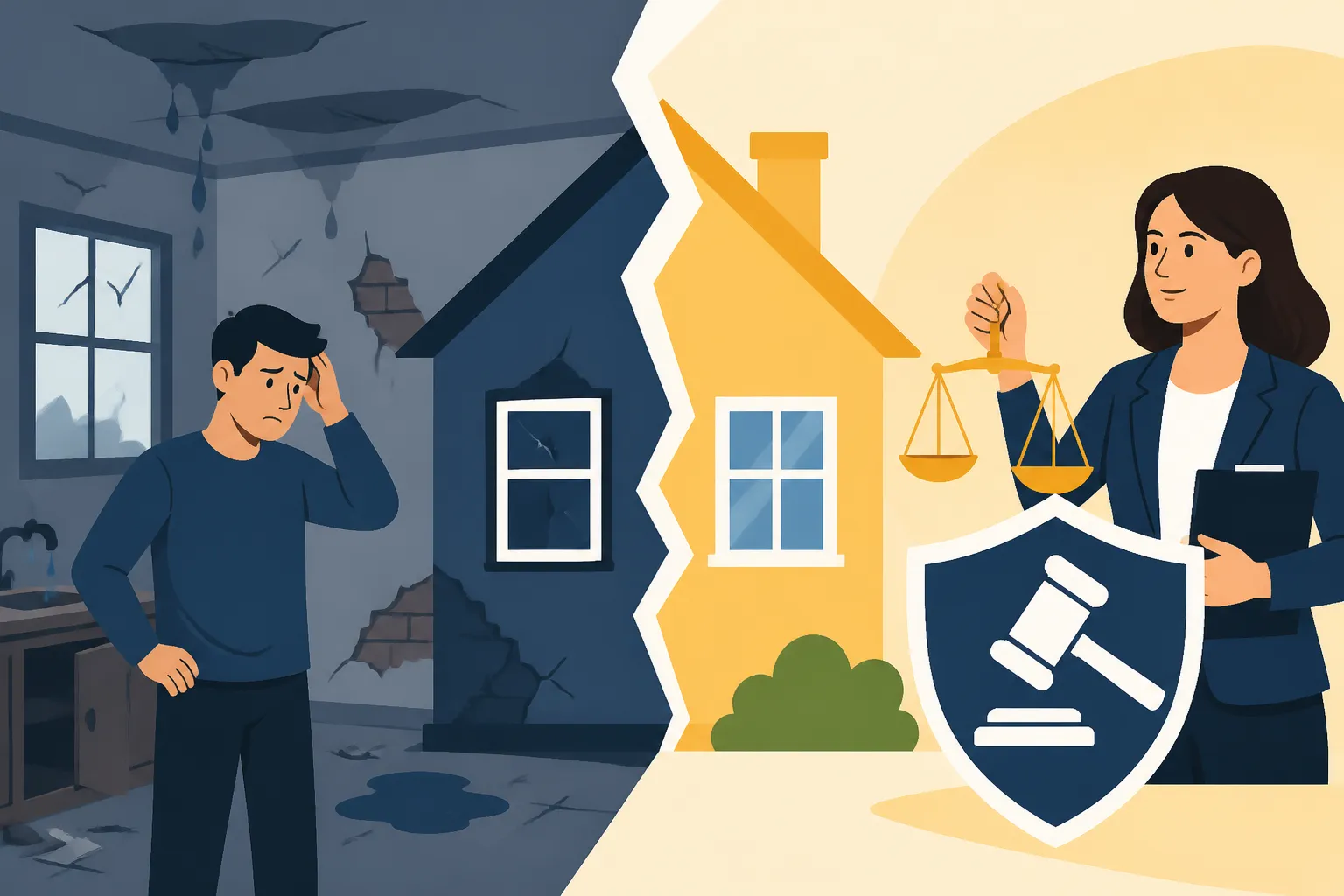
The phrase "constructive eviction" might sound like something out of a legal thriller, but it's a very real and often heartbreaking scenario for tenants. It's essentially when your landlord hasn't physically removed you from your home, but their actions, or more commonly, their inactions, have made the property so unlivable that you're forced to move out. Think of it as being "evicted" by the conditions of your living situation, rather than by a court order.
The Core Concept of Constructive Eviction
At its heart, constructive eviction hinges on the legal principle known as the "implied warranty of habitability." This isn't usually something explicitly written in your lease agreement, but it's a fundamental promise that every landlord makes: that the property they rent to you is safe, clean, and fit for human habitation. It means your apartment or home should have basic necessities like running water, heat, a secure roof, and protection from severe health hazards.
When a landlord violates this warranty by allowing serious problems to persist, and those problems effectively make the property unusable or unsafe, the law might consider you constructively evicted. You haven't been locked out, and no sheriff has shown up at your door, but the environment itself has become so hostile that you have no reasonable choice but to leave. It's a way for the legal system to protect tenants from being held to a lease for a property that the landlord isn't upholding their end of the bargain on.
The Difference Between Constructive and Actual Eviction
It’s crucial to understand that constructive eviction is not the same as a traditional, or "actual," eviction. With an actual eviction, the landlord initiates a formal legal process, typically by serving you an eviction notice, filing a lawsuit in court, and ultimately obtaining a court order (a writ of possession) that authorizes the sheriff to physically remove you and your belongings if you don't vacate. This is a very public, legally documented process that can severely impact your rental history and credit. You can learn more about the formal steps in the Eviction Process by State (Step-by-Step) guide.
Constructive eviction, on the other hand, is a defense or a claim made by the tenant. The tenant argues that the landlord’s breaches of the lease agreement or their legal duty to maintain the property were so severe that they had no option but to abandon the premises. It’s a tenant-initiated departure, and the tenant then seeks to be relieved of their lease obligations (like paying future rent) and potentially recover damages. The key difference is who initiates the "eviction" and the legal grounds on which it is based. With constructive eviction, you are leaving because the landlord made it impossible to stay, not because they told you to leave.
Why Tenants Seek Constructive Eviction
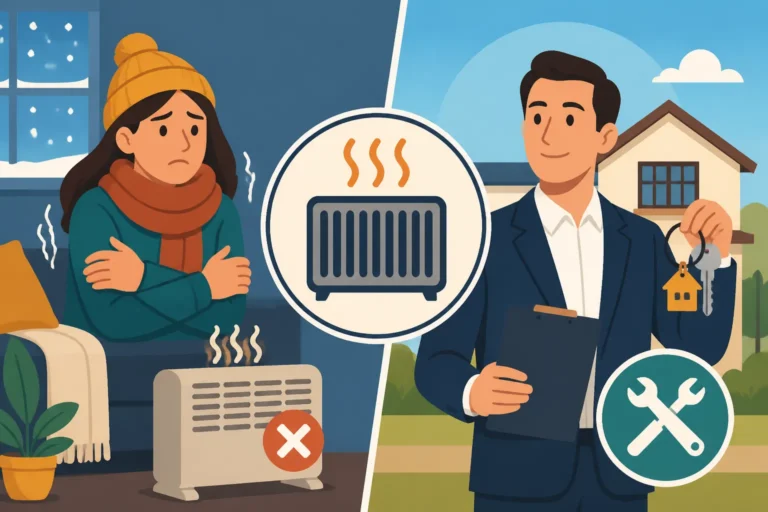
Tenants usually consider constructive eviction as a last resort when they've tried everything else and their landlord still refuses to address critical issues. Imagine being in an apartment where the furnace has been broken for weeks in the dead of winter, or where a persistent roof leak has led to a massive mold problem that's impacting your health. You've called, you've written letters, maybe even sent certified mail, but nothing changes. Your frustration mounts because you're paying hard-earned money for a place that isn't providing the basic shelter and safety you're entitled to.
In such scenarios, tenants seek constructive eviction because they want to escape an uninhabitable living situation without incurring severe financial penalties, such as being sued for the remaining rent on their lease. It's a way to legally break a lease when a landlord has fundamentally failed in their duties. The goal is to prove to a court that the conditions were so dire that continuing to live there was unreasonable or impossible, thus justifying your departure and absolving you of further rental obligations. It’s about holding landlords accountable for providing safe and decent housing, especially when they shrug off their Landlord Repair Responsibilities (What They Must Fix).
Key Elements for a Successful Constructive Eviction Claim
Successfully claiming constructive eviction isn't as simple as just packing up and leaving. There are very specific legal hurdles you'll need to clear, and the burden of proof will largely rest on your shoulders. Understanding these key elements before taking any action is paramount to protecting yourself.
Uninhabitable Conditions Must Exist
This is the cornerstone of any constructive eviction claim. The conditions in your rental property must be so severe that they render the premises unsafe, unsanitary, or unfit for human occupancy. Minor inconveniences, cosmetic issues, or even somewhat annoying neighbors (unless extreme and directly facilitated by the landlord's inaction) are typically not enough to warrant a constructive eviction claim.
We're talking about issues that directly impact your health, safety, and the fundamental ability to live in the space. This could include a complete lack of heat during cold months, extensive water damage leading to pervasive mold, a severe and unaddressed pest infestation (like bedbugs or rodents), a lack of essential utilities (water, electricity, gas), or structural problems that make the building unsafe. The specific standard for "uninhabitable" can vary slightly by state, but generally, it refers to a breach of the Implied Warranty of Habitability Explained. For instance, in California, conditions that substantially endanger the life, health, safety, or well-being of the tenant would qualify.
Landlord Negligence or Intentional Action
For a constructive eviction claim to stick, you need to show that the landlord was either negligent in addressing the problems or that they intentionally caused the conditions that made the property uninhabitable. Most commonly, it's about landlord negligence – meaning they knew, or reasonably should have known, about the severe issues but failed to take timely and appropriate action to fix them.
It's not usually about malicious intent, though that could certainly strengthen a case. More often, it's about a landlord who is unresponsive, slow to act, or completely ignores your legitimate repair requests. For example, if you report a major plumbing leak that's causing ceiling collapse, and the landlord drags their feet for weeks, that inaction constitutes negligence. Even if they didn't cause the leak, their failure to remedy it when given notice is the problem. This is where a property management system, like those offered by TurboTenant, could help landlords keep track of maintenance requests, ensuring they don't overlook critical repairs.
Notice to the Landlord and Opportunity to Cure
This is perhaps the most critical step, and one where many tenants unfortunately stumble. Before you can claim constructive eviction, you absolutely must give your landlord proper notice of the severe conditions and provide them with a reasonable opportunity to fix the problems. You cannot just decide the place is unlivable and move out without warning.
This notice should always be in writing. Detail the specific issues, when they started, how they affect your living situation, and what repairs you expect. Send this notice via certified mail with a return receipt requested, or through another method that provides proof of delivery. This creates an undeniable paper trail. The amount of "reasonable time" for repairs can vary. For urgent issues like no heat in winter or a broken toilet, it might be 24-72 hours. For less immediate but still critical issues, it might be 7-14 days. This timeframe is often defined by state law, so looking up How Long Does a Landlord Have to Make Repairs? (By State) for your specific location is essential. If the landlord fails to remedy the situation within that reasonable timeframe, only then can you potentially proceed with a constructive eviction claim.
Tenant Vacates the Property Within a Reasonable Time
Once you've given proper notice and the landlord has failed to make the necessary repairs within a reasonable timeframe, you generally must vacate the property. The timing here is also important. You can't live with the severe conditions for months or years and then suddenly claim constructive eviction. The act of moving out needs to occur relatively soon after the landlord's failure to remedy the situation.
The logic behind this is that by continuing to stay in the premises despite the uninhabitable conditions, you might be seen as accepting those conditions or waiving your right to claim constructive eviction. The law expects you to abandon the property because it's unbearable. If you can bear it for an extended period, the court might question just how uninhabitable it truly was. This doesn't mean you need to be out the next day, but generally, within a few weeks of the repair deadline passing, you should be moving. This emphasizes the urgency and severity of the situation from your perspective.
What Constitutes an Uninhabitable Condition?
When we talk about "uninhabitable conditions," it's not about chipped paint or a slightly leaky faucet. We're talking about fundamental failures that make your rental unit unsafe, unhealthy, or essentially unlivable. These are the kinds of problems that truly make you wonder if you can even stay there one more night.
Essential Services and Utilities Failures
One of the clearest indicators of an uninhabitable condition is the failure of essential services or utilities. These are the basics that every home needs to function.
- No Heat in Winter: Imagine living in Boston in January with no functioning furnace. This is a classic example. Landlords are generally required to provide adequate heating, especially in colder climates. If your heat goes out and the landlord doesn't fix it promptly, it poses a serious health risk. You have rights when there's No Heat / No Hot Water / No AC: Your Rights.
- Lack of Hot Water: Consistent hot water is a basic sanitation necessity. If your hot water heater is broken and your landlord won't fix it, it makes basic hygiene incredibly difficult.
- No Running Water or Plumbing Issues: A complete lack of running water, severe leaks that cause flooding, or non-functional toilets are clear breaches of habitability. Imagine trying to live without a working toilet for days on end – it's simply not feasible.
- No Electricity: While a temporary power outage (like from a storm) isn't the landlord's fault, if the electrical wiring in your unit is faulty and leads to a persistent lack of power, or worse, presents a fire hazard, that's a serious problem.
These failures don't just make life inconvenient; they can pose direct threats to your health and safety, making the dwelling unfit for its intended purpose.
Health and Safety Hazards
Beyond essential utilities, specific health and safety hazards can also render a property uninhabitable. These are often insidious problems that can develop over time and become extremely dangerous.
- Pervasive Mold: While a small patch of mildew in a bathroom corner might not be enough, extensive mold growth, particularly black mold, throughout the unit, often stemming from unaddressed water leaks or poor ventilation, is a serious health hazard. Many tenants find themselves asking about Mold: Landlord Responsibility & Tenant Rights. If left unaddressed, it can cause respiratory issues, allergic reactions, and other health problems.
- Severe Pest Infestations: We're not talking about a couple of ants. A severe infestation of rodents (rats, mice), cockroaches, or bedbugs that the landlord fails to eradicate can make a home unsanitary and deeply disturbing to live in. Imagine waking up to find pests crawling on your bed or food. This definitely falls under Bedbugs & Pest Control Responsibility.
- Structural Defects: A crumbling ceiling, a collapsing floor, or significant issues with the foundation that threaten the integrity of the building are clear safety hazards. These put you at direct risk of injury.
- Lead Paint or Asbestos Exposure: In older buildings, if lead paint or asbestos is improperly managed or disturbed, creating airborne particles, it poses severe, long-term health risks. Landlords have specific disclosure and remediation duties for these materials.
- Lack of Security: While tenants are usually responsible for their own security measures, a complete lack of functioning locks on doors or windows, or unaddressed repeated break-ins due to neglected common area security, could contribute to an uninhabitable claim, especially if the landlord was aware and did nothing.
Nuisances and Disruptions to Quiet Enjoyment
While less direct than physical hazards, some extreme nuisances or disruptions can also contribute to a constructive eviction claim, especially if the landlord is aware of them and fails to act. This often ties into the tenant's right to "quiet enjoyment" of their property.
- Extreme Noise: While everyday apartment noise is expected, persistent, extreme, and unaddressed noise from neighbors (especially if it violates lease terms and the landlord refuses to intervene) or from structural defects (e.g., constant, disruptive sounds from an adjacent commercial property that the landlord could mitigate but doesn't) can make a unit unlivable. Think about sustained, unbearable noise that prevents sleep or normal daily activity.
- Hazardous Environmental Factors: This could include things like a sewage backup repeatedly flooding your unit due to landlord negligence, or extreme, unaddressed odors emanating from another unit or the building's infrastructure.
- Repeated Unlawful Entry: While a landlord has a right to enter for repairs with proper notice, persistent, unauthorized entries by the landlord or their agents that violate your privacy and security can make you feel unsafe in your own home, potentially leading to a constructive eviction claim.
It's important to remember that these situations must be severe and unaddressed by the landlord after proper notification. They can't just be things that annoy you; they must genuinely impact your ability to live safely and comfortably in your rental.
The Crucial Steps Before Claiming Constructive Eviction
Before you even think about packing a single box with the intention of claiming constructive eviction, you absolutely must follow a very specific, detailed process. Skipping these steps is almost guaranteed to weaken your position and could leave you liable for unpaid rent and other damages. This isn't a casual decision; it's a legal strategy that requires careful execution.
Document Everything Thoroughly
In any landlord-tenant dispute, documentation is your best friend. When it comes to constructive eviction, it's not just important; it's practically non-negotiable. Without concrete evidence, it's your word against your landlord's, and that's a tough battle to win.
Start documenting from the very first sign of a problem.
- Photos and Videos: Take clear, timestamped photos and videos of every problematic condition. Is there a leak? Photograph it, then take videos showing the water actively dripping or pooling. Is there mold? Get close-ups and wider shots. Is the heat out? Show a thermometer reading inside your unit, especially compared to outside temperatures.
- Communication Records: Keep a meticulous log of all communication with your landlord or property manager.
- Dates and Times: Note the exact date and time of every phone call, text, or email.
- Content: Summarize what was discussed, what was promised, and by whom.
- Copies: Save copies of all emails, text messages, and physical letters. If you use a landlord communication portal, take screenshots of your messages.
- Maintenance Request Logs: If your building uses a formal maintenance request system, keep records of every request you submit, including the date submitted, the issue, and any tracking numbers.
- Expert Reports: If you've had a professional (e.g., a plumber, an HVAC technician, an exterminator, a mold specialist) come to assess the problem, get their written reports and invoices.
- Medical Records: If the uninhabitable conditions (like mold or lack of heat) have directly impacted your health, keep copies of doctor's notes or medical reports.
- Witness Statements: If neighbors or guests have observed the conditions, ask if they'd be willing to provide a written statement.
This comprehensive record will be your evidence if you end up in court. Remember, a picture is worth a thousand words, and a detailed paper trail is worth a thousand legal arguments. You can find more tips on How to Document Repair Problems.
Provide Proper Written Notice to Your Landlord
This step cannot be stressed enough. Before you even think about moving out, you absolutely must formally notify your landlord of the severe problems in writing and give them a chance to fix them. Failing to do so can invalidate your entire constructive eviction claim.
Your written notice should:
- Be Clear and Specific: Clearly state that there are serious issues that render the property uninhabitable. List each problem specifically (e.g., "The furnace has been non-functional since October 15th, resulting in indoor temperatures below 50 degrees Fahrenheit," or "There is extensive black mold growing on the bathroom ceiling and walls, directly above the shower, which began on November 1st and is worsening despite my previous verbal requests").
- Reference the Warranty of Habitability: State that these conditions violate your right to a habitable living space and the implied warranty of habitability.
- Demand Repairs: Clearly demand that the landlord make the necessary repairs within a reasonable timeframe (which you might specify based on your state's laws for emergency vs. non-emergency repairs).
- State Intent (Carefully): While you don't need to threaten constructive eviction directly, you can state that if the conditions are not remedied, you will be forced to consider all available legal remedies, including vacating the premises.
- Method of Delivery: Send this letter via certified mail, return receipt requested. This provides undeniable proof that the landlord received the notice. Also, send a copy via regular mail and email if possible. Do not rely solely on phone calls or verbal conversations. Many services, including those aimed at landlords like TurboTenant, offer ways to track and document tenant communication, which cuts both ways and can provide you proof.
This written notice serves as proof that you gave your landlord every opportunity to fulfill their obligations before you resorted to more drastic measures. For a good template and more details, consult a guide on How to Request Repairs in Writing.
Allow a Reasonable Time for Repairs
After you've sent your proper written notice, you can't expect the landlord to fix everything instantly. You must give them a "reasonable amount of time" to perform the necessary repairs. What constitutes "reasonable" largely depends on the severity and urgency of the problem, as well as state and local laws.
- Emergency Repairs: For critical issues that pose an immediate threat to health or safety (like no heat in winter, no running water, raw sewage backup, or a gas leak), a reasonable timeframe might be as short as 24-72 hours.
- Non-Emergency but Serious Repairs: For other significant issues (like a serious mold problem, pest infestation, or a broken appliance that's included in the lease), it might be 7-14 days.
- State-Specific Laws: Many states have specific laws defining "reasonable timeframes" for repairs. For example, some states require landlords to fix habitability issues within 7-14 days after written notice. Check your state's specific Landlord Repair Duties & Timelines in California or other states.
If your landlord fails to make substantial progress or complete the repairs within this reasonable timeframe, only then can you consider the next steps, which may include vacating the property and claiming constructive eviction.
Seek Legal Advice (Optional but Recommended)
Because constructive eviction is such a serious and legally complex step, it is highly recommended to consult with a landlord-tenant attorney or legal aid society before you make the final decision to vacate. An attorney can:
- Evaluate Your Case: They can assess the strength of your evidence and determine if your specific situation truly meets the legal criteria for constructive eviction in your state.
- Advise on State Laws: Landlord-tenant laws vary significantly from state to state, and even city to city. An attorney can explain the specific requirements and potential pitfalls in your jurisdiction.
- Review Your Documentation: They can help you organize your evidence and identify any gaps.
- Explain Risks and Alternatives: They can clearly lay out the potential financial and legal risks you face and discuss alternative remedies like Repair and Deduct by State or Withholding Rent & Rent Escrow.
- Represent You: If your landlord sues you for unpaid rent after you leave, an attorney can represent you in court and present your constructive eviction defense.
While hiring an attorney comes with costs, the potential financial repercussions of an unsuccessful constructive eviction claim (being liable for months or even years of rent, plus legal fees) can be far greater. Think of it as an investment in protecting your rights and financial future.
The Risks and Consequences of Constructive Eviction
While constructive eviction is a powerful tenant right, it's not a silver bullet, and it definitely comes with significant risks. This isn't a walk in the park; it's a legal battle you're preparing for. Understanding these potential downsides is just as important as knowing your rights.
Potential Legal Battles and Financial Costs
The biggest risk is that your landlord will disagree with your claim of constructive eviction and sue you for unpaid rent, breach of lease, or even damages. When you move out citing constructive eviction, you are essentially breaking your lease. Your defense is that the landlord's actions (or inactions) justified this breach. If a court doesn't agree with you, you could be on the hook for:
- Remaining Rent: You might be ordered to pay all the rent due for the remainder of your lease term, or until the landlord finds a new tenant (depending on the landlord's duty to mitigate damages in your state).
- Landlord's Legal Fees: If the lease includes a clause about attorney's fees, you could be responsible for your landlord's legal costs if they win the case.
- Damages: The landlord might claim other damages, such as re-rental costs (advertising, screening new tenants).
Even if you ultimately win, the process itself can be lengthy, stressful, and expensive. You'll likely need to spend time in court, gather extensive evidence, and potentially hire your own attorney, which involves upfront costs. This isn't a guaranteed victory, and the financial stakes are high.
The Burden of Proof is on the Tenant
Unlike an actual eviction where the landlord has the burden of proof, with constructive eviction, you as the tenant carry the burden. This means it's up to you to convince the court, with clear and compelling evidence, that:
- The conditions were truly uninhabitable: You must demonstrate, through your documentation, expert reports, and testimony, that the defects were severe enough to violate the implied warranty of habitability.
- The landlord caused or allowed the conditions: You need to show that the landlord was responsible for the problems (either by directly causing them or, more commonly, by failing to fix them after proper notice).
- You gave proper notice and allowed reasonable time for repairs: Your meticulously kept communication logs and certified mail receipts will be crucial here.
- You vacated within a reasonable timeframe: You must prove that you didn't stay so long that it implied you accepted the conditions.
If you fail to adequately prove any of these elements, your claim could be denied, and you'd face the consequences mentioned above. This is why the comprehensive documentation discussed earlier is absolutely vital.
Impact on Your Rental History and Credit
If your constructive eviction claim is unsuccessful and the court rules in favor of the landlord, there could be lasting negative impacts on your rental history and credit score.
- Eviction Record: While not a traditional eviction, if a judgment is entered against you for unpaid rent after you vacate, it could still appear on your record in a way that makes it difficult to rent in the future. Future landlords performing background checks might see a legal dispute or judgment, even if the specifics of "constructive eviction" aren't explicitly stated.
- Credit Score Damage: A judgment for unpaid rent will almost certainly be reported to credit bureaus, significantly lowering your credit score. This can affect your ability to get loans, credit cards, or even future housing.
Even if you're confident in your case, be prepared for the possibility that a future landlord might be wary of renting to someone who has been involved in a legal dispute, regardless of the outcome. Landlords often use screening tools like those from SmartMove or RentPrep, which pull both credit and eviction history. A past dispute, even if you felt justified, can sometimes be a red flag. This makes it all the more important to have an airtight case and, ideally, legal representation.
State-Specific Nuances and Laws
Landlord-tenant law is not uniform across the United States. What's legal and what constitutes an uninhabitable condition can vary significantly from one state to another, and even between cities or counties within the same state. This patchwork of regulations means you can't assume that what applies in one place will apply in another.
General Overview of State Variations
Every state has its own statutes and case law governing landlord-tenant relationships, including the implied warranty of habitability and tenant remedies for landlord non-compliance. These variations can impact:
- Definition of "Uninhabitable": While core concepts are similar, the specific conditions that qualify as uninhabitable might differ. Some states might have more explicit lists of what constitutes a breach (e.g., minimum temperature requirements in winter), while others rely more on general "health and safety" standards.
- Notice Requirements: The type of notice required (e.g., written, certified mail), what information it must contain, and the specific timeframe for the landlord to make repairs can vary.
- Tenant Remedies: While constructive eviction is a widely recognized concept, the exact procedures and the availability of other remedies (like Repair and Deduct by State or Withholding Rent & Rent Escrow) differ. Some states might have specific caps on how much a tenant can spend on repairs and deduct from rent.
- Damages: The types of damages a tenant can seek if a constructive eviction claim is successful can also vary. This might include a refund of rent, moving costs, or even punitive damages in cases of extreme landlord misconduct.
Ignoring these state-specific nuances is a huge mistake and can jeopardize your entire case. Always verify the laws specific to your location before taking any action.
Examples: California's Approach to Habitability
California is often considered one of the more tenant-friendly states, with robust protections related to habitability. The state Civil Code clearly outlines what conditions make a rental unit uninhabitable and states that a landlord must maintain a dwelling fit for human occupation. These conditions include:
- Effective waterproofing and weather protection.
- Plumbing facilities in good working order.
- A supply of hot and cold running water.
- Heating facilities in good working order.
- Electrical lighting and wiring in good working order.
- Clean and sanitary premises, free from rodents and vermin.
- Garbage receptacles.
- Floors, stairways, and railings in good repair.
If a landlord fails to provide these, and after receiving proper written notice (usually at least 30 days, or shorter for urgent issues), they don't fix the problem, tenants have several options, including the "repair and deduct" remedy or the right to abandon the premises, which aligns with constructive eviction. The rules for How Long Does a Landlord Have to Fix Something in California? are specific. California also has strong consumer protection laws that can be leveraged.
Examples: New York's Warranty of Habitability
New York State also has a strong Implied Warranty of Habitability Explained for residential tenants. This warranty applies to all residential premises, regardless of whether it's explicitly stated in the lease. It essentially guarantees that:
- The premises are fit for human habitation.
- The premises are free from conditions that are dangerous to life, health, or safety.
- The tenants are not subjected to conditions that would be illegal or create a health hazard.
Examples of breaches include conditions like lack of heat, lead paint, rodent infestations, and structural defects. If a landlord breaches this warranty and, after receiving notice, fails to make necessary repairs, a tenant might be able to withhold rent (placing it in escrow, ideally), sue for damages, or argue constructive eviction if they vacate. New York courts have generally been protective of tenants' rights under this warranty, but the process of proving a breach and successfully claiming constructive eviction still requires diligent documentation and adherence to proper procedures.
Understanding these differing state laws is why seeking local legal counsel is invaluable. What might be a strong case in San Francisco, California, might be much weaker or require different steps in Phoenix, Arizona.
Alternatives to Constructive Eviction
While constructive eviction is a powerful tool, it's also high-risk. Fortunately, many states offer other legal remedies that might be more appropriate, or at least less risky, depending on your situation. These alternatives allow you to address habitability issues without the immediate drastic step of abandoning your home.
Repair and Deduct
The "repair and deduct" remedy allows a tenant to make necessary repairs themselves (or hire someone to do them) and then deduct the cost from their next rent payment. This can be an attractive option because it allows you to get the repairs done and stay in your home. However, it comes with strict limitations:
- Notice is Paramount: You must give your landlord proper written notice of the defect and a reasonable opportunity to repair it first.
- Reasonable Cost: The cost of the repair must be reasonable, and often there are limits on how much you can deduct. Many states cap the amount at one month's rent, or require the repair to be for specific types of habitability issues.
- Essential Repairs: This remedy is usually reserved for repairs that affect the habitability of the unit, not cosmetic issues.
- Documentation: Keep all receipts and invoices for the repairs.
If you don't follow the precise rules for your state (like those for Repair and Deduct Laws in California), your landlord could still claim you owe the full rent, leading to an eviction notice for non-payment.
Withholding Rent and Rent Escrow
In some states, if a landlord fails to make critical repairs after proper notice, tenants may have the right to withhold rent. However, this is another high-risk strategy that must be handled with extreme care. Simply refusing to pay rent can lead to an eviction for non-payment.
The safest way to pursue this is often through a "rent escrow" account. This involves placing your rent money into a separate bank account, rather than directly paying the landlord. This demonstrates to a court that you have the money and are willing to pay, but you are withholding it only because the landlord has failed in their duties.
- Legal Requirements: You must have provided proper written notice to your landlord, and they must have failed to make repairs within the legally specified timeframe.
- Court or Third Party: In some states, you might need to get a court order to withhold rent or pay it into a court-supervised escrow account. In others, you can establish an escrow account yourself.
- No Personal Use: The money in escrow is strictly for rent; you cannot use it for personal expenses.
- Legal Advice: This is almost always a situation where legal counsel is necessary to ensure you follow all procedures correctly and avoid eviction. Our guide on Withholding Rent & Rent Escrow delves deeper into this complex topic.
Pursuing a Lawsuit for Damages
Instead of moving out or withholding rent, you might choose to remain in the property and sue your landlord for damages resulting from their failure to maintain a habitable dwelling. This could involve:
- Reduced Rent (Abatement): A court might order an abatement or reduction in your rent for the period you lived with uninhabitable conditions.
- Actual Damages: You could seek compensation for out-of-pocket expenses you incurred due to the landlord's negligence (e.g., medical bills for mold-related illness, cost of temporary housing if forced to leave due to unlivable conditions but you intend to return).
- Pain and Suffering: In some extreme cases, you might be able to claim damages for emotional distress, though this is harder to prove.
- Punitive Damages: If the landlord's actions were particularly egregious or malicious, a court might award punitive damages to punish the landlord and deter similar behavior.
This option allows you to maintain your residency while seeking compensation for the landlord's breach of contract. It also generally doesn't carry the immediate risk of eviction that comes with withholding rent or vacating the premises. However, it still requires thorough documentation and likely legal representation.
Deciding which remedy to pursue depends heavily on the severity of the problem, your financial situation, your willingness to stay, and the specific laws in your area. Consulting a landlord-tenant attorney can help you weigh these options and choose the path that best protects your interests.
Preventing Habitability Issues: A Proactive Approach
While this guide focuses on what to do when things go wrong, a proactive approach can often prevent habitability issues from escalating to the point of constructive eviction. As a tenant, there are steps you can take from day one to protect yourself and ensure your living situation remains comfortable and safe.
Thorough Move-In Inspections
The move-in inspection is one of the most important, yet often rushed, steps in the rental process. Don't skip it, and don't just sign off on a landlord's pre-filled form without a critical eye.
- Document Everything: As soon as you get the keys, go through the entire unit with a fine-tooth comb. Look for any existing damage, defects, or issues, no matter how minor. This includes cracks in walls, leaky faucets, non-functioning appliances, stains on carpets, chipped paint, or anything out of the ordinary.
- Photos and Videos: Take copious photos and videos of everything, especially anything that looks less than perfect. Get different angles, and make sure the photos are timestamped. This is your baseline, proving the condition of the unit before you moved in. For detailed guidance, check out our How to Document Your Apartment at Move-In guide.
- Fill Out the Inspection Checklist: Most landlords provide a move-in checklist. Be thorough in filling it out. If the landlord doesn't provide one, create your own detailed written list and ask them to sign and date it.
- Send Copies: Ensure both you and the landlord have signed copies of the inspection report. Keep your copy in a safe place. This documentation will be invaluable if you ever need to dispute deductions from your security deposit, or if an existing problem worsens and leads to a habitability issue later.
Understanding Your Lease Agreement
Your lease agreement is a legally binding contract, and understanding its terms is your first line of defense. Don't just skim it; read every word carefully before you sign.
- Maintenance Clauses: Pay close attention to sections detailing landlord and tenant responsibilities for repairs and maintenance. What are you responsible for? What is the landlord responsible for? Who pays for appliance repairs, for instance?
- Notice Requirements: Look for clauses specifying how you should report repair needs and what notice periods are required for the landlord to enter for repairs.
- Emergency Procedures: Understand what constitutes an emergency repair and the procedure for reporting it outside of normal business hours.
- Breach of Lease: Understand what constitutes a breach of lease by either party and the consequences.
- Addendums: Make sure all agreed-upon terms, especially any promises the landlord made about repairs before you moved in, are included in the lease or as a written addendum.
If you have questions or concerns about any clause, ask for clarification before you sign. Don't rely on verbal promises. Many landlords use services like TurboTenant to generate and manage their lease agreements, which means they should be clear and legally compliant.
Regular Communication and Maintenance Requests
Once you're moved in, keep open lines of communication with your landlord. Don't let small problems fester into big ones.
- Report Issues Promptly: As soon as you notice a repair need, even if it seems minor, report it to your landlord. Don't wait for it to become a major headache.
- Always in Writing: While a quick phone call might be your first instinct for minor issues, always follow up with a written communication. An email, text, or formal written request creates a paper trail. Use a tenant portal if available, and take screenshots of your submissions. This written record proves you notified the landlord and when. Our guide on How to Request Repairs in Writing offers practical advice.
- Be Specific: When reporting a repair, be clear and specific about the problem. "The faucet is leaking" is good; "The hot water faucet in the bathroom sink is dripping constantly, about one drip every 5 seconds, causing mildew growth in the basin" is better.
- Maintain Your Unit: Remember, you also have responsibilities. Keep your unit clean and report issues caused by your own negligence. For example, if you clog a drain due to misuse, that's often on you.
- Consider Renters Insurance: While it doesn't prevent habitability issues, renters insurance from providers like Lemonade can provide financial protection for your belongings in case of covered events like leaks, fires, or theft. This is particularly relevant if you ever have to move out quickly due to uninhabitable conditions and your belongings are damaged. Additionally, some landlord insurance providers like Steadily cater to landlords, which can signal a more professional approach to property management and, by extension, maintenance.
By being proactive, documenting diligently, understanding your lease, and communicating effectively, you can often mitigate problems before they spiral into situations where constructive eviction becomes a consideration.
Disclaimer
Please note that this guide provides general information about constructive eviction and landlord-tenant law. Landlord-tenant laws vary significantly by state and locality, and this information should not be considered legal advice. If you are facing a landlord-tenant dispute or considering claiming constructive eviction, it is highly recommended that you consult with a qualified attorney in your jurisdiction to understand your specific rights and obligations.