What Is a Pay or Quit Notice?
Facing an unexpected notice from your landlord can be incredibly stressful, especially when it threatens your housing. Many tenants find themselves staring at a piece of paper demanding rent or demanding they leave, often without a clear understanding of what it all means or what their rights truly are. This comprehensive guide will break down the specifics of a "Pay or Quit" notice, explaining exactly what it is, why it's issued, and the critical steps both tenants and landlords need to take when one enters the picture.
Understanding the "Pay or Quit" Notice
A "Pay or Quit" notice is often the first formal step a landlord takes when a tenant falls behind on rent. It's not an eviction itself, but rather a stern warning and a legal prerequisite in most states before a landlord can file an eviction lawsuit in court. It’s designed to give the tenant a final chance to rectify the situation – either by paying the overdue rent, along with any applicable late fees, or by moving out of the property within a specific timeframe.
What Exactly Does it Mean?
At its core, "Pay or Quit" means exactly what it sounds like: pay the outstanding rent, or vacate the premises. This notice serves as a formal demand letter, clearly stating the amount of rent owed, the period for which it's owed, and the deadline by which the tenant must either pay in full or move out. If the tenant fails to do either, the landlord can then proceed to file an unlawful detainer lawsuit, which is the official court process for eviction. It’s a serious document that should never be ignored, as it sets in motion a legal process that can have significant consequences for a tenant's housing and credit history.
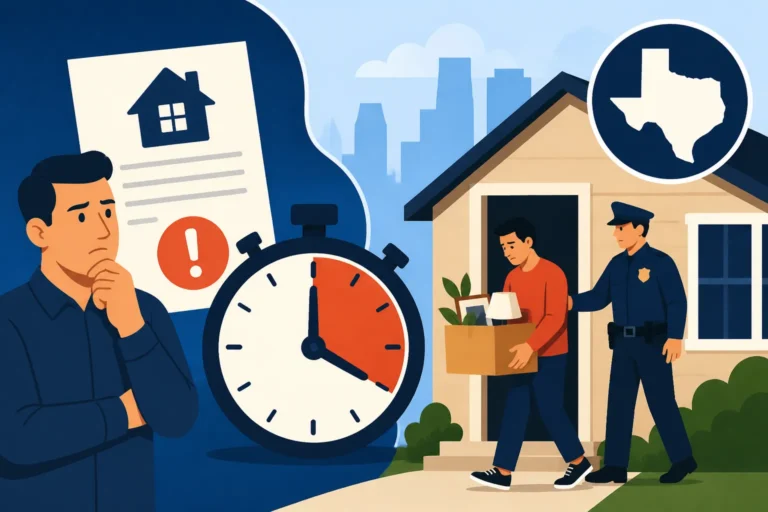
It’s crucial to understand that receiving a Pay or Quit notice doesn't mean you're immediately evicted. It's a precursor, a legal formality that many states require before a landlord can initiate an Eviction Process by State (Step-by-Step). Think of it as the landlord saying, "We have a problem, and here's your last chance to fix it before things get much more complicated and costly for everyone involved." The timeframe given in the notice is typically short, often just 3 to 5 days, depending on state law.
When Does a Landlord Use This Notice?
Landlords primarily use a Pay or Quit notice when a tenant has failed to pay rent on time. It’s a direct response to a breach of the lease agreement regarding rent payment. While other lease violations might trigger a "Cure or Quit" or "Unconditional Quit" notice, the Pay or Quit notice specifically addresses unpaid rent. This means if you're late on rent, even if it's only a few days past the grace period, your landlord might issue this type of notice.
It's important for landlords to follow proper procedures, as an improperly served or drafted notice can invalidate their future eviction efforts. Many landlords utilize platforms like LawDepot to generate legally compliant notices, ensuring they meet the specific requirements of their state and local jurisdictions. This helps ensure that the document is legally sound and that the landlord has a strong foundation if court action becomes necessary. The goal for the landlord is to either get the rent paid or regain possession of the property as quickly and legally as possible, minimizing financial losses.
Key Information Included in the Notice
A legally valid Pay or Quit notice must contain very specific information to be enforceable. Omitting crucial details can render the notice defective and delay the landlord's ability to proceed with an eviction. Tenants should carefully review the notice they receive to ensure it includes all necessary components.
Typically, a Pay or Quit notice will include:
- Tenant's Name(s) and Property Address: Clear identification of who the notice is for and where they live.
- Amount of Rent Owed: The precise sum of all unpaid rent, often broken down by month or period.
- Due Date of Rent: The original date the unpaid rent was due.
- Demand for Payment or Possession: A clear statement that the tenant must either pay the full amount or vacate the property.
- Deadline to Comply: The exact number of days (e.g., 3 days, 5 days) the tenant has to take action, specified according to state law.
- Statement of Intent to Evict: A warning that if the tenant fails to comply, legal action (an eviction lawsuit) will be initiated.
- Landlord's Name and Contact Information: For communication or payment.
- Date the Notice was Issued: Important for tracking compliance deadlines.
- Signature of the Landlord or Agent: Affirming the notice's validity.
Some states, like California, require very specific language and formatting. For instance, a 3-Day Notice to Pay or Quit Explained in California must be incredibly precise regarding the amount owed and how it can be paid. Landlords often leverage property management software like DoorLoop to automate the generation and tracking of these notices, ensuring accuracy and compliance with ever-changing landlord-tenant laws. This kind of detail is not just about formality; it’s about providing clear communication and protecting both parties' rights.
Tenant Rights and Obligations After Receiving the Notice
Receiving a Pay or Quit notice can feel overwhelming, but it's crucial to remember that you still have rights and options. Panicking or ignoring the notice will only worsen the situation. Understanding your obligations and exploring potential defenses are the first steps toward navigating this challenging period.
Options for Tenants: Pay Up or Move Out
When you receive a Pay or Quit notice, you generally have two primary legal options within the specified timeframe:
- Pay the Full Amount Due: If you can gather the funds, paying the full amount of overdue rent (plus any legitimate late fees) within the notice period will typically nullify the notice. Once payment is accepted, the landlord cannot proceed with an eviction based on that specific notice for that period of unpaid rent. Always get a receipt or proof of payment. If you have any partial payment history or disputes over amounts, now is the time to resolve them. It's often the best path if you wish to stay in your home.
- Vacate the Property: If paying the rent isn't feasible, your other option is to move out of the property by the deadline specified in the notice. While this might be a difficult decision, it can help you avoid an eviction lawsuit being filed against you, which can severely impact your credit score and make it much harder to find future housing. If you choose this route, ensure you move out completely, return the keys, and ideally, provide written notice to your landlord that you have vacated. This step is critical to prevent the landlord from pursuing additional damages or holding you responsible for rent beyond your departure.
Sometimes, landlords and tenants can negotiate. If you're short on funds but can pay within a few extra days, try speaking with your landlord. They might be willing to work with you, especially if you've been a reliable tenant in the past. Always get any agreements in writing. Remember, the goal of the notice is often to get the rent paid, not necessarily to evict immediately. For more insights on this, read our guide on Eviction for Nonpayment of Rent.
Legal Defenses Against a Pay or Quit Notice
While a Pay or Quit notice is serious, it's not always airtight. There are situations where a tenant might have a valid legal defense. Understanding these defenses is part of knowing How to Stop or Fight an Eviction (Tenant Guide). Some common defenses include:
- Improper Notice: The notice might be invalid if it doesn't include all legally required information, was served incorrectly (e.g., not delivered to you in person or posted properly), or didn't give you the correct amount of time to comply according to state law.
- Rent Already Paid: You have proof that you already paid the rent in question. This is why keeping meticulous records of all rent payments is so important.
- Overcharged Rent or Fees: The amount demanded in the notice is incorrect because the landlord is asking for more than what's actually owed, perhaps including illegal late fees or charges that are not stipulated in the lease. You might also want to check if the Late Fee Laws & Limits by State apply to your situation.
- Uninhabitable Conditions/Repair and Deduct: In some states, if a landlord has failed to make necessary repairs that affect the habitability of your unit after you've provided proper written notice, you might be legally permitted to withhold rent or "repair and deduct" the cost from your rent. However, this is a very strict and often complex defense that requires careful adherence to specific state laws and should only be attempted with legal advice. Simply deciding your apartment is unlivable and not paying rent is typically not a valid defense without following proper procedures, such as those related to Withholding Rent & Rent Escrow.
- Retaliatory Eviction: If the landlord issued the notice in retaliation for you exercising a legal right (e.g., complaining about unsafe conditions to a housing authority), it could be considered illegal.
- Discrimination: If you believe the notice was issued due to discrimination based on a protected characteristic (race, religion, gender, familial status, disability, etc.), this is a strong defense under fair housing laws.
If you believe you have a valid defense, it's highly advisable to seek legal counsel immediately. A landlord's failure to adhere to local and state laws can be a powerful tool in your defense.
The Importance of Documentation
When dealing with a Pay or Quit notice, documentation is your best friend. Every interaction, every payment, every repair request needs to be recorded. This isn't just a suggestion; it's a critical strategy that can literally make or break your case if you end up in court.
Here's what you should document:
- Payment Records: Keep receipts, bank statements, canceled checks, or money order stubs for all rent payments. If you pay electronically, ensure you have transaction confirmations.
- The Notice Itself: Keep the original Pay or Quit notice. Note the date and time you received it and how it was delivered (e.g., by mail, tacked to your door, hand-delivered).
- Communication with Landlord: Keep copies of all written communication, including emails, text messages, and certified letters. If you have phone conversations, make notes of the date, time, who you spoke with, and what was discussed. Send follow-up emails summarizing phone calls.
- Photos and Videos: Document the condition of your unit, especially if you are claiming uninhabitability or disputing damages. This is similar to How to Document Your Apartment at Move-In but applies to ongoing conditions.
- Repair Requests: Keep copies of any written repair requests you've sent to your landlord, including dates and any responses or lack thereof.
This trove of evidence can be invaluable. For instance, if your landlord claims you haven't paid rent, your receipt proves otherwise. If they claim the amount is correct, your lease agreement and payment history can dispute it. Without documentation, it often comes down to one person's word against another's, which can be a difficult position in court. Many tenants find themselves scrambling to gather this information when it's too late; proactively keeping records saves immense stress and strengthens your position.
The Landlord's Perspective and Next Steps
From a landlord's point of view, issuing a Pay or Quit notice is a necessary but often unwelcome step. It signifies a breakdown in the tenant-landlord relationship and initiates a formal process that can be both time-consuming and expensive. Understanding why landlords issue these notices and the strict procedures they must follow is key for both parties.
Why Landlords Issue Pay or Quit Notices
Landlords issue Pay or Quit notices primarily because rent is their income, and consistent non-payment directly impacts their ability to cover mortgage payments, property taxes, maintenance costs, and other operational expenses. When a tenant stops paying rent, it creates a significant financial burden.
Beyond the immediate financial impact, landlords must also consider:
- Legal Obligation: In almost all jurisdictions, a Pay or Quit notice is a mandatory legal precursor to filing an eviction lawsuit for non-payment of rent. Skipping this step can lead to a court dismissing the eviction case.
- Documentation: The notice creates an official record that the landlord formally demanded rent and gave the tenant an opportunity to comply or vacate. This documentation is crucial if the case goes to court.
- Protecting Property Value: Promptly addressing non-payment helps ensure financial stability, which in turn helps maintain the property and its value. Allowing long periods of unpaid rent can lead to financial distress for the property owner.
- Fairness to Other Tenants: Landlords need to enforce lease agreements consistently. If one tenant is allowed to routinely pay late or not at all, it can set a precedent or create resentment among other paying tenants.
While some might view it as aggressive, issuing this notice is often a landlord's attempt to resolve the issue without resorting to a full-blown eviction. They are giving the tenant a chance to correct the breach of contract and remain in the property.
Serving the Notice Legally
For a Pay or Quit notice to be legally valid, it must be "served" to the tenant according to specific state and local laws. Improper service can be grounds for a tenant to challenge an eviction case, causing significant delays and additional costs for the landlord. The method of service is critical and varies by jurisdiction.
Common legal methods of service include:
- Personal Service: Handing the notice directly to the tenant. This is often preferred as it ensures the tenant receives it.
- Substituted Service: If personal service isn't possible, serving a copy to another person of suitable age and discretion at the tenant's residence or place of employment, and then mailing a copy.
- Posting and Mailing (Conspicuous Posting): Taping or affixing the notice to the tenant's door and then mailing a copy via first-class mail. This is often a last resort after attempts at personal or substituted service fail.
- Certified Mail: While generally not sufficient on its own, sending a copy via certified mail provides proof of mailing.
Landlords must be meticulous about dating the notice and recording the method and date of service. Many utilize specialized legal forms provided by services like LawDepot or integrated features within property management software such as DoorLoop to ensure proper documentation. Failure to adhere to these strict service requirements can lead to an Eviction Notice Types (Pay or Quit, Cure or Quit, Unconditional) being deemed invalid by a court, forcing the landlord to start the process all over again.
What Happens If the Tenant Doesn't Comply
If a tenant receives a Pay or Quit notice and neither pays the overdue rent nor moves out by the specified deadline, the landlord's next step is to file an eviction lawsuit (often called an unlawful detainer action) in the appropriate court. This is where the legal process truly begins, and it's a significant escalation.
Here's a general overview of what happens next:
- Filing the Lawsuit: The landlord files a complaint with the court, officially starting the eviction case. This includes presenting the Pay or Quit notice as evidence that proper procedure was followed.
- Court Summons: The tenant will be formally served with a court summons and a copy of the complaint. This document will notify them of the court date and their deadline to respond. Ignoring this summons will almost certainly result in a default judgment against the tenant.
- Tenant's Response: The tenant has a limited time (which varies by state, usually 5-10 days) to file a written response or "answer" with the court, stating their defenses. This is a critical stage where a tenant can officially present any legal arguments they have.
- Court Hearing: If an answer is filed, a court hearing will be scheduled. Both landlord and tenant will present their cases, evidence, and witnesses to a judge.
- Judgment and Writ of Possession: If the judge rules in favor of the landlord, they will issue a judgment for possession of the property. Following this, the landlord will obtain a "Writ of Possession" (or similar document) from the court, which is an order directing law enforcement (like the sheriff or marshal) to remove the tenant if they still haven't left.
- Sheriff's Enforcement: Only law enforcement can physically remove a tenant from a property. Landlords cannot engage in "self-help" evictions, such as changing locks or shutting off utilities.
This entire process can be lengthy, costly, and emotionally draining for both parties. An eviction on a tenant's record can significantly affect their ability to secure housing in the future and impact their credit score. This is why understanding What Happens If You Ignore an Eviction Notice? is so vital.
State-Specific Variations and Legal Considerations
Landlord-tenant laws, especially those concerning evictions and notices, are primarily governed by state and local statutes. What is perfectly legal in one state, or even one city, might be illegal in another. This patchwork of laws means that both landlords and tenants must be intimately familiar with the rules that apply to their specific location.
Common Timeframes by State
The timeframe a landlord must give a tenant to "Pay or Quit" varies significantly from state to state. While 3-day notices are common, particularly for non-payment of rent, other states might require longer periods.
Here's a brief look at some common timeframes:
| State | Typical Pay or Quit Notice Period (Non-Payment) | Key Considerations |
|---|---|---|
| California | 3 days | Very specific requirements for notice content |
| Texas | 3 days | Notice must be delivered correctly |
| Florida | 3 days | Excludes weekends and legal holidays |
| New York | 14 days | Landlord must give 5-day grace period first |
| Illinois | 5 days | Must be in writing |
| Arizona | 5 days | Can be cured within the 5 days |
| Oregon | 72 hours (after 7 days late) / 144 hours (after 4 days late) | Variable depending on how late the rent is |
| Washington | 14 days | Tenant must have an opportunity to pay overdue rent |
It's critical for landlords to follow the exact notice period required by their state. Giving less time than mandated can invalidate the notice, forcing the landlord to restart the eviction process. For tenants, knowing your state's specific deadline is vital for understanding how much time you truly have to act. For a deeper dive into state-specific information, you might look into resources like Security Deposit Return Deadline in California or How Long Does a Landlord Have to Return My Deposit in Texas? as these resources often contain related jurisdictional nuances.
Additional State Requirements
Beyond the specific timeframe, many states have additional requirements for Pay or Quit notices, which can include:
- Specific Language: Certain states require particular legal phrasing or warnings to be included in the notice. For example, some jurisdictions require information about tenant rights organizations or legal aid services.
- Method of Service: As discussed, how the notice is delivered is strictly regulated. Some states mandate certified mail, while others might allow posting only after multiple attempts at personal service.
- Grace Periods: Some states or local ordinances require landlords to offer a grace period for rent payment (e.g., 5 days) before a late fee can be charged or an eviction notice issued. New York, for instance, has a 5-day grace period for rent payments before a late fee can be charged, and a 14-day notice to pay or quit is required thereafter.
- Receipt Requirements: Some laws dictate that landlords must provide a detailed receipt for any partial payments made after a notice is issued, or specify if partial payments can be accepted without waiving eviction rights.
- Filing Requirements: In some localities, a copy of the notice must be filed with a local housing authority or court before an eviction can proceed.
These nuances underscore why relying on generic forms can be risky. Landlords should ensure their notices are compliant with all applicable laws, potentially by using reputable legal form providers or property management systems.
Avoiding Common Pitfalls
For tenants, the biggest pitfall is ignoring the notice or assuming it's not serious. It always is. Another common mistake is attempting to withhold rent for repairs without following the extremely specific "repair and deduct" or rent escrow laws of their state, which can lead to an eviction for non-payment.
For landlords, common pitfalls include:
- Improper Calculation of Rent: Demanding an incorrect amount of rent or including fees that are not legally allowed or explicitly stated in the lease.
- Incorrect Service: Failing to serve the notice according to state law.
- Insufficient Notice Period: Not providing the full legal timeframe required by state statute.
- Accepting Partial Payment Without Clear Agreement: In many states, accepting a partial payment after issuing a Pay or Quit notice can accidentally waive the landlord's right to evict based on that specific notice, unless there's a clear written agreement to the contrary.
- Self-Help Eviction: Attempting to remove the tenant themselves (e.g., changing locks, shutting off utilities). This is illegal and can lead to severe penalties.
Navigating the complexities of landlord-tenant law can feel like walking through a minefield. Whether you're a tenant trying to understand your options or a landlord ensuring legal compliance, professional legal advice can be invaluable. The legal landscape is constantly shifting, with new protections and requirements emerging, making it crucial to stay informed and act with precision.
Disclaimer
This article is for general informational purposes only and does not constitute professional advice. Laws and regulations vary by location and change over time. Consult a qualified professional for guidance on your specific situation.