Subletting Laws in Maryland
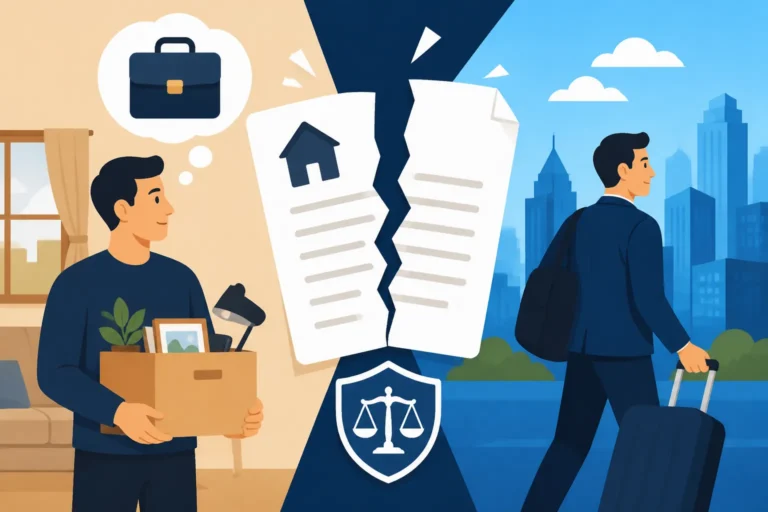
It's a common scenario: you signed a lease for a great place in Baltimore, Annapolis, or Silver Spring, but now life has thrown you a curveball. Maybe a job offer came up across the country, or you need to move in with family for a bit. You’re stuck with a lease you can’t easily get out of, and the thought of paying double rent is a nightmare. This guide is here to walk you through everything you need to know about navigating subletting laws in Maryland, ensuring you understand your rights and responsibilities to avoid unnecessary stress and financial headaches.
Understanding Subletting in Maryland
Navigating the waters of your rental agreement can feel like deciphering an ancient scroll, especially when you're facing a life change that requires you to move out before your lease is up. Subletting offers a potential lifeline, but it's crucial to understand the rules of the game in Maryland before you make any moves.
What Exactly is Subletting?
At its heart, subletting is when you, the original tenant (often called the sublessor), rent out all or part of your leased property to another person, the subtenant (or sublessee). You’re essentially stepping into the shoes of a landlord yourself, even though you’re still a tenant under your primary lease. The key distinction here is that your original lease with your landlord remains fully intact. You’re still responsible for paying the rent on time and ensuring all lease terms are met, even if your subtenant is the one physically occupying the property.
This is different from a Subletting & Lease Assignment Explained process, where the original tenant transfers their entire interest in the lease to a new tenant, often releasing them from future liability. With subletting, you remain on the hook. Imagine you have a year-long lease on a charming rowhouse in Fells Point. If you need to relocate for six months, you might find someone to live there and pay rent for those six months. You collect the rent from them, and then you turn around and pay your landlord. If your subtenant damages the property or fails to pay rent, your landlord will still come to you for those issues. It’s a significant responsibility, so it's vital to choose your subtenant wisely.
Maryland Law and Your Lease Agreement
In Maryland, the ability to sublet largely hinges on what your original lease agreement says. This document is the cornerstone of your tenancy, and it often contains specific clauses regarding subletting or assigning the lease. Many leases explicitly state that subletting is prohibited without the landlord's written consent. Some might forbid it entirely. It’s rare for a residential lease in Maryland to automatically allow subletting without any landlord approval, but it’s always worth checking your specific agreement carefully.
If your lease is silent on the matter, Maryland common law generally allows tenants to sublet, but landlords typically still have a right to approve or deny a subtenant, provided their refusal is reasonable. The law expects all parties to act in good faith. This means you can't just hand over the keys to anyone without your landlord's knowledge or consent. Ignoring your lease or the implied expectation of good faith can lead to serious consequences, including the possibility of Eviction for a Lease Violation for unauthorized subletting. Always review your lease thoroughly, and if you’re unsure about its language, it's a good idea to seek legal counsel or tenant advocacy resources available in Maryland.
When a Landlord Can (and Cannot) Refuse Subletting
This is often where things get tricky and frustrating for tenants. While landlords in Maryland generally have the right to approve a subtenant, their refusal cannot be arbitrary or unreasonable. What constitutes "reasonable" can sometimes be a gray area, but generally, landlords can refuse based on legitimate business concerns.
Examples of Reasonable Refusal:
- Poor Credit History: If the prospective subtenant has a low credit score or a history of financial irresponsibility, a landlord can reasonably deny them.
- Insufficient Income: If the subtenant doesn't meet the landlord's standard income requirements (e.g., typically earning 3 times the monthly rent), refusal is usually justified.
- Negative Rental History: Prior evictions, consistent late rent payments, or property damage documented from previous tenancies are strong reasons for denial.
- Criminal History: Depending on the nature and recency of the offenses, a criminal background can be a legitimate reason for refusal, in line with Fair Housing guidelines.
- Violation of Original Lease Terms: If the subtenant plans to keep pets in a no-pet building or has more occupants than the lease allows, the landlord can refuse.
Examples of Unreasonable Refusal:
A landlord cannot refuse consent based on discriminatory factors that violate federal or Maryland Fair Housing laws. These include refusal based on race, color, religion, sex, national origin, familial status (presence of children), disability, marital status, sexual orientation, or gender identity. In some Maryland counties or cities, additional protected classes might apply, such as source of income (e.g., Section 8 vouchers) or age. For instance, if you find a perfectly qualified subtenant with a great credit score and stable job, and the landlord rejects them simply because they don't "like their vibe" or because they have a child, that could be considered an unreasonable and potentially illegal refusal. It's important to understand your rights in such situations.
The Step-by-Step Process for Subletting in Maryland
Subletting isn’t just about finding someone to take over your space. It's a structured process that requires careful attention to detail and adherence to legal requirements. Doing it right protects you, your subtenant, and maintains a good relationship with your landlord.
Review Your Lease and Communicate with Your Landlord
The very first thing you need to do is pull out your original lease agreement. Read every single clause, especially those related to "subletting," "assignment," or "transfer of tenancy." Does it prohibit subletting entirely? Does it require written landlord consent? Is there a specific procedure outlined? Knowing these details upfront will save you a lot of grief.
Once you understand what your lease says, the next critical step is to have an open and honest conversation with your landlord. Don't try to go behind their back; that's a surefire way to damage your relationship and potentially face legal action. Put your request in writing. A simple email or letter stating your intention to sublet, your reasons, and the proposed duration is a great starting point. Be prepared to provide them with information about potential subtenants, including their application, credit report, and references. Even if your lease doesn't explicitly require consent, asking for it in writing is always the safest approach in Maryland. You can find templates for such communications and other legal forms at resources like LawDepot, which can help ensure you’re using proper legal language.
Finding a Suitable Subtenant
This is arguably the most crucial step, as your subtenant’s actions will directly reflect on you. Remember, you remain primarily responsible for the rent and the condition of the property. Therefore, you need to be just as diligent, if not more so, in screening a subtenant as your landlord was in screening you.
Here’s what to look for and how to screen them effectively:
- Financial Stability: Can they afford the rent? Request proof of income, like pay stubs or an offer letter. Aim for someone whose income is at least three times the monthly rent, just like many landlords do.
- Credit Check: A good credit score indicates financial responsibility. Utilize tenant screening services that can provide credit reports.
- Rental History: Contact previous landlords to inquire about their payment history, how they maintained the property, and if there were any complaints. Ask for references from current and former employers.
- Background Check: This can reveal criminal history. Many online platforms, including TurboTenant, offer comprehensive tenant screening packages that include credit, eviction, and criminal background checks. These tools are invaluable for ensuring you’re bringing a reliable person into your rental.
- Interview: Meet potential subtenants in person (or via video call). Ask questions about their lifestyle, why they're looking to sublet, and if they understand the terms. Trust your gut feeling.
Remember, you must adhere to Fair Housing laws when screening a subtenant, just as a landlord would. Do not discriminate based on protected characteristics. The goal is to find someone reliable and respectful, not to exclude anyone unlawfully.
Drafting a Solid Sublease Agreement
Once you’ve found a qualified subtenant and received your landlord's written consent, it's time to put everything in writing with a comprehensive sublease agreement. This document is vital because it outlines the terms of the arrangement between you and your subtenant. While your original lease still governs your relationship with the landlord, the sublease governs your relationship with the person living in your place.
Key components to include in your sublease agreement:
- Names of Parties: Clearly state who the sublessor (you) and sublessee (your subtenant) are.
- Property Address: The exact address of the rental unit.
- Term of Sublease: Start and end dates. This should align with your temporary absence and your original lease term.
- Rent Amount and Due Date: How much rent the subtenant will pay, when it's due, and how it should be paid.
- Security Deposit: The amount of the security deposit, conditions for its return, and how it will be held. Maryland has specific Security Deposit Laws by State (2026), including limits on how much can be charged (typically two months' rent) and strict deadlines for return. You'll be responsible for handling this with your subtenant.
- Utilities: Clarify who is responsible for which utilities (electric, gas, water, internet).
- Access to Property: Your right to access the property for inspections or repairs, with proper notice.
- Rules and Regulations: State that the subtenant must abide by all rules in the original master lease, including pet policies, noise rules, and common area usage.
- Original Lease Reference: Explicitly state that the sublease is subject to the terms of the original lease between you and your landlord, and include a copy of the master lease as an attachment.
- Signatures: All parties (you, subtenant, and ideally your landlord as a consenting party) should sign and date the agreement.
Using a legal template, like those available through LawDepot, can help ensure you don't miss any critical clauses. This document protects your interests and clearly defines expectations for your subtenant.
Rights and Responsibilities of All Parties
Subletting involves a triangular relationship: you (the original tenant), your landlord, and your subtenant. Understanding each party's rights and responsibilities is crucial for a smooth experience and to avoid common pitfalls.
Original Tenant's Obligations
Even though you’ve moved out, your obligations under the original lease don’t magically disappear. In the eyes of your landlord, you are still the primary tenant.
- Rent Payment: You are ultimately responsible for ensuring the full rent amount is paid to your landlord on time, every month. If your subtenant is late or defaults, your landlord will pursue you for payment, not them directly. This could impact your credit and rental history if not handled.
- Property Condition: You are responsible for any damages caused by your subtenant beyond Normal Wear and Tear vs Damage: Complete Guide. This includes ensuring they maintain the property according to the lease terms. A Move-In / Move-Out Inspection Guide with your subtenant at the start and end of their tenancy is highly recommended to document the property's condition.
- Lease Compliance: Your subtenant must adhere to all terms of your original lease. If they violate a no-pet policy, cause excessive noise, or break any other rules, you are responsible for addressing it and potentially facing consequences from your landlord.
- Communication: Maintain open communication with both your landlord and your subtenant. Be the point person for any issues that arise.
Subtenant's Rights and Responsibilities
Your subtenant, while having a direct relationship with you, also implicitly benefits from and is bound by the master lease's terms.
- Right to Occupancy: Once they’ve signed the sublease and paid rent, they have the right to occupy the property for the agreed-upon term, as long as they adhere to the sublease and master lease.
- Right to Habitability: They have the right to a habitable living space, just as you do under Maryland law. This means basic necessities like running water, heat, and structural safety.
- Paying Rent: Their primary responsibility is to pay rent to you on time, as outlined in the sublease agreement.
- Property Care: They must maintain the property in good condition, avoiding damage and following cleanliness standards.
- Adherence to Rules: They must comply with all rules and regulations set forth in the master lease and the sublease, including noise restrictions, pet policies, and guest rules.
- Security Deposit Return: They have a right to the return of their security deposit, minus any legitimate deductions for damage or unpaid rent, within Maryland's specified timeframe, which you are responsible for handling. If you face issues, understanding Tenant Rights If Landlord Won't Return Deposit is crucial.
Landlord's Role and Potential Pitfalls
Even with a sublet, your landlord still has a crucial role, though their direct relationship remains with you.
- Approval Authority: As discussed, they have the right to approve or deny a subtenant, provided their reasons are reasonable and non-discriminatory.
- Original Lease Enforcement: They will continue to enforce the original lease terms against you. They typically won't have a direct contractual relationship with your subtenant, so any issues like unpaid rent or damage will be addressed with you first.
- Communication: They should expect you to be the primary point of contact and to mediate any issues with your subtenant.
- Potential Pitfalls: For landlords, the main risk is having less control over who occupies their property. This is why many landlords are hesitant about subletting or will only approve it if the original tenant remains fully liable and they approve the subtenant through their standard screening process. It’s also important for landlords to understand that if they do accept rent directly from a subtenant, it could, in some jurisdictions, create an unintended direct tenancy, though this is less common in Maryland for typical sublets.
Common Subletting Issues and How to Avoid Them
Even with the best intentions and a solid agreement, issues can arise during a sublet. Being prepared for these common problems can help you navigate them effectively.
Subtenant Disputes and Damage
It's a fear for many sublessors: you return to find your apartment isn't as you left it, or worse, your subtenant skipped out on the last month's rent. Since you're still on the hook for your original lease, any damage or unpaid rent falls on you.
- Documentation is Key: This cannot be stressed enough. Before your subtenant moves in, perform a thorough How to Document Your Apartment at Move-In. Take detailed photos and videos of every room, appliance, and fixture. Note any existing damage, no matter how minor. Have your subtenant sign off on a move-in checklist confirming the condition. Do the same when they move out. This documentation is your strongest defense against disputes over damage.
- Security Deposit: Collect a security deposit from your subtenant. This provides a financial buffer for potential damages or unpaid rent. Ensure you follow all Maryland laws regarding the maximum amount you can charge, how the deposit is held, and the timeline for its return and any deductions. For example, Maryland law requires deposits to be returned or an itemized list of deductions provided within 45 days.
- Clear Communication: Address any minor issues with your subtenant promptly and in writing. If they’re violating noise rules or causing small disturbances, don’t let it fester.
- Mediation: If a serious dispute arises, consider mediation before escalating to legal action. A neutral third party can often help resolve disagreements amicably.
Illegal Subletting Consequences
Attempting to sublet without your landlord's permission, especially if your lease prohibits it, can lead to severe repercussions. This is considered a breach of your lease agreement.
- Eviction: Your landlord could initiate eviction proceedings against you. An eviction on your record can make it incredibly difficult to rent another property in the future.
- Financial Penalties: You could be liable for monetary damages, including any lost rent, legal fees incurred by your landlord, and potentially costs associated with removing the unauthorized subtenant.
- Loss of Security Deposit: Your landlord would likely withhold your entire security deposit for the lease violation and any associated costs.
- Subtenant Issues: If you don't have a legal sublease, your subtenant might also have fewer protections, leading to more chaos if things go wrong. They might refuse to leave, knowing you don't have a clear legal standing.
It’s simply not worth the risk to try and sneak a subtenant in. Always get explicit, written consent from your landlord.
Ending a Sublease
Just like your original lease, a sublease agreement has a defined end. Both you and your subtenant have responsibilities during the move-out process.
- Notice Requirements: Ensure your sublease agreement specifies the amount of notice required from your subtenant before they move out. This helps you plan for your return or the next steps. While not strictly applicable to you as the sublessor, understanding How Much Notice to End a Month-to-Month Lease? can give you a good benchmark for what's considered reasonable notice.
- Final Inspection: Conduct a final Move-In / Move-Out Inspection Guide with your subtenant. Compare the property's condition to the initial move-in checklist and photos.
- Security Deposit Return: Process your subtenant's security deposit return in accordance with Maryland law. Provide an itemized list of any deductions and return the remaining balance within the 45-day timeframe.
- Utility Transfer: Ensure utilities are properly transferred back into your name (or your landlord's, depending on the arrangement) to avoid unexpected bills.
- Your Return to the Property: If you’re returning to the property, ensure it’s clean and ready for you. If you arranged for the subtenant to handle professional cleaning, ensure that was completed to your satisfaction.
Subletting in Maryland can be a fantastic solution when life takes an unexpected turn, but it demands diligence and a thorough understanding of the law. By following these steps and maintaining clear communication, you can navigate the process smoothly and protect yourself from potential headaches.
| Subletting Party | Key Responsibilities | Key Rights |
|---|---|---|
| Original Tenant | Pay rent to landlord, ensure property condition, manage subtenant, comply with master lease, return subtenant's deposit. | Occupancy (after subtenant leaves), collect rent from subtenant, enforce sublease agreement. |
| Subtenant | Pay rent to original tenant, maintain property, comply with master lease & sublease. | Occupancy, habitable living conditions, return of security deposit (from original tenant). |
| Landlord | Enforce master lease with original tenant, approve/deny subtenant (reasonably). | Collect rent from original tenant, protect property, enforce lease terms against original tenant. |
Disclaimer
The information provided in this guide is for general informational purposes only and does not constitute legal advice. Landlord-tenant laws, including those regarding subletting in Maryland, can be complex and are subject to change. It is always recommended to consult with a qualified attorney or housing expert for advice specific to your situation.