Fair Housing Protected Classes in Pennsylvania
It's incredibly frustrating and disheartening when you're searching for a place to live, only to feel like you're being unfairly judged or even outright rejected for reasons that have nothing to do with your ability to be a good tenant. Navigating the rental market can feel like a minefield, especially when you're unsure what rights you actually have. This comprehensive guide will break down the fair housing protected classes in Pennsylvania, helping you understand what landlords legally cannot discriminate against and what steps you can take if you believe your rights have been violated.
Understanding Fair Housing Laws in Pennsylvania
Housing discrimination is a serious issue that affects countless individuals and families. Both federal and state laws are in place to ensure that everyone has an equal opportunity to secure housing, free from prejudice. Knowing these laws is your first line of defense against unfair practices.
Federal Fair Housing Act Basics
First, let's talk about the big picture: the federal Fair Housing Act. Enacted in 1968, this landmark legislation aimed to prohibit discrimination in the sale, rental, and financing of housing based on certain characteristics. It essentially creates a baseline of protection across the entire United States.
The Fair Housing Act federally protects individuals based on seven categories:
- Race: This refers to a person's ancestry, ethnic group, or physical characteristics traditionally associated with race. Discrimination based on someone's skin color, or perceived race, is strictly prohibited.
- Color: This is often intertwined with race but specifically refers to the shade of a person's skin.
- Religion: This protects individuals from discrimination based on their religious beliefs, practices, or affiliations, or lack thereof.
- National Origin: This protects people based on their country of birth, ancestry, cultural heritage, or linguistic characteristics. This includes discrimination against immigrants or people perceived to be from a certain country.
- Sex: Initially, this referred to discrimination based on biological sex. However, recent interpretations by the Supreme Court and subsequent HUD guidance have expanded this to include sexual orientation and gender identity. This means landlords cannot discriminate against someone because they are gay, lesbian, bisexual, transgender, or non-binary.
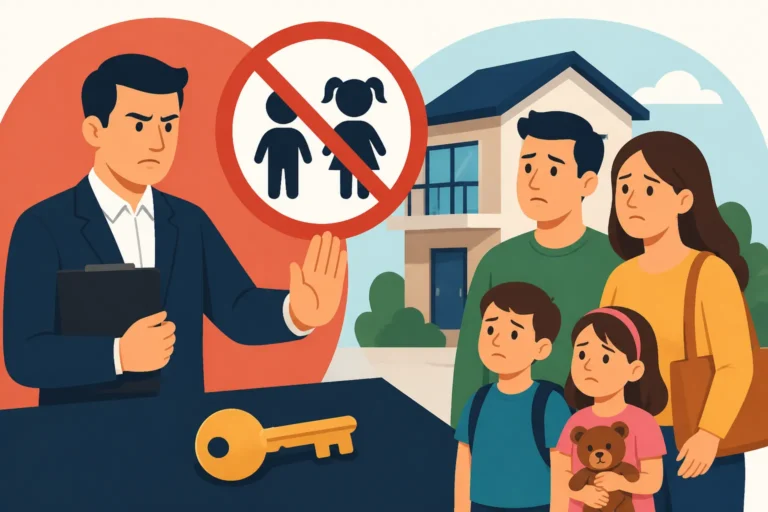
- Familial Status: This is a crucial protection for many families. It means a landlord cannot discriminate against you because you have children under 18 living with you, are pregnant, or are in the process of securing legal custody of a child. This is designed to prevent "no children" policies that unfairly limit housing options for families.
- Disability: This protects individuals with a physical or mental impairment that substantially limits one or more major life activities, those with a record of such an impairment, or those regarded as having such an impairment. It also requires landlords to make Reasonable Accommodations & Modifications to policies, practices, or services, and to allow reasonable structural modifications, at the tenant's expense, if necessary for the person with a disability to enjoy the dwelling.
These federal protections are the foundation, but many states and localities build upon them, adding more layers of protection.
Pennsylvania's Expanded Protections
Pennsylvania is one of those states that decided the federal protections weren't quite enough, and that's good news for renters here! Through the Pennsylvania Human Relations Act (PHRA), the Commonwealth has expanded the list of characteristics protected from housing discrimination. This means that in Pennsylvania, you have even more legal recourse if you face unfair treatment.
In addition to the seven federal protected classes, Pennsylvania adds three more critical categories:
- Ancestry: While similar to national origin, ancestry specifically covers a person's lineage or descent, often referring to ethnic or cultural background, regardless of their country of birth. This can encompass a broader range of ethnic identities.
- Age (40 and over): This is a significant addition. In Pennsylvania, it is illegal to discriminate against someone in housing because they are 40 years old or older. This aims to prevent landlords from favoring younger tenants over more mature individuals, which can be a common unspoken bias.
- Use of a Guide or Support Animal (for disability): While the federal Fair Housing Act already protects individuals with disabilities who require service or emotional support animals as a form of reasonable accommodation, Pennsylvania explicitly lists "use of a guide or support animal due to blindness, deafness, or other physical handicap" as its own distinct protected class. This reinforces the right of individuals with disabilities to live with their assistance animals without discrimination. This often comes up in the context of Emotional Support Animals & Service Animals FHA Rules.
It's really important to remember these expanded protections, because they give you a stronger standing if you encounter discrimination that might not be covered by federal law alone. Understanding these specific categories is key to knowing your rights.
What Constitutes Housing Discrimination
It's one thing to know the protected classes, but another to recognize when discrimination is actually happening. Sometimes it's subtle, sometimes it's overt, but it always undermines the principle of equal housing opportunity. Housing discrimination can occur at any stage of the rental process.
Here are some common examples of discriminatory practices:
- Refusing to Rent or Sell: A landlord tells you a unit is unavailable, but then a different applicant who is not in a protected class is shown the unit and offered a lease shortly after.
- Advertising Restrictions: An advertisement for an apartment says "No children" or "Looking for young professionals only." This would be discrimination based on familial status and age, respectively, in Pennsylvania.
- Applying Different Terms or Conditions: Charging a higher security deposit or different rent amounts to members of a protected class, or enforcing different rules (e.g., stricter guest policies) for certain tenants. For example, charging families with children an additional "family fee" beyond a standard pet deposit for an actual pet would likely be discriminatory.
- Steering: Directing individuals to certain neighborhoods or buildings based on their race, national origin, or other protected characteristics. Imagine being told "This building is more suitable for someone like you" based on your background.
- False Representation: Lying about the availability of housing or the terms of a rental agreement to someone in a protected class.
- Refusal to Make Reasonable Accommodations: For a person with a disability, refusing to allow a ramp to be installed or denying an emotional support animal, even if it doesn't pose an undue burden or direct threat. This directly relates to your right to Reasonable Accommodations & Modifications.
- Retaliation: Punishing a tenant for exercising their fair housing rights, for example, by issuing an eviction notice after they complain about discrimination. This can be a form of illegal Retaliatory Eviction Defense.
The goal of these laws is to create a level playing field, ensuring that housing decisions are based on legitimate, non-discriminatory factors like your income, credit history, and rental history, rather than who you are.
Deep Dive into Pennsylvania's State-Specific Protected Classes
Let's really dig into those specific protections Pennsylvania adds, as they are often misunderstood or overlooked. These are critical for many residents and often come with nuances that are important to grasp.
Ancestry and Familial Status
Pennsylvania's protection against discrimination based on ancestry goes beyond simply where you were born (national origin). It covers your family lineage, ethnic background, or cultural heritage. This means a landlord cannot deny you housing or treat you differently because you are, for example, of Irish, Italian, Polish, or African descent. The intent is to prevent bias against individuals based on their family roots or cultural identity.
Familial status is another powerful protection, especially for parents or guardians. A landlord in Pennsylvania cannot refuse to rent to you, evict you, or set different terms because you have children under 18 living with you. This also applies if you are pregnant or in the process of adopting or gaining custody of a child. This protection is vital because, unfortunately, families with children have historically faced significant hurdles in finding housing.
- Example Scenario: Sarah, a single mother of two young children, applies for an apartment. The landlord, Mr. Henderson, tells her he's "not really looking for tenants with kids" because they "make too much noise" and "cause too much wear and tear." He then tells her the apartment is no longer available, only to advertise it again a week later. This is a clear case of familial status discrimination. Mr. Henderson cannot reject Sarah solely because she has children.
- Practical Impact: This means apartment complexes can't implement "adults-only" policies (unless they qualify as housing for older persons under specific exemptions). However, they can enforce reasonable occupancy limits based on local codes, but these must be applied consistently to all tenants, not just families with children. You'll find more details on this in guides like Can a Landlord Deny You for Having Kids.
Age and Disability
The protection against age discrimination for individuals 40 years of age and older is a distinct feature of Pennsylvania law. This means a landlord cannot deny you an apartment simply because you're over 40. This is particularly important in today's rental market, where some might unconsciously (or consciously) prefer younger tenants, perhaps assuming they are more stable or less likely to require maintenance.
Disability protection, as mentioned, is robust under both federal and state law. In Pennsylvania, this covers physical or mental impairments. Landlords are obligated to provide reasonable accommodations and allow reasonable modifications.
- Reasonable Accommodation: This means making exceptions or changes to rules, policies, or services to allow a person with a disability equal enjoyment of the dwelling. For instance, allowing a tenant with a mobility impairment to park in a "no parking" zone closer to their unit entrance if no accessible parking is available, or adjusting rent payment dates to align with disability benefit checks if that's a necessity.
- Reasonable Modification: This involves structural changes to the premises, which the landlord must permit a tenant with a disability to make, usually at the tenant's expense. Examples include installing grab bars in a bathroom, widening doorways, or installing a ramp. The tenant might be required to restore the premises to their original condition upon moving out, depending on the type of modification and the lease agreement.
These protections are not just about access, but about ensuring that individuals with disabilities can live comfortably and independently in their chosen housing.
Use of Support Animals
Pennsylvania's specific inclusion of "use of a guide or support animal for disability" as a protected class highlights its importance. While the federal Fair Housing Act covers this under general disability protections, Pennsylvania explicitly names it. This is a common point of confusion for both tenants and landlords.
- Service Animals vs. Emotional Support Animals (ESAs): It's crucial to understand the difference. Service animals are typically dogs (or miniature horses) individually trained to perform tasks for people with disabilities (e.g., guide dogs for the blind, seizure alert dogs). ESAs provide emotional support that alleviates one or more symptoms or effects of a person's disability but don't require specific task training. Both are covered under fair housing laws as reasonable accommodations.
- Landlord Obligations: A landlord cannot charge a pet deposit or pet rent for a legitimate service or emotional support animal. They also cannot deny housing based on the animal's breed or weight. The only exceptions are if the animal poses a direct threat to the health or safety of others that cannot be mitigated, or would cause substantial physical damage to the property of others, or if accommodating the animal would impose an undue financial and administrative burden or fundamentally alter the nature of the housing provider's operations. You can dive deeper into this with Can a Landlord Deny an ESA.
- Documentation: For an emotional support animal, landlords can request reliable documentation that the tenant has a disability and a disability-related need for the animal. This usually comes in the form of a letter from a licensed healthcare professional. However, they cannot ask about the nature or severity of your disability.
This specific protection helps ensure that individuals who rely on these animals for their well-being are not unfairly denied housing.
Prohibited Actions for Landlords and Property Managers
It's not just about what landlords can't say; it's about what they can't do. Fair housing laws dictate their conduct throughout the entire tenant-landlord relationship, from the moment a unit is advertised to the day you move out.
Discriminatory Practices in Advertising and Rental Terms
The way a property is advertised can be the first red flag for discrimination. Landlords cannot make, print, or publish any notice, statement, or advertisement that indicates any preference, limitation, or discrimination based on a protected class.
- Advertising Language: This means no phrases like "Christian family preferred," "perfect for a single professional," or "ideal for quiet seniors only." Such language, even if subtly phrased, can be seen as discriminatory. For instance, "perfect for a single professional" could discriminate against families, and "ideal for quiet seniors only" discriminates against those under 40 in Pennsylvania.
- Property Rules: Discriminatory practices can also manifest in the lease terms or rules. All tenants must be subject to the same rules, fees, and conditions. If a landlord charges a higher security deposit to tenants of a certain national origin or imposes stricter background checks on applicants of a particular race, that's discriminatory. Even seemingly innocuous rules can be discriminatory if they have a disparate impact, meaning they disproportionately affect a protected group without a legitimate, non-discriminatory justification.
- Maintenance and Services: Once you're a tenant, a landlord cannot provide different levels of maintenance or services based on a protected characteristic. For example, if a landlord is slower to respond to repair requests from tenants who are disabled or of a particular ethnic background, that's a violation. This includes neglecting repairs related to Implied Warranty of Habitability Explained.
This consistent application of rules and offerings is paramount. Landlords who use standardized processes and tools like TurboTenant for applications and listings can often avoid unintentional discrimination by ensuring uniform screening criteria and neutral advertising language.
The Application and Interview Process
This is where many discriminatory practices can occur, often subtly. Landlords have a right to screen tenants to ensure they are financially responsible and will adhere to lease terms, but they cannot use the application process to discriminate.
- Illegal Questions: Landlords cannot ask questions about your race, religion, national origin, or if you have children. In Pennsylvania, they cannot ask about your age if you are over 40. While they can ask about your income and employment, they cannot ask about the source of your income (e.g., if it's from disability benefits or Section 8 vouchers) in a discriminatory way. More details on this can be found in What a Landlord Can & Cannot Ask and What Questions Are Illegal on a Rental Application.
- Screening Criteria: All applicants should be evaluated against the same, objective criteria. This includes credit scores, rental history, and income-to-rent ratios. A landlord cannot arbitrarily change these criteria for different applicants based on their protected characteristics. For example, requiring a higher credit score only from applicants of a certain ethnic background is illegal. Tools like TurboTenant often help landlords define and apply consistent screening criteria, which helps them stay compliant with fair housing regulations.
- Denial Reasons: If an application is denied, the reason must be legitimate and non-discriminatory. Common legitimate reasons include poor credit history, insufficient income, negative rental references, or a criminal history directly relevant to tenancy safety. However, a landlord cannot deny you simply because you have a criminal record if that record is old or not relevant to current housing risks, as per HUD guidance on criminal history. If you are denied, you have rights to understand why, as explored in Denied for an Apartment What to Do.
Evictions and Lease Terminations
Even after you've moved in, fair housing protections continue. A landlord cannot evict you, refuse to renew your lease, or terminate your tenancy for discriminatory reasons.
- Discriminatory Eviction: An eviction must be for a legitimate, non-discriminatory reason, such as non-payment of rent, lease violations, or illegal activity. If a landlord tries to evict you because of your family status (e.g., "too many kids") or because you’ve become disabled and they don’t want to deal with accommodations, that's illegal discrimination.
- Retaliatory Eviction: If you complain about a potential fair housing violation or request a reasonable accommodation, a landlord cannot then try to evict you in retaliation. This is expressly prohibited and can result in significant penalties for the landlord.
- Lease Non-Renewal: While landlords generally have more leeway in choosing not to renew a lease, this decision cannot be based on a protected characteristic. For example, refusing to renew a lease because a tenant became pregnant during the lease term would be illegal familial status discrimination.
The entire lifecycle of a tenancy is covered by fair housing laws, emphasizing equal treatment from start to finish.
What to Do If You Suspect Discrimination
Feeling like you've been discriminated against is incredibly stressful and often infuriating. It's important to know that you don't have to just accept it. There are concrete steps you can take to fight for your rights.
Documenting and Gathering Evidence
The strength of any discrimination claim relies heavily on solid evidence. It might feel uncomfortable, but meticulous documentation is your best friend.
- Keep a Detailed Log: As soon as you suspect discrimination, start a log. Note down dates, times, names of individuals involved, and exactly what was said or done. Include specific quotes if possible. For example, if a landlord told you "we don't rent to people with children," write down the exact date, time, and name of the person who said it.
- Save All Communications: Keep copies of all rental advertisements, application forms, emails, text messages, and letters between you and the landlord or property manager. If you spoke on the phone, follow up with an email summarizing the conversation. For example, if a landlord denied your application verbally, send a follow-up email asking for the denial in writing.
- Photographs and Videos: If the discrimination involves the physical property (e.g., lack of promised accessible features) or discriminatory signage, take photos or videos.
- Witnesses: If anyone else was present during a discriminatory interaction, ask them if they would be willing to provide a statement.
- Comparison Evidence: If you were told a unit was unavailable but then saw it advertised again or a different person (not in your protected class) was shown it, gather that information. For example, take screenshots of new listings or ask a friend to inquire about the unit to see if they receive different information.
Having a clear, organized record of events makes your case much stronger. This is akin to the importance of How to Document Your Apartment at Move-In to protect your security deposit.
Filing a Complaint with the PCHR
In Pennsylvania, the primary agency responsible for enforcing fair housing laws is the Pennsylvania Human Relations Commission (PCHR). This is generally the first official step you should take.
- Contact the PCHR: You can visit their website or call one of their regional offices (e.g., in Harrisburg, Philadelphia, or Pittsburgh). They have staff dedicated to intake and investigation.
- Intake Interview: You'll typically undergo an intake interview where you explain your situation. The PCHR staff will help you determine if you have a viable complaint under state or federal law.
- Filing the Formal Complaint: If your complaint meets the criteria, the PCHR will help you formally file it. This usually involves completing a detailed form outlining the alleged discriminatory acts.
- Investigation and Mediation: Once a complaint is filed, the PCHR will investigate. This often involves interviewing witnesses, gathering documents, and contacting the landlord. They may also offer mediation services, which is a voluntary process where a neutral third party helps both sides try to reach a resolution.
- Conciliation and Determination: If mediation isn't successful and the PCHR finds evidence of discrimination, they will attempt conciliation to reach a settlement. If no settlement is reached, the case may proceed to a public hearing.
The PCHR process is designed to be accessible to individuals without legal representation, although having an attorney can certainly be beneficial. More information on reporting can be found in How to Report a Landlord Code Violations & Retaliation or specifically How Do I File a Fair Housing Complaint.
Seeking Legal Counsel
While the PCHR can help, sometimes the best course of action is to seek independent legal counsel. An attorney specializing in landlord-tenant law or civil rights can offer invaluable advice and representation.
- When to Consider a Lawyer: You might want to consult a lawyer if:
- The discrimination is severe or ongoing.
- You are facing retaliation for asserting your rights.
- The PCHR process is moving slowly, or you feel your case isn't being adequately addressed.
- You are seeking specific damages beyond what the PCHR can typically award (e.g., pain and suffering, significant financial losses).
- You feel overwhelmed by the process and need professional guidance.
- Finding an Attorney: Look for attorneys specializing in civil rights, housing discrimination, or landlord-tenant law in Pennsylvania. Many legal aid organizations offer free or low-cost services for eligible individuals.
- Potential Outcomes: If your case is successful, remedies can include monetary damages (for actual losses, emotional distress, and sometimes punitive damages), an order for the landlord to rent the unit to you, or an order for the landlord to cease discriminatory practices.
Remember, acting quickly is important, as there are often strict deadlines (statutes of limitations) for filing discrimination complaints.
Summary of Protected Classes in Pennsylvania
To make it easier to see at a glance, here’s a comparison of the federally protected classes and those specifically added by the Commonwealth of Pennsylvania:
| Protected Class | Federal Fair Housing Act | Pennsylvania Human Relations Act (PHRA) |
|---|---|---|
| Race | ✓ | ✓ |
| Color | ✓ | ✓ |
| Religion | ✓ | ✓ |
| National Origin | ✓ | ✓ |
| Sex (incl. orientation/identity) | ✓ | ✓ |
| Familial Status | ✓ | ✓ |
| Disability | ✓ | ✓ |
| Ancestry | ✓ | |
| Age (40 and over) | ✓ | |
| Use of Guide/Support Animal | Covered under Disability | ✓ (Explicitly listed) |
This table clearly illustrates how Pennsylvania goes the extra mile to protect its residents in the housing market.
Disclaimer
Please remember that this guide provides general information about fair housing laws in Pennsylvania and is not intended as legal advice. Landlord-tenant laws are complex and can change, and specific situations may have unique legal implications. If you believe you have experienced housing discrimination, it is always best to consult with the Pennsylvania Human Relations Commission or a qualified attorney specializing in housing law for advice tailored to your individual circumstances.