Evictions on Your Record & Expungement
Eviction records explain the court filing process, public record consequences, and potential strategies for clearing past rental housing disputes.

Eviction records explain the court filing process, public record consequences, and potential strategies for clearing past rental housing disputes.

The writ of possession acts as the final judicial order authorizing sheriffs to physically remove tenants and restore property control.

Tenant eviction defenses involve reviewing legal notices, court hearings, improper procedures, retaliatory actions, and habitability issues.

Illegal self-help eviction actions like lockouts and utility shutoffs are unlawful methods landlords use to force tenants out without court orders.
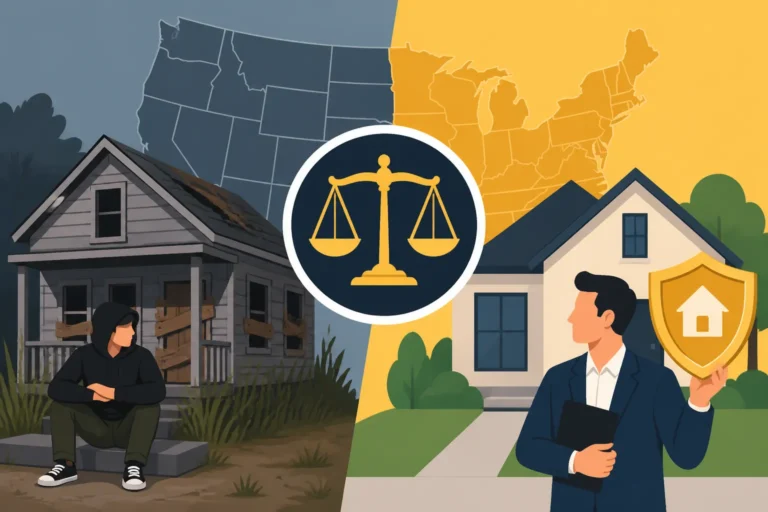
Squatters rights laws and adverse possession rules vary by state, detailing statutory periods, color of title, and property tax requirements.
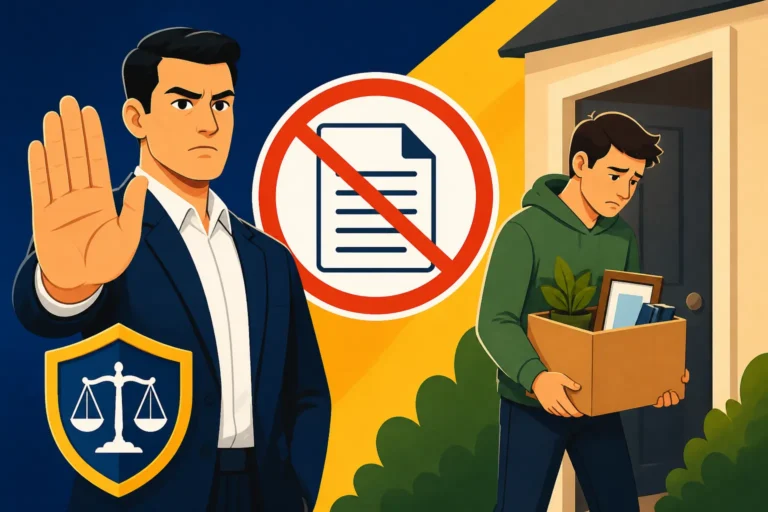
Evicting a tenant without a lease requires understanding state laws, establishing tenancy types, and providing proper written notice to quit.

The eviction process timeline details notice periods, court filings, legal defenses, and state laws that determine total duration.

Eviction notice types outline the legal reasons a landlord can require a tenant to pay rent, fix lease violations, or vacate.

Tenant eviction requires understanding legal grounds, proper notice procedures, state laws, and financial risks to protect your property and rights.

State eviction laws outline required notice periods, lease violation grounds, and court procedures for landlords and tenants across the country.