Normal Wear and Tear vs Damage: Complete Guide
Moving out is stressful enough without the looming fear that your landlord is going to keep your entire security deposit because of a few scuffs on the floor or a slightly wobbly doorknob. This guide meticulously breaks down the legal and practical differences between normal wear and tear and actual damage, ensuring you don't get unfairly overcharged for simply living your life.
Defining the Basics: What Exactly is Normal Wear and Tear?
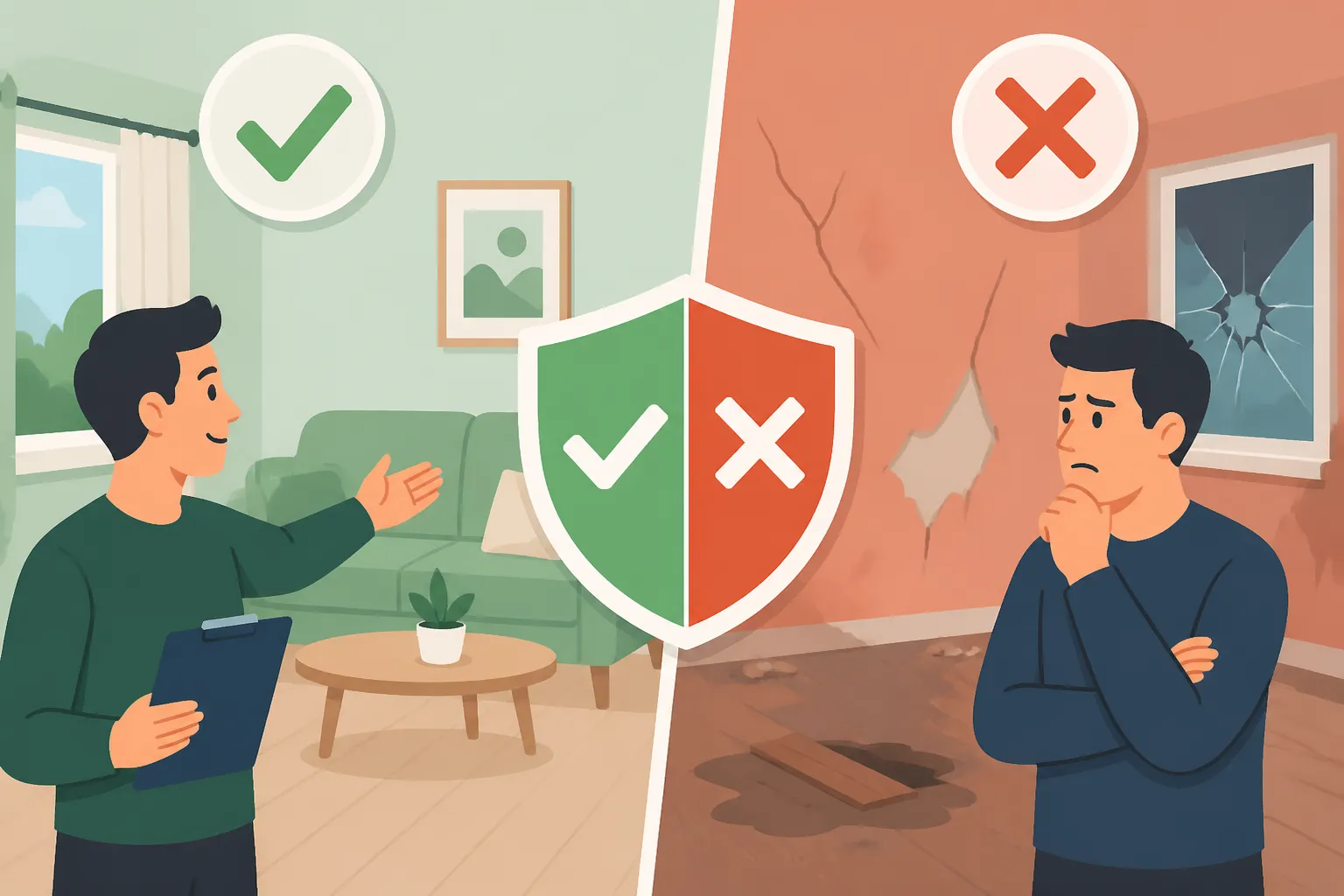
When you live in a space for a year, two years, or a decade, the home is going to look different when you leave than it did when you arrived. This is the fundamental concept of normal wear and tear. It refers to the unavoidable deterioration of a property that occurs with everyday, reasonable use. Think of it as the aging process of a house. Just as we get a few wrinkles over time, a hardwood floor will naturally lose its shine, and curtains might fade in the sun.
Landlords are legally required to expect this. You cannot charge a tenant for the fact that time exists. If a tenant moves in and the carpet is brand new, and they move out three years later, that carpet is three years older. It might be a little flatter in high-traffic areas, or the color might be slightly less vibrant. This is not a "loss" that the tenant should pay for; it is a cost of doing business for the property owner. Understanding this distinction is the first step in learning how to get your security deposit back without a massive legal headache.
The "reasonable use" standard is what most courts look at when a dispute arises. Reasonable use means using the property for its intended purpose in a way that an average, responsible person would. It doesn't mean the apartment has to be kept in a museum-like state. If you walk on the floors, cook in the kitchen, and use the bathroom, things will wear down. As long as you aren't using the living room as a bike repair shop or letting a pet treat the hallway like a bathroom, you are likely within the bounds of normal wear.
The Legal Definition of Deterioration
In the eyes of the law, deterioration is the decline in condition caused by ordinary life. For instance, if you live in an apartment for five years, the wall paint is going to look dull. There might be small marks where furniture sat against the wall or tiny "ghosting" marks from where pictures hung. Legally, these are not damages. Most states have specific guidelines that prevent landlords from charging for these minor issues, as they are considered part of the maintenance responsibilities of the owner.
When we talk about deterioration, we also have to talk about the quality of the materials. If a landlord uses the cheapest possible flat paint on the walls, it’s going to scuff if you even look at it sideways. A tenant shouldn't be held liable for the poor durability of the building materials chosen by the landlord. If the cabinet hinges are twenty years old and finally snap during your lease, that’s a failure of the hardware due to age, not your fault.
It’s also important to note that many states have Security Deposit Interest Requirements by State that may affect how funds are handled, but the core principle remains: deterioration is the landlord's financial burden. They are expected to use a portion of the rent they collect to refresh the unit between tenants, which includes fixing the natural wear that occurs over time.
The Reasonable Use Standard in Practice
To visualize reasonable use, think about your kitchen. If you cook every night, the stovetop might develop some discoloration, and the linoleum in front of the sink might wear down faster than the corners of the room. This is the definition of reasonable use. However, if the stovetop is cracked because you dropped a heavy cast-iron skillet on it, or the linoleum is torn because you dragged a refrigerator across it without protection, you've moved into the territory of damage.
Courts often ask: "Would this have happened to any tenant living here for this amount of time?" If the answer is yes, it’s wear and tear. If the answer is no—if the issue was caused by a specific, avoidable event or extreme neglect—it’s damage. This is why it is so critical to refer to a Move-In / Move-Out Inspection Guide to document the baseline condition of the home before you ever unpack a box.
In many cases, landlords might try to claim that "extra cleaning" is required. But if you've done a standard move-out clean and there’s just some dust in the windowsill or a light soap scum film in the shower, that’s usually considered wear and tear. A landlord cannot charge you to bring the apartment to a "sanitized for surgery" level of cleanliness unless the lease specifically and legally allows for it.
Lifespan of Apartment Fixtures
Every item in a rental property has a "useful life" according to the IRS and various housing authorities. For example, standard apartment-grade carpet is often expected to last about five years. If you move out after living there for five years and the carpet needs replacing, the landlord generally cannot charge you anything, because the carpet has reached the end of its useful life.
This is a point of frequent contention. If a tenant ruins a two-year-old carpet, the landlord can’t necessarily charge for a brand-new carpet. They can only charge for the remaining "three years" of value that were lost. Calculating these prorated costs is a major part of understanding What Can a Landlord Deduct From a Security Deposit? properly.
| Item | Useful Life (Approximate) | Wear and Tear Example | Damage Example |
|---|---|---|---|
| Paint | 2–3 Years | Fading, minor scuffs | Large holes, unapproved neon colors |
| Carpet | 5–7 Years | Traffic wear, slight fading | Cigarette burns, pet urine stains |
| Blinds | 3 Years | Dust, slight yellowing | Cracked or missing slats |
| Appliances | 10–15 Years | Handle wiggle, internal wear | Dented doors, broken shelves from impact |
| Hardwood | 20+ Years | Minor surface scratches | Deep gouges, water warping from spills |
Identifying Damage: When Does it Cross the Line?
Damage is different from wear because it is usually the result of a specific incident, negligence, or abuse. It is not something that happens "over time" naturally; it's something that happens because someone was careless or intentional. If you host a party and someone punches a hole in the drywall, that is damage. If your cat uses the door frame as a scratching post, that is damage.
The distinction matters because damage is what the security deposit is actually for. When a landlord finds damage, they have the right to withhold a portion of the deposit to cover the actual cost of repairs. This is why many tenants choose to carry renters insurance from companies like Lemonade, which can sometimes provide liability coverage if you accidentally cause significant damage to the property, like an accidental kitchen fire or a major water overflow.
Damage also includes unauthorized changes. You might think that painting the bathroom a beautiful deep navy blue is an "improvement," but if the landlord didn't agree to it in writing, they can charge you for the cost of returning it to its original neutral color. This is a common trap for tenants who want to make a place feel like home but forget that they are essentially borrowing the space.
Intentional vs. Accidental Damage
From a financial perspective, it doesn't always matter if the damage was intentional or accidental—you are still likely liable. If you accidentally drop a bowling ball on a tile floor and it shatters, it wasn't "intentional," but it certainly isn't "normal wear." The landlord is still out the cost of a floor. However, showing that damage was accidental can sometimes help in negotiations, especially if you have a good relationship with the landlord.
Intentional damage is rarer but more serious. This includes things like spray-painting walls, tearing out fixtures, or leaving the unit in a state of "waste" (a legal term for significant, permanent harm to the property). In these cases, the landlord might not only keep the deposit but could also sue for additional costs if the deposit doesn't cover the full repair bill.
Many landlords use platforms like TurboTenant to manage their properties and document these issues. These systems often allow landlords to upload photos of damage directly into a tenant's file, making it much harder for a tenant to claim the damage was "already there" if they don't have their own evidence to the contrary.
Negligence and Excessive Use
Negligence is the "middle ground" of damage. It happens when you don't do something you were supposed to do, leading to a problem. A classic example is failing to report a small leak under the sink. If you see a leak and ignore it for six months, and the cabinet floor rots through, that’s negligence. While the leak itself might have been a maintenance issue, the resulting rot is your responsibility because you didn't fulfill your duty to report it.
Excessive use is also a form of damage. While you are allowed to walk on the floors, if you decide to practice tap dancing in heavy shoes on soft pine floors every day, the resulting deep dents are considered excessive use. Similarly, if a lease specifies that only two people are living in a unit but you actually have five people living there, the accelerated wear on the carpet and fixtures could be categorized as damage due to exceeding the intended capacity of the home.
To avoid these pitfalls, it's vital to know how to document your apartment at move-in so you have a "Day One" record of every pre-existing nick and scratch. Without that, a landlord might honestly (or dishonestly) mistake your reasonable use for excessive wear or negligence.
Unauthorized Alterations as Damage
We've all seen those DIY TikToks where people put up "removable" wallpaper or "peel-and-stick" backsplash. Be very careful. If that adhesive ruins the drywall or the cabinet finish when you pull it off, you are looking at a damage charge. Even if the alteration makes the apartment look "better," the landlord has a legal right to the property in the condition it was originally leased (minus wear).
Common unauthorized alterations that lead to deductions include:
- Changing light fixtures and losing the originals.
- Installing a satellite dish on the roof or siding.
- Putting up shelving that requires heavy-duty anchors.
- Replacing shower heads and not putting the old one back.
If you want to make changes, always get it in writing. Use a service like LawDepot to create a simple "Alteration Agreement" addendum that both you and the landlord sign. This protects you from being charged for "damages" later for an improvement the landlord actually liked at the time.
Common Gray Areas: Carpet, Paint, and Walls
The "Big Three" of security deposit disputes are almost always carpets, paint, and holes in the walls. These are the areas where the line between wear and damage is the thinnest and the most subjective. One person’s "small nail hole" is another person’s "major wall repair."
Because these issues are so common, many states have developed very specific case law around them. For example, if you're wondering Can a Landlord Charge for Painting?, the answer often depends on how long you lived there. If you stayed for three years, many courts will say the landlord was going to have to paint anyway, so they can't charge you. If you moved out after six months and the walls are covered in black scuff marks, they probably can.
Similarly, when asking Can a Landlord Charge for Carpet Replacement?, the "useful life" rule is your best friend. Landlords often try to charge for a full replacement because of one stain. In many jurisdictions, this is illegal. They can only charge for a professional cleaning or a prorated portion of the carpet's remaining value.
The Great Carpet Debate: Fraying vs. Stains
Carpet fraying at the seams or becoming matted in the doorway is almost always wear and tear. This is just what happens when people walk on carpet. On the other hand, a large iron burn, a bleach spot, or a pet-related "accident" is damage. The "smell test" is often used in court—if the carpet smells like animal urine, no amount of "wear and tear" argument will save you; that’s damage.
If you have a pet, you should be extra diligent. Many leases include a Pet Deposit vs Pet Rent vs Pet Fee section. Sometimes, a pet deposit is specifically designed to cover carpet cleaning or replacement. However, if the damage exceeds the pet deposit, the landlord can usually dip into the general security deposit to cover the rest.
If the carpet is just "old," don't let a landlord bully you into paying for its replacement. If you can prove the carpet was already five years old when you moved in, it has zero depreciated value, and the landlord should be replacing it on their own dime as a standard maintenance cost.
Scuffs vs. Holes in the Walls
This is the most common argument in the rental world. Most judges agree that a reasonable number of small nail holes from hanging pictures is normal wear and tear. Living in a home means putting things on the walls. However, "reasonable" is the keyword. If you used 50 plastic anchors to create a floor-to-ceiling gallery wall, you've likely crossed into damage.
Large holes—like those from a TV mount, a door handle swinging into the wall, or a kid's "art project" in permanent marker—are always damage. Scuff marks from the back of a sofa are usually wear, but deep gouges in the plaster from moving furniture are damage.
A good rule of thumb is the "quarter test." If a hole is smaller than a quarter and there are only a few of them, it’s wear. If you’ve got holes the size of a fist or dozens of anchor holes, you should probably patch them yourself and do a quick touch-up paint before moving out to avoid a hefty bill from the landlord’s contractor.
Paint Longevity and Peeling
Paint is a maintenance item. In many high-turnover areas like New York or California, there is an informal (and sometimes formal) "two-year rule." If a tenant stays for two years, the landlord shouldn't charge for painting. If the paint is peeling because of moisture in the bathroom (and you used the exhaust fan), that is a maintenance issue for the landlord, not damage by the tenant.
However, if the paint is peeling because you taped things to the wall with duct tape and ripped the top layer of drywall off when you moved, that’s damage. Similarly, heavy smoking indoors causes yellowing and odors that are considered damage because they require specialized "KILZ" primer and multiple coats of paint to fix.
If you are worried about paint charges, ask your landlord for the specific brand and color code they use. Often, spending $30 on a gallon of paint and two hours of your time can save you $500 in professional painting fees that a landlord might otherwise deduct from your deposit.
The Financial Side: How Deductions are Calculated
When a landlord does decide to deduct for damage, they can't just pick a number out of thin air. The deduction must be based on the actual, reasonable cost of the repair. They are generally not allowed to "profit" from your security deposit. If a window costs $200 to replace, they can't charge you $500 just because they're annoyed.
This is where the Itemized Security Deposit Deduction Statement Explained comes into play. Most states require the landlord to provide a written list of every deduction, often accompanied by receipts or estimates. If they don't provide this within the legal timeframe, they may forfeit their right to keep any of the money at all.
Landlords who use professional software like TurboTenant often have an easier time generating these reports, which is actually good for both parties. It provides a clear, digital paper trail of why money was taken and what it was spent on. If you see a charge for "$300 for cleaning" but you left the place spotless, that itemized list is your primary tool for fighting back.
Prorating the Cost of Repairs
As mentioned before, the "useful life" of an item is crucial. If you ruin a 10-year-old refrigerator, the landlord cannot charge you for a brand-new $1,200 fridge. At 10 years old, that fridge was likely near the end of its life anyway. A fair deduction would be the "remaining value" of the old fridge, which might only be a hundred dollars.
This applies to everything:
- Carpet: If it has a 5-year life and you ruin it in year 4, you should only pay 20% of the replacement cost.
- Paint: If it has a 3-year life and you ruin it in year 2, you should only pay 33%.
- Appliances: Based on their specific age and expected longevity.
If a landlord tries to charge you full price for an old item, they are "bettering" their property at your expense, which is generally illegal. You are only responsible for making the landlord "whole"—returning them to the financial position they would have been in if the damage hadn't occurred.
Labor Costs and Contractor Estimates
Can a landlord charge for their own labor? This varies by state. In some places, a landlord can charge a "reasonable" hourly rate for their time spent fixing damage. In others, they can only charge for out-of-pocket expenses (like materials) unless they hire a professional contractor.
If they hire a professional, they must show that the price was competitive. They can't hire their brother-in-law to paint a bedroom for $2,000 and pass that bill to you. If you feel a labor charge is excessive, get two or three quotes from local handymen for the same job. If their quotes are significantly lower, you have strong evidence that the landlord's deduction was unreasonable.
Always check your state's Security Deposit Laws by State (2026) to see the specific rules on labor charges. Some states are very strict about requiring third-party receipts for any deduction over a certain dollar amount (usually around $100-$125).
State Laws and Timelines for Returns
The clock starts ticking the moment you hand over the keys. Every state has a strict deadline for when the landlord must return your deposit or provide an itemized list of deductions. If they miss this deadline—even by one day—many states require them to return the entire deposit, regardless of how much damage you actually caused.
Knowing How Long Does a Landlord Have to Return Your Deposit? is the single most important piece of information you can have during a move-out. In some states, it's 14 days; in others, it's 30 or even 60. If the landlord blows the deadline, they are in "bad faith" territory.
Deadlines for Itemized Statements
The itemized statement is your window into the landlord's logic. It should list the repair, the cost, and ideally, a copy of the receipt. If the landlord says "General Repairs – $400," that is usually not legally sufficient. They need to be specific: "Repair hole in bedroom wall – $150; Replace broken dining room light fixture – $250."
If you receive a statement that is vague, your first step should be to send a formal request for more detail. Most landlords will provide it once they realize you know your rights. If they refuse, it's a major red flag that the charges might be fabricated.
Keep in mind that the "return" usually means the letter must be postmarked by the deadline, not necessarily in your mailbox. This is why giving a forwarding address is so important. If the landlord can't find you, the clock might stop.
Penalties for Wrongful Withholding
What happens if the landlord just decides to keep your money for no reason? This is where the law gets teeth. Many states allow for "double or treble damages." This means if a landlord wrongfully withholds $1,000, a judge can order them to pay you $2,000 or even $3,000 as a penalty.
This is a huge deterrent for landlords. They don't want to go to small claims court and end up paying three times what they kept. If you find yourself in this situation, mentioning these penalties in a "Demand Letter" (which you can draft using a template from LawDepot) is often enough to make the check magically appear in the mail.
| State Example | Deadline | Penalty for Bad Faith |
|---|---|---|
| California | 21 Days | Up to 2x the deposit |
| Texas | 30 Days | 3x the withheld amount + $100 |
| Florida | 15–30 Days | Court costs and attorney fees |
| New York | 14 Days | Up to 2x the deposit |
Protecting Yourself: Documentation Strategies
The best way to win a security deposit dispute is to never have one in the first place. This comes down to one word: documentation. You need to prove what the apartment looked like on Day 1 and what it looked like on the day you left.
Without photos, it’s your word against the landlord’s. And in the eyes of many courts, the person with the most detailed records wins. This is why a Move-In / Move-Out Inspection Guide is more than just a piece of paper; it’s your insurance policy for your cash.
The Move-In Inspection Protocol
Within the first 24 hours of getting your keys, walk through every single room. Open every drawer, turn on every faucet, and flush every toilet. Look for the things you’d normally ignore: the inside of the oven, the back of the closet, and the top of the fridge.
Take photos of everything, even the things that look fine. If there is a pre-existing stain on the carpet, put a coin or a ruler next to it for scale and snap a clear photo. Email these photos to yourself (and ideally to the landlord) so there is a time-stamped record of the condition. Many landlords use apps like TurboTenant that allow you to upload these photos directly to a shared portal, which is a fantastic way to ensure everyone is on the same page from the start.
Photo and Video Evidence Best Practices
When you move out, do the exact same thing. After the apartment is empty and cleaned, do a final "walk-through" video. Start at the front door and walk through the whole place, narrating as you go: "Here is the living room floor, no scratches. Here is the stove, all burners clean."
Don't forget the "hidden" areas:
- Inside the dishwasher and microwave.
- The tracks of sliding glass doors.
- The ceiling (to prove there are no water stains or smoke damage).
- The garage or balcony.
If the landlord does a walk-through with you, record the audio or take notes on what they say. If they say "Everything looks great!" and then send you a $500 bill for cleaning a week later, your notes and video will be your best defense.
Using Checklists and Apps
Don't rely on memory. Use a formal checklist. Most state bar associations or tenant unions provide these for free. They list every possible area of a home so you don't miss anything. Using a service like LawDepot can also provide you with professional-looking inspection reports that you can ask your landlord to sign.
If you want to be truly high-tech, there are apps specifically designed for renters to document move-ins. They often use geofencing and unalterable timestamps to prove exactly when and where a photo was taken. This kind of "forensic" evidence is almost impossible for a landlord to argue with in small claims court.
Resolving Disputes: What to Do if You Disagree
If you get your deposit back and it's missing a chunk of change for "damages" you know were just wear and tear, don't panic. You have options. Most disputes are settled without ever stepping foot in a courtroom.
The key is to stay professional and "paper-heavy." Don't call the landlord and scream. Send a well-reasoned, evidence-backed email or letter. This shows the landlord that you are serious and that you have the documentation to back up your claims. If they realize they are in the wrong, they will often settle quickly to avoid the hassle of a lawsuit.
Writing a Demand Letter
The first formal step is a "Security Deposit Demand Letter." This is a letter that states:
- Who you are and what property you rented.
- The amount of the deposit you paid.
- The amount you received back.
- Why you disagree with the deductions (referencing your photos and the law).
- A deadline for them to return the remaining funds (usually 10-14 days).
- A statement that you will pursue the matter in small claims court if not resolved.
You can find a Security Deposit Demand Letter (How-To + Template) online to help you strike the right tone. It should be firm but not aggressive. Mentioning specific state laws or the threat of "treble damages" can be very effective here.
Mediation vs. Small Claims Court
If the demand letter doesn't work, you have two main paths. Mediation is a process where a neutral third party helps you and the landlord reach a compromise. It’s often free or low-cost and is much less stressful than court. Many cities offer landlord-tenant mediation programs.
If mediation fails or isn't an option, Small Claims Court is your next stop. You don't need a lawyer for this. You present your case to a judge, show your photos, and explain the law. It usually costs between $30 and $100 to file, and if you win, the landlord usually has to pay that filing fee back to you.
Before you go, make sure you understand your Tenant Rights If Landlord Won't Return Deposit thoroughly. Being able to cite the specific statute that the landlord violated makes a huge impression on a judge.
The Role of Renters Insurance
While renters insurance from a company like Lemonade usually covers your belongings or major accidental damage to the building (like a fire), it generally doesn't cover security deposit disputes over "cleaning" or "scuffed paint."
However, if a landlord sues you for excessive damage—say, $10,000 for a flooded floor—your insurance policy might provide a legal defense or cover the costs. It's always worth checking your policy to see if "Property Damage to Landlord" is a covered peril. For most small security deposit squabbles, though, it's a matter of state law and your own documentation.
Legal Disclaimer
The information provided in this guide is for educational and informational purposes only and does not constitute legal advice. Landlord-tenant laws vary significantly by state and local jurisdiction. You should consult with a qualified attorney or a local tenants' rights organization to understand the specific laws and regulations that apply to your situation. Use of this guide does not create an attorney-client relationship.