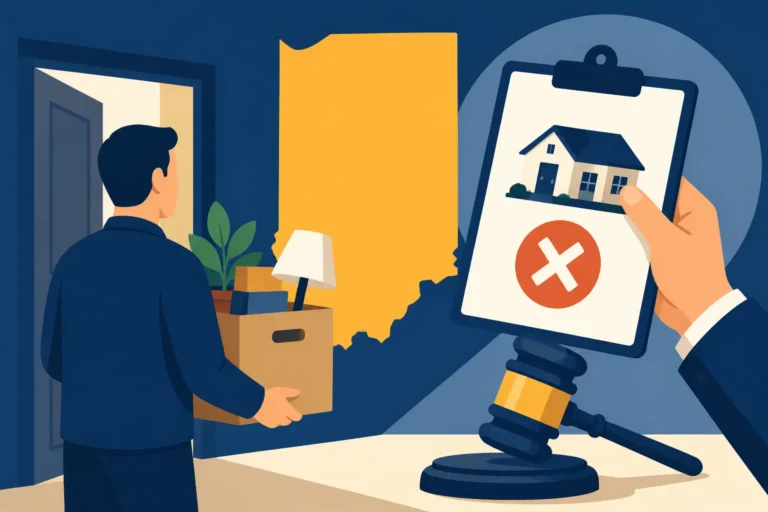
Eviction Mediation: How It Works
Facing an eviction can be one of the most stressful experiences for both tenants and landlords, often leading to drawn-out court battles, mounting legal fees, and damaged relationships. It's a situation fraught with anxiety, paperwork, and uncertainty. This comprehensive guide aims to shed light on eviction mediation, offering a valuable alternative to traditional court proceedings by explaining exactly how it works, when it's beneficial, and what to expect from the process.
Understanding Eviction Mediation
When a landlord and tenant find themselves at odds over a potential eviction, the thought of court can be daunting. Eviction mediation offers a less adversarial, more collaborative path forward, focusing on finding common ground rather than declaring a winner and a loser.
Defining Mediation in Landlord-Tenant Disputes
At its core, mediation is a voluntary process where a neutral third party, the mediator, helps disputing parties communicate and negotiate a mutually acceptable resolution. In the context of landlord-tenant disagreements, this means instead of a judge making a ruling, both the tenant and landlord work together to craft an agreement that addresses their concerns and avoids the need for an eviction lawsuit to proceed through the courts. Think of it as a facilitated conversation aimed at solving problems rather than just presenting arguments.
For instance, imagine a tenant who lost their job and fell behind on rent. Instead of the landlord immediately filing for eviction, mediation could bring them together to discuss a payment plan, a temporary rent reduction, or even a structured move-out plan. The goal isn't to determine who's right or wrong, but to find a practical solution that works for both sides, potentially saving the landlord the costs and time associated with the Eviction Process by State (Step-by-Step) and helping the tenant avoid a negative mark on their rental history.
The Role of a Neutral Mediator
A mediator isn't a judge, an arbitrator, or an attorney representing either party. They are a facilitator, trained to remain impartial and guide the discussion constructively. Their primary role is to create a safe space for open communication, help identify underlying issues, and assist parties in exploring possible solutions they might not have considered on their own. They don't make decisions for you, nor do they offer legal advice. Instead, they manage the dialogue, ensure everyone has a chance to speak and be heard, and keep the focus on resolution.
Consider a situation where a landlord claims property damage and the tenant disputes it. A mediator would help both parties articulate their perspectives, present any evidence they have (like photos or receipts), and then guide them toward a compromise, perhaps on the amount of a security deposit deduction. This neutral presence can be incredibly effective in de-escalating tension and redirecting energy from conflict to problem-solving. Some states, like California, have robust community mediation programs that offer these services, often at low or no cost, making them accessible to a wider range of individuals.
Understanding Voluntary vs. Mandatory Programs
The availability and nature of eviction mediation programs can vary significantly by state and even by local jurisdiction. In some areas, mediation is entirely voluntary, meaning both the landlord and tenant must agree to participate. It's a choice they make to avoid court. However, other jurisdictions have introduced mandatory mediation programs, especially in the wake of recent housing crises. These programs might require parties to attempt mediation before they can proceed with an eviction lawsuit in court.
For example, a city like Philadelphia has implemented a mandatory Residential Eviction Diversion Program, requiring landlords to go through mediation before filing for eviction for nonpayment of rent. This ensures that every opportunity for resolution is explored outside of court. On the other hand, in a state like Arizona, mediation is generally voluntary, though courts may sometimes suggest it. Understanding whether your local program is voluntary or mandatory is crucial, as it impacts how you approach the process and your obligations. Even when mandatory, successful mediation still relies on the willingness of both parties to engage constructively.
When Eviction Mediation is a Good Idea
Eviction mediation isn't a one-size-fits-all solution, but it can be particularly effective in specific circumstances, offering a pathway to resolution that court simply can't match.
Common Scenarios Leading to Mediation
Mediation is often most effective when there's a clear disagreement that could be resolved through communication and compromise, rather than solely relying on strict legal interpretation. A prime example is disputes over rent arrears. A tenant might be struggling financially, but willing to pay back what they owe if given a realistic payment plan. A landlord might be open to such a plan to avoid the uncertainty and cost of eviction, especially if the tenant has otherwise been reliable.
Another common scenario involves minor lease violations that could be remedied, such as issues with pet behavior, noise complaints, or property upkeep that doesn't quite cross the line into major damage. Instead of automatically moving to an Eviction for a Lease Violation, mediation provides a forum to discuss the issue, for the tenant to explain their perspective, and for both parties to agree on a plan to correct the violation. Even disputes around a security deposit, like what constitutes Normal Wear and Tear vs Damage: Complete Guide, can be perfect for mediation, as it allows both sides to present their evidence and negotiate a fair deduction amount.
Early Intervention Benefits
The earlier mediation is considered in an eviction dispute, the better the chances of a successful outcome. Waiting until an eviction lawsuit has been filed and court dates are looming can increase tensions, solidify positions, and reduce flexibility. Early intervention, ideally even before an official eviction notice like a 3-Day Notice to Pay or Quit Explained is served or immediately after, allows both parties to address the issue before it escalates into a full-blown legal battle.
When mediation happens early, it can prevent the costs associated with court filings, attorney fees, and the emotional toll of litigation. For tenants, it means avoiding an eviction record, which can severely impact their ability to find future housing. For landlords, it means avoiding vacancies, minimizing lost rent, and preserving a potentially good tenant relationship. Many non-profit legal aid organizations and housing counseling agencies actively promote early mediation precisely because it yields better, less costly results for everyone involved. Resources like LawDepot can help landlords and tenants create initial documents like payment agreements that could then be brought to a mediation session.
Situations Where Mediation Might Not Work
While mediation offers many advantages, it's not a magic bullet. There are situations where it might not be the most appropriate or effective path. If one party is completely unwilling to negotiate, or if there's a fundamental power imbalance that a mediator cannot adequately address, mediation may fail. For example, if a landlord is determined to evict a tenant regardless of circumstances, or if a tenant has no intention of paying rent and no viable plan to do so, mediation might simply be a delay tactic.
Similarly, if the dispute involves serious issues like illegal activity, severe property damage caused intentionally, or threats of violence, the structured environment of a court with clear legal remedies might be necessary. A mediator's role is to facilitate negotiation, not to enforce laws or make judgments on criminal behavior. In such cases, landlords may need to proceed directly with formal legal action, and tenants might need to explore options like a Retaliatory Eviction Defense if they believe the eviction is unjust. It's crucial for both parties to honestly assess their willingness to compromise and the nature of the dispute before committing to mediation.
The Eviction Mediation Process
Understanding the typical steps involved in eviction mediation can demystify the process and help you prepare effectively. It's less intimidating when you know what to expect.
Initiating Mediation
The path to mediation can start in a few ways. Sometimes, a landlord or tenant might proactively suggest it as a way to resolve a disagreement. Other times, a court might refer parties to a mediation program, especially if they see potential for resolution outside of litigation. Many local housing authorities or community dispute resolution centers also offer mediation services and can guide individuals on how to initiate the process. The key is that both parties must agree to participate.
Once an agreement to mediate is reached, a date and time are scheduled, and a mediator is assigned. This initial phase often involves some pre-mediation communication where the mediator might speak to each party separately to understand their perspective and identify key issues. This helps the mediator prepare for the joint session and ensures that everyone comes to the table with a basic understanding of what will be discussed. Landlords, for instance, might compile a detailed history of rent payments using property management software like DoorLoop to present a clear picture of any arrears.
The Mediation Session: What to Expect
A typical mediation session is usually held in a neutral location, often an office or community center, though virtual sessions are increasingly common. The mediator will begin by explaining their role, outlining the ground rules for discussion (e.g., respectful communication, no interruptions), and emphasizing the confidential nature of the proceedings. Each party will then have an opportunity to present their side of the story without interruption.
After initial statements, the mediator will help identify common ground and areas of disagreement. They might use techniques like reframing questions, asking open-ended questions, and summarizing points to ensure clarity. Often, the mediator will hold "caucuses," where they speak privately with each party in separate rooms. This allows individuals to discuss sensitive information or explore proposals without the other party present, and the mediator can then relay offers or concerns between them, maintaining confidentiality as requested. The session continues in this back-and-forth manner until an agreement is reached or it becomes clear that further negotiation is not possible.
Reaching an Agreement and Documentation
If mediation is successful, the goal is to reach a written agreement that outlines the specific terms of the resolution. This agreement could include a payment plan for past-due rent, a timeline for moving out, an agreement to address maintenance issues, or a commitment to resolve lease violations. It's critical that the agreement is clear, specific, and addresses all outstanding issues. For example, if a tenant agrees to move out, the agreement should specify the exact move-out date, how the property should be left, and what happens to the security deposit.
Once drafted, both the landlord and tenant, along with the mediator, will sign the agreement. In some cases, especially when initiated by the court, this mediated agreement can then be submitted to the court and approved by a judge, making it a legally binding court order. This step is crucial for enforceability. If the agreement is not formalized by the court, it functions as a private contract between the parties. Either way, having a clear, written record prevents future misunderstandings and provides a framework for moving forward. Legal document services like LawDepot can be useful for generating legally sound agreements post-mediation.
Benefits of Eviction Mediation
Choosing mediation over traditional court proceedings can offer a host of advantages for both landlords and tenants, making it a highly attractive option for dispute resolution.
Cost and Time Savings
One of the most compelling reasons to opt for eviction mediation is the significant cost and time savings compared to going to court. Eviction lawsuits can be incredibly expensive, with legal fees, court costs, and the time spent preparing for and attending hearings quickly adding up. For landlords, a lengthy eviction means lost rental income from a vacant unit and potentially thousands in legal bills. For tenants, it could mean taking time off work, paying filing fees, and even the cost of relocation.
Mediation, especially through community programs, is often free or offered at a very low cost. The process is typically much quicker, often resolving a dispute in a single session or a few sessions over a couple of weeks, rather than months of court dates. This expedited resolution means landlords can stabilize their income sooner, and tenants can avoid the prolonged stress and financial drain of a drawn-out legal battle. Consider the typical Eviction Timeline: Every Stage Explained – mediation can drastically cut down this duration.
Preserving Relationships and Privacy
Court battles, by their very nature, are adversarial. They often involve public records, airing grievances in open court, and can irrevocably damage the relationship between a landlord and tenant. This is particularly problematic in smaller communities or when a tenant wishes to maintain a good rental history for future housing applications. Mediation offers a different approach. Because it's a collaborative problem-solving process, it often helps to de-escalate tensions and can even preserve a working relationship.
The confidential nature of mediation means that discussions and proposals made during the session are typically not admissible in court if the mediation fails. This allows parties to speak more freely and explore creative solutions without fear that their words will be used against them later. For landlords, maintaining a positive relationship can mean retaining a good tenant who just hit a temporary rough patch. For tenants, it means avoiding the public record of an eviction, which can be a significant hurdle when trying to secure new housing.
Flexible and Creative Solutions
Court rulings are often black and white: either the eviction is granted, or it isn't. Judges are bound by law and precedent, limiting their ability to craft nuanced solutions tailored to specific circumstances. Mediation, however, thrives on flexibility and creativity. Because the parties themselves are designing the solution, they can come up with agreements that a court would never be able to order.
For example, a tenant behind on rent might offer to perform maintenance work or provide other services in exchange for a temporary rent reduction or a deferred payment plan. A landlord might agree to a "cash for keys" arrangement, offering the tenant financial assistance to move out promptly and smoothly, rather than facing a messy, costly eviction. This type of personalized solution, which addresses the unique needs and capabilities of both parties, is a hallmark of successful mediation and can lead to far more satisfactory outcomes than a rigid court judgment. For more on this, you can explore concepts like Cash for Keys: How It Works.
Potential Downsides and Limitations
While mediation presents numerous benefits, it's also important to acknowledge its potential limitations and scenarios where it might not be the most effective solution.
Lack of Enforceability if Not Formalized
One significant limitation of mediation, especially when conducted privately or through community programs that don't involve the court, is the potential for a lack of enforceability. If a mediated agreement is reached but not formally adopted as a court order, it essentially functions as a private contract. If one party then breaches this agreement, the other party might have to file a new lawsuit to enforce it, essentially bringing them back to court.
This can be a source of frustration, particularly for landlords who thought they had a clear resolution. For example, if a tenant agrees to a payment plan for Eviction for Nonpayment of Rent but then defaults, the landlord may still have to proceed with the formal eviction process. It underscores the importance of understanding whether your mediation program allows for court ratification of the agreement, which provides a much stronger legal standing. Always clarify this with your mediator or legal counsel.
Power Imbalances
In any landlord-tenant dispute, there can be inherent power imbalances. Landlords often have greater financial resources, legal knowledge, or access to legal counsel, which can make tenants feel disadvantaged. While a skilled mediator is trained to mitigate these imbalances and ensure both parties have an equal voice, they cannot eliminate them entirely. A tenant who is unrepresented or highly vulnerable might feel pressured into an agreement that isn't truly in their best interest.
For example, a landlord might arrive at mediation with an attorney and a clear strategy, while a tenant might be navigating the process alone, feeling overwhelmed. The mediator's role is to ensure fair communication, but they cannot provide legal advice or advocate for either party. In situations where significant power imbalances exist, tenants might benefit from seeking legal aid or advice before or during mediation to ensure their rights are protected. If you're a tenant wondering How to Stop or Fight an Eviction (Tenant Guide), it's important to understand your rights beforehand.
When to Seek Legal Counsel Instead
Mediation is an excellent tool for resolving disputes, but it's not a substitute for legal advice. There are specific circumstances where seeking legal counsel from an attorney is paramount, either in conjunction with mediation or as an alternative. If the legal issues are complex, if there's a significant amount of money at stake, if either party believes illegal activities or discrimination are involved, or if there's a strong belief that the other party is acting in bad faith, legal counsel is advisable.
An attorney can help you understand your legal rights and obligations, assess the strength of your case, and advise you on whether a proposed mediated agreement is fair and legally sound. They can also represent you in mediation, ensuring your interests are fully protected during negotiations. For instance, if you're a tenant facing an eviction that you believe is retaliatory, a lawyer can help you explore your options, including a Retaliatory Eviction Defense, which might be better pursued in court. Platforms like LawDepot can provide basic legal documents, but they don't replace personalized legal advice for complex situations.
Preparing for Eviction Mediation
Entering a mediation session prepared can significantly increase your chances of a successful outcome. It’s about having your ducks in a row and a clear head.
Gathering Documentation
Preparation is key to a productive mediation session. Both landlords and tenants should gather all relevant documentation that pertains to the dispute. For landlords, this might include the lease agreement, rental payment history (which software like DoorLoop can help manage), copies of any eviction notices served, communication logs with the tenant, maintenance requests and repair records, and photographs of any alleged damage. Having a comprehensive What to Include in a Lease Agreement from the outset can help prevent many issues.
For tenants, important documents include the lease agreement, proof of rent payments (bank statements, receipts), copies of any repair requests made to the landlord, photographs or videos of the property's condition at move-in and any issues during tenancy, and any written communications with the landlord. The more evidence you have to support your claims or clarify your position, the stronger your negotiating stance will be. This documentation helps provide a factual basis for discussions and can prevent misunderstandings.
Understanding Your Goals and Bottom Line
Before sitting down with a mediator, take some time to reflect on what you truly want to achieve from the mediation. What is your ideal outcome? What is the absolute minimum you would accept? And what are you willing to compromise on? Having a clear understanding of your goals and your "bottom line" will guide your negotiations and help you determine whether a proposed agreement is acceptable.
For a landlord, this might mean deciding on the minimum acceptable payment plan for back rent, or a firm move-out date they are unwilling to budge on. For a tenant, it could be the maximum amount they can realistically pay, or a specific condition that needs to be met by the landlord, such as making necessary repairs. It’s also important to consider the consequences if mediation fails. What are your alternatives? Knowing what might happen if you proceed with litigation can help you evaluate the value of a mediated settlement.
Practicing Active Listening and Communication
Mediation is fundamentally about communication. To be successful, both parties need to engage in active listening and clear, respectful communication. Active listening means truly hearing and understanding the other party's perspective, even if you disagree with it. It involves paying attention, asking clarifying questions, and refraining from interrupting.
When it's your turn to speak, communicate your points clearly, calmly, and concisely. Focus on facts and your needs rather than emotions or personal attacks. Avoid blaming or accusatory language, as this can derail the process. The mediator is there to guide this, but your proactive effort in these areas will make a huge difference. Remember, the goal is not to win an argument, but to find a solution that both sides can live with. Being prepared to explain your situation and listen to the other side's story can lead to unexpected areas of agreement.
Eviction Mediation vs. Other Solutions
Eviction disputes have various resolution paths, each with its own advantages and disadvantages. Understanding how mediation compares to other common approaches can help you choose the best course of action.
Mediation vs. Court Proceedings
The most significant alternative to eviction mediation is, of course, taking the dispute to court through an eviction lawsuit (often called an unlawful detainer action). Court proceedings are formal, public, and involve a judge who makes a binding decision based on legal arguments and evidence presented. The outcome is often win-lose, and the process can be lengthy, costly, and emotionally draining for both sides.
Mediation, as we've discussed, is informal, confidential, and collaborative. It focuses on finding a mutually acceptable solution, not on proving who is legally "right." While court offers the certainty of a judge's ruling, it sacrifices flexibility and privacy. Mediation, conversely, offers greater control over the outcome and potential for preserving relationships, but its success hinges on the willingness of both parties to compromise. For tenants, knowing What Happens If You Ignore an Eviction Notice? or How to Answer an Eviction Lawsuit might be necessary if mediation isn't an option or fails.
Mediation vs. Direct Negotiation
Before either mediation or court, many landlords and tenants attempt direct negotiation. This is simply communicating directly with each other to try and resolve the issue. It can involve phone calls, emails, or face-to-face conversations. For simple disagreements, direct negotiation can be quick and effective, and it’s always the first step.
However, direct negotiation often breaks down when emotions run high, communication skills are lacking, or there's a significant power imbalance. This is where mediation steps in. A neutral mediator can facilitate communication, manage emotions, and help parties see beyond their initial positions, something that's very difficult to do when you're directly involved in the conflict. While direct negotiation is always worth trying, mediation provides a structured, guided environment when independent efforts fail.
Considering "Cash for Keys" as an Alternative
In some eviction scenarios, particularly those involving non-payment of rent or a landlord's desire for the tenant to vacate quickly, "cash for keys" can be an alternative solution. This is an agreement where a landlord offers a tenant a sum of money in exchange for them voluntarily moving out by a specific date, leaving the property in good condition.
"Cash for keys" can be discussed and formalized during a mediation session. It offers a structured way for a tenant to receive financial assistance for relocation, avoiding an eviction on their record, while allowing the landlord to regain possession of the property much faster and with less hassle than a formal eviction. It's a pragmatic solution that benefits both parties by avoiding the expense and stress of court, and it’s a great example of the kind of creative solution that can come out of a successful mediation. It's often cheaper for landlords than fighting a protracted eviction case, and for tenants, it's a way to get a fresh start without the long-term consequences of an eviction judgment.
| Aspect | Eviction Mediation | Court Proceedings (Eviction Lawsuit) | Direct Negotiation | Cash for Keys |
|---|---|---|---|---|
| Process | Informal, facilitated discussion | Formal, structured legal process | Informal, direct communication | Private agreement for voluntary vacancy |
| Parties Involved | Landlord, Tenant, Neutral Mediator | Landlord, Tenant, Judge/Court Staff, Attorneys | Landlord, Tenant | Landlord, Tenant |
| Outcome | Mutually agreed-upon settlement | Judge's binding decision (win/lose) | Ad-hoc agreement or continued dispute | Tenant vacates in exchange for payment |
| Cost | Low to no cost (often subsidized) | High (legal fees, court costs, lost rent) | Free | Payment from landlord to tenant |
| Timeframe | Days to weeks | Months | Varies widely | Days to weeks (faster than eviction) |
| Confidentiality | High (discussions are private) | Low (public record) | Varies (private unless shared) | High (private agreement) |
| Relationship | Potential for preservation/repair | Often strained/damaged | Varies, can worsen | Can end amicably |
| Enforceability | High if court-ratified; otherwise, private contract | Legally binding court order | Low (difficult to enforce without formalization) | High if properly documented |
| Flexibility | High (creative solutions possible) | Low (bound by law/precedent) | Varies | High (negotiated terms) |
| Power Imbalance | Mediator attempts to balance | Court can be intimidating for unrepresented parties | High (can be exploited) | Can be present but less adversarial |
Disclaimer
Please remember that this article provides general information and guidance. Landlord-tenant laws, including those related to eviction and mediation, vary significantly by state and local jurisdiction. It is crucial to consult with a qualified legal professional or local housing authority for advice specific to your situation and location. This content is not a substitute for legal advice.