How to Break a Lease in Maryland
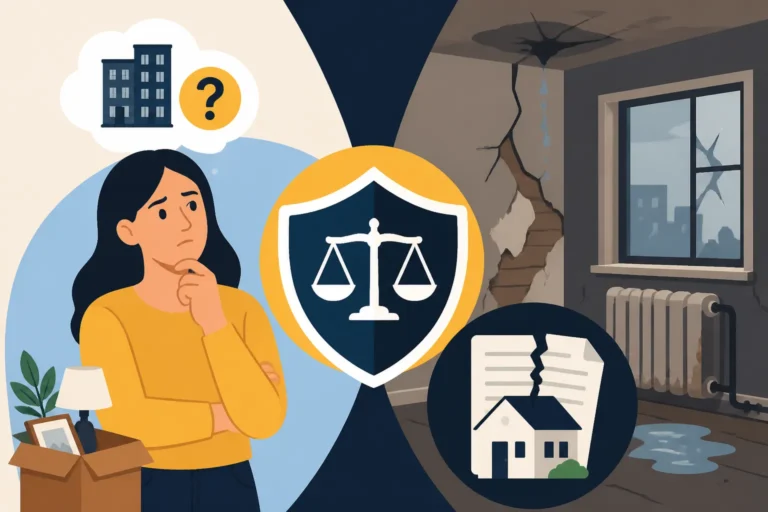
Let's be real, life happens. Sometimes, you sign a lease with the best intentions, only for circumstances to shift dramatically – a new job out of state, an unexpected family situation, or even an issue with the property itself. Finding yourself in a position where you need to break a lease in Maryland can feel overwhelming, like you're stuck in a binding contract with no way out. This comprehensive guide is here to walk you through the specifics of Maryland landlord-tenant law, detailing your options, rights, and responsibilities if you need to end your lease early.
Understanding Your Lease Agreement in Maryland
Before you even think about packing boxes, the very first thing you need to do is pull out that lease agreement you signed. I know, I know, it's often pages of dense legal jargon, but trust me, it’s your roadmap. Every word in that document can significantly impact your options for breaking the lease.
The Legal Weight of Your Rental Contract
Think of your lease as a legally binding contract, a promise between you (the tenant) and your landlord. When you sign it, you're agreeing to occupy the property and pay rent for a specified period, typically 12 months. This isn't just a casual handshake; it's a serious commitment. Maryland law generally expects you to honor the full term of that lease. This is why just up and leaving, or assuming you can simply give a 30-day notice in the middle of a fixed-term lease, can land you in hot water.
For instance, if your lease runs from January 1st to December 31st, you’re obligated for those 12 months. If you decide to move out in June, you could still be held responsible for the remaining six months of rent, property upkeep, and other associated costs. It’s a harsh reality, but understanding this fundamental principle is crucial before exploring any avenues for early termination. Many people underestimate the financial liability involved, leading to nasty surprises down the line. That's why diving deep into your actual lease document is non-negotiable.
Scrutinizing Your Lease for Early Termination Clauses
Sometimes, landlords are a little more flexible than you might imagine, and they actually include specific clauses in the lease that address early termination. This is why a thorough read-through is so important. Look for sections titled "Early Termination," "Lease Break," or something similar.
These clauses will typically outline the conditions under which you can break the lease and what penalties you might face. For example, your lease might state that you can terminate early if you pay a fee equivalent to two months' rent, or if you provide a 60-day notice and forfeit your security deposit. Some leases, especially those from larger property management companies like those found through platforms like LawDepot for drafting legal documents, might have very specific and detailed stipulations. If your lease contains such a clause, it usually provides the clearest, albeit often costly, path to ending your tenancy early. Without one, you're generally relying on Maryland's specific landlord-tenant laws or the goodwill of your landlord. Always document any communication regarding these clauses in writing, so you have a clear record.
Legally Permissible Ways to Break a Lease in Maryland
While a lease is a binding contract, Maryland law recognizes that certain situations are dire enough to warrant a tenant being released from their obligations without severe penalty. These aren't loopholes; they're protections built into the legal framework.
Military Service and the SCRA
If you're an active-duty servicemember and receive Permanent Change of Station (PCS) orders or orders to deploy for 90 days or more, you likely have the right to break your lease under the Servicemembers Civil Relief Act (SCRA). This federal law protects military personnel from certain civil obligations, including rental agreements, when their service requires them to relocate.
To properly invoke the SCRA in Maryland, you'll need to provide your landlord with written notice and a copy of your military orders. The termination typically becomes effective 30 days after the next rent payment is due, provided the notice was given at least 30 days beforehand. For instance, if you pay rent on the 1st of each month and give notice on June 15th, your lease would terminate on July 31st. This is a powerful protection, and many military families rely on it when faced with unexpected moves. Understanding your rights under SCRA can save you a significant amount of stress and financial burden. You can find more detailed information on exercising these rights by looking up guides on Military SCRA Lease Termination Step-by-Step.
Protections for Victims of Domestic Violence or Sexual Assault
Maryland law provides crucial protections for tenants who are victims of domestic violence, sexual assault, or stalking. If you or a member of your household is a victim, you may be able to terminate your lease early without penalty.
To do so, you typically need to provide your landlord with written notice and specific documentation, such as a protective order, a peace order, or a report from a qualified third party (like a medical professional or counselor). The termination usually takes effect 30 days after you give notice, or at a later date specified in the notice. This measure is designed to help victims escape dangerous living situations quickly and safely. It's a critical safety net, acknowledging that personal safety must always take precedence over contractual obligations. However, it's essential to follow the specific documentation requirements to ensure your termination is legally sound. Resources are available to help navigate these sensitive situations.
Landlord Violations of Habitability and Neglect
Landlords in Maryland have a fundamental responsibility to provide a safe and habitable living environment. This is often referred to as the "implied warranty of habitability." This means the property must be structurally sound, have working utilities (like heat, hot water, and electricity), be free from severe pest infestations, and meet basic health and safety standards.
If your landlord fails to make necessary repairs to maintain the property's habitability, and these issues are serious enough to make the unit unsafe or unhealthy, you might have grounds to break your lease. For example, persistent mold problems, a severe lack of heat in winter, or major plumbing issues that the landlord refuses to address after repeated written requests could constitute a breach. Before you consider this route, you must properly notify your landlord in writing about the issues and give them a reasonable amount of time to fix them. What constitutes "reasonable time" can vary, but generally, emergency repairs need to be addressed much faster than minor cosmetic fixes. If they still don't act, you might be able to terminate the lease. This is a serious step, and it's vital to have thorough documentation of all communications and the issues themselves. Understanding Implied Warranty of Habitability Explained is a great first step, as is knowing How to Request Repairs in Writing.
Privacy Violations and Landlord Harassment
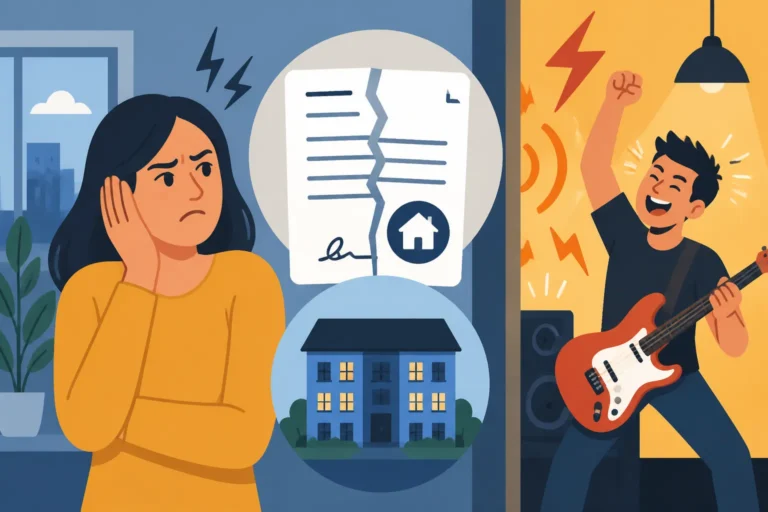
Maryland tenants have a right to quiet enjoyment and privacy in their rental homes. While landlords generally have the right to enter your unit for repairs, inspections, or to show the property to prospective tenants, they must usually provide reasonable notice, typically 24 or 48 hours, and enter at reasonable times. They cannot enter without cause or permission, especially if not outlined in the lease.
If your landlord repeatedly violates your privacy, enters without notice, or engages in harassment (e.g., constantly calling, making threats, or disturbing your peace without legitimate reason), these actions could potentially be grounds for constructive eviction. Constructive eviction means that the landlord's actions (or inactions) have made the property uninhabitable or have interfered so significantly with your quiet enjoyment that you are effectively forced to move out. This is a high bar, and it requires substantial proof of a consistent pattern of violations. You can't just move out and declare constructive eviction; you need strong documentation of the harassment or privacy breaches. These situations are serious and often benefit from legal counsel to ensure you proceed correctly.
Non-Legal Approaches and Minimizing Financial Harm
What if you don't have a legally recognized reason to break your lease? Don't despair. There are still proactive steps you can take to minimize the financial repercussions, often involving a good dose of communication and collaboration with your landlord.
Open Communication and Negotiation with Your Landlord
One of the most effective, yet often overlooked, strategies is simply talking to your landlord. Explain your situation honestly and transparently. Landlords are human, and while they have a business to run, they might be more understanding than you think, especially if you approach them respectfully and proactively.
Suggest alternatives, like helping them find a new tenant (more on that in a moment) or offering a lump-sum payment to cover their losses. Many landlords would prefer to work with a cooperative tenant to find a solution rather than go through the hassle and expense of pursuing unpaid rent through legal channels. This approach won't always work, but it costs nothing to try and can often lead to a mutually agreeable solution that minimizes stress and financial impact for both parties. Remember, a polite conversation can go a long way.
Finding a Replacement Tenant: Subletting or Assignment
Even if your lease doesn't specifically allow it, your landlord might agree to let you find a replacement tenant through subletting or lease assignment.
- Subletting: This is when you rent out your unit to a new tenant (the subtenant) for a period, but your name remains on the original lease. You continue to be responsible for ensuring the rent is paid and the lease terms are followed.
- Lease Assignment: This is a more permanent solution where you transfer your entire lease agreement to a new tenant. Once the assignment is complete and approved by the landlord, you are typically released from your obligations under the original lease.
In Maryland, landlords generally cannot unreasonably refuse a request to sublet or assign if your lease allows it. Even if it doesn't, they might be open to it, especially if you present a qualified replacement tenant. Make sure any new tenant meets the landlord’s screening criteria (credit score, income, rental history, etc.). Many landlords use tools like TurboTenant to screen potential renters, and if you can present a tenant who passes these checks, it significantly increases your chances of getting approval. This process effectively takes the financial burden off you and transfers it to the new occupant, with the landlord’s approval. Learn more about the nuances of Subletting & Lease Assignment Explained.
The Landlord's Duty to Re-rent Your Unit (Mitigation of Damages)
This is a really important protection for tenants in Maryland. Even if you break your lease without a legal justification, your landlord generally has a legal "duty to mitigate damages." This means they can't just sit back and let the rent pile up for the remainder of your lease term. They are legally obligated to make a reasonable effort to re-rent the property as quickly as possible.
Once they find a new tenant, your liability for future rent payments typically ends, or at least significantly decreases. You would still be responsible for rent during the vacancy period and any reasonable costs incurred by the landlord to re-rent the unit (e.g., advertising fees, screening costs). However, they cannot charge you for the full remaining lease term if they could have easily found a new tenant. Document your own efforts to find a replacement tenant, as this can strengthen your case that the landlord should have found someone sooner. This duty to mitigate damages is a critical aspect of Maryland landlord-tenant law that can significantly reduce your financial exposure. For more in-depth information, check out Landlord Duty to Mitigate Damages Explained.
Navigating the Aftermath and Protecting Your Future
Breaking a lease, even with good intentions, can have ripple effects. Understanding these potential consequences and how to protect yourself is just as important as knowing your options.
Understanding Potential Costs and Your Security Deposit
When you break a lease, even with mitigation, there will almost certainly be financial implications. You could be responsible for:
- Unpaid Rent: Any rent due until a new tenant is found, or until your lease legally terminates.
- Re-rental Costs: Reasonable expenses the landlord incurs to find a new tenant, such as advertising, cleaning, and showing fees.
- Lease Break Fees: If your lease includes an early termination clause, you'll likely owe the fee stipulated there.
Your security deposit is often the first thing a landlord will look to when covering these costs. In Maryland, landlords must return your security deposit within 45 days of you moving out, minus any legitimate deductions. These deductions can include unpaid rent, damages beyond normal wear and tear, and costs associated with re-renting the property due to a broken lease. It’s absolutely vital to understand what can and cannot be deducted from your deposit. Knowing about Security Deposit and Broken Lease: What Happens can help you anticipate potential issues. If you dispute the deductions, you might need to send a Security Deposit Demand Letter (How-To + Template).
Document Everything: Your Best Defense
I cannot stress this enough: documentation is your best friend when it comes to any landlord-tenant issue, especially breaking a lease. From the moment you even consider breaking your lease, start a paper trail.
- Written Communication: Send all notices, requests, and offers to your landlord in writing (email with read receipts, certified mail, or even text messages if that's your established communication method, but always follow up with an email). Keep copies of everything.
- Condition of the Property: Take extensive photos and videos of the rental unit before you move in (at your How to Document Your Apartment at Move-In) and again when you move out. This protects you from false claims of damage.
- Landlord's Efforts: Keep records of any efforts you make to find a replacement tenant, such as Craigslist ads, social media posts, or referrals to your landlord. This helps prove they have a duty to mitigate.
- Legal Documents: Any military orders, protective orders, or repair requests should be meticulously filed.
This comprehensive record can be invaluable if a dispute arises and you need to prove your case in small claims court or through other channels. Without it, it often becomes a "he-said, she-said" situation, which rarely works in your favor.
Protecting Your Rental History and Credit Score
Breaking a lease can have lasting impacts beyond immediate financial costs. A landlord might report unpaid rent or a broken lease to credit bureaus or tenant screening services. This can negatively affect your credit score, making it harder to rent another apartment, get a mortgage, or even qualify for loans in the future.
Furthermore, a negative mark on your rental history can make it incredibly difficult to secure a new rental. Future landlords run background checks, and an unresolved broken lease will flag you as a high-risk tenant. If you're wondering What Happens If You Break a Lease?, this is a significant part of the answer.
Your best bet for protecting your future is to resolve any lease break issues amicably with your current landlord and ensure all outstanding financial obligations are settled. If you can leave on good terms, with the landlord’s agreement to release you, that’s ideal. Even if you pay a penalty, doing so can prevent a much larger headache down the road. If things go south and your landlord refuses to return your deposit or makes unreasonable demands, knowing your Tenant Rights If Landlord Won't Return Deposit is essential.
Summary of Maryland Lease Breaking Options
Here's a quick overview of the paths you might take when facing the need to break a lease in Maryland, along with key considerations:
| Method of Breaking Lease | Description | Key Requirements | Potential Costs/Consequences |
|---|---|---|---|
| Early Termination Clause | Lease specifically outlines conditions and fees for early exit. | Adhere to notice period and pay specified fees. | Pre-agreed fee (e.g., 1-2 months' rent), potential forfeiture of security deposit. |
| Military Orders (SCRA) | Active-duty military deployment or PCS orders. | Written notice to landlord, copy of military orders. | Lease terminates 30 days after next rent payment due (after notice). Generally no penalty. |
| Victim of Domestic Violence | Tenant or household member is a victim of domestic violence, sexual assault, or stalking. | Written notice, protective order, peace order, or qualified third-party documentation. | Lease terminates 30 days after notice. Generally no penalty. |
| Uninhabitable Conditions | Landlord fails to maintain safe and healthy living conditions after written notice. | Extensive documentation of issues, written repair requests, landlord's failure to remedy within reasonable time. | May terminate lease without penalty, but high burden of proof. Legal advice recommended. |
| Landlord Harassment/Privacy | Repeated, severe violations of tenant's privacy or sustained harassment. | Extensive documentation of violations, proof of significant interference with quiet enjoyment. | High bar for "constructive eviction." Legal advice highly recommended. |
| Negotiation with Landlord | Mutually agreed-upon arrangement with the landlord. | Open communication, willingness to compromise, offer solutions (e.g., finding new tenant, lump sum payment). | Varies widely: could be no penalty, a negotiated fee, or assistance with re-rental costs. |
| Subletting/Assignment | Finding a new tenant to take over your lease (with landlord approval). | Landlord approval (cannot be unreasonably withheld), new tenant must meet screening criteria. | You may remain liable for subtenant's actions (subletting); typically released from liability (assignment). |
| Reliance on Mitigation Duty | Landlord must make reasonable efforts to re-rent the unit if you break the lease without legal cause. | You are responsible for rent until a new tenant is found and re-rental costs. Document your own efforts to help. | Rent owed for vacancy period, re-rental expenses (advertising, screening). Can be significant if landlord doesn't act quickly. |
Disclaimer
Please remember that I am a lifestyle blogger, not an attorney. This information is intended for general guidance and informational purposes only, and does not constitute legal advice. Landlord-tenant laws can be complex and vary by specific circumstances and local ordinances. You should always consult with a qualified legal professional or tenant rights organization in Maryland for advice tailored to your specific situation.