Tenant Rights for No Hot Water by State
There are few things more jarring than stepping into your shower, ready for that refreshing hot water, only to be met with an icy blast. Or maybe it’s washing dishes in cold water, or facing a freezing sink when you’re just trying to brush your teeth. It’s not merely an inconvenience; it disrupts your entire daily routine and can make your home feel profoundly uncomfortable and even unsanitary. If you're a tenant dealing with no hot water, you’re not alone in feeling frustrated and wondering what your rights are. This comprehensive guide will walk you through your rights, responsibilities, and the steps you can take to get your hot water restored, state by state.
Hot Water as a Fundamental Right Under Habitability Laws
At the heart of tenant protections lies the "implied warranty of habitability." This isn't usually something you'll find explicitly written in your lease, but it's a legal principle that's implied in virtually all residential leases. It means your landlord must provide and maintain a safe and livable home. And guess what? Hot water is almost universally considered a basic necessity for a habitable living space. It's not a luxury; it's essential for sanitation, health, and basic comfort.
Defining "Adequate" Hot Water
So, what exactly does "adequate" hot water mean in the eyes of the law? Generally, it means a continuous supply of hot water at a reasonable temperature. While specific temperature requirements can vary slightly by jurisdiction, most housing codes and health standards align with the Uniform Plumbing Code, which suggests that water heaters should be set to deliver water at around 120°F (49°C) at the tap. Anything significantly below that, or water that fluctuates wildly, could be considered a violation.
Think about it: you need hot water to clean yourself, your dishes, and your clothes effectively. If the water is lukewarm or only hot for a minute or two, it doesn't meet the standard. This isn't about being picky; it's about being able to perform basic hygiene and household tasks without extreme discomfort or resorting to unhealthy alternatives. A landlord's responsibility doesn't end at providing a water heater; it extends to ensuring it functions properly to deliver that consistent, adequate hot water.
When a Lack of Hot Water Becomes a Habitability Breach
A momentary blip in hot water, say, when a neighbor uses a lot or the heater resets, usually isn't a habitability breach. The issue arises when the lack of hot water is persistent, prolonged, or due to a malfunction that the landlord is neglecting. If your water heater breaks down completely, or if the hot water supply is constantly unreliable, that's a clear indication that the implied warranty of habitability might be compromised.
Many states categorize a lack of hot water as an "emergency" or "essential service" repair, which means landlords have a much shorter timeframe to fix it compared to non-urgent issues. For example, in states like California, essential repairs often need to be addressed within 24 to 72 hours. Ignoring the problem beyond this crucial window can open the door for tenants to take more drastic measures, as we'll discuss later. It’s about the reasonable expectation that your home will provide basic human needs, and hot water definitely falls into that category.
Notifying Your Landlord and Documenting the Problem
When you first discover you don't have hot water, your immediate priority, after the initial shock and frustration, should be to notify your landlord. However, how you notify them and what you do afterward can significantly impact your options if the problem isn't resolved promptly. This isn't just a friendly heads-up; it's about establishing a paper trail to protect your rights.
Sending Proper Written Notice
Always, always, always put your repair request in writing. While a quick phone call might seem easiest, it leaves no verifiable record. A written notice proves you informed your landlord about the issue and when. This can be an email, a text message (if your lease allows or landlord has agreed to this communication method), or, ideally, a formal letter sent via certified mail with a return receipt requested. This way, you have proof of delivery.
In your notice, clearly state the problem (e.g., "The hot water has been completely out since [date]"), the impact it's having on your ability to live comfortably, and a reasonable expectation for a repair timeline, referencing any state-specific laws if you know them. For instance, you could state, "As hot water is an essential service, I expect this to be repaired within 24-72 hours as per [Your State]'s landlord-tenant laws." Keep a copy of everything you send. Platforms like TurboTenant, often used by landlords for property management, also provide excellent digital tools for tenants to submit and track maintenance requests, which creates a helpful digital record.
Documenting the Lack of Hot Water
Beyond the written notice, gathering evidence is crucial. This can feel a bit like detective work, but it's invaluable if you ever need to dispute a landlord's inaction.
- Photos and Videos: Take pictures or videos of your faucet running cold water. While a video can’t perfectly convey temperature, it can show water flow and lack of steam.
- Temperature Readings: If you have a meat thermometer or a digital thermometer, you can measure the water temperature at different taps (kitchen, bathroom sink, shower). Document the date, time, location, and reading. If it's significantly below standard, that's strong evidence.
- Log of Inconveniences: Keep a detailed log of how the lack of hot water is affecting your life. Are you unable to shower? Are you spending money at a gym for showers? Are you boiling water for dishes? Document dates, times, and any associated costs or extra efforts.
- Communication Records: Save all emails, texts, and call logs with your landlord regarding the issue. Note down who you spoke to, what was said, and when.
This documentation isn't just for potential legal battles; it serves as a powerful reminder to your landlord that you're serious and well-informed about your rights. It also provides a clear, objective account of the problem that can't be easily dismissed.
State-Specific Rules for Hot Water Repairs
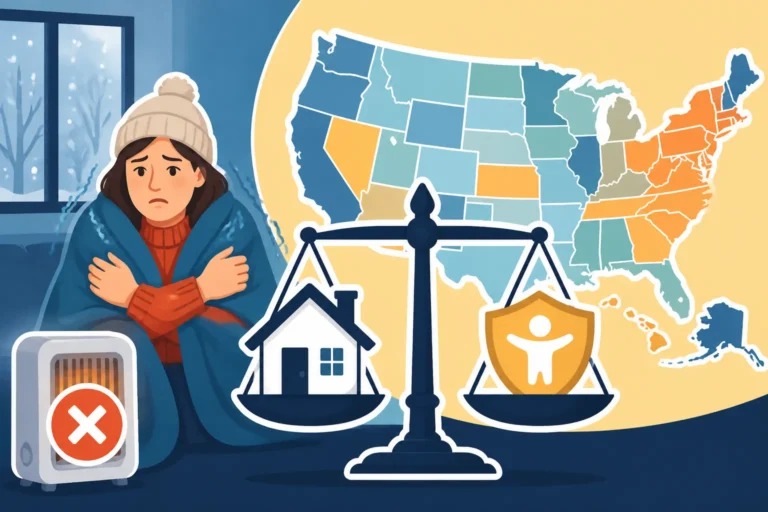
While the implied warranty of habitability is a pretty consistent baseline, the specific timelines and remedies for a landlord's failure to provide hot water can vary significantly from state to state. It's absolutely crucial to know your local laws because taking the wrong action can put you in a precarious position. This isn't just theoretical; it's about how quickly you can get back to a comfortable, functional home.
General Repair Timelines Across States
Most states differentiate between "emergency" or "essential" repairs and routine maintenance. A lack of hot water almost always falls into the essential category. This means landlords typically have a much shorter timeframe to fix it.
- 24 to 72 Hours: Many states, including California and Oregon, mandate a repair window of 24 to 72 hours for essential services like hot water, heat, or electricity. If your landlord in Los Angeles fails to restore hot water within this timeframe, for instance, you have clear grounds for further action.
- "Reasonable Time": Some states, like Texas or Pennsylvania, use the phrase "reasonable time" but often clarify that for essential services, "reasonable" usually means no more than a few days. What's reasonable often depends on the severity of the issue and the availability of parts or technicians. However, prolonged periods without hot water are rarely considered reasonable.
- Written Notice Requirements: Almost every state requires you to provide written notice to your landlord before you can take further action. Make sure this notice is clear, specific, and gives the landlord the opportunity to fix the problem within the legally mandated time frame. For a more detailed look at repair timelines, check out our guide on How Long Does a Landlord Have to Make Repairs? By State.
Key State Examples and Their Hot Water Repair Rules
Let's dive into a few examples to illustrate the variations in state laws:
- California: As mentioned, California is quite tenant-friendly. Landlords must provide and maintain hot water. If repairs for a substantial defect affecting habitability (like no hot water) are not made within a "reasonable time" (often considered 24-72 hours for essentials after written notice), tenants may have the right to Repair and Deduct Laws in California the cost of repairs from rent or even move out. However, "repair and deduct" is a risky move and has very strict limits.
- New York: In New York, especially in New York City, landlords are legally required to provide hot water 24/7 at a minimum temperature of 120°F. If the landlord fails to provide hot water after receiving notice, tenants can often report the violation to the Department of Housing Preservation and Development (HPD), which can issue violations and even make emergency repairs and bill the landlord. You might consider learning more about Tenant Rights With No Hot Water in New York.
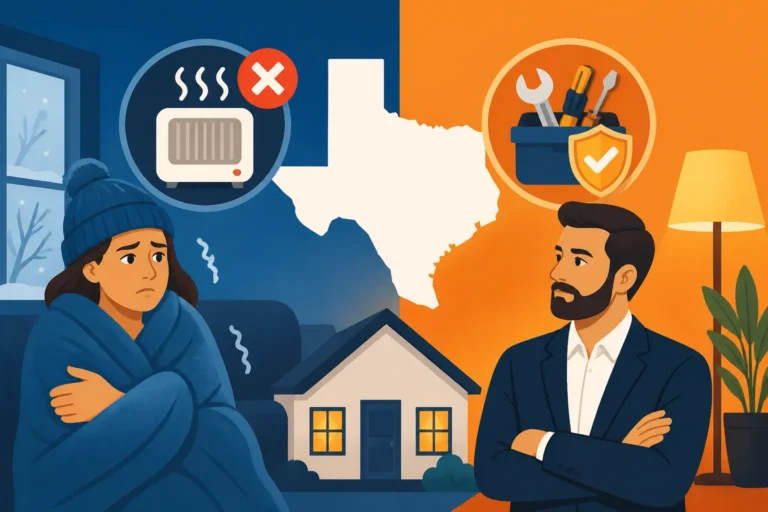
- Texas: Texas law requires landlords to make a diligent effort to repair or remedy a condition that materially affects the physical health or safety of an ordinary tenant, provided the tenant has given notice. The landlord has a "reasonable period" to perform the repair, which is presumed to be seven days for most issues unless it’s an emergency that requires a quicker response. If they fail, a tenant's remedies are limited and strict, often involving lease termination or seeking damages in court. Self-help remedies like withholding rent are generally not allowed.
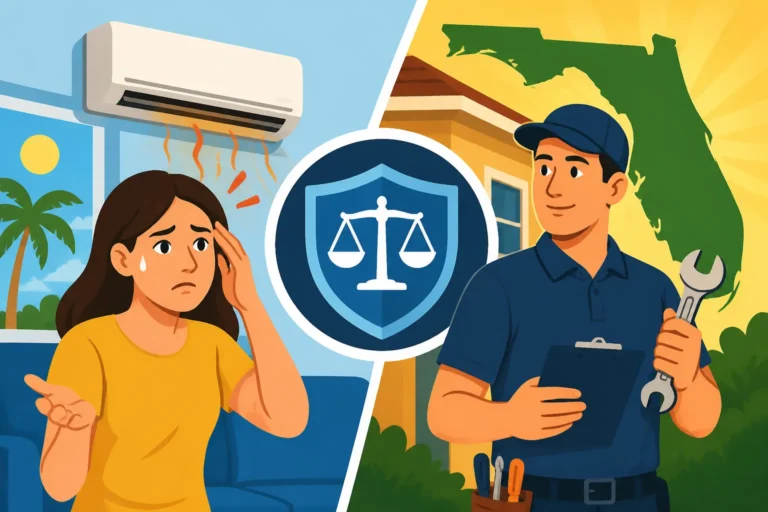
- Florida: Florida landlords must comply with applicable building, housing, and health codes, which generally include maintaining a functional plumbing system capable of providing hot water. If the landlord fails to maintain these conditions after written notice, and the issue is not remedied within seven days (or shorter for emergencies), the tenant may terminate the rental agreement. However, direct "repair and deduct" or rent withholding is not typically allowed under Florida law without very specific circumstances.
- Massachusetts: Massachusetts landlords have a strict duty to maintain a habitable dwelling, and hot water is explicitly part of that. Under sanitary codes, landlords must provide hot water at a constant minimum temperature. If not, tenants can withhold rent (by placing it in escrow), use the "repair and deduct" remedy, or even break the lease. However, these steps come with very specific legal requirements and strict conditions, so professional advice is highly recommended.
Summary of General State Approaches to Hot Water Issues
| State/Category | Typical Repair Timeline (after notice) | Common Tenant Remedies | Self-Help Risk |
|---|---|---|---|
| California | 24-72 hours for essential services | Repair & Deduct, Withhold Rent (limited), Lease Termination, Sue | High (Strict rules for Repair & Deduct) |
| New York | Immediately or within 24-72 hours (NYC) | Report to HPD, Rent Abatement (Court Order), Sue | Medium (Escrow often needed) |
| Texas | "Reasonable period" (often 7 days, faster for emergencies) | Lease Termination, Sue | High (Rent withholding generally illegal) |
| Florida | 7 days (shorter for emergencies) | Lease Termination, Sue | High (Rent withholding generally illegal) |
| Massachusetts | "Reasonable time" (often 24-72 hours for essentials) | Withhold Rent (escrow), Repair & Deduct, Lease Termination, Sue | Medium (Strict rules, requires escrow) |
| General Rule | Varies, but usually 24-72 hours for essential services | Written notice, report to housing authority, small claims, lease termination | Varies wildly, proceed with caution |
Note: This table provides general guidance. Always consult your specific state and local laws.
Your Options When the Landlord Doesn't Act
If you've given proper written notice, documented everything diligently, and your landlord still hasn't fixed the hot water issue within the legal or reasonable timeframe for your state, it's time to consider your next steps. These options can range from slightly assertive to legally significant, and each carries its own set of risks and benefits. It's also where you might realize the value of having a proactive landlord, perhaps one who uses services like Steadily for their property management and insurance needs, ensuring they're on top of maintenance to avoid liability.
Withholding Rent or Repair and Deduct
These are often the most controversial and highest-risk options for tenants. They involve either refusing to pay rent or paying for the repair yourself and subtracting it from your next rent payment.
- Withholding Rent: In some states, like Massachusetts or Arizona (under specific conditions), you might be legally allowed to withhold a portion of your rent if an essential service like hot water is not provided. However, this is rarely about simply not paying. You're typically required to place the rent money into an escrow account – a separate bank account managed by a third party – to show you have the funds but are withholding them until the repair is made. If you simply don't pay rent, your landlord could initiate an eviction process for non-payment, even if they're in the wrong about the hot water. It's a complex process that demands careful adherence to state law, and you can learn more about it in our article on Withholding Rent & Rent Escrow.
- Repair and Deduct: This remedy allows you to arrange for and pay for the hot water repair yourself, and then deduct the cost from your next rent payment. Again, this is highly state-specific and comes with strict limitations. For example, in California, you can generally only use this method twice in a 12-month period, and the cost of the repair cannot exceed one month's rent. You must also have given proper notice and a reasonable amount of time for the landlord to act. If you don't follow the rules precisely, your landlord could claim you underpaid rent, leading to eviction. Always research your state's Repair and Deduct by State laws thoroughly before attempting this.
Pursuing Legal Action or Reporting to Authorities
If self-help remedies are too risky or not allowed in your state, or if the problem persists, legal avenues are your next best bet.
- Contacting Housing Authorities: Many cities and counties have housing departments or code enforcement agencies that can investigate complaints about uninhabitable conditions. For instance, in cities like New York, the HPD is a powerful resource. They can inspect your unit, issue violations to your landlord, and even fine them or compel repairs. This is often a good first step because it puts official pressure on the landlord without you having to go to court directly. Our guide on How to Report a Landlord Code Violations & Retaliation can offer more insights.
- Small Claims Court: You can sue your landlord in small claims court for damages incurred due to the lack of hot water. This could include the cost of temporary lodging, gym memberships for showers, or even a reduction in the rental value of your unit for the period you were without hot water. While it's a court process, small claims is designed to be accessible to individuals without lawyers.
- Seeking Legal Aid: If you're feeling overwhelmed, contacting a local legal aid society or a tenant rights organization can provide invaluable assistance. They can advise you on your specific state and local laws, help you draft letters, and even represent you in court if necessary.
Breaking the Lease for Uninhabitable Conditions
In extreme cases, if the lack of hot water makes your unit truly uninhabitable and your landlord has failed to remedy the situation after proper notice and time, you might have grounds to break your lease without penalty. This is a severe step and should only be considered after exploring all other options and preferably with legal advice. When a lease is broken due to uninhabitable conditions, it's essentially a "constructive eviction," meaning the landlord's failure to maintain the property forced you out.
However, you must be able to prove that the conditions were so severe they amounted to a breach of the implied warranty of habitability, and that your landlord was given ample opportunity to fix it. Without hot water for an extended period, especially in colder climates, this can certainly be a valid claim. For more on this, check out our guide on Breaking a Lease Due to Mold or Uninhabitable Conditions. Remember, renter's insurance providers like Lemonade might cover your personal property in a disaster, but they don't step in to resolve landlord-tenant disputes over habitability. The onus is on you to understand your rights and act accordingly.
Disclaimer
This article is for general informational purposes only and does not constitute professional advice. Laws and regulations vary by location and change over time. Consult a qualified professional for guidance on your specific situation.