Landlord Repair Duties & Timelines in Alabama
It’s a tale as old as time for renters: something breaks in your apartment, you notify your landlord, and then… crickets. Or worse, a vague promise that never materializes into actual repairs. It’s incredibly frustrating when your living space isn't up to par, and you feel stuck, wondering what your landlord is actually required to fix and how long they have to do it. This comprehensive guide is here to shed light on landlord repair duties and timelines specifically in Alabama, helping you understand your rights and the steps you can take to get those much-needed repairs addressed.
The Unique Landscape of Landlord-Tenant Law in Alabama
Before we dive deep, it's really important to understand that Alabama's landlord-tenant laws are quite different from many other states. Unlike places that have adopted comprehensive legislation like the Uniform Residential Landlord and Tenant Act (URLTA), Alabama primarily relies on a combination of common law principles (which are based on court decisions and customs) and individual lease agreements. This means that your lease is often the most critical document defining repair responsibilities.
No Statewide URLTA: What That Means for You
Many tenants moving from other states might be surprised to learn that Alabama has not adopted the Uniform Residential Landlord and Tenant Act (URLTA) on a statewide basis. This is a big deal because the URLTA sets out clear, consistent rules for both landlords and tenants, including explicit duties regarding property maintenance and specific timelines for repairs. Without it, Alabama defaults to a more traditional, and often less tenant-favorable, legal framework.
What does this mean in practical terms? It means there's less statutory protection for tenants when it comes to specific repair timelines or the "repair and deduct" remedy that's common elsewhere. Instead, the details of your lease agreement carry significant weight. If your lease is silent on a particular repair issue, you might have to rely on the general "implied warranty of habitability" doctrine, which is less defined in Alabama statute than in states with URLTA. This can feel like navigating a maze without a clear map, making it crucial to understand every line of your rental agreement.
The Power of Your Lease Agreement
Since Alabama law isn't as prescriptive as some other states, your lease agreement truly becomes your legal bible. It's not just a formality; it's a binding contract that dictates most of the specific responsibilities for both you and your landlord. This is where you'll find explicit details about who is responsible for what kind of maintenance, how to report issues, and sometimes even the expected response times.
Always, and I mean always, read your lease thoroughly before signing. If there's anything unclear about repairs, ask for clarification and get it in writing. A well-drafted lease, perhaps one generated by a property management platform like TurboTenant, will often include clauses addressing maintenance, emergency repairs, and tenant responsibilities. Without specific terms in your lease, you’re often left relying on broader legal concepts that are harder to enforce without a clear path.
General Landlord Repair Duties in Alabama
Even without comprehensive statutory guidelines, Alabama landlords still have fundamental duties to ensure their rental properties are safe and habitable. These duties are rooted in the implied warranty of habitability, which essentially means a landlord must provide a living space that is fit for human habitation. This isn't usually spelled out with exact detail in Alabama statutes but is generally recognized by the courts.
Maintaining a Habitable Living Space
The implied warranty of habitability is your landlord's most basic duty. It means the property must be safe, structurally sound, and provide essential services. Think of it this way: could you reasonably live there without significant health or safety risks?
This generally includes:
- Structural Integrity: The roof shouldn't be caving in, the floors shouldn't be rotting, and the walls should be intact.
- Essential Utilities: Access to running water, a reasonable amount of hot water, adequate heat (especially during colder months), and safe electricity. While AC isn't always considered essential, if it was provided as part of the rental, its functionality can become a point of contention.
- Pest Control: While the lease often clarifies who is responsible for pest control, a severe infestation (like rats or cockroaches) that renders the property uninhabitable usually falls to the landlord, especially if it was present at move-in or caused by structural issues.
- Sanitation: A functional plumbing system, including toilets and sinks, that is free from major leaks or blockages.
- Safety Features: Working locks on doors and windows, and smoke detectors.
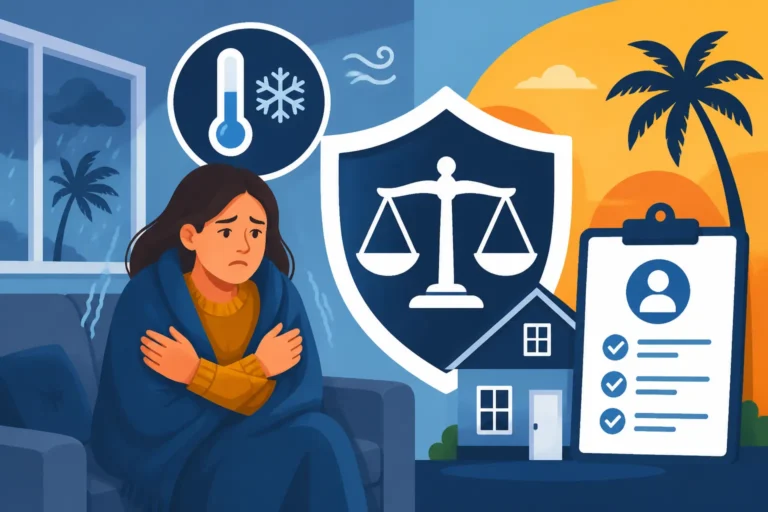
For example, if the furnace completely breaks down in January in Huntsville, Alabama, rendering your apartment freezing cold, that would almost certainly fall under the landlord's responsibility to repair as it affects habitability. However, a flickering light bulb in the pantry? Probably not an immediate habitability issue.
What is Not a Landlord's Responsibility
It's equally important to understand what your landlord is typically not responsible for. Generally, landlords are not responsible for repairs needed due to:
- Tenant Damage: If you, a guest, or your pet caused the damage (e.g., a hole punched in the wall, a broken window from a dropped item), it's your responsibility to repair it or pay for its repair.
- Minor Wear and Tear: Scuffs on walls, faded paint, loose doorknobs – these are usually considered "normal wear and tear" and are not the landlord's duty during your tenancy. They are typically addressed between tenancies. You can learn more about Normal Wear and Tear vs Damage: Complete Guide.
- Items Not Included in the Lease: If the lease doesn't specify appliances are included or maintained by the landlord, then their repair might not be their responsibility. This is rare for major appliances like refrigerators or stoves in an unfurnished unit, but common for things like personal portable dishwashers or washing machines you bring in.
- Your Personal Belongings: This is where renters insurance comes in. Your landlord's insurance covers the building structure, but not your couch, electronics, or clothes if they're damaged by a leaky pipe or fire. Companies like Lemonade or Steadily offer affordable renters insurance that can be a real lifesaver.
Knowing these distinctions can save you a lot of headache and potential disputes down the road.
Repair Timelines: What Alabama Law Says (and Doesn't Say)
Here's where things get a bit tricky in Alabama. Unlike many states with explicit deadlines, Alabama landlord-tenant law does not set specific, statewide timeframes for landlords to complete repairs. This lack of explicit statutory guidance can leave both tenants and landlords feeling unsure about what constitutes a "reasonable" amount of time.
The Concept of "Reasonable Time"
Since there aren't hard and fast rules, Alabama courts generally refer to the concept of "reasonable time" for repairs. What's considered "reasonable" can depend heavily on the severity of the issue and the impact it has on the tenant's health, safety, and ability to use the property.
- Emergency Repairs: For critical issues that pose an immediate threat to health or safety (e.g., no heat in winter, burst pipes, major electrical failures), "reasonable time" is usually very short – often within 24 to 72 hours. A landlord failing to address these promptly could be seen as a breach of the implied warranty of habitability.
- Non-Emergency Repairs: For less urgent issues (e.g., a leaky faucet, a broken dishwasher, a minor crack in the wall), "reasonable time" could be anywhere from a few days to a couple of weeks, depending on the complexity of the repair, availability of parts, and scheduling. There’s no legal definition, so it often comes down to common sense and good communication.
This ambiguity highlights why clear communication and a well-documented process are so important for both parties.
Table: General Guidelines for Repair Timelines
While Alabama law doesn't provide strict timelines, we can look at what's generally considered reasonable based on the nature of the repair. This table is for guidance only and does not represent legal mandates in Alabama, which primarily depend on your lease.
| Repair Type | Typical Urgency | Generally Expected Response/Completion Time (Not Law) | Notes |
|---|---|---|---|
| No Heat / No Hot Water | High | 24-72 hours (especially in cold weather) | Directly impacts habitability and health. Landlord should address immediately. |
| Major Water Leaks / Flooding | High | Immediately (within hours to stop damage) | Can cause significant property damage and safety hazards (e.g., electrical). Landlord needs to stop the source, then begin repairs. |
| Electrical Outages (partial/full) | High | 24-48 hours (if not neighborhood-wide) | Electrical issues can be fire hazards and disrupt essential services. |
| Non-functional Toilet (only one) | High | 24-48 hours | If it's the only toilet in the unit, it's a habitability concern. |
| Broken Entry Door Lock | High | Immediately (within hours for temporary fix, 24 hours for permanent) | Security risk. Landlord should provide immediate temporary solution and permanent repair quickly. |
| Major Pest Infestation | Medium-High | 3-7 days to initiate treatment | While not an instant danger, severe infestations impact health and enjoyment of the property. Landlord should act swiftly to assess and begin treatment. |
| Broken Major Appliance (fridge, stove) | Medium | 3-7 business days | Essential for daily living, but not an immediate life threat. Time often depends on parts availability and technician scheduling. |
| Minor Leaks (faucet, toilet) | Low-Medium | 5-14 business days | Annoying and can lead to water waste/damage, but usually not an immediate habitability issue if not actively flooding. |
| Minor Cosmetic Issues (paint, small cracks) | Low | At landlord's discretion, often during tenancy turnover | Generally not considered essential for habitability. May be addressed only if convenient or if multiple minor issues accumulate. |
It's always a good idea to refer to your lease, as it might contain more specific clauses regarding these timelines.
What to Do If Your Landlord Isn't Making Repairs
Feeling powerless when your landlord drags their feet on repairs is a common, and completely valid, frustration. Since Alabama law isn't as robust with specific tenant remedies as some other states, a strategic approach is key.
Step 1: Document Everything and Communicate in Writing
This cannot be stressed enough: documentation is your best friend. As soon as you notice a repair issue, start a paper trail.
- Take Photos and Videos: Capture the damage, including timestamps if possible. Show the scope of the problem.
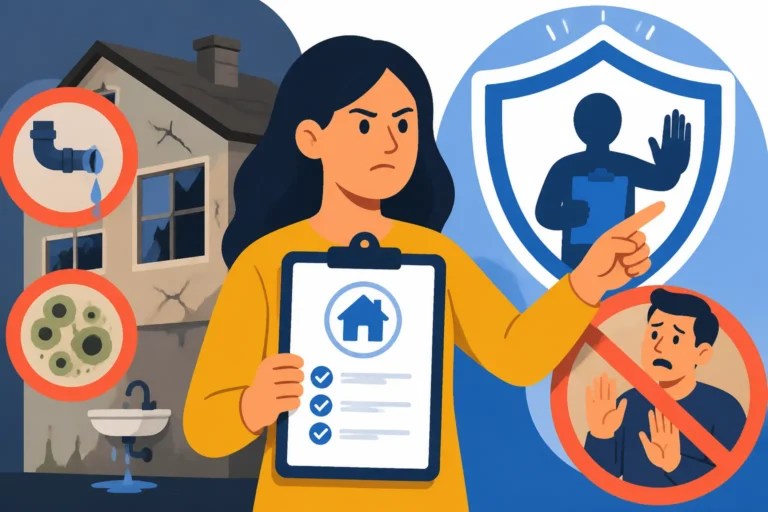
- Write a Formal Repair Request: Don't just call or text. Send a written letter or email to your landlord, property manager, or whoever is designated in your lease for repair requests. Clearly describe the issue, the date you noticed it, and how it impacts your living situation. Keep a copy for your records. This is critical for showing you gave proper notice. You can find detailed guidance on How to Request Repairs in Writing.
- Keep a Log: Note down every communication you have regarding the repair: who you spoke to, what was discussed, and the date and time.
- Certified Mail: For really serious issues, consider sending your written request via certified mail with a return receipt requested. This provides undeniable proof that your landlord received the notice.
This paper trail will be invaluable if you ever need to take further action, demonstrating that you followed proper procedures and gave your landlord ample opportunity to fix the problem.
Step 2: Understand Your (Limited) Options for Withholding Rent or Repair and Deduct
In many states, if a landlord fails to make necessary repairs after proper notice, tenants might have options like "repair and deduct" (making the repair and deducting the cost from rent) or withholding rent. In Alabama, these options are generally not recognized by statute and can be very risky.
- Withholding Rent: Alabama law does not explicitly allow tenants to withhold rent for repairs. If you do so, even for a valid habitability issue, your landlord could initiate an eviction process for non-payment of rent. This is a severe consequence and should generally be avoided unless you've consulted with a legal professional.
- Repair and Deduct: Similarly, Alabama law does not explicitly grant tenants the right to repair and deduct costs from rent. Doing so could also be seen as a breach of your lease agreement, leading to potential eviction or a lawsuit for unpaid rent.
Because of this, it's critical to exhaust all other options and seek legal advice before considering anything that involves not paying your full rent.
Step 3: Legal Avenues and Breaking the Lease
If your landlord continues to neglect essential repairs that impact habitability, and after repeated written communication, you still have no resolution, you might need to explore more serious options.
- Constructive Eviction: This is a legal term where the landlord's actions (or inactions) make the property so uninhabitable that you are forced to move out. If successful in proving constructive eviction, you might be able to break your lease without penalty. However, proving this in court can be challenging and often requires a truly severe, unaddressed problem. Document everything about how the issue makes the apartment uninhabitable, and consult an attorney immediately if you're considering this path. Learning about Constructive Eviction Explained can give you a better grasp of this complex legal concept.
- Small Claims Court: You might be able to sue your landlord in small claims court for damages caused by their failure to make repairs (e.g., the cost of temporary housing, damaged property if you have no renters insurance, or a partial refund of rent for the period the property was uninhabitable). The maximum amount you can sue for in Alabama small claims court is typically $6,000. Again, having that detailed documentation is absolutely key.
- Reporting Code Violations: If the issue violates local housing codes (e.g., severe electrical problems, structural hazards, lack of smoke detectors), you can report your landlord to your local city or county housing authority or code enforcement office. They can inspect the property and, if violations are found, order the landlord to make repairs. This can be an effective way to get official action without directly engaging in a legal battle yourself. Read more about How to Report a Landlord (Code Violations & Retaliation).
Remember, these steps can be complex and intimidating, especially without clear statutory protections. Always consult with a landlord-tenant attorney in Alabama to understand the specifics of your situation and the best course of action.
Proactive Steps for Tenants and Landlords
Navigating repair issues doesn't have to be a constant battle. Both tenants and landlords can take proactive steps to ensure a smoother process and fewer misunderstandings.
For Tenants: Be Prepared and Proactive
- Thorough Move-In Inspection: Before you even unpack, conduct a detailed move-in inspection. Document everything with photos and notes. This creates a baseline for the condition of the property and protects you from being blamed for pre-existing damage. A comprehensive Move-In / Move-Out Inspection Guide can walk you through this process.
- Understand Your Lease: We've said it before, but read your lease! Know what it says about repairs, reporting procedures, and your responsibilities.
- Obtain Renters Insurance: Seriously, don't skip this. Landlord insurance doesn't cover your personal property. For a relatively low monthly cost, a policy from providers like Lemonade or Steadily can cover your belongings against theft, fire, and certain types of water damage. It also often includes liability coverage if someone is injured in your rental.
- Timely Reporting: Report repair issues as soon as they arise, following the proper procedures outlined in your lease. Don't wait for a small problem to become a big one.
- Maintain Your Unit: Keep your rental clean and address minor maintenance issues that are your responsibility (e.g., changing light bulbs, replacing air filters, keeping drains clear).
For Landlords: Clear Communication and Responsiveness
- Detailed Lease Agreements: Provide clear, comprehensive lease agreements that explicitly define repair responsibilities, reporting procedures, and expectations for both parties. Consider using professional templates or services that ensure legal compliance, especially in a state like Alabama where lease terms are paramount. Platforms like TurboTenant can help landlords manage leases and repair requests effectively.
- Prompt Communication: When a tenant reports an issue, acknowledge receipt of their request quickly. Even if you can't fix it immediately, a simple "Received your request, scheduling a contractor, will update you by [date]" goes a long way.
- Timely Repairs: Strive to complete repairs in a reasonable timeframe, especially for issues impacting habitability. For emergency repairs, have a system in place for rapid response.
- Regular Maintenance: Proactive maintenance can prevent many major repair issues. Schedule routine inspections and address potential problems before they become emergencies.
- Landlord Insurance: Just as tenants need renters insurance, landlords need robust landlord insurance to protect their investment against property damage, liability claims, and lost rental income. Providers like Steadily often specialize in policies for rental property owners.
By taking these steps, both tenants and landlords can foster a better living situation and minimize disputes over repairs.
Final Thoughts on Navigating Repairs in Alabama
While Alabama's landlord-tenant laws might not offer the same explicit protections and remedies as some other states, understanding the nuances is crucial. Your lease agreement and diligent documentation are your strongest tools. Don't be afraid to assert your rights politely but firmly, always backing your requests with clear communication and evidence. If you're ever in doubt, particularly with significant repair issues, seeking advice from a local attorney specializing in landlord-tenant law is always the safest bet.
Disclaimer
Please remember, this guide provides general information about landlord-tenant laws in Alabama and is not a substitute for legal advice. Landlord-tenant laws can be complex and may vary based on specific circumstances, local ordinances, and court interpretations. If you have a legal issue, it is highly recommended to consult with a qualified attorney in your jurisdiction.