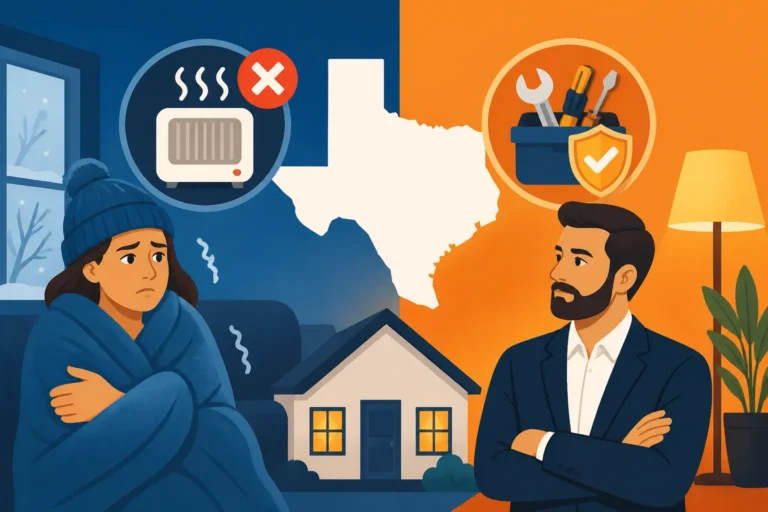
What Are a Tenant’s Maintenance Responsibilities?
Moving into a new rental can feel like a breath of fresh air, but it also comes with a whole new set of responsibilities that aren't always crystal clear. Many renters find themselves scratching their heads, wondering what exactly they're on the hook for when it comes to keeping their place in tip-top shape versus what their landlord should be handling. This comprehensive guide will walk you through the typical tenant maintenance responsibilities, helping you understand your duties and avoid misunderstandings, potential deductions from your security deposit, or even legal trouble.
Understanding Your Basic Responsibilities in a Rental Unit
It’s easy to think of a rental as "not your property," and while that's true, you still have a significant role to play in its upkeep. Think of it like borrowing a friend's car – you wouldn't trash it, right? Your rental home deserves the same respect and care. Most of these basic responsibilities boil down to common sense and are often outlined in your lease agreement.
Keeping the Rental Unit Clean and Sanitary
This is probably the most fundamental expectation for any tenant. Your landlord isn't your maid service, and a reasonable level of cleanliness is required not just for aesthetics but for preventing pest infestations, mold, and general deterioration of the property. This means consistent, routine cleaning of all areas.
For example, regularly cleaning your bathroom to prevent mildew and grime buildup, wiping down kitchen counters and appliances after use, and promptly dealing with spills are all part of basic sanitary upkeep. It also extends to proper trash disposal—making sure garbage is bagged, removed regularly, and stored in appropriate receptacles to avoid attracting pests. In apartment complexes, this also means being mindful of shared spaces, like hallways or laundry rooms, if your lease specifies. Neglecting these simple tasks can lead to larger issues down the line that could ultimately be deducted from your security deposit, or worse, deemed a breach of your lease agreement.
Proper Use of Appliances and Facilities
When you move into a rental, you're usually inheriting a set of appliances and fixtures that belong to the landlord. These might include a refrigerator, stove, dishwasher, washing machine, and dryer, as well as plumbing fixtures and HVAC systems. Your responsibility is to use these items for their intended purpose and in a reasonable manner.
This means not overloading the washing machine to the point of breaking it, using the garbage disposal correctly (and not treating it like a trash can for non-food items!), and operating heating and cooling systems appropriately. For instance, if you constantly leave windows open while the AC is blasting, that could be seen as misuse, causing excessive wear and tear on the unit. Understanding that these are not your personal items to abuse is key. If an appliance breaks down due to your negligence or improper use, you could be liable for the repair costs. This distinction is crucial and often highlighted in discussions around Landlord vs Tenant Repair Responsibilities.
Notifying Your Landlord of Issues Promptly
One of the most important responsibilities you have as a tenant is to communicate effectively with your landlord. This isn't just about being polite; it's about protecting yourself and the property. If you notice a leak, a strange smell, a faulty appliance, or any other issue that could escalate, you have a duty to inform your landlord or property manager as soon as possible.
Delaying notification can turn a small, easily fixable problem into a major, costly disaster. Imagine a small drip under the sink that you ignore for weeks; it could lead to significant water damage, mold growth, and structural issues. When you finally report it, the landlord might argue that your delay contributed to the extent of the damage, making you partially responsible for the repairs. Always provide notice in writing, whether it’s an email, a message through a tenant portal (many modern landlords use platforms like TurboTenant for this), or a certified letter. This creates a paper trail, which is invaluable if a dispute arises. For guidance on how to properly document and send these notifications, you might want to look into How to Request Repairs in Writing.
Addressing Minor Repairs and Preventative Maintenance
Beyond just keeping things clean, there are often small, everyday maintenance tasks that fall squarely on the tenant's shoulders. These are typically things that don't require specialized skills or significant expense and are part of living responsibly in any home.
Changing Light Bulbs and Smoke Detector Batteries
These are classic examples of minor maintenance tasks tenants are almost always expected to handle. When a light bulb burns out, it’s usually on you to replace it. The same goes for smoke detector and carbon monoxide detector batteries. These are critical safety items, and ensuring they are functioning properly is a tenant's responsibility.
You should test your smoke detectors monthly and change the batteries at least once a year, or as recommended by the manufacturer. Some leases might even specify this. Neglecting to replace these batteries could not only endanger your life but also be a lease violation. It’s a simple, inexpensive task that demonstrates responsible tenancy.
Clearing Minor Clogs and Drains
We've all been there: a slow-draining sink or shower. For minor clogs caused by hair, soap scum, or small food particles, the responsibility often falls to the tenant to try and clear it. This usually involves using a plunger, a drain snake, or a mild chemical drain cleaner (though be cautious with harsh chemicals, as they can damage pipes).
However, there's a clear line here. If a clog is deep within the plumbing system, is caused by structural issues, or affects multiple drains in the unit, it typically becomes the landlord's problem. You shouldn't be tearing apart pipes or attempting complex plumbing repairs. If your efforts don't resolve a minor clog, or if you suspect a larger issue, that's when you should notify your landlord promptly, as discussed earlier. Knowing the difference between a DIY fix and a landlord repair is essential.
Maintaining Outdoor Spaces If Applicable
If you rent a single-family home, a duplex, or an apartment with a private patio or small yard, your lease might stipulate that you are responsible for maintaining these outdoor areas. This can include anything from mowing the lawn, watering plants, weeding, to raking leaves, and even snow removal from walkways and driveways.
It's crucial to check your lease agreement for these clauses. If it's explicitly stated, then these tasks become part of your regular maintenance duties. Neglecting them could lead to complaints from neighbors, HOA fines (which might be passed on to you), or the landlord hiring someone to do the work and then billing you for it. Even if not explicitly stated, maintaining a tidy exterior contributes to the overall appeal and value of the property, which is usually appreciated by landlords.
Distinguishing Normal Wear and Tear from Tenant Damage
This is perhaps one of the most contentious areas when it comes to security deposits. Tenants often believe something is "normal wear and tear," while landlords see it as "damage." Understanding the difference is crucial for both parties and can save a lot of headaches (and money) at move-out.
Defining Normal Wear and Tear
"Normal wear and tear" refers to the natural deterioration of a property over time due that occurs through normal, everyday use, even with reasonable care. It’s unavoidable, and landlords cannot legally deduct from your security deposit for it.
Examples of normal wear and tear include:
- Faded paint or small scuff marks on walls: Over time, paint naturally dulls, and minor marks happen from moving furniture or daily activity.
- Worn carpet paths: The carpet in high-traffic areas (hallways, living room) will naturally show wear over years of use.
- Loose door handles or cabinet hinges: With constant opening and closing, these can become a bit wobbly.
- Minor scratches on hardwood floors: From foot traffic, not from dragging heavy furniture without protection.
- Faded curtains or blinds: Sun exposure can cause fabric to lose its color.
- Minor warping of doors or windows: Due to changes in humidity and temperature over time.
It’s important to remember that the age of the property and its components plays a big role here. A brand-new apartment will show less wear and tear after a year than an older unit after five years. For a deeper dive into this often-misunderstood topic, check out our guide on Normal Wear and Tear vs Damage: Complete Guide.
Understanding Tenant-Caused Damage
Tenant-caused damage, on the other hand, is deterioration that results from a tenant's negligence, abuse, carelessness, or accident. This goes beyond the expected breakdown of items from normal use and typically costs money to repair. Landlords can deduct the cost of repairing such damage from your security deposit.
Examples of tenant-caused damage include:
- Large holes in walls: From carelessly hanging pictures, angry fists, or furniture impacts.
- Pet stains or odors in carpets: Accidents from pets, leading to irreversible damage or lingering smells.
- Broken windows or mirrors: From impact, not from structural failure.
- Missing or broken fixtures: Such as light fixtures, cabinet doors, or toilet seats that are not merely loose but actually broken or gone.
- Burns on countertops or floors: From hot pans or dropped items.
- Crayon marks, extensive permanent marker stains, or unapproved paint jobs.
- Excessive dirtiness or filth: Beyond what normal cleaning can address, indicating long-term neglect.
It's clear to see why landlords would seek compensation for these issues. This is a common area for disputes, and understanding What Can a Landlord Deduct From a Security Deposit? is paramount for any renter.
Documenting Property Condition
This can't be stressed enough: document everything! The single best way to protect yourself from unfair security deposit deductions is to thoroughly document the condition of the property both when you move in and when you move out. This provides undeniable proof of the property's state before you arrived and after you left.
When you move in, take extensive photos and videos of every room, every wall, every appliance, and every fixture. Pay close attention to existing damage, no matter how small – scuff marks, nail holes, chipped paint, stains on carpets, scratches on floors. Date-stamp these images or videos. If your landlord provides a move-in checklist, fill it out meticulously and return it promptly, keeping a copy for yourself. Many landlords today use digital platforms for inspections, some even integrating with tools like TurboTenant for easy photo and note uploads, making this process smoother.
When you move out, repeat the process. Take photos and videos of every area, especially after you've cleaned. This demonstrates the condition you left the unit in. Having this evidence is your strongest defense against charges for damages you didn't cause or for cleaning beyond what's reasonable. For a detailed walkthrough, check out our Move-In / Move-Out Inspection Guide.
How Your Lease Agreement Shapes Your Responsibilities
Your lease agreement isn't just a piece of paper; it's a legally binding contract that outlines the specific terms of your tenancy, including your maintenance responsibilities. While there are general expectations, the lease tailors these to your specific rental unit and landlord.
Reading the Fine Print What to Look For
Before you sign anything, read your lease agreement carefully, preferably with a fine-tooth comb. Don't skim over sections that seem "boilerplate." Pay particular attention to clauses related to:
- Maintenance and Repair: What specific tasks are you responsible for? Does it mention anything about yard work, pest control (for minor issues), or specific appliance care? Does it outline the procedure for reporting maintenance issues?
- Cleaning: Are there specific cleaning expectations at move-out? For example, some leases might require professional carpet cleaning, though this is often only enforceable if the landlord paid for professional cleaning before you moved in.
- Alterations: Can you paint? Hang shelves? What constitutes "damage" versus "normal use" regarding wall hangings?
- Pet Policies: If you have pets, what are the rules regarding pet waste, damage, or cleaning?
Any terms here clarify your unique responsibilities. If something is unclear, ask your landlord for clarification in writing before you sign. Remember, once you sign, you're agreeing to those terms. Understanding What to Include in a Lease Agreement from a tenant's perspective helps you know what to expect.
Understanding State and Local Laws
While your lease agreement is paramount, it cannot supersede state or local landlord-tenant laws. These laws establish a baseline of rights and responsibilities for both landlords and tenants. For instance, many states have an "implied warranty of habitability," meaning landlords must provide a safe and livable environment, regardless of what the lease says. This implies certain Landlord Repair Responsibilities (What They Must Fix) that cannot be shifted to the tenant, even if the lease attempts to do so.
Some states or cities might have specific regulations about who is responsible for pest control, or how quickly a landlord must respond to emergency repairs like a lack of heat or hot water. For example, in New York City, landlords have stringent responsibilities regarding heat provision during colder months. If your lease states you're responsible for a repair that state law mandates is the landlord's, the state law usually prevails. Always be aware of your local tenant rights, as they provide a crucial layer of protection.
Consequences of Neglecting Your Duties
Ignoring your maintenance responsibilities can lead to several undesirable outcomes. The most common is a deduction from your security deposit to cover the cost of cleaning, repairs for damages you caused, or to bring the property back to the condition it was in when you moved in (minus normal wear and tear).
In more severe cases, persistent neglect of maintenance, especially if it leads to property damage or health hazards, can constitute a lease violation. This could result in your landlord serving you a "cure or quit" notice, giving you a certain amount of time to remedy the issue or face eviction. If the damage is extensive and costly, your landlord might even pursue legal action beyond the security deposit.
Protecting yourself also means thinking about renters insurance. Companies like Lemonade offer affordable renters insurance policies that can cover your personal belongings from theft or damage, but also provide liability coverage. This liability coverage is crucial because if you accidentally cause significant damage to the property (e.g., a burst pipe from a neglected minor issue or an accidental fire), your renters insurance might help cover the costs, saving you from a potentially enormous financial burden. It’s a small investment for significant peace of mind.
Here's a quick overview of typical responsibilities:
| Area of Maintenance | Tenant Responsibility (Generally) | Landlord Responsibility (Generally) |
|---|---|---|
| Cleanliness | Daily tidiness, trash removal, pest prevention (e.g., proper food storage) | Major pest infestations, structural cleaning (e.g., deep cleaning between tenants) |
| Minor Repairs | Light bulb replacement, smoke detector batteries, clearing minor drain clogs | Major plumbing issues, electrical problems, structural repairs |
| Appliances | Proper usage, cleaning (e.g., refrigerator, oven), reporting malfunctions | Major repairs or replacement due to normal wear and tear or malfunction |
| Outdoor Spaces | Mowing, watering, snow removal (if specified in lease) | Major landscaping, tree removal, maintaining common areas (unless specified otherwise) |
| Damage | Repairs for tenant-caused damage (accidents, negligence) | Repairs for normal wear and tear, structural damage, property defects |
| Reporting | Promptly reporting all necessary repairs or hazards | Responding to repair requests in a timely manner and making necessary repairs |
By understanding your role in maintaining your rental property, you not only ensure a more pleasant living experience but also safeguard your financial interests, particularly your security deposit. It’s about being a responsible tenant and a good steward of the place you call home.
Disclaimer
Please remember that this guide provides general information about tenant maintenance responsibilities. Landlord-tenant laws vary significantly by state and even by city. Always consult your specific lease agreement and familiarize yourself with the local laws in your area. For legal advice, it is recommended to contact a qualified attorney.