What Counts as an Emergency Repair in a Rental?
It's an awful feeling to be in your rental home when something goes seriously wrong, and you're left wondering if it's "emergency" enough for your landlord to jump into action. From a sudden lack of heat in winter to a burst pipe, knowing what truly qualifies as an emergency repair versus a standard maintenance issue can save you a lot of stress and ensure your living situation remains safe and comfortable. This guide will walk you through precisely what constitutes an emergency repair in a rental and what steps you can take to get these critical issues resolved.
Understanding What Constitutes an Emergency Repair
When we talk about "emergency repairs" in the context of a rental, we're not just talking about anything that's inconvenient or annoying. We're zeroing in on issues that directly impact your health, safety, or the habitability of your home. It's about fundamental living conditions that, if compromised, make your rental unsafe or unlivable. Think about it this way: if a repair can wait a few days without putting you or your property at risk, it's probably not an emergency. But if it needs immediate attention to prevent further damage, injury, or exposure to hazards, then you've got yourself an emergency.
Most landlord-tenant laws across the country, often rooted in the "implied warranty of habitability," require landlords to maintain rental units in a condition fit for human habitation. This means providing essential services and ensuring the property is safe. When these basic standards are violated by a sudden, severe issue, it typically falls under the emergency repair umbrella.
Health and Safety Risks
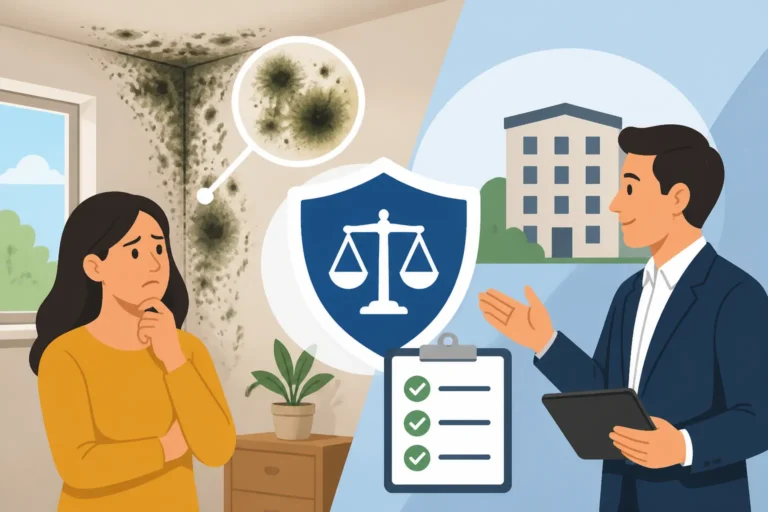
One of the primary factors in classifying a repair as an emergency is whether it poses an immediate threat to the health or safety of the occupants. This isn't just about cuts and bruises; it extends to conditions that could lead to illness or serious accidents. For instance, a collapsed ceiling isn't just an inconvenience; it could seriously injure someone or expose the living space to the elements. Similarly, a severe mold problem, if it appears suddenly and extensively, could quickly become a health hazard, especially for those with respiratory issues.
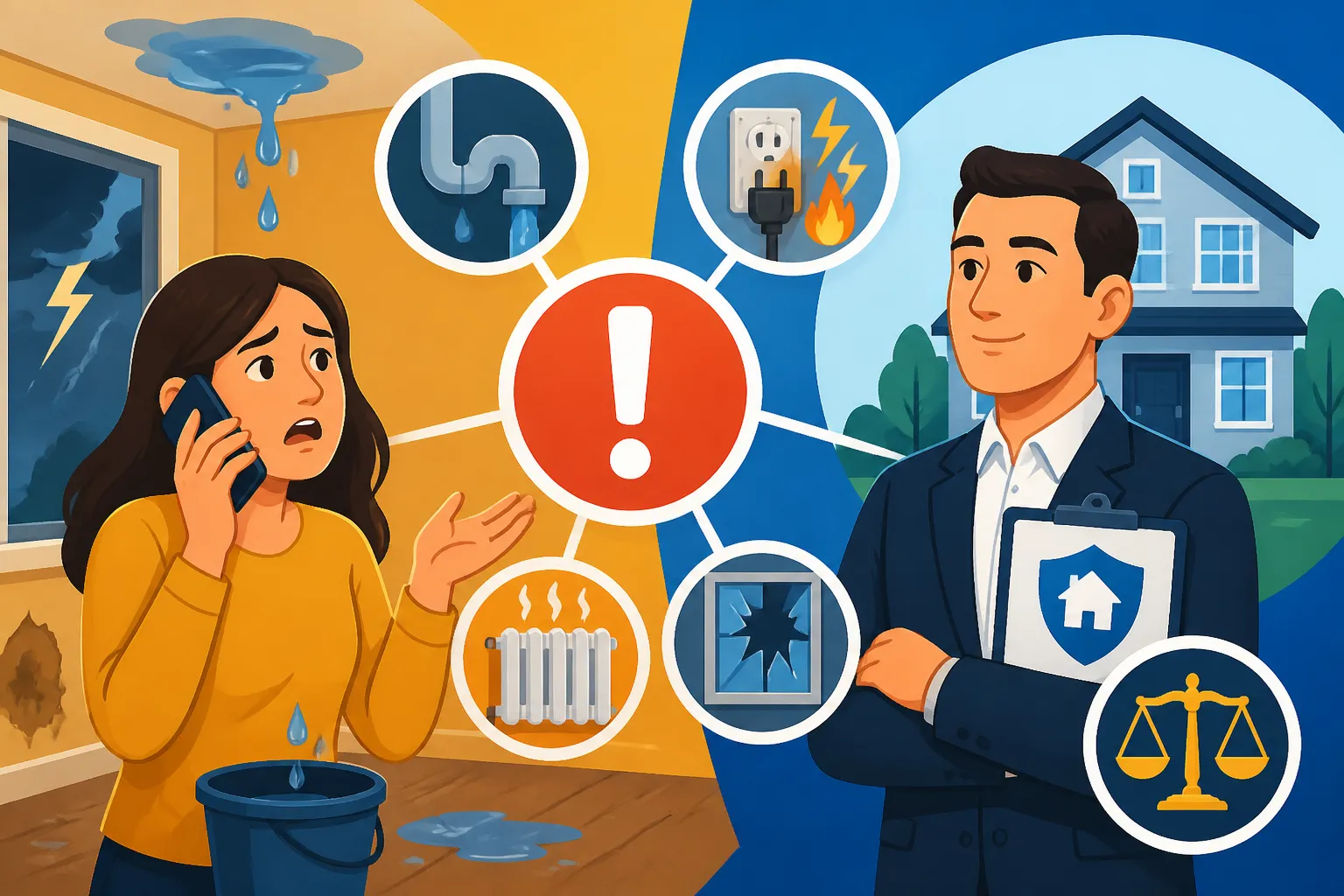
Consider a scenario where your electrical system starts sparking or smoking. This isn't something you can put off until Monday. It's an immediate fire hazard that puts everyone in the building at severe risk. Or imagine if a carbon monoxide detector goes off and you suspect a gas leak; this is a life-threatening situation that demands instant attention from your landlord and potentially emergency services. Your lease agreement should outline what constitutes an emergency, but generally, anything that makes your home dangerous or unhealthy to occupy should be considered urgent.
Essential Services Disruption
Beyond direct safety threats, an emergency repair often involves the disruption of essential services that are crucial for daily living and maintaining a habitable environment. These are the things we often take for granted until they stop working. We're talking about the basics that keep a modern home functional.
For example, a complete lack of heat during a brutal winter storm in, say, Buffalo, New York, is absolutely an emergency. Similarly, if your air conditioning completely fails in Phoenix, Arizona, during a heatwave, it becomes a health risk, especially for the elderly, young children, or those with certain medical conditions. This goes beyond mere discomfort; it’s about preventing heatstroke or hypothermia. The same goes for the lack of hot water. While you might survive a day without it, a prolonged absence of hot water can severely impact hygiene and sanitation, making it an emergency, particularly if other issues like a sewer backup are also present.
Structural Integrity Issues
Damage to the structural integrity of your rental unit is almost always an emergency. This refers to problems that compromise the physical soundness and safety of the building itself. A major roof leak, for instance, isn't just about a few drips; it can lead to extensive water damage, electrical hazards, and even structural weakening over time. If a large tree falls on your roof during a storm, that's an immediate structural concern.
Another common structural emergency involves broken windows or doors, especially those that compromise your security. If a window is shattered or a lock on an exterior door is completely broken, leaving your home vulnerable to intrusion or the elements, that requires immediate attention. It’s not just about comfort; it’s about your sense of safety and the physical integrity of your dwelling. When you report these issues, it’s helpful to understand your landlord's repair responsibilities so you can clearly articulate the urgency. Many landlords use property management tools like TurboTenant or engage with insurance providers like Steadily to manage these critical repairs efficiently.
Common Emergency Repair Scenarios
Let's get down to brass tacks and look at some of the most common issues that typically qualify as emergency repairs. Understanding these specific scenarios can help you communicate the urgency to your landlord effectively.
No Heat, Air Conditioning, or Hot Water
This is often one of the clearest-cut emergencies, especially depending on the climate and time of year.
- No Heat in Cold Weather: If your heating system completely breaks down when outdoor temperatures are freezing or near-freezing, this is a definite emergency. Prolonged exposure to cold can lead to hypothermia and burst pipes, causing even more damage. Landlords are generally required to provide adequate heating.
- No Air Conditioning in Extreme Heat: While not universally mandated like heat, in areas with exceptionally high temperatures, a non-functional AC can quickly become a health emergency. Think about the summer months in places like Florida or Texas, where temperatures can easily hit triple digits.
- No Hot Water: A complete lack of hot water is usually considered an emergency, especially if it extends beyond a day or two. It severely affects sanitation, making basic hygiene difficult. This is generally covered under the Implied Warranty of Habitability Explained by most state laws.
Significant Plumbing Issues
Plumbing problems can range from minor drips to catastrophic failures, with the latter certainly being emergencies.
- Burst Pipes or Major Leaks: A pipe bursting can flood your unit, cause extensive water damage to the property, ruin your belongings, and create electrical hazards. This needs immediate shut-off and repair.
- Sewage Backups: If sewage is backing up into your sinks, toilets, or tubs, this is a serious health hazard due to exposure to raw waste. It's unsanitary and demands immediate attention.
- No Running Water: A complete lack of running water, affecting all faucets and toilets, is an emergency because it renders your unit essentially unlivable from a sanitation standpoint.
Electrical Problems
Electrical issues can be extremely dangerous, posing fire and shock hazards.
- Sparks, Smoke, or Burning Smells: Any sign of electrical arcing, smoke, or a distinct burning smell from outlets, switches, or appliances is a critical emergency. You should immediately shut off power if possible and contact your landlord and potentially emergency services.
- Complete Power Outage (Not a Neighborhood Issue): If your unit loses all power and your neighbors still have it (indicating it's not a utility company issue), this could point to a severe internal electrical problem requiring urgent repair.
- Exposed Wires: Any exposed wiring presents an immediate risk of electrical shock and should be handled by a professional immediately.
Structural Damage and Security Breaches
When the very fabric of your home is compromised, it’s an emergency.
- Damaged or Collapsed Roof/Ceiling: A significant hole in the roof or a ceiling collapse can expose your unit to the elements, cause water damage, and pose a direct physical threat to occupants.
- Broken Exterior Doors or Windows (Affecting Security): If an exterior door is unable to lock, or a window is completely shattered and can't be secured, your home is vulnerable. This is an immediate security risk and needs prompt repair.
- Gas Leaks: The smell of natural gas or a carbon monoxide alarm sounding should always be treated as an extreme emergency. Evacuate immediately and contact your gas company and landlord.
Severe Pest Infestations
While a few ants or spiders might not be an emergency, some infestations absolutely are.
- Rodents (Rats/Mice): A severe and sudden rodent infestation, especially if it compromises sanitation, food safety, or poses a risk of disease, can be an emergency. They can also chew through wiring, creating fire hazards.
- Bed Bugs/Cockroaches (Severe): While often a process to resolve, a widespread and severe infestation of bed bugs or cockroaches can make a unit uninhabitable due to extreme discomfort and health concerns. Landlord responsibilities regarding pest control can vary, but severe cases often warrant urgent action.
Here's a quick reference table to help distinguish between emergencies and non-emergencies:
| Type of Issue | Emergency Repair (Requires Immediate Action) | Non-Emergency Repair (Can Wait for Standard Processing) |
|---|---|---|
| Heating/Cooling | No heat in freezing temps; No AC in extreme heat; No hot water | Minor draft; Broken fan; Leaky faucet (slow drip); Toilet running |
| Plumbing | Burst pipe; Sewage backup; No running water | Slow drain; Clogged toilet (if another is functional); Dripping faucet |
| Electrical | Sparks/smoke; Complete power outage (not utility); Exposed wiring | Flickering light; Non-working outlet (if others are functional); Tripping breaker |
| Structural/Security | Collapsed ceiling; Broken exterior door/window lock; Gas leak | Cracks in wall (non-structural); Damaged screen door; Minor roof leak (small drip) |
| Pests | Severe rodent infestation; Severe bed bugs/cockroaches impacting habitability | Occasional ants; Spiders; Small, isolated insect issue |
| Appliances | Refrigerator completely out (if provided by landlord and no alternative); Oven not heating at all. | Stove burner not working (if others are functional); Dishwasher broken; Microwave broken. |
Differentiating Emergency from Non-Emergency Repairs
It's crucial to distinguish between a genuine emergency and something that, while inconvenient, doesn't pose an immediate threat. Mislabeling a non-emergency as urgent can strain your relationship with your landlord or property manager and potentially lead to slower responses when a real emergency arises.
What Doesn't Qualify as an Emergency
Many common household nuisances, while frustrating, generally do not meet the criteria for an emergency repair. These are issues that can typically be addressed during regular business hours within a reasonable timeframe, often within 24 to 48 hours for somewhat urgent but not critical items, or a few days to a week for less pressing ones.
For instance, a single clogged drain that can be worked around with another sink, or a dripping faucet, is usually not an emergency. The same goes for a broken appliance like a dishwasher or a microwave (unless it's the only cooking method provided by the landlord, and its absence genuinely impacts your ability to prepare food, which is rare). A slow internet connection, while incredibly annoying in our modern world, is also not considered an emergency repair that your landlord must address under habitability laws. Even minor leaks that are contained and not causing immediate damage usually fall into the non-emergency category. Landlords and tenants often use platforms like TurboTenant or engage with a property management company to streamline the process for these routine maintenance requests.
The "Reasonable Time" Factor
The concept of "reasonable time" is critical here. For emergencies, "reasonable time" usually means immediately or within a few hours to mitigate danger. For non-emergencies, it can vary significantly depending on the issue's severity, the availability of parts or technicians, and state laws. Many states outline specific timelines for landlords to address repairs, usually categorizing them based on urgency. For instance, in California, a landlord typically has 24 hours to address emergencies like a lack of heat or water, while non-emergency repairs might have a 30-day window.
It's always a good idea to know your state's specific Landlord Repair Responsibilities. For example, a broken refrigerator might not be an emergency in the same way a burst pipe is, but it's still an essential appliance. Your landlord would still need to address it in a "reasonable" amount of time, perhaps within a day or two to prevent food spoilage, but not necessarily in the middle of the night.
Your Role in Reporting Emergency Repairs
When an emergency repair crops up, your immediate actions are vital. Clear communication and proper documentation can make a world of difference in how quickly and effectively the issue is resolved.
Immediate Steps to Take
As soon as you identify what you believe is an emergency repair, here’s what you should do:
- Ensure Safety First: If it's a gas leak, evacuate immediately and call the gas company from a safe distance. If it's an electrical fire, cut the power at the main breaker if it's safe to do so, and call 911. Your personal safety is paramount.
- Attempt to Mitigate Damage (If Safe): For a burst pipe, locate the main water shut-off valve to prevent further flooding. For a broken window, try to cover it with cardboard or a board if you can safely access it, to maintain some security and keep the elements out.
- Document the Issue: Take photos or videos of the problem. Capture the date and time. This visual evidence will be invaluable in communicating with your landlord and if any disputes arise later.
- Notify Your Landlord/Property Manager Immediately: This is critical. Use the method specified in your lease for emergency contact. Most leases will provide an emergency phone number, email, or a portal through a service like TurboTenant or Buildium. If you call, follow up with an email or text message to create a written record of your notification. Make sure to clearly state that it is an emergency and describe the nature of the problem, including any safety hazards.
Remember, following up in writing is key. Even if you've called and spoken to someone, sending a quick email summarizing the conversation and reiterating the urgent nature of the repair provides a timestamped record that can be crucial if delays occur. This aligns with advice in guides like How to Request Repairs in Writing.
What to Do If Your Landlord is Unresponsive
It's incredibly frustrating when you've done everything right—identified an emergency, documented it, and contacted your landlord—only to be met with silence or slow action. Unfortunately, this happens more often than it should.
- Follow Up Relentlessly (and Document Everything): Keep calling and emailing. Each time, note the date, time, who you spoke with (if anyone), and what was discussed. If your landlord or property manager has an emergency line, use it repeatedly.
- Review Your Lease and State Laws: Your lease agreement might outline procedures for unresponsive landlords during emergencies. More importantly, state landlord-tenant laws often specify what recourse tenants have when landlords fail to make emergency repairs. This could include the right to Repair and Deduct by State (though this is risky and often requires specific procedures), or even the right to withhold rent and place it in an escrow account, a process known as Withholding Rent and Rent Escrow. It's crucial to understand that these actions have strict legal requirements, and you should proceed with caution and potentially legal advice.
- Contact Local Housing Authorities or Tenant Rights Organizations: In many cities and counties, there are housing departments or non-profit tenant rights groups that can provide advice, mediate, or even inspect your property for code violations. For example, in Los Angeles, you might contact the Housing Department; in New York City, Housing Preservation and Development (HPD) is the go-to.
- Seek Legal Advice: If the situation is dire and your landlord remains unresponsive, consulting a landlord-tenant attorney or legal aid society is a wise step. They can explain your rights and the best legal path forward, which might include suing your landlord for damages or seeking a court order to compel repairs. Some landlords protect themselves with landlord insurance from providers like Lemonade or Steadily, which often includes liability coverage that might come into play if their negligence leads to damages, but your immediate concern is resolving the issue.
Always remember, dealing with emergency repairs can be stressful, but by understanding your rights and responsibilities, you can navigate these challenging situations more effectively and ensure your home remains safe and habitable.
Disclaimer
Please note that this guide provides general information about landlord-tenant laws and emergency repairs. Landlord-tenant laws vary significantly by state, county, and even city. It is always recommended to consult your specific lease agreement and seek legal advice from a qualified attorney or local housing authority regarding your individual situation and local regulations. This information is not intended as legal advice.