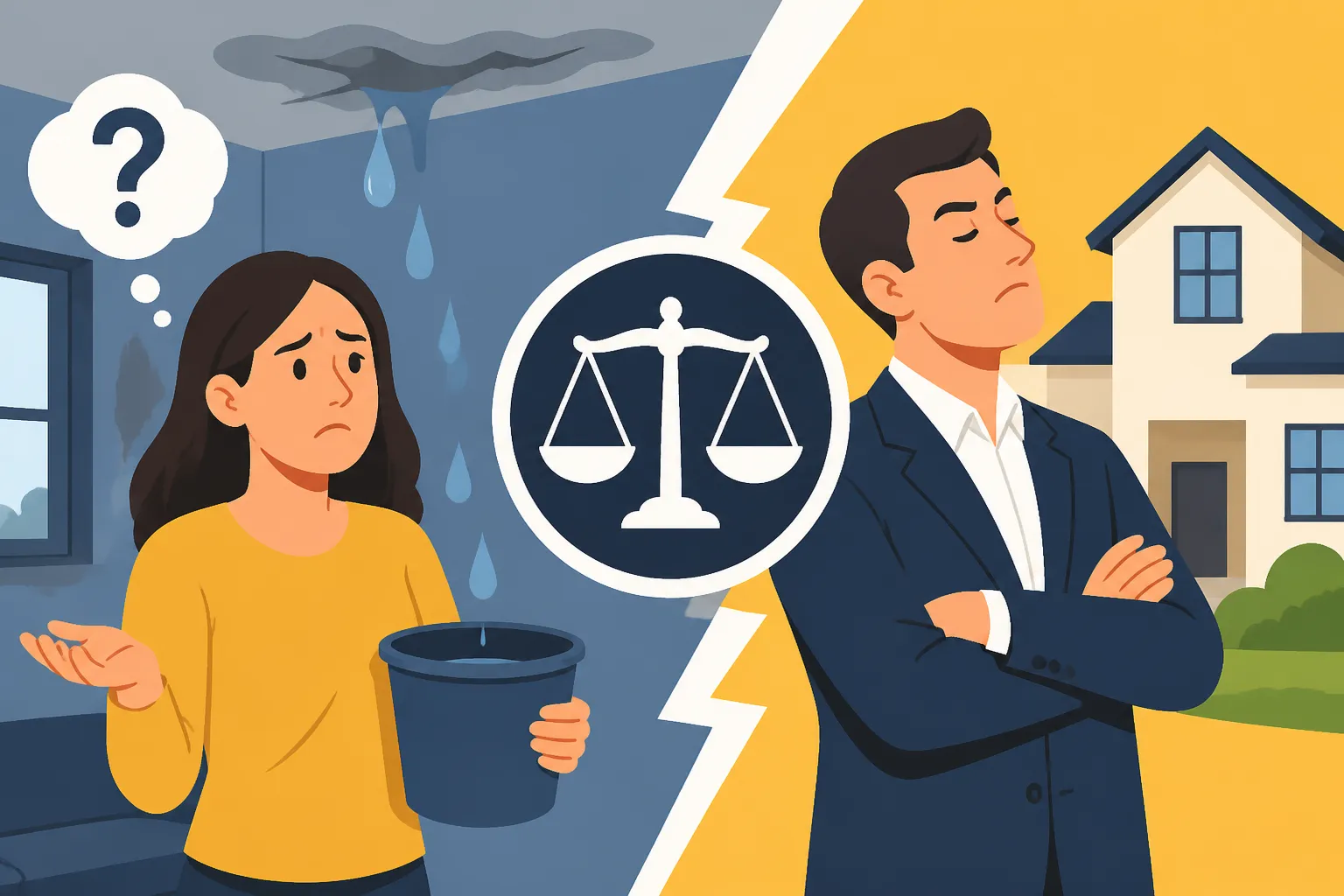
Can I Sue My Landlord for Not Making Repairs?
It’s an incredibly frustrating situation when you’re living in a rental property and your landlord just isn't holding up their end of the bargain regarding repairs. You’ve reported issues, waited, followed up, and nothing changes, leaving you feeling helpless and wondering if there’s any recourse beyond just putting up with it or moving out. This comprehensive guide will walk you through the complex landscape of tenant rights and landlord responsibilities, specifically addressing whether you can sue your landlord for their failure to make necessary repairs and what steps you can take.
Understanding Your Landlord's Repair Responsibilities
Before you even consider legal action, it's crucial to understand what your landlord is actually responsible for fixing. It's not always as straightforward as it seems, and both state laws and your lease agreement play a significant role.
The Implied Warranty of Habitability
At the core of landlord repair responsibilities lies a fundamental legal concept called the "implied warranty of habitability." This isn't usually something explicitly written in your lease; it's a legal principle that applies to virtually all residential rental agreements, regardless of whether it's mentioned. Essentially, it means that a landlord must provide and maintain a property that is safe, sanitary, and fit for human habitation. It’s an unspoken promise that your rental home will meet basic living standards.
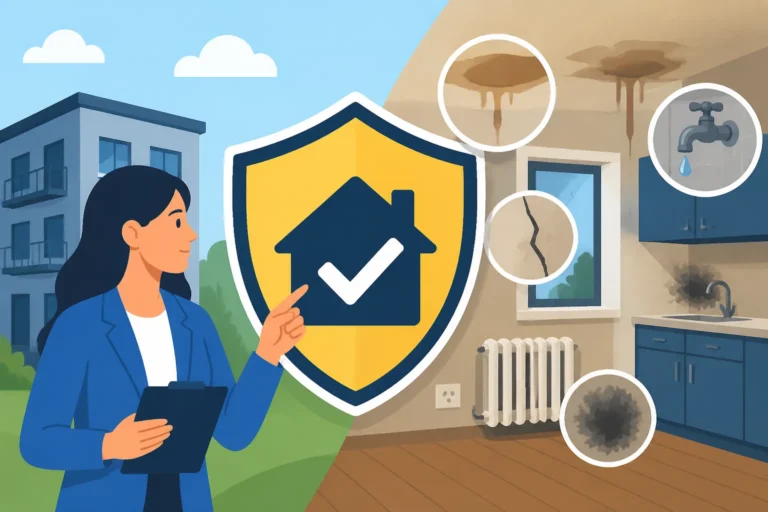
What falls under this warranty? Think about the absolute essentials for daily living. This typically includes things like a working roof that doesn't leak, functioning plumbing that provides hot and cold water, a reliable heating system, electrical wiring that's safe, and structural integrity of the building. It also usually covers things like pest infestations that aren't caused by the tenant, and ensuring common areas are safe. For example, if your furnace conks out in the middle of winter in a place like Chicago, or if there’s a persistent leak causing mold growth in your bathroom, those are almost certainly violations of the implied warranty of habitability. It’s about ensuring the property doesn't pose a risk to your health or safety. Remember, this isn't about cosmetic issues or minor inconveniences; it's about the fundamental safety and liveability of your home. You can learn more about this crucial concept in our guide on the Implied Warranty of Habitability Explained.
Lease Agreement Versus State Law
While the implied warranty of habitability sets a baseline, your specific lease agreement and local state laws will fill in a lot of the details. Your lease is a legally binding contract, and it often outlines specific repair duties for both the landlord and the tenant. For instance, some leases might specify who is responsible for appliance repairs, like a broken refrigerator, or routine maintenance tasks. It's vital to read your lease thoroughly to understand these clauses.
However, your lease cannot override state or local tenant-landlord laws. If your lease states something that contradicts or attempts to waive a right granted to you by state law, that part of the lease is typically unenforceable. For example, a lease can’t legally state that the landlord isn't responsible for providing heat in winter if state law mandates it. Different states have different regulations, and some are much more tenant-friendly than others. For example, some states have very clear guidelines on How Long Does a Landlord Have to Make Repairs By State, while others might be less explicit, leaving it to a "reasonable time" standard. Always check your state's specific tenant-landlord statutes to get the full picture, as these laws often detail what constitutes a "habitable" living space and the timelines landlords have to address issues.
When Suing Your Landlord Becomes an Option
Suing your landlord isn't usually the first step tenants take, and for good reason—it can be time-consuming, stressful, and sometimes costly. However, there are specific circumstances where it becomes a legitimate and necessary recourse.
Serious Habitability Issues
The most compelling reason to consider suing your landlord for failure to make repairs is when the issues directly threaten your health, safety, or significantly impact the habitability of your home. We're not talking about a leaky faucet or a chipped tile here. We're talking about major problems that make your living situation genuinely unsafe or unhealthy.
Consider scenarios like:
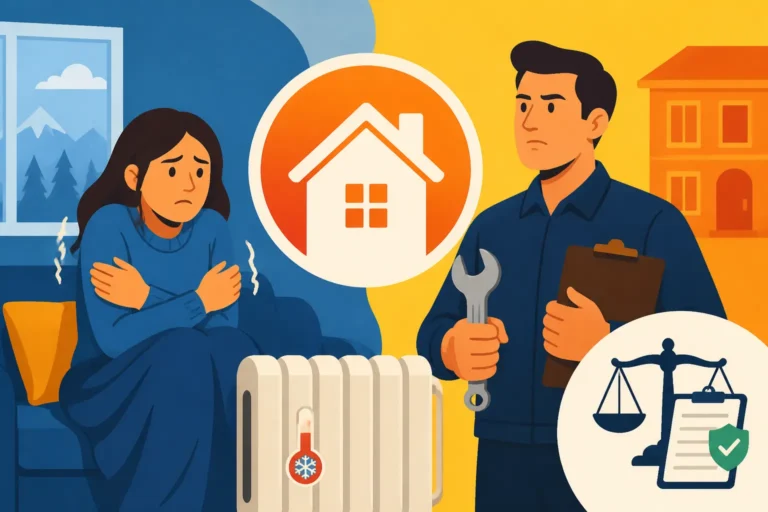
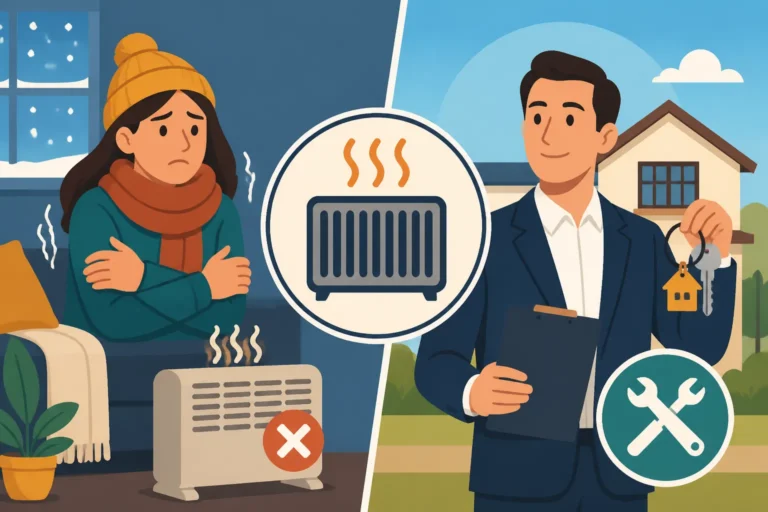
- No heat or hot water during cold months: In states with colder climates, this isn't just an inconvenience; it can be dangerous, especially for children or the elderly. Imagine living in upstate New York in January with no heat – that's a serious habitability concern.
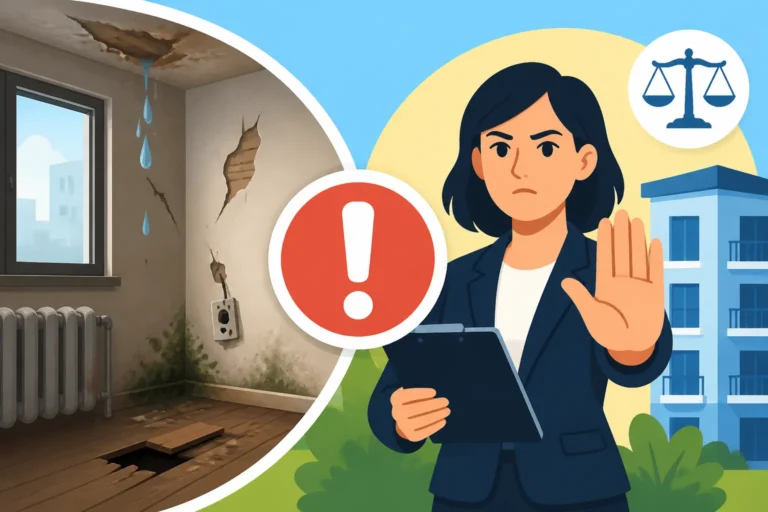
- Severe mold infestations: Extensive mold, particularly certain types, can cause serious respiratory problems and other health issues. If your landlord ignores reports of significant mold growth, that's a major red flag.
- Structural dangers: A collapsing ceiling, a rotting floor, or exposed electrical wiring can pose immediate physical threats to occupants.
- Lack of essential utilities: If your landlord is responsible for utilities like water or electricity, and these are cut off due to their negligence, it renders the unit uninhabitable.
- Pest infestations: While minor pests might not always qualify, severe infestations of rats, cockroaches, or bed bugs can spread disease, damage property, and make living conditions intolerable. Our guide on Bedbugs & Pest Control Responsibility delves into who typically bears the burden for these issues.
These kinds of issues go beyond minor repairs and infringe upon your fundamental right to a safe home. If these serious problems persist despite your repeated attempts to get them fixed, the legal system might be your best option.
Documented Negligence and Unresponsiveness
You absolutely cannot just wake up one morning, decide your landlord isn't fixing things, and file a lawsuit. The court will want to see a clear pattern of negligence and unresponsiveness on the landlord's part. This means you need a robust paper trail, demonstrating that you have:
- Notified your landlord in writing about the repair issues. This is crucial. Verbal conversations are hard to prove. Sending certified letters, emails, or messages through a tenant portal that provides a timestamp and record are ideal. Make sure you describe the problem clearly and state what needs to be done.
- Given them a reasonable amount of time to address the problems. What constitutes "reasonable" can vary by the severity of the repair and state laws, but it's rarely immediate. For emergency repairs (like a burst pipe), it might be 24-72 hours. For non-emergency issues, it could be a week or two. Our guide on How Long Does a Landlord Have to Make Repairs By State can give you specific timelines.
- Followed up repeatedly, again, in writing, if the issue wasn't resolved.
- Documented everything, including dates, times, names of people you spoke to, copies of all correspondence, and extensive photos or videos of the problem. If a repair person came, note their name and what they did or didn't do.
This documentation proves you didn't just passively wait; you actively sought resolution and your landlord failed to act. Without this clear evidence, your case will be significantly weaker.
Exhausting Other Remedies
Suing should generally be your last resort. Courts typically expect you to have tried other available legal and non-legal avenues to resolve the dispute. These "other remedies" can include:
- Direct communication and negotiation: Have you tried talking to your landlord or property manager politely but firmly about the issues? Sometimes, a clear, calm discussion can resolve things before they escalate.
- Sending a formal demand letter: Before filing a lawsuit, sending a strongly worded letter, often drafted with the help of an attorney, detailing the issues, your rights, and your intent to pursue legal action if not resolved, can sometimes spur a landlord into action. Our template for a Security Deposit Demand Letter How-To + Template can give you an idea of the structure, even if the content is different.
- Repair and Deduct: In some states, if a landlord fails to make necessary repairs after proper notice, tenants can arrange for the repairs themselves and deduct the cost from their next rent payment. This is a powerful, though risky, option that has strict rules you must follow. We cover this extensively in Repair and Deduct by State.
- Withholding Rent or Rent Escrow: Some states allow tenants to withhold rent or place it into an escrow account until repairs are made. This is also very risky and can lead to eviction if not done precisely according to state law. You can delve deeper into this remedy by reading about Withholding Rent & Rent Escrow.
- Contacting local housing authorities: Many cities and counties have housing departments that can inspect properties for code violations and pressure landlords to make repairs. This can be an effective, lower-risk way to get official backing.
If you’ve explored these avenues and your landlord remains unresponsive or outright refuses to address critical issues, then pursuing a lawsuit becomes a more justifiable and often necessary step.
Navigating the Legal Path: The Small Claims Court Route
If you've exhausted all other options and your landlord still hasn't made essential repairs, taking them to small claims court is often the most accessible and least intimidating legal route for tenants. It's designed for disputes involving smaller monetary amounts and usually doesn't require an attorney, though having one can certainly help.
Preparing Your Case
Success in small claims court hinges on thorough preparation and compelling evidence. You need to meticulously gather everything related to the repair issues and your attempts to resolve them.
Here's what you'll need to do:
- Compile all documentation: This includes copies of your lease agreement, all written communication with your landlord (emails, certified letters, text messages, maintenance requests), photographs and videos of the unrepaired issues (with dates and timestamps), and any repair estimates you've obtained. If you had to temporarily relocate or incurred other expenses due to the lack of repairs, gather receipts for hotels, meals, or other necessities.
- Organize your timeline: Create a chronological list of events, starting from when you first noticed the issue, when you notified the landlord, when they responded (or didn't), and any subsequent follow-ups. This helps paint a clear picture for the judge.
- Identify your damages: Think about what you've lost or suffered due to the landlord's negligence. Did you have to pay for repairs yourself? Did you incur medical bills due to mold exposure? Did you have to live in an unheated apartment, making it effectively worth less? This is what you'll be suing for.
- Understand court costs: There will be filing fees and service fees to officially notify your landlord of the lawsuit. These vary by jurisdiction but are usually manageable in small claims court. In some cases, if you win, the judge might order your landlord to reimburse these costs.
This meticulous gathering of information will form the backbone of your argument in court.
What You Can Sue For
When you sue your landlord for failure to make repairs, you're essentially seeking financial compensation for the harm or loss you've suffered. This can take several forms:
- Rent Abatement: This is a common form of relief where you ask the court to reduce the amount of rent you owe for the period you lived in uninhabitable conditions. For example, if your heat was out for two months, you might argue that your apartment was only worth 50% of the rent during that time, and you should be reimbursed for the difference. The court will determine a fair reduction based on the severity and duration of the problem.
- Actual Damages: These are direct financial losses you incurred. This could include money you spent on alternative housing (like a hotel), medical bills if the conditions made you sick, or the cost of repairs you had to make yourself (if your state allows "repair and deduct" and you followed the rules). If your belongings were damaged due to a leak your landlord refused to fix, you might also claim the cost of replacing those items.
- Punitive Damages or Penalties: In some states, and for particularly egregious or willful violations, courts may award punitive damages or statutory penalties. For instance, if a landlord knowingly and intentionally ignores severe habitability issues, a judge might impose extra fines as a deterrent. Some states, like California, even have provisions for "statutory damages" for certain violations, which are fixed amounts rather than calculated losses. This is less common in small claims but can be a possibility in certain situations.
- Court Costs: As mentioned, you can usually request that the landlord reimburse you for your court filing fees and costs of serving them with the lawsuit.
The specific types and amounts of damages you can claim will depend heavily on your state's landlord-tenant laws and the specifics of your case.
The Court Process
Going to small claims court can feel daunting, but it's generally designed to be accessible to individuals without legal training. Here's a simplified overview:
- File your claim: You'll typically go to your local small claims court clerk's office, fill out a "Statement of Claim" or similar form, and pay the filing fee. This form will ask for your landlord's information, a brief description of why you're suing, and the amount of money you're seeking.
- Serve the landlord: The court requires that your landlord be formally notified of the lawsuit. This is called "service of process." You cannot do this yourself; it usually involves a sheriff, a professional process server, or sometimes certified mail. You'll likely pay a fee for this service.
- Landlord's response: Your landlord will have a set amount of time to respond, which might involve filing their own counter-claim or simply preparing for court.
- Mediation (optional): Some courts offer or require mediation before a hearing. This is an informal meeting with a neutral third party to try and reach a settlement outside of court. It can be a great way to resolve the issue more quickly and avoid a judge's decision.
- Court hearing: If mediation fails, you'll go before a judge. You'll present your evidence (your documentation, photos, etc.) and explain your side of the story. Your landlord will also have an opportunity to present their case. The judge will listen to both sides and typically make a decision, sometimes on the spot, or by mail a few days later.
- Judgment and collection: If you win, the court issues a judgment in your favor. This means your landlord is legally obligated to pay you. If they don't pay voluntarily, you may need to take further steps to collect the judgment, which can involve wage garnishment, bank levies, or placing a lien on their property. This part can sometimes be as challenging as winning the case itself.
Remember, every state and even specific courts within a state can have slightly different procedures, so always consult your local court's website or clerk for precise instructions.
Alternatives to Suing for Repair Issues
While suing your landlord is an option, it's a significant undertaking. Fortunately, there are often less drastic, yet still effective, measures you can explore before heading to court. These alternatives can save you time, stress, and legal fees while still holding your landlord accountable.
Repair and Deduct
The "repair and deduct" remedy is a powerful tool available to tenants in many states, though it comes with strict rules. The basic idea is that if your landlord fails to make necessary repairs after you've given them proper notice, you can arrange for the repairs yourself and then deduct the cost from your next month's rent. This can be incredibly appealing when you're desperate for a fix and your landlord is dragging their feet.
However, be warned: this is not a universal right and varies significantly by state. For example, California has specific limits on how much you can deduct and how often. Many states only allow this for significant issues that affect habitability, not minor repairs. You usually have to provide your landlord with formal written notice and a reasonable opportunity to make the repair before you can act. You must also obtain detailed receipts and often multiple estimates for the work. If you don't follow your state's specific guidelines precisely, you could be accused of violating your lease and face eviction. It's a high-stakes move, so understanding your state's Repair and Deduct by State laws is non-negotiable before attempting it.
Withholding Rent and Rent Escrow
Another alternative, which is even riskier than repair and deduct in some ways, is withholding rent. The idea here is that if your landlord isn't upholding their end of the bargain by providing a habitable living space, you shouldn't have to pay full rent. However, simply stopping payment of rent without following specific legal procedures can lead to an eviction lawsuit against you.
To mitigate this risk, some states allow for "rent escrow" accounts. This means you deposit your rent into a special account, often overseen by the court, rather than paying it directly to your landlord. The money is held there until the repairs are made, at which point it's released to the landlord. This demonstrates that you are willing and able to pay rent but are exercising your right to compel repairs. Like repair and deduct, this is not allowed in all states, and the procedural requirements are extremely strict. You typically need to give written notice, allow reasonable time for repairs, and sometimes even get court approval to establish an escrow account. Failing to follow the process can expose you to eviction. Learn the nuances of this approach in our article on Withholding Rent & Rent Escrow.
Breaking the Lease for Uninhabitable Conditions
Sometimes, the repair issues are so severe and persistent that staying in the property is no longer feasible or safe. In such cases, breaking your lease might be a legal option, provided the conditions render the unit legally "uninhabitable." This is often referred to as "constructive eviction," where the landlord's failure to maintain the property forces the tenant to move out, effectively "evicting" them.
For this to be a valid reason to break a lease, the issues must be extremely serious, affecting your health, safety, or basic living standards, and your landlord must have failed to address them despite proper notice and reasonable time. You would typically need to prove that you made repeated attempts to get the landlord to fix the problems and that you had no reasonable alternative but to move. Examples include persistent lack of heat in severe cold, extensive mold rendering the air unbreathable, or structural collapse. Moving out hastily without following the correct legal process, including providing written notice of your intent to vacate due to uninhabitable conditions, could still leave you liable for rent for the remainder of your lease. It's crucial to understand the specifics before taking this step; our guide on Breaking a Lease for Uninhabitable Conditions can provide more detail.
Protecting Yourself as a Tenant
No matter which path you choose, whether it's suing, using repair and deduct, or breaking your lease, protecting yourself through diligent record-keeping and knowing when to seek professional help is paramount.
The Power of Documentation
We've touched on this before, but it bears repeating: documentation is your best friend when dealing with landlord-tenant disputes. Without a clear, comprehensive record, it's often your word against theirs, and that's a tough battle to win.
Think of yourself as a meticulous investigator. Every interaction, every problem, every attempt at resolution needs to be logged. This includes:
- Written Communication: Always put repair requests in writing. Emails are excellent because they create a timestamped record. Certified mail provides proof of delivery. Keep copies of everything. If you speak on the phone, follow up with an email summarizing the conversation ("Per our call on [date] at [time], we discussed [issue]…").
- Photographs and Videos: Before-and-after photos or videos of repair issues are incredibly powerful evidence. Capture the scope of the damage, the date, and anything that helps illustrate the problem. For instance, if your ceiling is leaking, take a video showing the drip, the bucket catching the water, and maybe a newspaper with the current date visible to establish the timeline. Our guide on How to Document Your Apartment at Move-In offers great tips, and these principles apply equally to documenting repair issues.
- Maintenance Logs: Keep a personal log detailing every time you contact your landlord or property manager, what the issue was, who you spoke to, what their response was, and any actions taken (or not taken).
- Receipts and Estimates: If you incurred costs due to the unmade repairs (e.g., a plumber's estimate, hotel bills, medical expenses), keep all receipts and invoices.
This level of detail makes your case undeniable and shows a court that you acted responsibly and persistently.
Seeking Legal Advice
While small claims court is designed for laypersons, and you can absolutely represent yourself, there are times when consulting with a legal professional is invaluable. Landlord-tenant law can be complex, varying significantly from state to state and even city to city.
Consider seeking legal advice if:
- The stakes are high: If the damages you're seeking are substantial, or if you're facing potential eviction due to a dispute over repairs, the cost of an attorney might be a worthwhile investment to protect your interests.
- The situation is complicated: If there are multiple parties involved, ambiguous lease clauses, or complex legal arguments, an attorney can help you navigate the intricacies.
- You're unsure of your rights or the correct procedures: A lawyer specializing in tenant law can advise you on the specific statutes in your area, the proper notice requirements, and the correct legal steps to take. They can help you assess the strength of your case and guide you through the process, even if you ultimately decide to represent yourself in small claims court.
- Your landlord has legal representation: If your landlord shows up with a lawyer, you'll be at a significant disadvantage without legal counsel of your own.
Many areas have legal aid societies or tenant advocacy groups that offer free or low-cost consultations. It’s always a good idea to know your options and get an expert opinion before making a significant legal move.
| Remedy Option | Description | Pros | Cons | Risk Level (Tenant) |
|---|---|---|---|---|
| Suing in Small Claims | Seeking financial compensation through court for damages/rent abatement. | Can recover significant damages; formal resolution. | Time-consuming, stressful, requires strong evidence, collection can be hard. | Medium |
| Repair and Deduct | Tenant makes repairs and subtracts cost from rent. | Direct resolution of issue; incentivizes landlord. | Strict state rules, high risk of eviction if mishandled. | High |
| Withholding Rent | Tenant stops paying rent until repairs are made. | Can pressure landlord significantly. | Very high risk of eviction if not done exactly per state law; rent escrow often required. | Very High |
| Breaking Lease | Tenant moves out due to uninhabitable conditions (constructive eviction). | Escape from unsafe living conditions. | Must prove uninhabitable conditions; risk of liability if not justified legally. | High |
| Housing Authority Complaint | Reporting code violations to local authorities. | Low personal risk; official pressure on landlord. | May be slow; only covers code violations, not all lease issues. | Low |
| Demand Letter | Formal written notice threatening legal action. | Inexpensive; can prompt landlord action without court. | No guarantee of resolution; can be ignored. | Low |
Disclaimer
Please remember that this information is intended for general guidance only and does not constitute legal advice. Landlord-tenant laws vary significantly by state and local jurisdiction. It is crucial to consult with a qualified attorney or a tenant rights organization in your specific area for advice tailored to your situation. Acting solely on the information provided here without professional legal counsel could have unintended consequences.