Is a Landlord Required to Fix a Broken Appliance?
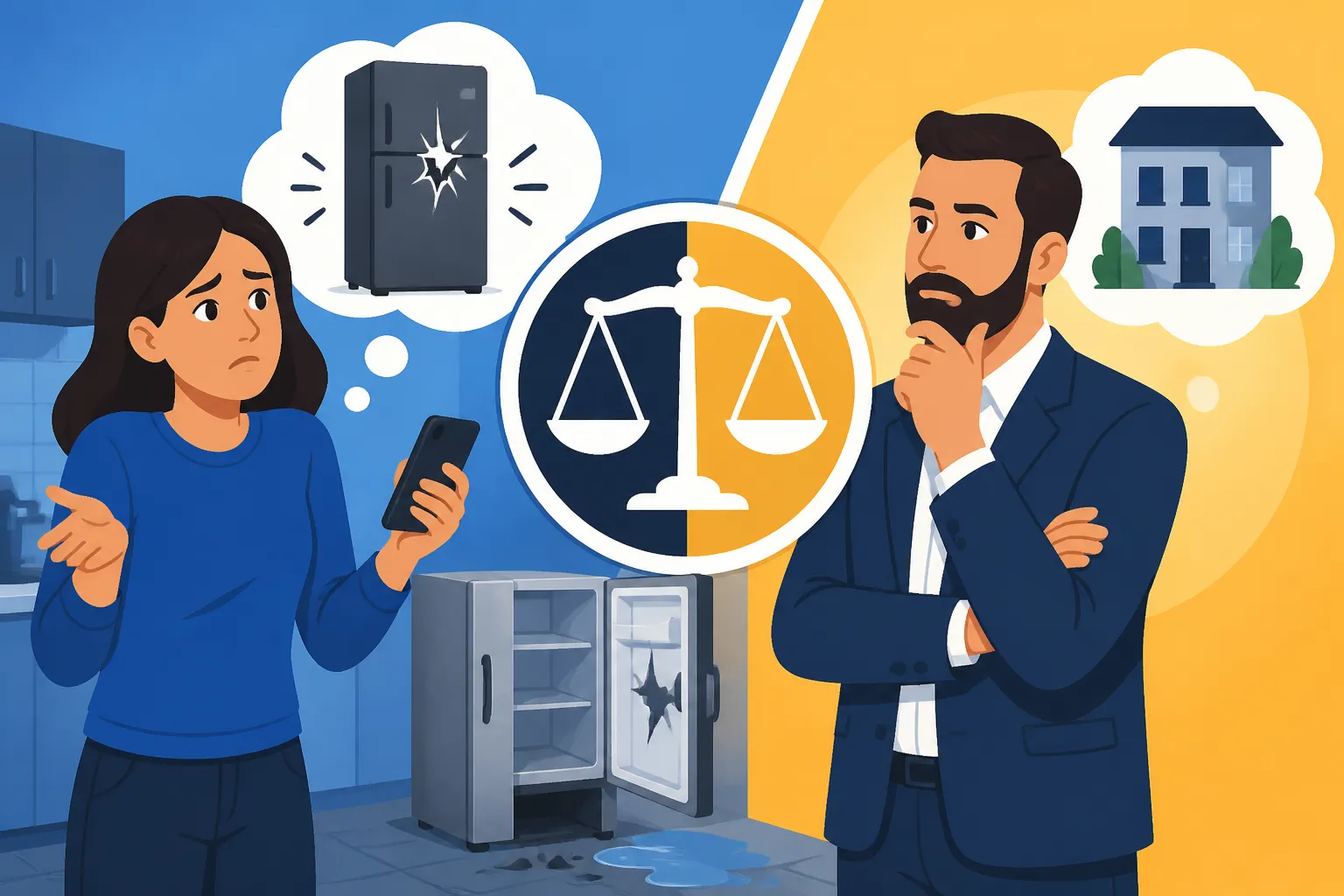
A broken appliance in your rental can throw a huge wrench into your daily life, turning simple tasks like cooking or doing laundry into a major headache. You're left wondering who's responsible for the fix, how long it will take, and if you'll be stuck paying out of pocket. This guide is here to untangle the confusion surrounding landlord responsibilities for broken appliances and empower you with the knowledge to handle these frustrating situations effectively.
The Initial Question: Is Your Landlord Obligated to Fix It?
This is often the first thought that pops into your head when your fridge stops humming or the stove goes cold. The answer, like many things in landlord-tenant law, isn't always a simple yes or no. It largely depends on two critical factors: the concept of habitability and the specifics of your lease agreement.
Implied Warranty of Habitability and Appliances
At its core, the "implied warranty of habitability" means that a landlord must provide a safe, sanitary, and livable dwelling. This isn't usually written out in your lease but is a fundamental legal principle in almost every state. Think of it as a baseline standard for what makes a home suitable for human habitation. When it comes to appliances, the key is whether the broken item impacts this basic standard of living.
For instance, a broken oven or refrigerator is often considered essential for maintaining a habitable living space. Without a working stove, you can't prepare meals safely, and a broken fridge means you can't store food, which can lead to health and sanitation issues. In such cases, the landlord typically has a legal obligation under the implied warranty of habitability to repair or replace the appliance. However, a faulty garbage disposal or a non-working dishwasher, while incredibly inconvenient, usually doesn't fall under the umbrella of "habitability" because you can still live safely without them. Understanding the difference between what's essential for basic living and what's a convenience is crucial here. To dive deeper into what landlords must fix, you might find our guide on Landlord Repair Responsibilities What They Must Fix quite helpful.
What Your Lease Agreement Says
While the implied warranty of habitability sets a baseline, your lease agreement is the rulebook that governs your specific tenancy. It's the first place you should look when an appliance breaks, as it can significantly expand or clarify your landlord's responsibilities beyond the minimum legal requirements. Many landlords, for example, will list all provided appliances in the lease and explicitly state their commitment to maintaining them.
Sometimes, a lease might include an "as-is" clause for certain appliances, meaning you accept them in their current condition and any future repairs might fall to you. This is less common for essential items like stoves or refrigerators but can appear for things like older washing machines or microwaves. Pay close attention to any clauses that detail maintenance responsibilities, who pays for repairs, and what happens if an included appliance stops working. It's always best practice to thoroughly review your lease, especially the section outlining what to include in a lease agreement, before you sign. If the lease states the landlord provides and maintains a specific appliance, then they are generally obligated to fix it. If it’s silent on the matter or explicitly puts the onus on the tenant, things can get a bit more complicated.
Common Scenarios and Landlord Responsibilities
Let's get down to the nitty-gritty of specific appliances. Different items carry different weight in the eyes of the law and within the context of your living situation.
Essential Appliances: Refrigerator, Stove, and Heating/Cooling Units
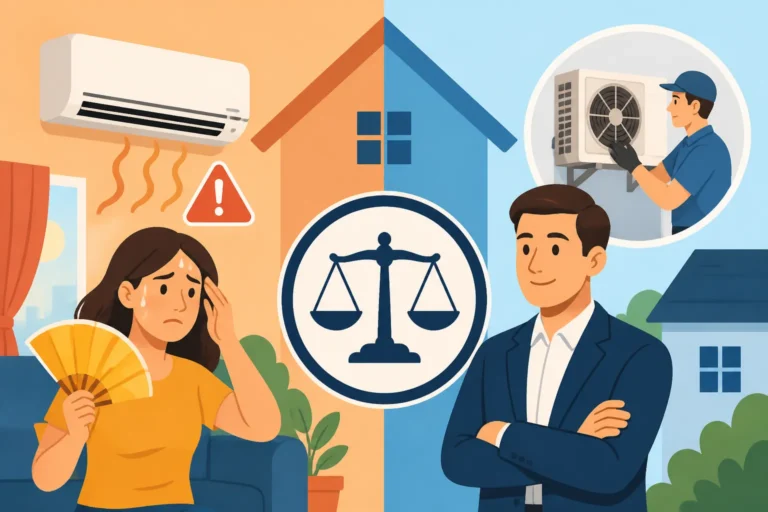
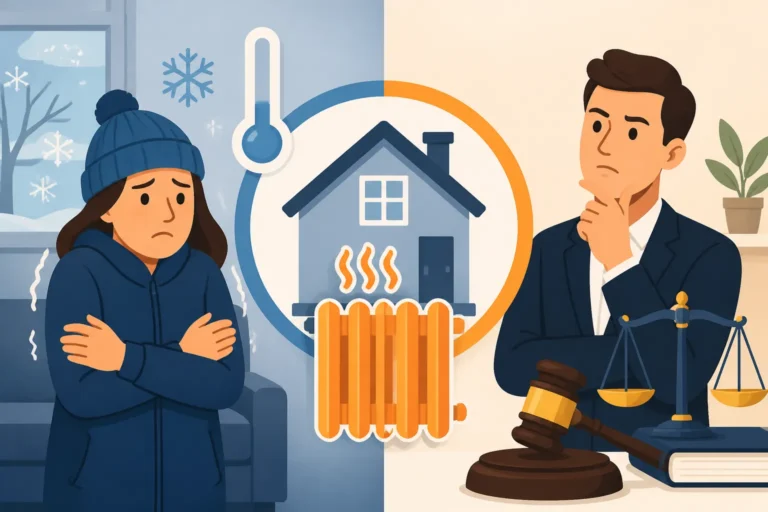
These are the big players. If your rental comes with a refrigerator, stove, or a heating system, these are almost universally considered essential for a habitable living space. Imagine living in Phoenix, Arizona, in July without a working air conditioner, or in Minneapolis, Minnesota, in January with no heat! Most state laws recognize the critical nature of these systems. For instance, many states mandate that landlords provide adequate heating, especially during colder months. If your heating system goes out, your landlord usually has an urgent responsibility to fix it.
A broken refrigerator means spoiled food and health risks, while a non-functional stove prevents basic meal preparation. In California, for example, the law explicitly requires landlords to maintain "all electrical, gas, and plumbing facilities, including garbage disposal and hot and cold running water facilities" in good working order. While a garbage disposal isn't critical, the provision of a stove and refrigerator directly falls under the state's definition of a "tenantable dwelling." If you're dealing with no heat, you'll want to review your tenant rights if your landlord won't fix your AC. Or if your AC has stopped working, check out our guide on Landlord Won't Fix AC: What Are My Options?. These are emergencies that typically require prompt attention from your landlord, usually within 24 to 72 hours, depending on the severity and state laws.
Non-Essential or Optional Appliances: Dishwashers, Microwaves, Washers/Dryers
Now we move to the gray areas. While extremely convenient, items like dishwashers, microwaves, and in-unit washers and dryers are generally not considered "essential" for habitability in the same way a stove or refrigerator is. You can still wash dishes by hand, heat food in a pot, or use a laundromat.
The landlord's responsibility for these appliances almost always boils down to what's written in your lease. If the lease specifically states that the landlord provides and maintains a dishwasher, then yes, they are typically responsible for repairing it if it breaks. If the lease is silent, or if you brought the appliance yourself, the landlord generally has no obligation.
Consider this hypothetical: you moved into an apartment in Portland, Oregon, that advertised an "in-unit washer and dryer." Six months into your lease, the dryer stops working. Because it was an advertised amenity and likely listed in your lease as provided by the landlord, they would typically be responsible for its repair. However, if you brought your own microwave, and it breaks, that's almost certainly on you.
Let's summarize typical responsibilities for common appliances:
| Appliance Type | Landlord Responsibility (Typical) | Key Considerations |
|---|---|---|
| Refrigerator | Often yes (essential for habitability, food safety) | Was it provided by the landlord? Is it essential for storing perishable food? |
| Stove/Oven | Often yes (essential for habitability, meal preparation) | Was it provided by the landlord? Is it essential for cooking? |
| Heating System | Yes (critical for health & safety, especially in colder climates) | Mandated by most state habitability laws. |
| Air Conditioning | Depends heavily on climate, lease, and whether it's built-in | Essential in some hot climates (e.g., Arizona), often a listed amenity elsewhere. |
| Dishwasher | Only if explicitly included in lease/advertised amenity | Generally not considered "essential" for habitability. |
| Washer/Dryer | Only if explicitly included in lease/advertised amenity | Convenience item, not typically a habitability requirement unless specified. |
| Microwave (built-in) | Only if explicitly included in lease/advertised amenity | If portable, tenant's responsibility. If built-in and included, usually landlord's. |
| Garbage Disposal | Often if included in lease/advertised amenity | Not a habitability requirement, but common for landlords to maintain if provided. |
Tenant-Owned Appliances and Wear and Tear
If you've brought your own appliances into the rental unit, such as a portable washing machine, a freestanding microwave, or a mini-fridge, then their repair and maintenance are entirely your responsibility. The landlord has no legal or contractual obligation to fix items that belong to you.
Even for landlord-provided appliances, it's important to distinguish between legitimate breakdowns and damage caused by tenant misuse or neglect. The concept of "normal wear and tear" is critical here. Normal wear and tear refers to the deterioration that occurs over time with regular use—a refrigerator seal wearing out, a stove burner becoming less efficient, or a dishwasher developing a minor leak after years of service. These issues are generally the landlord's responsibility to fix. However, if the refrigerator door was ripped off its hinges due to excessive force, or if the stove glass top was cracked because a heavy pot was dropped on it, that would be considered tenant damage, and you would likely be financially responsible for the repair or replacement. Our comprehensive guide on Normal Wear and Tear vs Damage Complete Guide breaks down these distinctions in detail.
What to Do When an Appliance Breaks: Your Action Plan
Okay, so your appliance is officially on the fritz. Don't panic! Taking the right steps can make all the difference in getting it fixed quickly and efficiently.
Documenting the Problem and Notifying Your Landlord
The absolute first thing you need to do is document, document, document! Take photos or videos of the broken appliance. If it's something like a fridge that's not cooling, show the temperature gauge or any condensation. If it's a stove burner, show that it's not heating. Note the date and time the problem occurred.
Next, notify your landlord in writing. This is non-negotiable. Verbal notifications are difficult to prove in court if things escalate. Send an email, a text message, or a certified letter detailing the issue. Be clear, concise, and polite. Include the date, your address, a description of the problem, and when you noticed it. Ask for a timeline for repair. For landlords using modern property management tools, many platforms like TurboTenant offer built-in communication features that log messages, creating an automatic paper trail. This can be incredibly helpful for both parties. You can learn more about how to effectively communicate these issues by checking out our resource on How to Request Repairs in Writing.
Understanding Repair Timelines and State Laws
Once you've notified your landlord, you'll be anxious for a fix. How long is "too long"? This depends heavily on whether the appliance is considered essential for habitability and the specific laws of your state or even your city.
For emergency repairs—issues that affect health and safety, like no heat in winter or a completely non-functional essential appliance like a refrigerator or stove—landlords typically have a shorter "reasonable time" to respond and fix the issue. This might be anywhere from 24 to 72 hours, depending on the state and the nature of the emergency. For instance, in Washington state, for urgent repairs that make the premises uninhabitable, the landlord might have as little as 24 hours. In contrast, for non-emergency issues like a broken dishwasher, the "reasonable time" could stretch to a week or even longer. Our article on How Long Does a Landlord Have to Make Repairs By State provides a great overview of these varying timelines.
Keep a log of all communications, including dates, times, and summaries of conversations. If your landlord gives you a repair date, note it. If they miss that date, follow up in writing.
Options If Your Landlord Fails to Act
If your landlord drags their feet or completely ignores your legitimate repair requests for a landlord-provided appliance, especially an essential one, you have options. However, these steps can be legally complex and may carry risks, so it's always wise to understand them fully and consider seeking legal advice.
- Repair and Deduct: In some states, after providing proper written notice and giving your landlord a reasonable amount of time to make repairs, you might be able to pay for the repair yourself and deduct the cost from your next rent payment. This is generally reserved for significant issues affecting habitability and usually has strict limits on the amount you can deduct. This is a very specific legal remedy, and the rules vary widely by state. For example, in Texas, you might be able to repair and deduct for certain issues if they affect health and safety and the landlord has failed to act after proper notice. Before you even think about this, read our guide on Repair and Deduct by State to understand the exact requirements and limitations. Missteps here can put you at risk of eviction for non-payment of rent.
- Withholding Rent: This is an even more extreme measure than repair and deduct and is often only legally permissible in very specific circumstances, usually involving severe habitability issues that make the property unsafe or unlivable. In some states, you might be allowed to withhold rent and place it into an escrow account, rather than simply not paying it, until repairs are made. This signals that you're willing to pay but the landlord hasn't fulfilled their obligations. Like repair and deduct, the rules for Withholding Rent & Rent Escrow are incredibly strict and vary by state. It is crucial to follow the legal process precisely to avoid an eviction notice.
- Constructive Eviction: In the most severe cases where an appliance failure (among other issues) makes your rental genuinely uninhabitable and your landlord has refused to fix it after repeated requests, you might be able to claim "constructive eviction." This means you move out, and the law treats it as if your landlord illegally evicted you, freeing you from your lease obligations. This is a very high bar to meet and should only be pursued with legal counsel, as you risk being sued for breaking your lease if a court doesn't agree the conditions were truly uninhabitable. Our guide on Constructive Eviction Explained provides more detail on this drastic step.
- Small Claims Court: If all else fails, you can potentially sue your landlord in small claims court for damages, the cost of repairs you had to make, or for the diminished value of your tenancy due to the lack of an essential appliance.
While dealing with these issues, it's a good idea to protect your belongings. Many tenants overlook renter's insurance until it's too late. Companies like Lemonade offer affordable renter's insurance that can cover your personal property if an appliance issue (like a burst pipe from a faulty washing machine) causes damage. Similarly, landlords might protect their investment with policies from providers like Steadily.
Preventing Future Appliance Headaches
While you can't prevent every appliance breakdown, there are proactive steps you can take as a tenant to minimize problems and ensure you're covered.
Clarifying Appliance Responsibilities in the Lease
The best defense is a good offense, and in this case, that means understanding and clarifying your lease from the get-go. Before you sign on the dotted line, read through the entire lease, paying special attention to sections about appliances.
- List of Provided Appliances: Ensure that every appliance the landlord provides (refrigerator, stove, dishwasher, microwave, washer/dryer, etc.) is explicitly listed in the lease agreement or an addendum.
- Maintenance Clauses: Look for language that specifies who is responsible for maintenance and repairs of these listed items. Ideally, it should state that the landlord is responsible for maintaining all landlord-provided appliances in good working order.
- "As-Is" Clauses: Be wary of any blanket "as-is" clauses related to appliances, especially for essential ones. If you see one, ask for clarification or negotiation. You don't want to sign away your right to a working refrigerator!
- Tenant Responsibilities: Understand what, if any, maintenance tasks fall to you (e.g., cleaning the refrigerator coils, replacing light bulbs in the oven).
If anything is unclear, ask your landlord for clarification in writing before signing. Don't be afraid to negotiate or ask for an addendum if you feel certain items are not adequately covered. A clear lease protects both you and your landlord.
Regular Maintenance and Tenant Care
While major repairs are typically the landlord's responsibility, tenants also have a role to play in the care of appliances. Simple, routine maintenance can significantly extend the life of appliances and prevent minor issues from becoming major ones.
- Cleanliness: Regularly clean the inside of the refrigerator, microwave, and oven. Wipe down stove tops. This isn't just for hygiene; food spills can corrode surfaces and block vents, leading to mechanical problems. For example, cleaning the coils on the back or bottom of your refrigerator can dramatically improve its efficiency and lifespan.
- Proper Use: Use appliances as intended. Don't overload washing machines or dryers. Don't use harsh chemicals that could damage surfaces. If an appliance comes with an owner's manual (even a digital one), it's worth a quick read for care instructions.
- Prompt Reporting: If you notice a minor issue—a strange noise, a small leak, or a component that isn't working quite right—report it to your landlord immediately, even if it's not a full breakdown yet. Early intervention can prevent more costly and inconvenient repairs down the line. It's often easier and cheaper for a landlord to fix a loose washer hose than to deal with water damage from a burst pipe.
By being a proactive and responsible tenant, you not only help preserve the appliances but also build a good relationship with your landlord, which can make a big difference when a larger repair is eventually needed.
Disclaimer
Please remember that landlord-tenant laws can vary significantly by state and even by city. The information provided in this guide is for educational purposes only and should not be considered legal advice. If you are facing a specific issue with a broken appliance or any other landlord-tenant dispute, it is always recommended to consult with a qualified attorney in your jurisdiction.