Is My Landlord Responsible for a Broken Furnace?
There's nothing quite like the sudden chill that spreads through your home when the furnace decides to quit, especially in the dead of winter. It's not just an inconvenience; it can be a genuine health and safety concern, leaving you wondering, "Is this my problem to fix, or is my landlord on the hook?" This guide is here to clear up that confusion, diving deep into landlord responsibilities for a broken furnace and what steps you can take to get your heat back on.
The Implied Warranty of Habitability and Your Heat
When you rent a home, you're not just getting four walls and a roof; you're entering into an agreement that includes the "implied warranty of habitability." This isn't usually written out in your lease, but it's a fundamental principle of landlord-tenant law in most places, meaning your landlord is legally obligated to provide a safe and livable environment. And a working heating system, especially during colder months, is almost always considered a core component of that habitability.
What the Law Says About Providing Heat
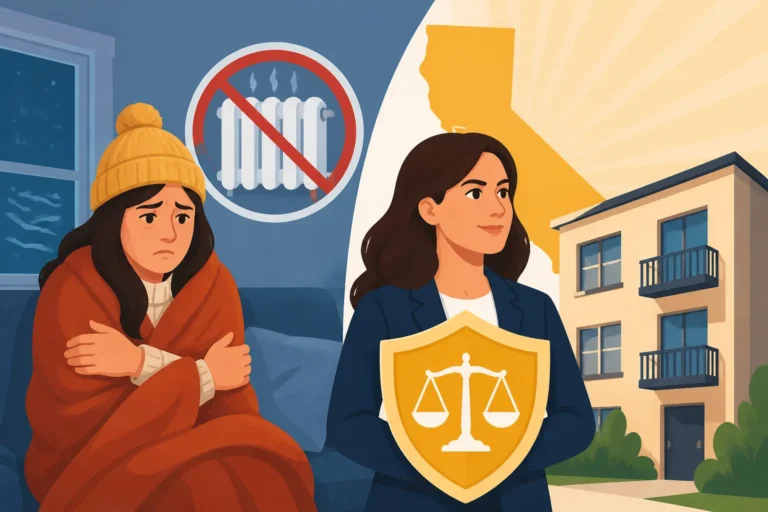
The expectation of a functional heating system is a cornerstone of the implied warranty of habitability. This isn't just a nicety; it's a legal requirement. Imagine living in a rental in Minneapolis in February with no heat – it's not just uncomfortable, it's downright dangerous, leading to frozen pipes, health risks like hypothermia, and general misery. Because of these severe implications, a broken furnace typically falls under the umbrella of an emergency repair. Most state and local laws mandate that landlords provide and maintain heating facilities capable of keeping the dwelling at a minimum safe and healthy temperature during certain times of the year, often defined by local ordinances or building codes. For example, many cities require landlords to maintain an indoor temperature of at least 68 degrees Fahrenheit from specific fall months through spring.
When the Furnace Breaks: Landlord's Core Duty
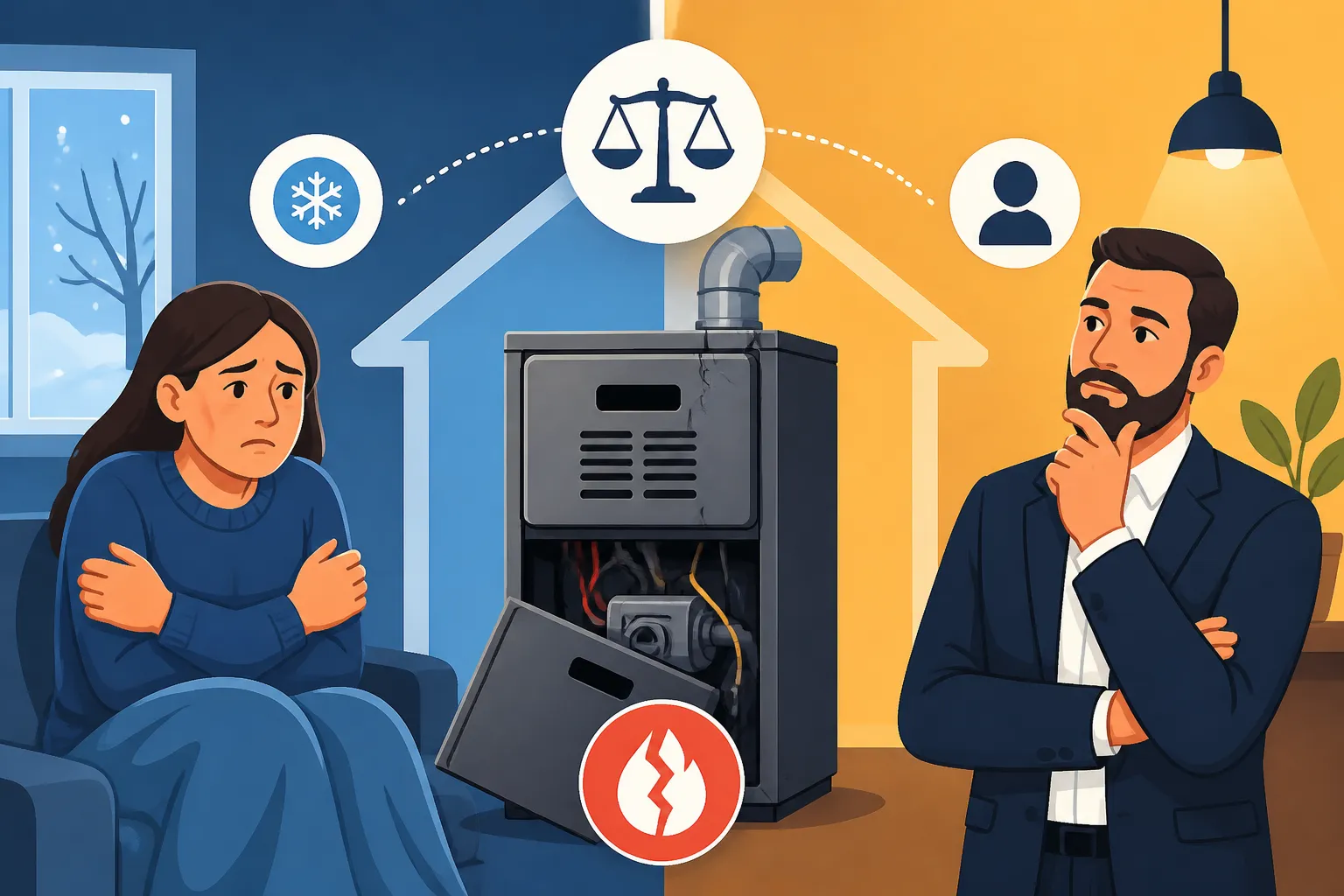
So, yes, in nearly all residential rental situations, if the furnace breaks, your landlord is responsible for fixing it. This isn't a "maybe" or a "sometimes"; it's a fundamental part of their duty. This duty extends beyond just providing a furnace; it includes maintaining it to ensure it remains in good working order. That means if the furnace stops working due to age, mechanical failure, or routine wear and tear, the repair cost typically falls on the landlord. It's part of the overhead of owning rental property. However, this general rule has a crucial exception: if the damage to the furnace was caused by your (the tenant's) negligence, misuse, or willful destruction, then you might be responsible for the repair costs. For instance, if you somehow managed to pour something into the vents or tamper with the unit, that would likely shift the burden. But for normal operational failures, it's firmly on your landlord's plate.
Tenant Actions When the Furnace Goes Out
Even though it’s your landlord’s responsibility, you can’t just sit in the cold and expect them to magically know what’s happening. There are crucial steps you need to take to ensure the issue is addressed promptly and properly, and to protect your rights.
Immediate Steps to Take
The moment you realize your furnace isn't working, your first priority is to confirm the problem and ensure your safety. Double-check your thermostat settings to make sure it's not accidentally turned off or set too low. Then, head to your circuit breaker panel. Sometimes, a tripped breaker is all it takes to cut power to your heating system. If you have a gas furnace, ensure the pilot light is lit if it’s an older model. While you're troubleshooting, take photos or videos of anything unusual – the thermostat display, any error codes on the furnace unit itself, or even ice forming on the inside of windows if it's really cold. These visual records can be invaluable later on. If it's severely cold outside, consider temporary solutions for your safety, like using space heaters (safely, please!), bundling up, or even staying with a friend or family member if the situation is dire. You might also look into whether your renter's insurance policy from providers like Lemonade offers any coverage for temporary housing in such emergencies, though this often depends on the specifics of the policy and the cause of the issue.
Documenting the Issue and Notifying Your Landlord
Once you've done your initial checks, you absolutely must notify your landlord in writing. A phone call might seem quicker, but a written record is your best friend. Send an email, a text message, or even a certified letter, detailing the date and time you discovered the problem, what steps you've already taken (like checking the breaker), and the immediate impact of the lack of heat. For instance, you could mention if the indoor temperature has dropped to an unsafe level. This written communication serves as proof that you informed them and helps establish a timeline for repairs. Many landlords, especially those managing multiple properties through platforms like TurboTenant, appreciate clear, written communication, as it helps them keep track of maintenance requests and respond efficiently. Remember to keep copies of all communication.
Reasonable Timeframes for Repair
This is where things can get a little tricky because "reasonable time" can vary based on the severity of the issue and state or local laws. For a broken furnace during cold weather, most jurisdictions consider this an emergency repair that significantly impacts your habitability and safety. Therefore, the landlord is usually expected to act swiftly. In many states, this might mean 24 to 72 hours for an emergency. In critical situations, like freezing temperatures, some laws might even expect a response within 12-24 hours. For specific deadlines, it's wise to check your local housing codes or state statutes on how long a landlord has to make repairs. Don't be afraid to follow up politely but firmly if you don't hear back within what you believe is a reasonable timeframe, always referring back to your initial written notice.
Here’s a general idea of repair timelines, though these can vary wildly by state and the specific nature of the repair:
| Repair Type | Impact on Habitability | Typical Landlord Response Time |
|---|---|---|
| Broken Furnace | High (Safety/Health) | 24-72 hours (often quicker in severe cold) |
| No Hot Water | High | 24-72 hours |
| Major Plumbing Leak | High (Water Damage) | 24-72 hours |
| Electrical Outage | High (Safety) | 24-72 hours |
| Minor Appliance Repair | Low-Medium | 7-14 days |
| Pest Infestation | Medium-High | 3-7 days |
| Leaky Faucet | Low | 7-30 days |
What If Your Landlord Doesn't Respond or Refuses to Fix It?
This is a frustrating and all-too-common scenario, and it's where knowing your tenant rights becomes absolutely critical. If your landlord drags their feet or outright refuses to address a broken furnace, you have options, but they often come with risks.
Legal Avenues for Non-Responsive Landlords
If your landlord isn't responding to your repair requests, it's time to consider escalating. First, send a formal letter, often called a "notice to repair" or "demand letter," via certified mail. This legally binding document reiterates the problem, references your previous attempts to contact them, and states your intention to pursue further action if the repair isn't made within a specific, reasonable timeframe (e.g., 24-48 hours for an emergency like no heat). This letter should clearly state that the broken furnace violates the implied warranty of habitability. If this still doesn't get a response, you might consider contacting local housing authorities or tenant rights organizations. They can often mediate or provide guidance on filing official complaints, which can sometimes lead to fines for landlords who are non-compliant. In some serious cases, tenants might even have grounds to break a lease due to uninhabitable conditions, though this should always be a last resort and after consulting legal counsel.
Repair and Deduct: A Risky Option
Some states allow tenants to "repair and deduct" if a landlord fails to make necessary repairs after proper notice. This means you hire a professional to fix the furnace yourself and then deduct the cost from your next month's rent. While this sounds appealing, it's incredibly risky and should only be done if you fully understand your state's specific laws regarding repair and deduct. The rules are often very strict, requiring specific notice periods, proof that the repair was essential and not caused by you, and limits on how much you can deduct (often capped at one month's rent or a certain percentage). For instance, in California, you can typically only use the repair and deduct remedy if the cost of the repair is less than one month's rent and you haven't used this remedy in the last 12 months. If you don't follow the rules precisely, your landlord could accuse you of withholding rent and initiate an eviction process. Always consult an attorney or a tenant rights expert before pursuing this route.
When to Consider Withholding Rent
Withholding rent is another powerful but extremely dangerous tactic. In some states, you might be legally allowed to withhold rent and place it into an escrow account if your landlord fails to address a critical repair like a broken furnace. This demonstrates that you have the money, but are withholding it due to the landlord's non-compliance. However, like repair and deduct, the laws governing rent withholding are very specific and vary significantly by state. In many places, improperly withholding rent can lead to an eviction for nonpayment. It's crucial to understand your local security deposit laws by state and rules around rent withholding before taking this step. Even if legal, you must typically notify your landlord in writing, often giving them a specific timeframe to make the repair, and be prepared to deposit the rent into an escrow account rather than just keeping it. This strategy is usually reserved for the most egregious breaches of the implied warranty of habitability.
Preventing Furnace Headaches and Knowing Your Rights
Being proactive can save you a lot of grief, and understanding your lease and local laws is your ultimate superpower as a renter.
Tenant Responsibilities and Preventative Care
While the big repairs are on your landlord, you also have a role to play in keeping your home comfortable. This includes basic preventative care, like regularly changing your furnace filter. Most leases will specify this, and it’s a simple task that can significantly extend the life of a furnace and improve air quality. If you live in an apartment, your landlord might handle filter changes, but for single-family rentals, it's often the tenant's job. If you notice any strange noises, smells, or other minor issues with the furnace, don't wait for a total breakdown; report them to your landlord immediately. Early detection can prevent a minor repair from becoming a major, costly emergency. Having landlord insurance from a company like Steadily can help landlords cover unexpected repair costs, but your proactive communication can help them manage their property more effectively and prevent larger claims.
The Importance of a Good Lease
Your lease agreement is more than just a piece of paper; it's your contract and often the first place to look for answers regarding repair responsibilities. While the implied warranty of habitability always applies, some leases might outline specific procedures for maintenance requests or even detail what constitutes an emergency repair and the expected response times. Read your lease carefully before you sign it, and ask questions if anything is unclear about maintenance or repair clauses. A well-written lease should also clearly define tenant and landlord repair responsibilities. Keep a copy of your lease in an accessible place, perhaps even digitally, so you can refer to it quickly if an issue arises. Knowing what your lease says and comparing it to your state's security deposit laws by state and broader landlord-tenant laws will empower you significantly.
Disclaimer
Please remember, this guide provides general information and is not a substitute for legal advice. Landlord-tenant laws vary significantly by state and even by city. Always consult with a qualified attorney or local tenant rights organization for advice specific to your situation and jurisdiction.