Tenant Rights With No Heat in New York
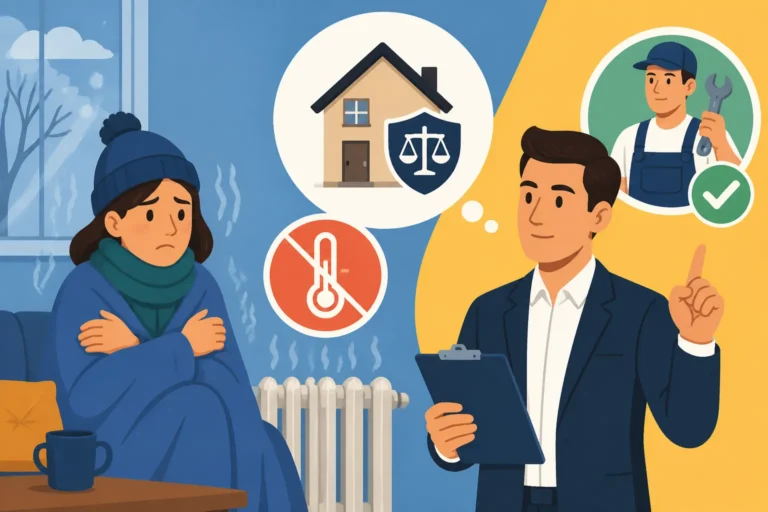
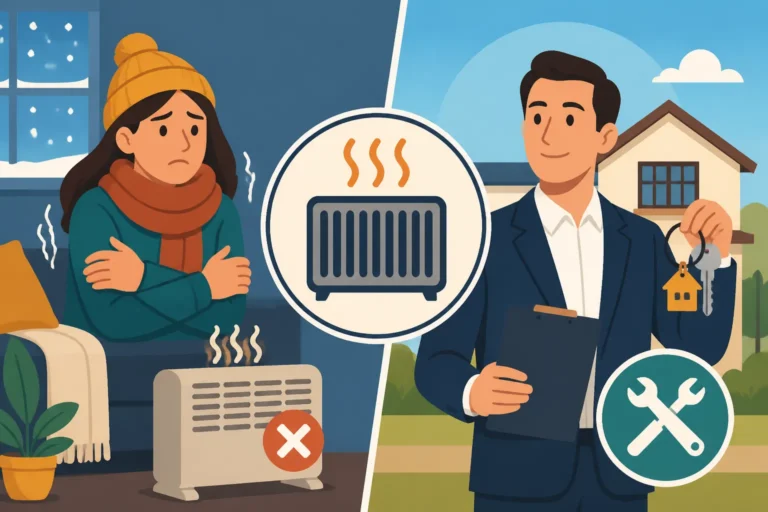
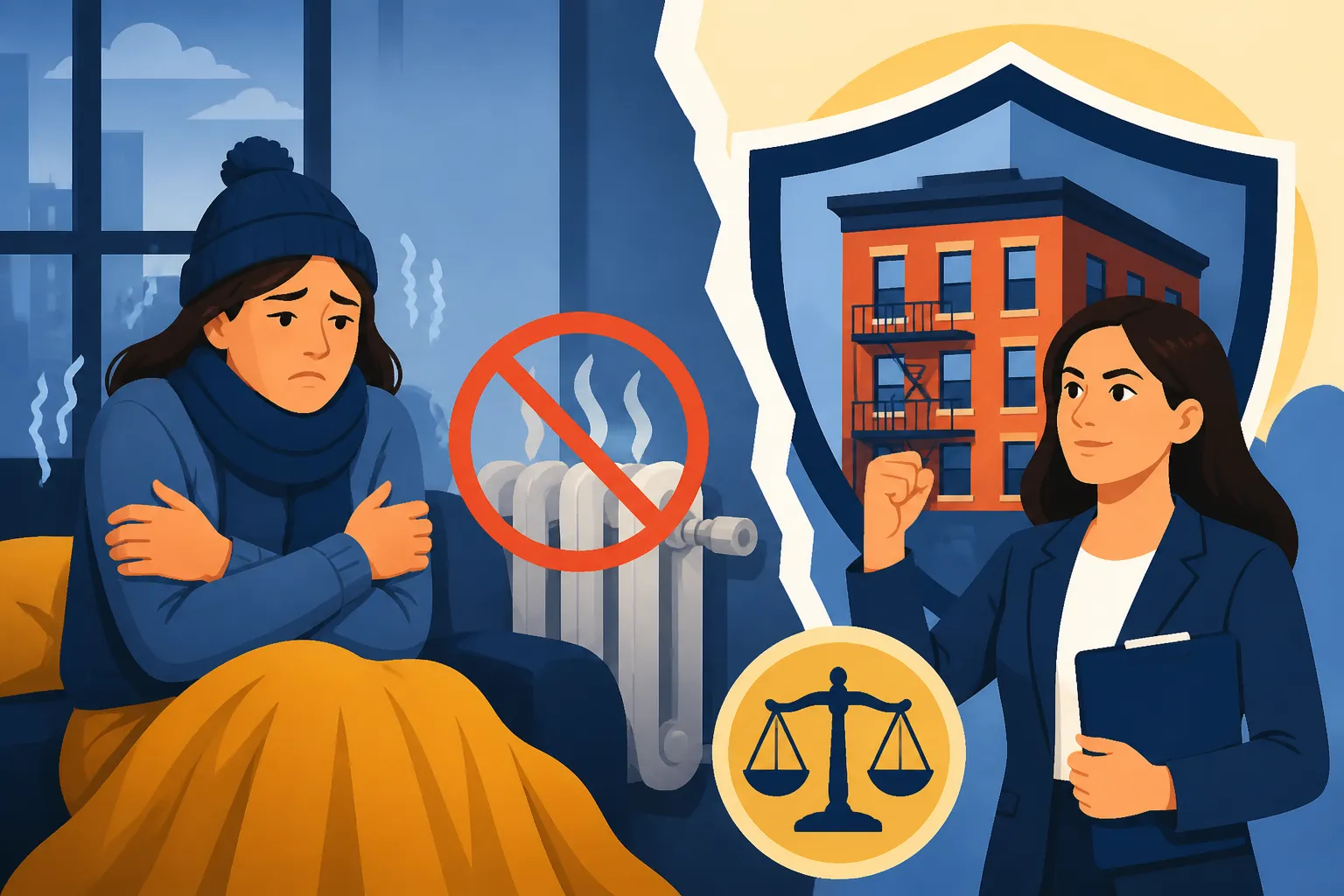
There’s almost nothing worse than bundling up in your own home because the heat has decided to take an unscheduled vacation. When the temperatures drop, especially during New York’s notoriously chilly winters, a lack of heat isn't just uncomfortable; it can be downright dangerous, impacting your health and well-being. This guide is here to walk you through your fundamental tenant rights in New York when facing a heating crisis and equip you with the practical steps you can take to get your warmth back.
The Implied Warranty of Habitability in New York
Let's start with the cornerstone of tenant protections in New York: the implied warranty of habitability. This isn't just a nice idea; it's a fundamental legal principle baked into every residential lease, whether written or verbal, across the entire state, including New York City. What it means is that your landlord is legally obligated to provide and maintain a safe, sanitary, and livable living space for you. This isn't something you have to ask for or have explicitly written in your lease; it's automatically there.
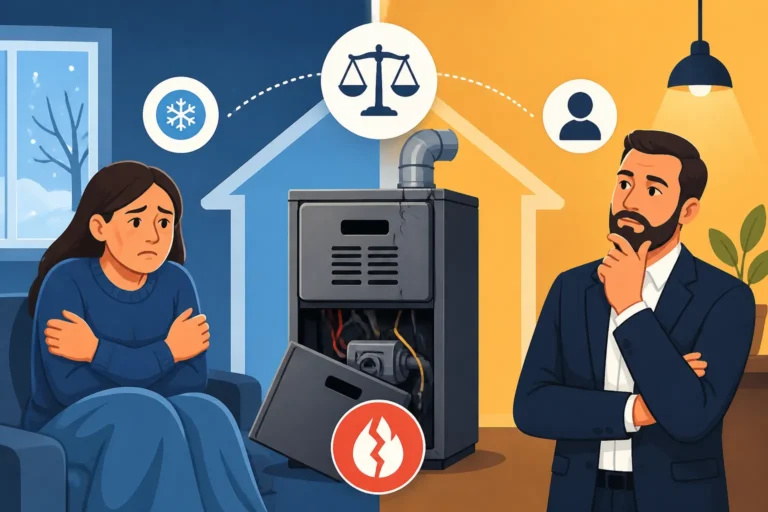
A crucial part of this warranty is the expectation that your apartment will have essential services, and heat during the colder months is absolutely at the top of that list. If your heating system fails, or if your landlord simply isn't providing adequate heat, they are very likely in breach of this implied warranty. This legal standing is what gives tenants the power to demand repairs and, if necessary, pursue further action. It's not about being demanding; it's about your basic right to a habitable home.
What Constitutes a Habitability Issue
When we talk about a habitability issue, we're not just talking about minor annoyances. These are problems that significantly impact your ability to live safely and comfortably in your rental unit. A complete lack of heat, or even consistently inadequate heat, during the designated "heat season" absolutely falls into this category. It's a health and safety concern, particularly for vulnerable populations like the elderly, young children, or individuals with medical conditions.
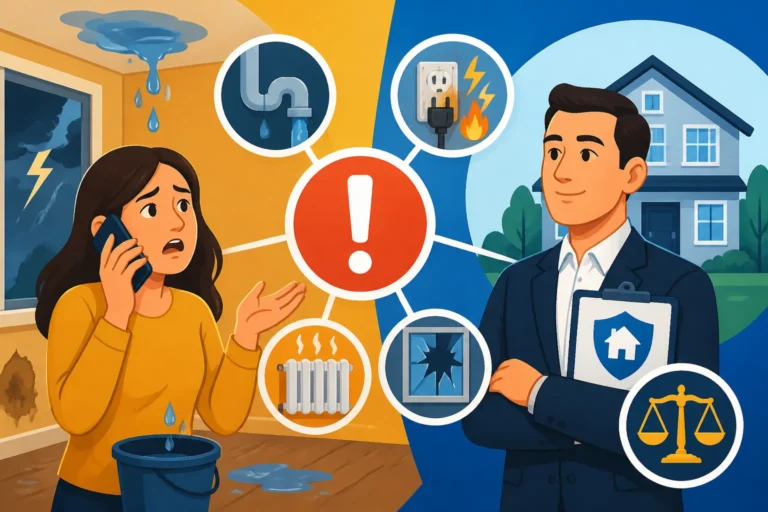
Beyond just the temperature, habitability issues can also include things like severe pest infestations, a lack of hot water, structural dangers, or hazardous electrical problems. The common thread is that these conditions make your living space unsafe, unsanitary, or unfit for human occupancy. A landlord's failure to address these issues promptly and effectively is a direct violation of their responsibilities, empowering you, the tenant, to seek remedies.
The Minimum Heat Requirements in New York
New York takes heat very seriously, and specific regulations dictate just how warm your apartment needs to be. It’s critical to understand that the rules are often stricter within New York City than in other parts of the state, so it’s important to know where you stand. Generally, the "heat season" in New York runs from October 1st to May 31st.
In New York City, the Department of Housing Preservation and Development (HPD) enforces strict rules. During the day, from 6:00 AM to 10:00 PM, if the outside temperature falls below 55 degrees Fahrenheit, your indoor temperature must be at least 68 degrees Fahrenheit. At night, from 10:00 PM to 6:00 AM, if the outside temperature drops below 40 degrees Fahrenheit, your apartment must be at least 55 degrees Fahrenheit. This dual standard ensures comfort during active hours and prevents pipes from freezing overnight.
For areas outside of New York City, specific heat requirements can vary slightly by municipality, but generally, landlords are still required to provide adequate heat during the heat season. Most local codes will mirror the NYC standard of requiring indoor temperatures to be at least 68 degrees Fahrenheit when the outside temperature drops below a certain threshold, often 55 degrees Fahrenheit. It's always a good idea to check your local city or county housing codes, as some may have their own slightly different ordinances. For example, cities like Buffalo or Syracuse, which experience brutal winters, often have robust local codes to protect tenants.
Here's a quick summary of the general heating rules in New York:
| Time Period | Outside Temperature | Required Indoor Temperature (NYC) | General Required Indoor Temperature (Outside NYC) |
|---|---|---|---|
| Heat Season | October 1st – May 31st | N/A | N/A |
| Day (6 AM – 10 PM) | Below 55°F | At least 68°F | At least 68°F (check local code) |
| Night (10 PM – 6 AM) | Below 40°F | At least 55°F | Adequate to prevent freezing (check local code) |
Knowing these specific numbers is your first line of defense. If your apartment isn't meeting these minimums, your landlord is in violation.
Your Step-by-Step Guide to Action When There's No Heat
It can feel overwhelming and frustrating when you're shivering in your own home, unsure of what to do. But you do have recourse. The key is to act systematically and document everything. Don't just suffer in silence; take these steps to protect your rights and get the problem resolved.
Documenting the Problem Thoroughly
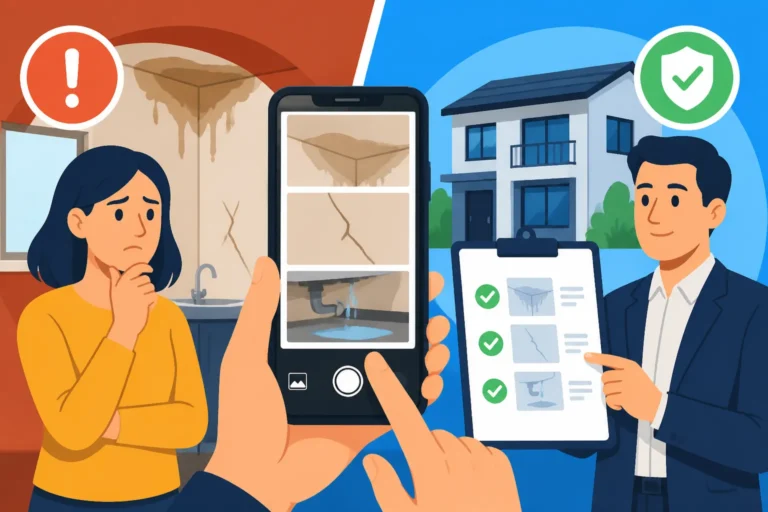
This is perhaps the most critical step you can take. If there's no paper trail, it's much harder to prove your case later. Start documenting the moment you realize there's a problem. Take photos and videos showing thermometers indicating the low temperature inside your apartment, especially alongside proof of the outside temperature (a screenshot from a reliable weather app with a timestamp works well).
Keep a detailed log of every instance the heat is out or insufficient. Note the exact dates and times, how long the issue lasted, and the approximate indoor temperature. Include any specific symptoms you're experiencing, like frozen pipes or visible breath indoors. If you have any health conditions exacerbated by cold, mention those in your notes, but avoid medical advice. This meticulous record will be invaluable if you need to escalate the issue or even consider something like suing a landlord for your deposit.
Notifying Your Landlord in Writing
Once you have your initial documentation, the very next step is to formally notify your landlord. Do not rely on phone calls alone, no matter how urgent it feels. Always put your request in writing. An email is often the quickest and most effective method, as it creates an automatic timestamp. You can also send a certified letter with a return receipt for undeniable proof of delivery.
Your written notice should be clear, concise, and professional. State that there is no heat, the date and time you noticed it, and specifically refer to the implied warranty of habitability and New York's heat requirements. Request immediate repair and provide a reasonable timeframe for them to fix it, usually 24 to 72 hours for critical issues like heat. Keep copies of all correspondence. This is a crucial step if you ever need to send a security deposit demand letter or take further action.
When to Escalate: Official Complaints and Legal Options
If your landlord fails to respond or doesn't resolve the heating issue within a reasonable timeframe (typically 24-72 hours for emergencies like no heat), it's time to escalate. Your next move depends on where you live in New York.
In New York City, you should immediately contact 311. This is the city's non-emergency service hotline and a central point for housing complaints. When you call 311, you'll be given a complaint number, which you should meticulously record in your log. The Department of Housing Preservation and Development (HPD) will then investigate, and if a violation is found, they can issue orders to the landlord and even make emergency repairs themselves, billing the landlord.
Outside of NYC, you'll want to contact your local city or county housing authority or code enforcement office. They perform a similar function to HPD, investigating complaints and issuing violations. Don't underestimate the power of these official channels; government agencies can put significant pressure on landlords.
If the situation remains unresolved and the conditions are severe and persistent, you may need to explore more drastic legal options. One option could be to How to Get a Landlord to Make Repairs, which can involve a housing court action to force the landlord to act. In extreme, long-term cases where the landlord has completely failed to provide essential services and made the unit unlivable, tenants might explore the concept of constructive eviction, where the tenant is essentially forced to move out due to the landlord's neglect. This is a serious legal claim and usually requires consultation with a legal professional.
Potential Recourse and What You Can Expect
When your landlord isn't upholding their end of the bargain, you have rights that extend beyond just complaining. It’s vital to understand what legal options are truly available to you in New York, as some common tenant actions, while popular in theory, carry significant risks if not executed properly.
Repair and Deduct or Rent Withholding: New York's Stance
Many tenants hear about "repair and deduct" or "rent withholding" as ways to force a landlord's hand. In New York, these options are extremely risky and generally not advisable without specific legal guidance or a court order. New York State law does not explicitly allow tenants to repair and deduct from rent for habitability issues, unlike some other states where Repair and Deduct by State is a more straightforward process.
If you unilaterally withhold rent or pay for repairs and deduct them without proper authorization, your landlord could initiate an eviction proceeding for non-payment of rent. Even if you believe you are justified, a judge might not agree, and you could end up facing serious consequences, including eviction and potential financial penalties. While the law implies you have a right to a habitable apartment, it doesn't automatically grant you the right to stop paying rent to achieve it. Your best bet for such actions is typically to seek a court order or work with legal aid.
Suing Your Landlord for Damages
If you've suffered financial losses directly because of the lack of heat – perhaps you had to stay in a hotel, buy space heaters, or even suffered property damage from frozen pipes – you might be able to sue your landlord for damages. This usually happens in small claims court. The amount you can sue for in New York's Small Claims Court varies by jurisdiction, but generally ranges from $3,000 to $10,000. For instance, in New York City, the limit is $10,000, but in some upstate towns, it might be lower.
When considering this route, remember that you’ll need all that meticulous documentation we talked about earlier: photos, videos, temperature logs, written communication with your landlord, and receipts for any expenses incurred. You'll need to demonstrate that your landlord was aware of the issue, failed to address it, and that their inaction directly led to your damages. While it can be intimidating, Suing a Landlord for Your Deposit Small Claims & Penalties is a viable option for many tenants seeking redress for landlord negligence. For added peace of mind, make sure your personal belongings are covered by renter's insurance. Companies like Lemonade offer affordable plans that can cover your possessions in case of damage from issues like burst pipes caused by a lack of heat.
Dealing with Retaliation
It's a legitimate concern that your landlord might retaliate if you assert your rights, especially by complaining to authorities or withholding rent (even if advised against it). New York law has strong protections against landlord retaliation. It's illegal for a landlord to take adverse action against you – such as raising your rent, decreasing services, or trying to evict you – simply because you've exercised your legal rights.
If your landlord takes any action against you within a certain period (typically six months to a year, depending on the specifics and location) after you've made a good-faith complaint about habitability issues, that action is presumed to be retaliatory. This means the burden of proof shifts to the landlord to show that their actions were not retaliatory. If you believe you're a victim of retaliation, you should seek legal counsel immediately. Documenting every interaction and keeping detailed records, even about something as seemingly minor as a missed appointment, is crucial here.
Important Considerations and Prevention
Navigating a no-heat situation can be stressful, but understanding the bigger picture and taking proactive steps can make a huge difference. Your lease and even your insurance coverage play significant roles you might not immediately consider.
Lease Clauses and Their Impact
While the implied warranty of habitability exists regardless of your lease, it's always wise to review your rental agreement. Some leases might include specific clauses about heating maintenance, emergency repairs, or even outline procedures for reporting issues. Knowing what your lease says can either reinforce your rights or alert you to potential misunderstandings. Be wary of any clauses that attempt to waive your right to heat or other essential services, as these are generally unenforceable under New York law due to the implied warranty.
Sometimes, a detailed lease agreement provided by a landlord using platforms like TurboTenant might clearly spell out responsibilities, which can be helpful. However, always remember that even the most comprehensive lease cannot override state and local laws designed to protect tenants' health and safety. If you're ever unsure about a clause, consult with a tenant rights organization or legal aid.
Tenant Insurance and Unexpected Issues
While your landlord is responsible for maintaining the property and providing heat, they are generally not responsible for your personal belongings. This is where tenant insurance, also known as renter's insurance, comes in. If a lack of heat leads to frozen or burst pipes, causing water damage to your furniture, electronics, or clothes, your landlord's property insurance (which companies like Steadily provide to landlords) will only cover the building itself, not your personal possessions.
Having your own renter's insurance can save you a huge headache and significant financial loss in such scenarios. Policies are often surprisingly affordable and can cover not just damage from burst pipes, but also theft, fire, and even liability if someone is injured in your apartment. It's a small investment that offers a big layer of protection against unexpected issues.
Disclaimer
Please note that this guide provides general information about tenant rights concerning no heat in New York and should not be construed as legal advice. Landlord-tenant laws can be complex and are subject to change, varying by specific locality within New York State. For advice tailored to your individual situation, it is highly recommended to consult with a qualified attorney or a tenant rights organization.