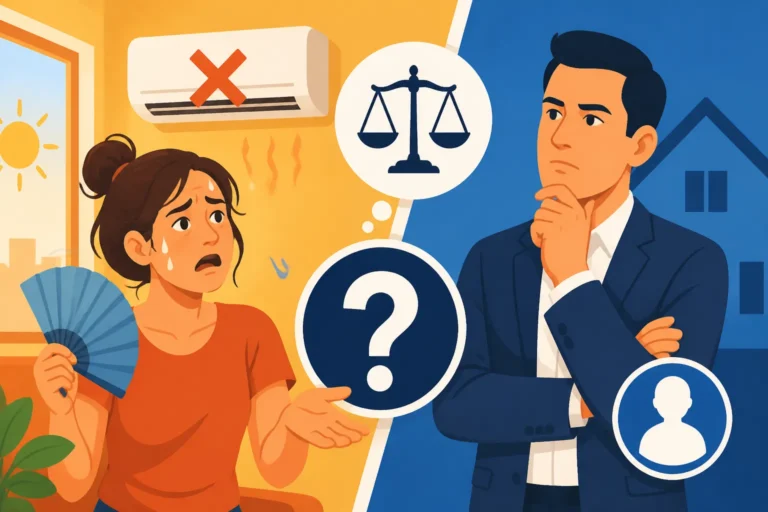
Repair and Deduct Laws in Ohio
When you're a renter, few things are as frustrating as dealing with a landlord who drags their feet on essential repairs. You've given notice, you've waited, and yet that leaky faucet is still dripping, or worse, your heat is out in the dead of winter. It's natural to think, "Can't I just fix this myself and take it out of next month's rent?" While many states have clear "repair and deduct" laws, Ohio's approach is a bit different, and navigating it requires careful steps to protect your tenancy. This comprehensive guide will walk you through the specifics of Ohio's landlord-tenant laws regarding repairs, focusing on the available legal remedies and how you can enforce your right to a safe and habitable home.
Understanding Ohio's Approach to Tenant Repairs
It's important to set expectations right away: Ohio doesn't have a direct "repair and deduct" statute in the same way some other states do. This can be incredibly frustrating for tenants who feel they're left without a clear path to get urgent issues resolved. Instead, Ohio law provides specific, structured avenues for tenants to address landlord neglect, primarily through the rent escrow process. Going rogue and simply deducting the cost of repairs from your rent, even if you feel completely justified, can open you up to legal trouble, including eviction.
The Legal Basis: Ohio Revised Code
Ohio's landlord-tenant laws, primarily found in the Ohio Revised Code (ORC), outline the rights and responsibilities of both parties. For tenants, ORC 5321.07 and 5321.04 are particularly relevant when it comes to repairs.
ORC 5321.04 clearly states a landlord's duties, which include:
- Maintaining a habitable dwelling: The landlord must ensure the rental unit is safe and sanitary. This means keeping the premises in a fit and habitable condition.
- Making necessary repairs: They are responsible for making all repairs and doing whatever is reasonably necessary to put and keep the premises in a fit and habitable condition.
- Maintaining common areas: Keeping all common areas of the premises in a safe and sanitary condition.
- Providing essential services: This often includes maintaining electrical, plumbing, sanitary, heating, ventilating, and air conditioning fixtures and appliances where supplied, and supplying running water, reasonable amounts of hot water, and heat at all times, unless the building is not required by law to be equipped for that purpose. For a deep dive into what your landlord is responsible for, you might want to check out our guide on Landlord Repair Responsibilities What They Must Fix.
The critical takeaway here is that while landlords have these duties, the process for tenants to enforce them in Ohio doesn't typically involve directly deducting repair costs from rent. If you simply make repairs and deduct, you're essentially withholding rent, which is a major lease violation and could lead to an eviction for nonpayment of rent, even if you believe you were within your rights.
Why Direct Repair and Deduct is Risky in Ohio
Imagine you're renting an apartment in Columbus, and your stove breaks down. You notify your landlord, but after weeks, nothing happens. You find a replacement on sale and pay for installation, then subtract the cost from your next rent payment. Sounds reasonable, right? In Ohio, this could land you in serious trouble.
Because Ohio law does not explicitly grant tenants the right to repair and deduct, a landlord can consider any deducted amount as unpaid rent. This means they can serve you with a 3-day notice to quit for non-payment. If you don't pay the full, original rent amount (without the deduction), they can proceed with an eviction lawsuit, known as an "unlawful detainer" action. Even if you ultimately win in court by proving the landlord failed to make repairs, the eviction process itself is stressful, costly, and can leave a negative mark on your rental history. It's a high-stakes gamble that most tenants should avoid without specific legal advice.
Ohio's Legal Remedies for Unmade Repairs
So, if direct repair and deduct isn't the way to go, what are your options when your Ohio landlord isn't holding up their end of the bargain? Ohio law provides a powerful mechanism for tenants: the rent escrow account.
The Rent Escrow Option
This is the primary legal path for Ohio tenants to compel landlords to make necessary repairs. It's a structured process designed to put pressure on your landlord while protecting you from claims of non-payment of rent. Here's how it generally works under ORC 5321.07:
- Notify Your Landlord in Writing: This is step number one, and it's absolutely crucial. You must provide your landlord with written notice of the repairs needed. This notice should be detailed, listing the specific issues that affect the habitability or safety of your rental unit. Make sure to keep a copy for your records, and send it via certified mail with a return receipt requested. This provides undeniable proof that your landlord received the notice. We have a helpful guide on How to Request Repairs in Writing that details what to include.
- Real-life example: You've got a leaky roof in your Cleveland apartment, causing water stains and potential mold. Your letter should clearly state: "There is an active leak in the ceiling of the living room, visible damage to the drywall, and water pooling on the floor. This constitutes a breach of your duty to maintain a habitable premises under ORC 5321.04."
- Wait a "Reasonable Time": After giving written notice, you must give your landlord a "reasonable time" to make the repairs. What constitutes "reasonable" can vary. For non-emergency repairs, this is often considered to be 30 days. However, for emergencies that affect health and safety, like no heat in winter or no running water, "reasonable time" can be much shorter – sometimes as little as 24-72 hours. Our articles like How Long Does a Landlord Have to Make Repairs By State or Tenant Rights With No Heat in Winter can offer more context on timelines for specific issues.
- Deposit Rent with the Court (Rent Escrow): If your landlord fails to make the necessary repairs within that reasonable timeframe, you can then deposit your monthly rent payments into an escrow account with the Clerk of Courts for the municipal or county court where your rental property is located.
- The process: You'll file a complaint, typically called a "Complaint for the Deposit of Rent" or similar. You'll need to pay your rent directly to the court, not your landlord. You'll also need to provide the court with:
- Your written notice to the landlord.
- Proof the landlord received it (like the certified mail return receipt).
- Evidence that the repairs haven't been made (photos, follow-up communication, etc.).
- What happens next: The court will schedule a hearing. Both you and your landlord will present your cases. The landlord must demonstrate that they have fixed the problems or explain why they haven't. If the court finds in your favor, they might order the landlord to make the repairs, release the escrowed rent to pay for the repairs, or even reduce your rent. Meanwhile, the rent sits safely with the court, signaling that you are willing to pay, but only when your landlord fulfills their obligations. You can learn more about this general process in our piece on Withholding Rent & Rent Escrow.
- The process: You'll file a complaint, typically called a "Complaint for the Deposit of Rent" or similar. You'll need to pay your rent directly to the court, not your landlord. You'll also need to provide the court with:
Lease Termination or Damage Claims
If the landlord fails to remedy the condition after you've followed the notice requirements and a reasonable time has passed, ORC 5321.07 also allows a tenant to terminate the rental agreement. This is a significant step and should not be taken lightly. It's advisable to consult with a legal professional before attempting to terminate your lease due to uninhabitable conditions. You might also be able to recover actual damages resulting from the landlord's failure to comply with the lease or their duties, but pursuing damages typically means filing a separate lawsuit, not just deducting from rent. For more information on ending your lease due to unaddressed issues, see our article on Breaking a Lease for Uninhabitable Conditions.
The Importance of Written Communication
I cannot stress this enough: documentation is everything. Every interaction related to repairs, from your initial request to subsequent follow-ups, needs to be in writing. Phone calls are fine for initial contact, but always follow up with a written summary.
Think of it this way: if your case ends up in court, a judge needs concrete evidence, not "he said, she said." A text message showing you sent a maintenance request to your landlord, or an email chain documenting their lack of response, can be invaluable. Even better is certified mail for formal notices. This paper trail demonstrates that you acted responsibly and in accordance with the law. Platforms like TurboTenant, often used by landlords for property management, can sometimes facilitate official repair requests, which can provide a documented trail, but as a tenant, you need to ensure you have your own copies.
Practical Steps Before Taking Action
Before you even think about rent escrow, there are critical steps you should take to strengthen your position and ensure you're on the right side of Ohio law.
Document Everything Meticulously
From the moment you notice a repair issue, start documenting. This isn't just about sending a notice; it's about building a comprehensive case.
- Photos and Videos: Take timestamped photos and videos of the damage, the lack of repair, and how it impacts your living conditions. If a pipe is leaking, photograph the leak, the water damage, and any resulting issues like mold growth or ruined personal property.
- Communication Records: Keep copies of all emails, text messages, and certified mail receipts. Note down dates, times, and summaries of any phone conversations, including who you spoke with.
- Repair Estimates: If feasible, obtain written estimates from qualified professionals for the cost of the necessary repairs. This can show the court the legitimacy of your repair claim, even if you don't end up paying for it yourself.
- Personal Notes: Keep a detailed journal of events, including when you noticed the issue, when you contacted the landlord, their response (or lack thereof), and any impact on your daily life.
Consider a situation where your refrigerator breaks in your Toledo rental. You've sent a written request, but after two weeks, it's still broken, and your groceries are spoiling. You'd document the broken fridge with a dated photo, the initial repair request, any follow-up texts, and perhaps a quote for a repair or replacement. This kind of robust evidence is crucial. For more tips, refer to our guide on How to Document Repair Problems.
Seek Legal Counsel
Landlord-tenant law can be complex, and Ohio's nuances regarding repairs make it particularly tricky. While this guide provides general information, it's not a substitute for legal advice tailored to your specific situation.
- Local Legal Aid: Many communities in Ohio have legal aid societies that offer free or low-cost assistance to tenants. For example, Legal Aid Society of Cleveland or Legal Aid of Western Ohio can be invaluable resources.
- Tenant Rights Organizations: Organizations dedicated to tenant rights can provide guidance, resources, and sometimes even legal representation.
- Private Attorneys: If your situation is particularly complex or involves significant damages, consulting with a private attorney specializing in landlord-tenant law is a wise investment. They can help you understand the full scope of your rights, navigate the rent escrow process, and represent you in court if necessary.
An attorney can help you determine if the issue you're facing qualifies as a breach of the implied warranty of habitability, a key legal concept meaning your landlord must provide a safe and livable home. Our guide on the Implied Warranty of Habitability Explained goes into more detail.
Understanding Your Lease Agreement
Always, always review your lease agreement. While state law always supersedes any contradictory lease clauses, your lease might outline specific procedures for requesting repairs or addressing maintenance issues. Some leases might specify emergency contact numbers or timelines for certain types of repairs.
However, be aware that any clause in your lease that attempts to waive your landlord's duties under ORC 5321.04 is likely unenforceable. For instance, a clause stating "tenant is responsible for all structural repairs" would generally be void if it conflicts with the landlord's statutory duty to maintain a fit and habitable premises. Companies like Steadily and Lemonade, which provide landlord insurance, often encourage their clients to maintain properties to prevent costly claims, indirectly reinforcing the importance of clear lease terms and prompt repairs.
Comparing Repair & Deduct vs. Ohio's Rent Escrow
To help you visualize the difference between the common "repair and deduct" concept and Ohio's actual legal remedy, here's a comparison:
| Feature | Direct Repair & Deduct (Generally NOT Supported in Ohio) | Ohio's Rent Escrow (Legal Path) |
|---|---|---|
| Legal Basis | No explicit statute in Ohio | Ohio Revised Code 5321.07 |
| Tenant Action | Arranges and pays for repairs, then subtracts from rent | Pays rent into a court-held escrow account |
| Risk to Tenant | High risk of eviction for non-payment, legal disputes | Lower risk, legally protected if proper steps followed |
| Landlord Involvement | Limited to receiving notice and potentially disputing | Required to address issues or face court intervention |
| Proof Required | Extensive documentation of need, notice, repair costs | Extensive documentation of need, notice, court filings, rent payments |
| Court Involvement | Likely if landlord disputes, potentially for eviction | Mandatory to initiate and resolve the dispute |
| Typical Outcome (if successful) | Tenant keeps deducted amount (if validated by court) | Court orders repairs, releases escrow funds to landlord or tenant for repairs, or grants other remedies |
Final Thoughts on Ohio Repair Laws
Dealing with a landlord who won't make necessary repairs is incredibly stressful, and it often feels like you're fighting an uphill battle. While the idea of "repair and deduct" might seem like a straightforward solution, it's crucial to understand that Ohio law does not explicitly permit this. Instead, the rent escrow process, outlined in the Ohio Revised Code, is your strongest legal tool. It ensures that you're operating within the bounds of the law, protecting yourself from potential eviction while still compelling your landlord to fulfill their responsibilities. Always prioritize clear, written communication and, when in doubt, consult with a legal professional who can guide you through the specific nuances of your situation.
Disclaimer
Please note that this guide provides general information about landlord-tenant laws in Ohio and should not be considered legal advice. Laws can change, and individual situations vary. It is always recommended to consult with a qualified attorney or legal aid organization for advice specific to your circumstances.