Repair and Deduct Laws in Georgia
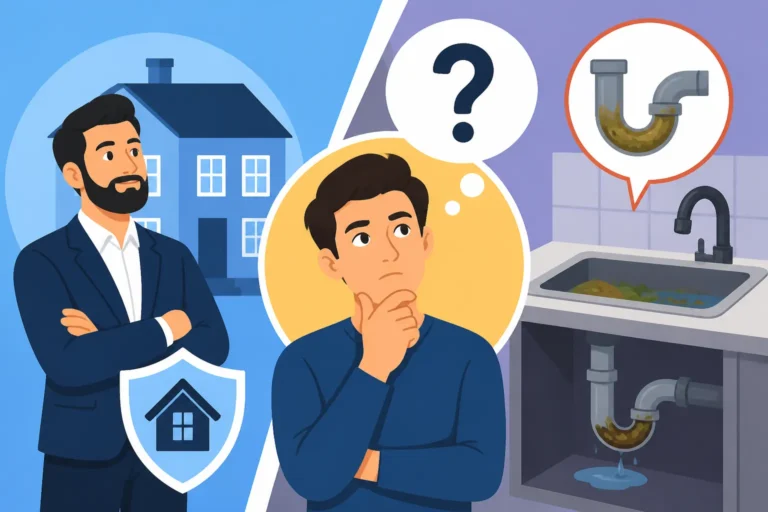
It’s incredibly frustrating when your rental property has a major problem – maybe the AC goes out in the Georgia summer, or you’ve got a persistent leak – and your landlord just isn't responsive. You've asked, you've waited, and you're at your wit's end, wondering if you can just fix it yourself and subtract the cost from the rent. This guide will dive deep into the specific laws in Georgia surrounding "repair and deduct" and explore what options tenants actually have when faced with a landlord who won't make necessary repairs.
Understanding Georgia's Stance on Repair and Deduct
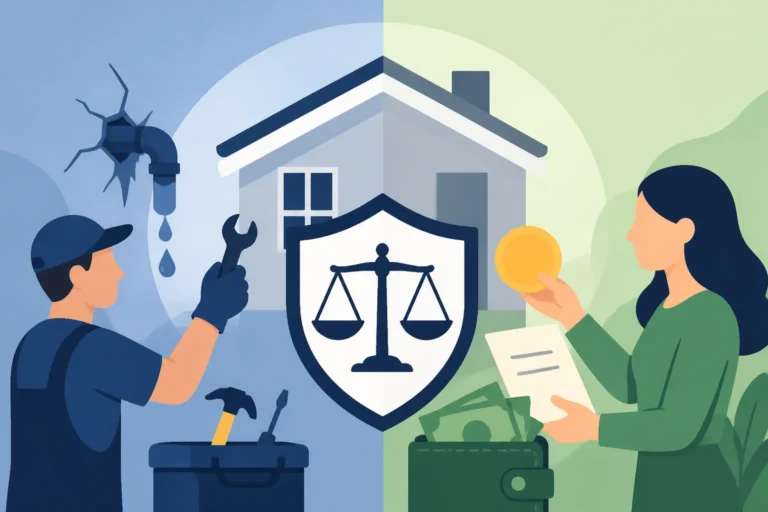
Many tenants across the country hear about "repair and deduct" as a powerful tool to get landlords to uphold their end of the lease, especially when it comes to maintaining a habitable living space. However, it's really important to understand that not all states treat this remedy the same way. Georgia's approach to tenant self-help for repairs is quite different from what you might find in other places, and it's crucial to know the rules before you take action that could put your tenancy at risk.
The Legal Framework in Georgia
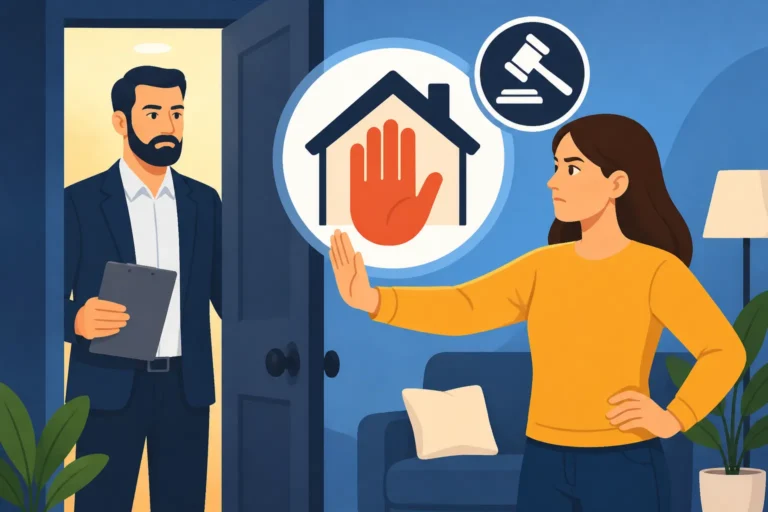
When it comes to the legal landscape for tenants in Georgia, the "repair and deduct" remedy, where a tenant fixes a problem and subtracts the cost from the rent, is generally not explicitly allowed or favored by state law. This often comes as a surprise and a major point of frustration for tenants dealing with neglected repairs. Unlike some states that have clear statutes outlining when and how a tenant can perform a repair and deduct the cost, Georgia's landlord-tenant laws, primarily found in Title 44, Chapter 7 of the Official Code of Georgia Annotated (O.C.G.A. § 44-7-13), emphasize the landlord's duty to keep the premises in repair but don't automatically grant tenants the right to undertake those repairs themselves and then deduct.
Georgia law does impose an "implied warranty of habitability" on landlords, meaning they have a fundamental obligation to provide and maintain a safe and livable rental unit. This includes making sure essential services like plumbing, heating, and structural components are in good working order. If your landlord fails in this duty, they are in breach of the lease and state law. However, the remedies for this breach in Georgia typically lean towards other actions rather than direct repair and deduct. Courts in Georgia are generally hesitant to endorse self-help remedies like repair and deduct without explicit statutory authority or a very specific clause in your lease agreement. Engaging in repair and deduct without this clear legal backing can be considered a breach of your lease (specifically, withholding rent) and could open you up to an eviction lawsuit for non-payment of rent. This is a significant risk that many tenants aren't aware of, often assuming it's a universal right.
When "Repair and Deduct" Might Seem Like an Option But Often Isn't
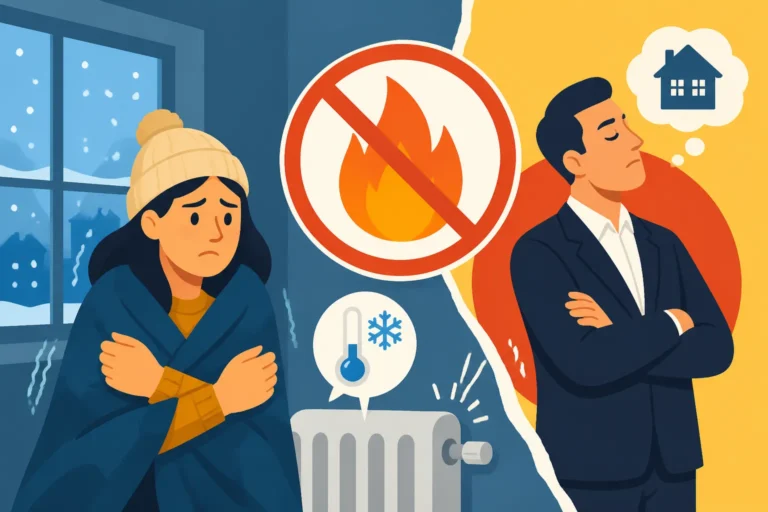
The idea of "repair and deduct" is incredibly appealing when you're living with a broken appliance, a leaky roof, or a non-functioning heater. It feels like a logical, immediate solution when a landlord drags their feet. Imagine it’s the dead of winter in Atlanta, and your furnace completely gives out. You call your landlord repeatedly, send emails, and days pass with no heat. The temptation to call a local HVAC company, pay out of pocket, and then just subtract that cost from next month's rent is powerful. Or perhaps you're in Savannah, and a severe thunderstorm causes a roof leak that's damaging your belongings and creating mold. It feels like you have to act.
In these hypothetical, high-stress scenarios, tenants might understandably feel justified in pursuing a repair-and-deduct approach. However, in Georgia, doing so without clear legal precedent or explicit lease language is a very risky maneuver. The primary concern is that the landlord could interpret the deducted amount as unpaid rent, leading to a "failure to pay rent" eviction notice. Even if you believe your actions were justified, you would then have to prove your case in court, which can be an expensive and time-consuming process with an uncertain outcome. This is why understanding the alternatives and the proper steps to take is so critical in Georgia.
Essential Steps Before Considering Self-Help Repairs in Georgia
Given that direct "repair and deduct" is not a common or explicitly allowed remedy for tenants in Georgia, it becomes even more crucial for tenants to follow proper procedures when facing neglected repairs. The path forward must be one that establishes a clear record, demonstrates due diligence, and ultimately protects your rights while minimizing legal risk.
Notifying Your Landlord Effectively
Before you even think about fixing anything yourself or exploring other remedies, your absolute first step must be to provide formal, written notice to your landlord about the repair issue. This isn't just a suggestion; it's a fundamental requirement to protect yourself legally. A casual phone call or a quick text message often isn't enough in court, even if it feels sufficient at the moment. You need a paper trail that clearly shows you informed your landlord, when you informed them, and what the specific problem was.
Your written notice should include:
- Specific Details: Clearly describe the problem. "My sink is broken" isn't as effective as "The kitchen sink faucet has a constant drip, and the hot water handle is loose, causing water to pool under the sink."
- Date and Time: Note when the notice was sent.
- Requested Action: State that you expect the landlord to make the necessary repairs promptly.
- Urgency: If it's an emergency repair – like no heat in winter, a burst pipe, or exposed electrical wiring – clearly state the immediate danger or impact on habitability. Learn more about What Counts as an Emergency Repair?.
- Timeline: While Georgia law doesn't specify a strict "reasonable time" for all repairs, common practice suggests what's appropriate. For emergencies (like no heat or hot water), 24-72 hours might be considered reasonable. For non-emergencies (like a leaky faucet), 7-14 days might be expected. However, this is largely dependent on the severity and nature of the issue.
It’s best to send this notice via certified mail with a return receipt requested. This provides undeniable proof that your landlord received the notice and when. If you use email, ensure you request a read receipt or follow up with a physical letter. Keeping a copy of everything you send is non-negotiable. For a deeper dive into crafting these communications, check out our guide on How to Request Repairs in Writing.
Documenting Everything Meticulously
From the moment you discover a repair issue, you need to become a meticulous record-keeper. This isn't just about sending notice; it's about building a comprehensive case that proves the problem existed, you informed your landlord, and they failed to act. Without strong documentation, your claims in court could be easily dismissed.
Here's what you should document:
- Photos and Videos: Take clear, timestamped photos and videos of the damage. Show the extent of the problem, any property damage it caused, and the overall impact on your living conditions. If the leak is causing mold, document that progression.
- Communication Log: Keep a detailed log of all interactions with your landlord or property manager. Note dates, times, who you spoke with, what was discussed, and any promises made. This includes phone calls, emails, texts, and in-person conversations.
- Copies of Notices: Retain copies of every written notice you send to your landlord, along with postal receipts.
- Witness Statements: If friends, family, or maintenance workers have observed the conditions, ask if they would be willing to provide a written statement.
- Estimates/Receipts: If you get an estimate for the repair (even if you don't proceed with it), keep a copy. If you incur any out-of-pocket expenses due to the disrepair (e.g., staying in a hotel due to no heat), keep those receipts. This documentation is crucial if you later decide to sue for damages.
This comprehensive record will be invaluable if you ever need to take legal action or defend yourself against an eviction. For more guidance on this, review our article on How to Document Repair Problems.
Alternatives to Repair and Deduct in Georgia
Since Georgia law doesn't broadly support a tenant's right to repair and deduct, it's essential for tenants to understand the other legal avenues available when a landlord fails to uphold their maintenance responsibilities. These alternatives, while perhaps not as immediate as self-help, are the legally recognized ways to address a landlord's inaction in the state of Georgia.
Constructive Eviction and Lease Termination
One of the more drastic, but legally sound, remedies for severe habitability issues in Georgia is "constructive eviction." This isn't a literal eviction by the landlord; rather, it's a situation where the landlord's neglect makes the rental unit so unlivable that you, as the tenant, are essentially forced to move out. When this happens, Georgia law may consider the landlord to have "constructively" evicted you, releasing you from your lease obligations.
For a claim of constructive eviction to be valid in Georgia, several conditions generally must be met:
- Major Violation: The issue must be severe enough to render the property genuinely uninhabitable. This isn't about minor annoyances but significant health and safety hazards, like no running water, a severely damaged roof, persistent sewage backups, or major pest infestations that the landlord refuses to address.
- Landlord Notice: You must have given your landlord proper, written notice of the issues and a reasonable opportunity to fix them. Your detailed documentation (as discussed above) is absolutely critical here.
- Landlord Failure to Act: The landlord must have failed to make the necessary repairs within a reasonable timeframe after receiving your notice.
- Vacating the Premises: You must actually move out of the property due to its uninhabitable condition. You cannot claim constructive eviction if you continue to live there.
If these conditions are met, you may be able to terminate your lease without penalty and potentially sue the landlord for damages (like moving costs, temporary housing, or the difference in rent for a comparable new place). This can be a complex legal area, and it's highly advisable to consult with an attorney before pursuing constructive eviction. For related information, you might find our article on Breaking a Lease Due to Mold or Uninhabitable Conditions helpful, as mold can often be a factor in uninhabitable claims.
Suing for Damages or Specific Performance
If your landlord fails to make necessary repairs, and you choose not to move out, or if you incur costs because of their inaction, you may have the option to sue your landlord in court. This typically happens in Georgia's magistrate court (often called small claims court) for issues involving smaller monetary amounts, or in a higher court for larger claims or to compel action.
There are two primary types of relief you might seek:
- Suing for Damages: This involves seeking monetary compensation for the losses you've suffered due to the landlord's failure to repair. This could include:
- Diminished Value: The difference between the rent you paid and the actual value of the property in its damaged state.
- Out-of-Pocket Expenses: Costs you incurred directly because of the landlord's negligence, such as hotel stays, alternative living arrangements, or property damage to your belongings that was not covered by your renter's insurance. Speaking of which, having renter's insurance from providers like Lemonade can be a lifesaver in these situations, covering your personal property when the landlord's property fails.
- Medical Bills: If the unaddressed issues (like mold or severe cold) led to health problems.
- Suing for Specific Performance: In some cases, instead of (or in addition to) money, you might ask the court to order the landlord to perform the specific repairs they are legally obligated to make. This is less common in small claims court but can be pursued in higher courts.
Before pursuing a lawsuit, it is always recommended to seek legal counsel from a landlord-tenant attorney in Georgia. They can assess the strength of your case, advise you on the best course of action, and guide you through the legal process.
Rent Withholding (With Extreme Caution)
This is perhaps the trickiest and riskiest "alternative" to discuss in Georgia, because, generally speaking, rent withholding is not permitted under Georgia law unless there's a specific agreement in your lease or a court order allowing it. Unlike some other states that have clear statutory provisions for rent withholding or rent escrow accounts when landlords fail to make repairs, Georgia does not.
If you unilaterally decide to withhold rent in Georgia due to your landlord's failure to repair, you are putting yourself in a very precarious legal position. Your landlord can, and likely will, serve you with a "notice to quit" or an eviction notice for non-payment of rent. This would initiate an eviction lawsuit against you, where you would have to defend your actions in court. The burden of proof would be entirely on you to demonstrate that your landlord's breach was so severe that it justified withholding rent, a justification that Georgia courts are very reluctant to accept.
The consequences of an eviction on your record can be severe, impacting your ability to rent in the future. Therefore, while you might hear about rent withholding as a tenant right in other states, in Georgia, it should be approached with extreme caution, and absolutely never without direct legal advice from an attorney familiar with Georgia landlord-tenant law. Our article on Withholding Rent & Rent Escrow explains these nuances in more detail for different states, but remember Georgia is on the stricter side. Also consider the severe implications of What Happens If You Pay Rent Late? and Eviction for Nonpayment of Rent before considering such a risky move.
Practical Considerations and Protecting Yourself
Navigating landlord-tenant issues, especially neglected repairs, can feel like a minefield. Beyond understanding the strict legal limitations in Georgia regarding "repair and deduct," there are several practical steps you can take to protect your interests and ensure you're on solid ground, no matter what challenges arise.
Understanding Your Lease Agreement
Your lease is the foundational contract governing your tenancy, and it's your first and most important document to consult when repair issues arise. Many tenants sign leases without fully reading or understanding every clause, which can lead to unwelcome surprises later.
Here's why your lease is so critical:
- Repair Clauses: Does your lease specifically outline the landlord's responsibilities for repairs and maintenance? Does it define what constitutes an emergency repair and the timeline for addressing it?
- Tenant Responsibilities: Sometimes, leases will shift certain minor maintenance tasks to the tenant (e.g., changing lightbulbs, maintaining the yard). Ensure the repair in question isn't something you are contractually obligated to handle.
- Notice Requirements: The lease might specify the exact method and timeframe for providing notice of a repair issue. Adhering to these terms is vital.
- Waiver Clauses: Be wary of any clauses that attempt to waive your tenant rights or limit the landlord's liability for essential repairs. While some such clauses might be unenforceable under Georgia law (as they conflict with the implied warranty of habitability), they can still create confusion and legal challenges if you act contrary to them.
Always keep a copy of your signed lease agreement in a safe place. If you're unsure about any clause, don't hesitate to seek clarification from your landlord or legal counsel.
The Importance of Renter's Insurance
While renter's insurance doesn't compel your landlord to make repairs, it's an indispensable tool for protecting your personal property from damages that might result from those neglected repairs. Imagine your landlord fails to fix a leaky pipe, and it eventually bursts, ruining your furniture, electronics, and clothing. Without renter's insurance, you'd be solely responsible for replacing those items.
Most renter's insurance policies, like those offered by Lemonade, are surprisingly affordable and provide coverage for:
- Personal Property: Replacing your belongings if they are damaged or destroyed by covered perils such as fire, theft, or water damage (including a burst pipe from a landlord's neglect).
- Liability: Protecting you if someone is injured in your apartment and you are found liable.
- Loss of Use: Covering temporary living expenses (like a hotel stay) if your apartment becomes uninhabitable due to a covered event, such as a major flood from a burst pipe.
Having this safety net can significantly reduce the financial stress and burden if a repair issue escalates and causes damage to your personal property. It's a proactive step every tenant should take.
Seeking Legal Advice
When you're dealing with a landlord who won't make necessary repairs in Georgia, the best advice you can receive is to consult with a qualified landlord-tenant attorney. Real estate law, and tenant rights specifically, can be incredibly nuanced and complex, varying not just by state but sometimes by specific county or city ordinances.
A local attorney can:
- Interpret Your Specific Situation: They can review your lease, your documentation, and the specifics of your repair issue in the context of Georgia law.
- Advise on Best Actions: Based on their expertise, they can tell you which remedies are most likely to succeed and which carry significant risks in Georgia.
- Represent You: If legal action becomes necessary, an attorney can represent you in negotiations or in court, dramatically increasing your chances of a favorable outcome.
- Clarify Rights: They can help you understand your full rights under Georgia's Security Deposit Laws by State (2026), Eviction Process by State (Step-by-Step), and Implied Warranty of Habitability Explained, among other relevant protections.
Trying to navigate these issues alone, especially when facing a landlord who might have more resources and experience with the legal system, can be daunting and lead to costly mistakes. Never hesitate to get professional legal guidance when your housing situation is at stake.
Summary of Tenant Remedies for Landlord Neglect in Georgia
To help clarify the various avenues available to tenants when landlords fail to make repairs, here's a table summarizing the common approaches, highlighting why "repair and deduct" is generally not a safe option in Georgia.
Georgia's Stand on Tenant-Initiated Repairs: What You Absolutely Need to Know
Living in a rental property in Georgia, it's not uncommon for things to break down. From a leaky faucet that just won't quit to an air conditioner that decides to retire in the middle of a sweltering Atlanta summer, repair issues pop up. When your landlord is quick to fix things, life is good. But what happens when days turn into weeks, and your calls and emails about a crucial repair go unanswered? It’s enough to make any tenant feel utterly helpless and, quite frankly, furious. In those moments, the idea of just fixing it yourself and deducting the cost from your next rent payment – the "repair and deduct" method – sounds like a perfectly logical solution. However, when it comes to Georgia, that seemingly straightforward solution is fraught with legal peril for tenants.
Unlike many states that have clear statutes outlining a tenant's right to repair and deduct under specific circumstances, Georgia’s legal landscape is far less tenant-friendly on this particular issue. Simply put, Georgia law generally does not grant tenants the right to unilaterally make repairs and deduct the cost from their rent. This isn't just a nuance; it's a critical difference that can have severe repercussions, including risking eviction, if you proceed without a full understanding of your rights and the law in the Peach State. This guide will walk you through the specifics of Georgia's landlord-tenant laws regarding repairs, explain why repair and deduct is risky, and detail the actual legal remedies available to you when your landlord fails to maintain your rental property.
The Stark Reality: Why Repair and Deduct is Risky in Georgia
Let's cut right to the chase: if you are a tenant in Georgia and are considering fixing a problem yourself and then deducting the expense from your monthly rent, you need to understand that this action is typically viewed as withholding rent. In Georgia, withholding rent is generally not permissible unless your lease specifically allows it (which is rare) or a court has explicitly ordered you to do so. This means that if you deduct money from your rent, your landlord could legally treat that deducted amount as unpaid rent.
What happens next? Your landlord could then issue you a "demand for rent" or a "notice to quit," initiating the formal eviction process. You would then be in court, potentially facing eviction, and the burden would be on you to prove that your actions were legally justified. Unfortunately, without a clear state statute supporting your right to repair and deduct, winning such a case is an uphill battle, and the consequences of an eviction on your record can be long-lasting and severe, making it incredibly difficult to secure future housing.
Imagine you're renting a charming bungalow in Athens. Your refrigerator, provided by the landlord, suddenly stops working. You notify them immediately, but after several days of warm food and spoiled groceries, with no repair in sight, you decide to buy a new, inexpensive fridge and deduct the cost from your next rent payment. While your intentions might be good and the landlord was clearly negligent, under Georgia law, this action could still lead to an eviction notice for partial non-payment of rent. This scenario highlights the core frustration and danger for tenants seeking quick, common-sense solutions.
Understanding the Landlord's Core Responsibilities in Georgia
Despite the limitations on tenant self-help, Georgia law is not entirely silent on landlord responsibilities. The state’s foundational landlord-tenant statute, O.C.G.A. § 44-7-13, explicitly states that "the landlord must keep the premises in repair." This is often referred to as the "implied warranty of habitability," meaning landlords have a legal obligation to provide and maintain a safe, sanitary, and habitable living environment.
This duty covers essential elements of the property, including:
- Structural Integrity: Maintaining the roof, walls, foundations, and floors.
- Essential Utilities: Ensuring access to safe plumbing, electricity, and heating. In colder months, functional heating is paramount.
- Safety Features: Keeping common areas safe, and ensuring locks on doors and windows are functional.
- Pest Control: Addressing serious infestations that impact habitability.
However, it's crucial to understand that this duty to repair is not absolute. Tenants also have responsibilities, such as maintaining the premises in a clean and safe condition and notifying the landlord of needed repairs. The landlord is generally not responsible for damage caused by the tenant's negligence or misuse. Our comprehensive guide on Landlord Repair Responsibilities What They Must Fix delves deeper into these specific duties.
The Right Way to Demand Repairs in Georgia: Document, Notify, Wait
Since the "repair and deduct" method is generally off the table in Georgia, tenants must follow a specific, legally sound process to compel their landlord to make necessary repairs. This process is all about creating a clear paper trail, demonstrating your efforts, and proving the landlord's failure to act.
Step 1: Provide Formal Written Notice
This is the most crucial first step, and it cannot be overstated. A casual phone call or a verbal conversation, even if well-intentioned, is often insufficient evidence in a legal dispute. You need to provide your landlord with formal, written notice of the needed repairs.
Your written notice should include:
- Detailed Description of the Problem: Be as specific as possible. Instead of "the bathroom is leaky," write "there is a persistent leak under the master bathroom sink, causing water to pool on the cabinet floor and has led to a musty odor. The leak appears to be coming from the cold water supply line."
- Date of Discovery: State when you first noticed the issue.
- Impact on Habitability: Explain how the issue affects your ability to live safely and comfortably in the unit. For instance, a broken water heater means no hot water for bathing or sanitation.
- Request for Action: Clearly state that you expect the landlord to arrange for the repair within a reasonable timeframe.
- Proof of Delivery: Always send your notice via certified mail with a return receipt requested. This provides undeniable proof that your landlord received the notice and the exact date of receipt. You should also keep a copy of the letter for your own records. If you choose to email, ensure you request a read receipt and follow up with a physical letter to be safe.
For more detailed guidance on how to craft an effective repair request, please refer to our article on How to Request Repairs in Writing.
Step 2: Allow a "Reasonable" Time for Repairs
Once you've sent your formal notice, Georgia law dictates that the landlord must be given a "reasonable" amount of time to make the repairs. What constitutes "reasonable" largely depends on the nature and severity of the issue:
- Emergency Repairs: For critical issues that pose an immediate threat to health or safety (e.g., no heat in freezing temperatures, a major sewage backup, exposed electrical wires), a reasonable timeframe might be as short as 24 to 72 hours. These are situations where immediate action is required. Our piece on What Counts as an Emergency Repair? gives more examples.
- Non-Emergency Repairs: For less urgent but still important issues (e.g., a broken appliance, a minor leak, a faulty light fixture), a reasonable timeframe could be anywhere from 7 to 14 days, or sometimes even longer for very complex repairs that require ordering special parts.
During this waiting period, continue to document any further damage or the ongoing impact of the unaddressed issue. If the landlord contacts you, note the date, time, and details of the conversation. If they schedule a repair, keep track of that too.
Step 3: Document Everything, Continually
Documentation is your best friend throughout this entire process. Every interaction, every piece of evidence, builds your case if you eventually need to pursue legal action.
Maintain a comprehensive file that includes:
- Copies of All Correspondence: Your initial repair request, any follow-up letters, emails, or texts.
- Photos and Videos: Timestamped visual evidence of the damage, before and after (if any repairs were attempted), and any resulting damage to your personal property.
- Communication Log: A detailed diary of all phone calls or verbal discussions with your landlord or property management, including dates, times, names of individuals, and summaries of what was discussed.
- Receipts: Any receipts for temporary solutions you had to purchase (e.g., space heaters if the heat was out, bottled water if the water was off) or for temporary accommodations (like a hotel stay if the unit became uninhabitable).
- Witness Statements: If any neighbors or visitors have observed the conditions, ask if they would be willing to provide a written statement.
This meticulous record-keeping is vital, especially if you consider more drastic actions like constructive eviction or a lawsuit. It provides undeniable proof of the problem and your landlord's inaction.
Legally Recognized Remedies for Tenants in Georgia
Given the restrictions on "repair and deduct" in Georgia, it’s essential to understand the actual legal avenues available to tenants when a landlord defaults on their repair obligations. These options are more complex than simply fixing something yourself, but they offer the best chance of legal recourse without putting your tenancy at risk.
Option 1: Constructive Eviction and Lease Termination
When a landlord's failure to make repairs makes your rental unit truly unlivable – so much so that you're forced to move out – you might have a case for "constructive eviction." This isn't your landlord telling you to leave; it's the property becoming uninhabitable due to their neglect. In such a scenario, Georgia law may consider that the landlord has effectively evicted you, allowing you to terminate your lease without penalty.
For a successful claim of constructive eviction in Georgia, you must prove:
- Severity of Conditions: The problems must be severe and render the premises unsafe, unsanitary, or unfit for human habitation. Minor inconveniences generally won't qualify. Examples include persistent lack of heat or water, severe structural damage, or dangerous electrical issues.
- Proper Notice: You must have given your landlord adequate written notice of the severe conditions and a reasonable opportunity to fix them.
- Landlord's Failure to Act: The landlord must have failed to make the necessary repairs within that reasonable time.
- Actual Vacating: You must actually move out of the property due to these conditions. You cannot claim constructive eviction while still living in the unit.
If these conditions are met, you might be able to break your lease and pursue your landlord for damages incurred, such as moving expenses, the cost of temporary housing, or the difference in rent for a comparable new place. This is a significant step that should always be discussed with a qualified attorney. For more information on breaking a lease due to such conditions, see our article on Breaking a Lease Due to Mold or Uninhabitable Conditions.
Option 2: Sue the Landlord for Damages or Specific Performance
If you've incurred financial losses due to your landlord's failure to repair, or if you want to compel them to make the repairs, you can pursue legal action. This usually involves filing a lawsuit in Georgia's magistrate court (often called small claims court) for monetary damages, or in a higher court for more complex cases or specific performance.
- Suing for Monetary Damages: This seeks compensation for losses directly attributable to the landlord's negligence. This could include:
- Decreased Rental Value: The difference between the rent you paid and the actual value of the property in its substandard condition.
- Out-of-Pocket Costs: Expenses you incurred due to the lack of repairs, such as the cost of temporary housing, spoiled food, or damage to your personal property. This is where your renter's insurance can be invaluable, covering your belongings (Lemonade offers easily accessible policies), but you might still seek to recover your deductible or costs not covered.
- Medical Expenses: If the uninhabitable conditions directly led to health issues.
- Suing for Specific Performance: In some cases, you might ask the court to issue an order (injunction) compelling your landlord to perform the repairs. This is generally sought in higher courts and is often combined with a claim for damages.
Again, engaging with an attorney is paramount before initiating a lawsuit. They can help you quantify your damages, understand the court process, and represent your interests effectively. Our guide on Tenant Rights If Landlord Won't Return Deposit (while focused on deposits) offers a broader perspective on situations where tenants must assert their rights in court.
Option 3: Contacting Local Housing Authorities
While not a direct legal remedy in the same way as a lawsuit or constructive eviction, reporting your landlord to local housing authorities or code enforcement can be an effective way to prompt action. If the unaddressed repairs constitute violations of local health, safety, or building codes, these agencies can step in.
Here's how this might work:
- Investigation: Upon receiving your complaint (which often requires prior written notice to your landlord), the agency will likely investigate the property.
- Violation Notices: If violations are found, the agency will issue a notice to your landlord, ordering them to correct the issues by a specific deadline.
- Fines and Penalties: Failure to comply with these orders can result in fines for the landlord and, in severe cases, the property being deemed unfit for occupancy.
This method can be particularly effective because it brings an external, authoritative force to bear on the situation, often motivating landlords who were previously unresponsive. For guidance on this process, consider reading our article on How to Report a Landlord Code Violations & Retaliation.
Crucial Safeguards for Georgia Tenants
Beyond understanding the legal avenues, a few practical safeguards can significantly protect your interests as a tenant in Georgia.
Review Your Lease Agreement Diligently
Always, always, always reread your entire lease agreement when a repair issue arises. It's the governing document for your tenancy. Pay close attention to clauses related to:
- Maintenance and Repairs: What exactly are the landlord's and tenant's responsibilities?
- Notice Requirements: Does it specify how and when you must notify your landlord of problems?
- Default Clauses: What happens if either party breaches the lease?
While a lease cannot override state law regarding fundamental rights (like the implied warranty of habitability), it can specify procedures that you must follow.
Consider Renter's Insurance for Property Protection
As mentioned earlier, a landlord's failure to make repairs can lead to damage to your personal belongings. A leaky roof can ruin electronics, a burst pipe can destroy furniture, and an unaddressed fire hazard could have catastrophic consequences. Renter's insurance, from providers like Lemonade, offers crucial financial protection in these scenarios. It covers the cost of replacing your damaged property, provides liability coverage, and can even cover temporary living expenses if your home becomes unlivable due to a covered event. This small monthly investment can save you thousands in the event of a significant problem.
Always Seek Legal Counsel
The information provided here is for general informational purposes only and is not a substitute for legal advice. Landlord-tenant law in Georgia is complex, and every situation has unique facts. Before taking any drastic action, such as moving out, withholding rent, or filing a lawsuit, it is imperative to consult with an attorney specializing in Georgia landlord-tenant law. A local lawyer can provide advice tailored to your specific circumstances, helping you navigate the legal system effectively and protect your rights.
Disclaimer
Please remember that this article provides general information and should not be considered legal advice. Landlord-tenant laws, especially regarding repairs and deductions, can be complex and vary by jurisdiction. Always consult with a qualified attorney in Georgia to discuss your specific situation and ensure you are taking appropriate legal action.