How Long Does a Landlord Have to Fix AC in Illinois?
There's nothing quite like the crushing disappointment of your air conditioning giving up the ghost right when an Illinois heatwave rolls in. You're sweating, uncomfortable, and frankly, a little frustrated that your home isn't the cool sanctuary it's supposed to be. It's a common scenario for renters, and the big question that immediately pops up is: "How long does my landlord actually have to fix this?" This guide is here to shed light on your rights and your landlord's obligations regarding AC repairs in the Prairie State.
Understanding Your Rights to a Livable Home in Illinois
Navigating landlord-tenant law can feel like trying to find your way through a corn maze blindfolded. Many states have specific rules for nearly everything, but when it comes to air conditioning, Illinois’s statewide laws aren't always as clear-cut as you might hope. Still, you're not without recourse, thanks to fundamental protections for renters.
The Implied Warranty of Habitability and AC
At the heart of tenant rights in Illinois, like in many states, is the "implied warranty of habitability." This isn't usually something written explicitly into your lease, but it's an unspoken promise that your landlord makes: the property they rent you will be safe, healthy, and livable. It means the rental unit must be fit for human habitation, possessing basic necessities.
Now, here's where AC gets a bit tricky. While things like a functioning roof, heat in winter, running water, and proper sanitation are almost universally considered essential for habitability, air conditioning sometimes falls into a gray area. In Illinois, AC is generally not considered an essential service under the implied warranty of habitability unless:
- It was specifically included in your lease agreement as an amenity the landlord must provide and maintain.
- The lack of AC creates a dangerously uninhabitable condition due to extreme heat, posing a direct threat to a tenant's health (e.g., an elderly tenant or someone with a medical condition, especially if the outside temperatures are dangerously high). In such severe circumstances, what might normally be considered a comfort could become a life-safety issue, elevating its status to an emergency repair.
If your lease explicitly mentions AC and outlines the landlord's responsibility to repair it, then it becomes a contractual obligation, regardless of whether statewide law deems it "essential." This is why reading your lease carefully is paramount.
What Constitutes an "Essential Service" in Illinois?
Generally, when Illinois law refers to "essential services," it's talking about things that are critical for basic health and safety. These often include:
- Adequate heat during cold months (usually a minimum temperature requirement, varying by municipality).
- Running hot and cold water.
- Electricity and gas.
- A functioning roof and exterior walls that protect from the elements.
- Basic structural soundness.
- Sanitary facilities (toilets, sinks, showers).
Repairs for these issues typically have a quicker turnaround expectation from landlords, often falling under emergency repair guidelines. While AC is undeniably important for comfort, especially during sweltering Illinois summers, it's often not in the same legal category as a broken furnace or a burst pipe unless the heat itself creates an objectively dangerous situation.
Specific City Ordinances, Like in Chicago
While statewide Illinois law might be a bit vague on AC, specific cities can and do have their own ordinances that offer tenants more protection. The most notable example is the City of Chicago, with its Residential Landlord and Tenant Ordinance (RLTO). The RLTO is known for providing stronger tenant protections than many other areas in Illinois.
Under the RLTO, landlords are required to maintain the premises in compliance with all applicable municipal code requirements. While the RLTO doesn't explicitly state a specific repair deadline for AC, it outlines general repair timelines:
- 14-day rule: For non-emergency defects, a landlord generally has 14 days after receiving written notice from the tenant to commence and complete repairs.
- 72-hour rule: For issues that affect health or safety, tenants typically need to give 72 hours' notice. If the landlord fails to act, the tenant may perform the repair themselves and deduct up to $500 or one-half of the monthly rent, whichever is less. This usually applies to things like lack of heat, inadequate hot water, or major plumbing issues. For AC, it would depend heavily on whether the lack of cooling genuinely constitutes a health and safety risk given the ambient temperature and the specific circumstances of the occupants.
It's crucial to understand that even within Chicago, classifying a broken AC as a "health or safety emergency" isn't automatic. It requires a tangible risk, not just discomfort. If you're renting in Chicago, familiarize yourself with the RLTO, as it offers a robust framework for tenant rights that many other Illinois municipalities do not. Always check your local city or county housing codes to see if they offer more specific guidelines than the state.
So, How Long Does a Landlord Really Have to Fix AC in Illinois?
Without a specific statewide law in Illinois for AC repair timelines, the concept of "reasonable time" becomes incredibly important. This is where things get a bit subjective, but there are common-sense factors and legal precedents that help define what's considered reasonable.
"Reasonable Time" Explained in Practice
For AC repairs in Illinois, "reasonable time" typically means the landlord must act diligently and without undue delay. It’s not an excuse to ignore the problem, but it also doesn't always mean immediate action like a burst pipe might require. Here’s what it often boils down to:
- Non-emergency situations: If the outside temperature is mild or the AC is just a comfort amenity in your lease, a "reasonable" time might be anywhere from a few days to a week or even longer if parts are difficult to obtain. This aligns with the common 7-14 day window seen in many leases for non-emergency repairs.
- Near-emergency situations (extreme heat): If temperatures are soaring into the high 90s or 100s, and especially if vulnerable tenants (elderly, very young children, or those with certain medical conditions) reside in the unit, the definition of "reasonable" shifts dramatically. What might normally be a week-long fix could reasonably be expected within 24-72 hours, similar to other urgent health and safety issues. Landlords have a duty to mitigate damages and ensure the safety of their tenants.
- Lease-specified timelines: If your lease does specify a repair timeline for AC, that timeline becomes legally binding. For instance, some leases might say "landlord will address non-emergency repairs within 7 business days."
Regardless of the "reasonable" timeframe, the landlord is expected to communicate their plan of action, potential delays, and provide updates. Silence is not an acceptable response.
Factors Influencing Repair Timelines
Several elements can legitimately affect how quickly an AC unit can be repaired:
- Severity of the issue: A minor refrigerant leak might take longer to diagnose and fix than a simple filter change.
- Availability of parts: Supply chain issues can significantly delay repairs, especially for older or less common AC units. Your landlord can't magic parts out of thin air.
- Availability of qualified technicians: During peak summer months, HVAC technicians are incredibly busy. Scheduling can take time, particularly if your landlord uses a specific, trusted vendor who is in high demand.
- Weekend or holiday timing: A unit breaking down on a Friday evening before a long holiday weekend will naturally take longer to address than one that breaks down on a Tuesday morning.
- Tenant's cooperation: The tenant must allow reasonable access for repairs. If you're consistently unavailable or difficult to schedule with, that extends the timeline.
- Weather conditions: During periods of extreme heat, even non-emergency AC issues might be prioritized by landlords or considered more urgent under the broader scope of habitability.
If you find yourself in this situation, consider sending a formal How to Request Repairs in Writing to your landlord. This creates a clear paper trail, which is essential if you need to pursue further action. Tools like TurboTenant can help landlords manage repair requests efficiently, which ultimately benefits tenants by streamlining communication.
The Importance of Written Communication
When your AC goes out, your first instinct might be to call your landlord immediately. That's fine for initial notification, but always follow up with written communication. This is critical for establishing a clear record of when you reported the issue and how your landlord responded.
An email or certified letter should include:
- The date and time you noticed the problem.
- A clear description of the AC issue (e.g., "AC is blowing warm air," "unit not turning on at all").
- Any symptoms you've observed (e.g., "strange noises," "water leaking").
- A request for prompt repair.
- Your contact information and availability for technicians to enter.
Keep copies of all correspondence. If you discuss the issue over the phone, follow up with an email summarizing the conversation, like, "Following up on our call today, [date], regarding the AC issue. You mentioned a technician would be out by [date/time]. Please confirm." This makes it much harder for a landlord to claim they weren't informed or that you didn't allow access.
Taking Action When Your Landlord Doesn't Repair the AC
If your landlord drags their feet or completely ignores your written requests, you have options, though they require careful consideration and understanding of Illinois law.
Documenting the Problem and Your Communication
Before taking any drastic steps, ensure your documentation is ironclad. This includes:
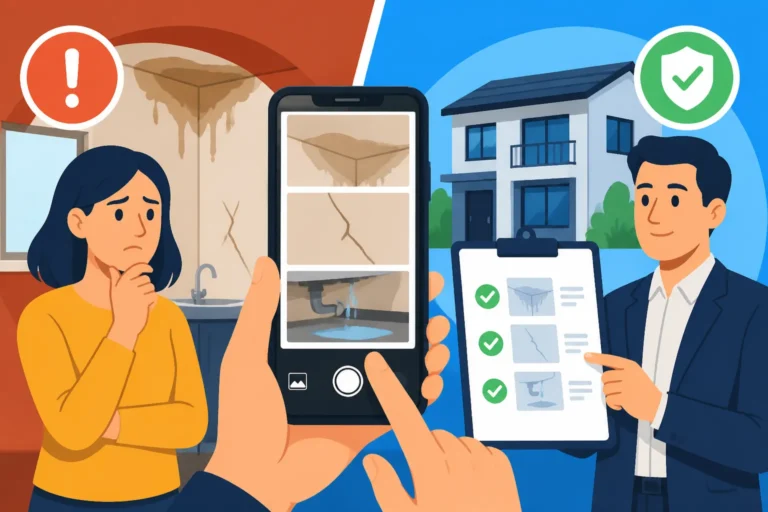
- Photos and videos: Capture the malfunctioning unit, any damage it's caused (e.g., water leaks), or even a thermometer showing the indoor temperature during extreme heat.
- Copies of all communication: Emails, text messages, certified mail receipts, and notes from phone calls (with dates and times).
- Witnesses: If possible, have a trusted friend or neighbor witness the lack of AC and the indoor temperature.
This evidence will be crucial if you need to escalate the situation, whether through legal means or by reporting your landlord to local authorities.
Repair and Deduct, or Withholding Rent: When Is It an Option?
These are powerful remedies, but they come with significant risks if not executed perfectly according to law. In Illinois, generally, you cannot withhold rent or use the "repair and deduct" remedy for issues that are not directly related to the habitability of the property or for issues that aren't explicitly defined in your lease as essential.
- Repair and Deduct: This means you pay for the repair yourself and then subtract the cost from your next rent payment. Statewide, Illinois law is very restrictive on this. It's typically only allowed for truly essential services (like heat, water, structural issues) and often only after giving proper written notice and waiting a specific "reasonable" period, which the law doesn't define for AC. In Chicago, as mentioned, the RLTO offers a specific repair-and-deduct option for certain health and safety issues, but it's capped and requires strict adherence to notice periods. Be very cautious using this unless you are absolutely sure the AC issue qualifies as a health and safety emergency in your specific municipality.
- Withholding Rent: This involves refusing to pay rent until the landlord makes repairs. This is an even riskier move. In most of Illinois, withholding rent can lead to eviction for non-payment, as there's no widespread "right to withhold rent" for non-essential repairs. Even in Chicago, it's a complex process that usually involves placing rent into an escrow account and only for major violations of the implied warranty of habitability. For an AC issue that isn't a direct health risk, this is generally not advisable without explicit legal counsel.
Before considering either of these actions, especially for an AC repair, you should seriously consult with a tenant rights attorney or a local housing authority. Missteps can put your tenancy and your finances at risk. You might find more detailed information on options like Repair and Deduct by State or Withholding Rent for Repairs on other resources, but remember that state-specific nuances are paramount.
Seeking Legal Help or Reporting to Authorities
If all your attempts at communication and reasonable waiting periods fail, and especially if the lack of AC is genuinely making your unit uninhabitable or a health risk, you might need to escalate.
- Local Housing Authorities: Many cities and counties have housing departments or code enforcement offices that can investigate landlord-tenant disputes related to property conditions. If the lack of AC creates a code violation (e.g., if a city ordinance sets minimum/maximum indoor temperatures or if your lease includes AC and your landlord isn't maintaining it), they can cite your landlord. This process is documented on articles like How to Report a Landlord Code Violations & Retaliation.
- Tenant Rights Organizations: Groups like Lawyers' Committee for Better Housing in Chicago or Prairie State Legal Services (serving most of Illinois) offer free or low-cost legal assistance and advice to tenants. They can help you understand your specific rights and the best course of action.
- Small Claims Court: If you incurred damages due to the lack of AC (e.g., spoiled food if the AC was part of a combined unit, or medical expenses if your health was impacted), you might be able to sue your landlord in small claims court. This is often a last resort and requires solid documentation.
Remember, landlords are generally prohibited from retaliating against tenants for exercising their legal rights, such as requesting repairs or reporting code violations.
Preventing AC Issues and Protecting Your Tenancy
While some AC breakdowns are unavoidable, there are steps you can take to minimize problems and protect yourself as a tenant.
Proactive Maintenance and Tenant Responsibilities
Even though your landlord is responsible for major AC repairs, tenants have a role to play in preventative maintenance to keep the unit running smoothly.
- Change filters regularly: This is probably the most impactful thing a tenant can do. Clogged filters reduce efficiency, increase energy costs, and can lead to breakdowns. Most units require changing filters every 1-3 months. Check your lease; it often specifies this as a tenant responsibility.
- Keep vents clear: Don't block return air vents or supply registers with furniture, curtains, or other items.
- Maintain thermostat settings: Avoid constantly fluctuating temperatures or setting the thermostat too low, which can overwork the unit.
- Report minor issues early: If you hear strange noises, smell something unusual, or notice decreased cooling capacity, report it immediately. Don't wait until it completely breaks down. This can prevent a minor issue from becoming a major, costly repair.
- Keep the area around the outdoor unit clear: If you have access to the outdoor condenser unit, ensure it's free from debris, leaves, and overgrown vegetation. Never attempt to service the unit yourself, but keeping the area clear allows for better airflow.
A good landlord will appreciate proactive tenants, and it can foster a better relationship when issues do arise.
Smart Rental Practices for Future Security
Being an informed renter is your best defense. When looking for a new place or renewing a lease:
- Read your lease thoroughly: Before signing, ensure the lease clearly states who is responsible for AC maintenance and repairs. If AC is advertised, make sure it's explicitly included in the lease as an amenity.
- Document move-in conditions: Perform a thorough Move-In / Move-Out Inspection Guide when you first move in, documenting the condition of everything, including the AC unit. Take photos and videos.
- Consider renter's insurance: Companies like Lemonade offer affordable renter's insurance that can protect your belongings from damage if, for instance, a leaky AC unit causes water damage. It also provides liability coverage.
- Choose your landlord wisely: While not always possible, try to rent from landlords or property management companies with a good reputation for responsiveness and maintenance. You can often find reviews online, or by asking current tenants, if possible. Services like Steadily help landlords manage their properties efficiently, which can translate to better maintenance for tenants.
By understanding your rights, documenting everything, and taking proactive steps, you can significantly improve your chances of getting AC repairs handled promptly and effectively in Illinois.
| Repair Type | Illinois General "Reasonable Time" (Estimate) | Chicago RLTO (After Written Notice) | Notes |
|---|---|---|---|
| No Heat (Winter) | 24-72 hours (Emergency) | 72 hours (Emergency) | Essential service, health/safety risk. |
| No Hot Water | 24-72 hours (Emergency) | 72 hours (Emergency) | Essential service, health/safety risk. |
| Major Plumbing Leak | 24-72 hours (Emergency) | 72 hours (Emergency) | Essential service, potential for significant damage. |
| Broken AC (Non-Extreme) | 7-14 days (Non-Emergency) | 14 days (Non-Emergency) | If AC is a stated amenity and not a direct health threat. "Reasonable time" can vary. |
| Broken AC (Extreme Heat) | 24-72 hours (Emergency-like) | Potentially 72 hours (if health risk) | If heat poses a verifiable health risk to occupants (elderly, infants, medical conditions) or violates city codes. Requires strong documentation. |
| Minor Appliance Repair | 7-14 days (Non-Emergency) | 14 days (Non-Emergency) | Refrigerator, oven (if included in lease). Landlord expected to act diligently. |
| Pest Infestation | 7-14 days (Non-Emergency) | 14 days (Non-Emergency) | Landlord responsibility for most infestations, especially structural ones. May become emergency if severe health risk. |
Disclaimer
The information provided in this guide is intended for general informational purposes only and does not constitute legal advice. Landlord-tenant laws, especially regarding specifics like "reasonable time" for repairs, can vary widely by jurisdiction and are subject to interpretation and change. It is always recommended to consult with a qualified legal professional or local housing authority for advice pertaining to your specific situation in Illinois.