How Long Does a Landlord Have to Fix Heat in Illinois?
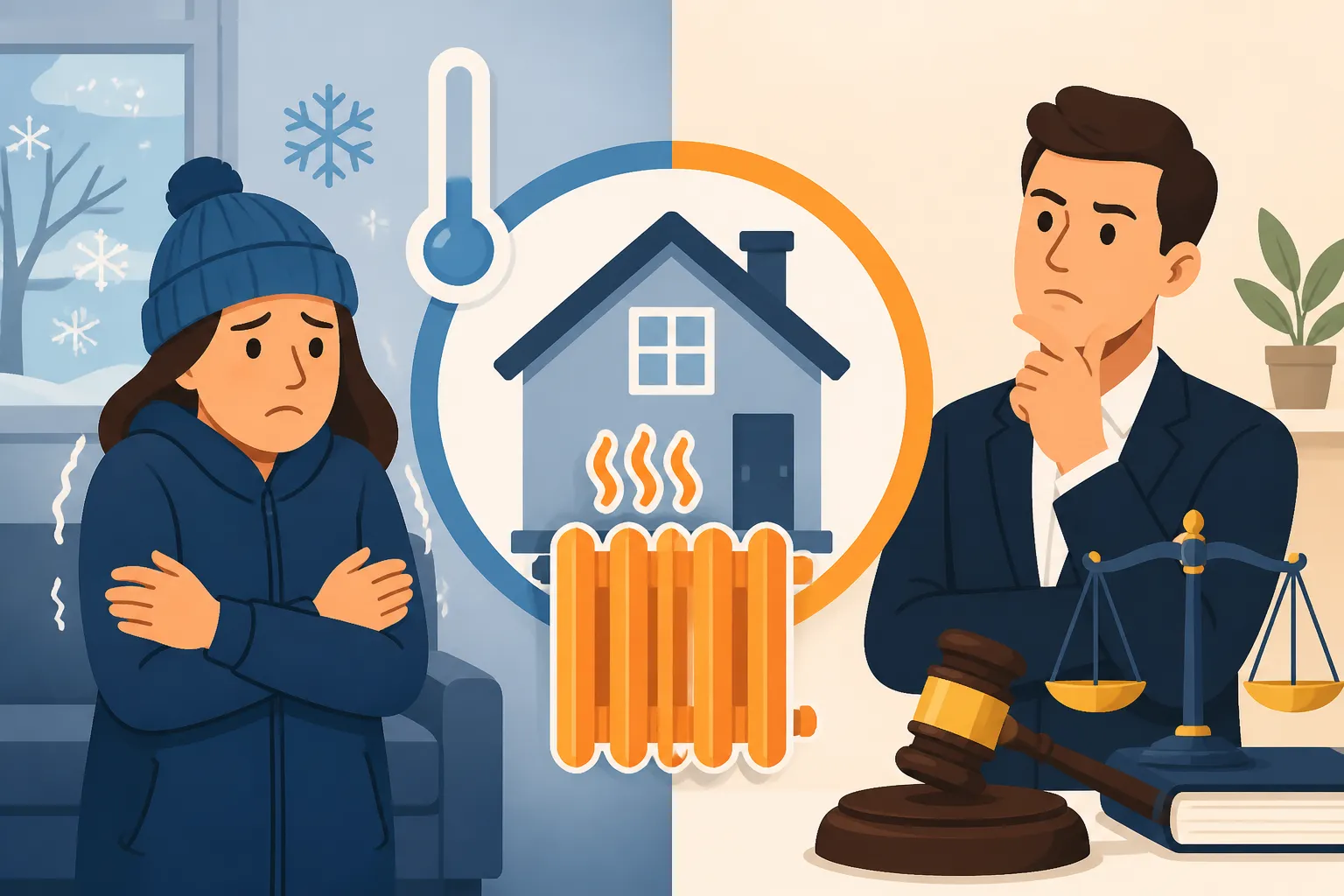
There's nothing quite like a Midwest winter, with its biting winds and relentless cold. And there's truly nothing worse than your furnace conking out when the temperatures plummet. If you're an Illinois renter facing this frigid nightmare, you're likely wondering, "How long does a landlord really have to fix the heat?" This guide will walk you through your tenant rights and landlord responsibilities in Illinois, helping you understand the legal timelines and actionable steps to take to get warm and stay informed.
The Foundation: Implied Warranty of Habitability in Illinois
Before we dive into timelines, it's crucial to understand the bedrock of tenant rights in Illinois: the implied warranty of habitability. This isn't just some legal jargon; it's a fundamental principle that ensures your rented home is safe, sanitary, and fit for human occupation. In plainer terms, your landlord has a non-negotiable duty to provide you with a place that isn't falling apart and has essential services, and a functioning heating system is definitely on that list when the weather demands it.
Understanding the Implied Warranty
The implied warranty of habitability means that even if your lease agreement doesn't explicitly state that your landlord must provide a habitable living space, the law implies it. This warranty applies to all residential leases in Illinois, whether written or verbal. It’s not something you can waive or sign away, no matter what a landlord might try to include in a lease. The idea is that renting a home isn't just about shelter; it's about renting a livable shelter.
This warranty covers critical components like structural soundness, pest control, hot and cold running water, and, yes, adequate heat. When something essential breaks down, like your heating system in the dead of winter, it breaches this fundamental warranty. This isn't just an inconvenience; it can be a serious health and safety concern, especially for vulnerable populations like the elderly, young children, or individuals with certain health conditions. Landlords are expected to keep the property up to local and state housing codes, which almost always include requirements for a functional heating system during colder months.
Specific Requirements for Heat in Illinois
While Illinois landlord-tenant law doesn't specify a statewide minimum temperature that landlords must maintain (unlike some other states), it generally requires landlords to provide "adequate" or "reasonable" heat during heating season. The heating season typically runs from September or October through May, depending on local ordinances. For instance, in Chicago, the law mandates that from September 15th through June 1st, landlords must provide heat to ensure the temperature is at least 68 degrees Fahrenheit during the day (8:30 AM to 10:30 PM) and 66 degrees Fahrenheit overnight.
It's vital for renters, especially those in larger cities like Chicago or Evanston, to check their local municipal codes. These local rules often have more specific and stringent requirements than the broader state guidelines, including clear temperature minimums. Failing to provide heat to these standards is a direct violation of the implied warranty of habitability and can constitute a serious lease violation. This means your landlord isn't just letting you down; they're breaking the law.
Deciphering "Reasonable Time" for Heat Repairs
Now for the million-dollar question: what exactly is a "reasonable time" for a landlord to fix the heat in Illinois? Unfortunately, there isn't a universally fixed number of hours or days written into state law. This lack of a concrete deadline can be incredibly frustrating for tenants shivering in their homes, making it feel like landlords can drag their feet. However, "reasonable time" is a legal concept that is interpreted based on the specific circumstances, and for a lack of heat in Illinois winter, it means urgency.
Factors Influencing the Timeline
Determining what constitutes a "reasonable time" isn't a one-size-fits-all answer. Several factors come into play, primarily centering on the severity of the issue and potential health risks.
- Outside Temperature: This is perhaps the most critical factor. A broken heater when it's 10 degrees Fahrenheit outside will obviously demand a much quicker response than if it breaks when it's 50 degrees. The colder it is, the more urgent the repair becomes, as prolonged exposure to cold temperatures can lead to serious health issues, including hypothermia.
- Time of Year (Heating Season): Is it January or October? During the official heating season (typically late fall through early spring), heat is considered an essential service. Outside of these months, while still important, it might not be classified with the same level of emergency, though any repair should still be handled promptly.
- Availability of Parts/Technicians: While a landlord cannot use the unavailability of parts or technicians as an excuse to avoid repairs indefinitely, courts generally consider practicalities. If a specialized part needs to be ordered, or if it's a major holiday weekend when technicians are scarce, a slight delay might be deemed reasonable, but only if the landlord can prove they acted diligently to find solutions and communicated clearly.
- Tenant Vulnerability: If there are elderly individuals, young children, or residents with medical conditions (like asthma or heart problems) in the household, the repair becomes even more time-sensitive due to heightened health risks. Your landlord should take this into account.
Generally, for a complete loss of heat in freezing temperatures, a "reasonable time" might be as short as 24-48 hours. If the temperature is merely uncomfortable but not dangerous, it might extend to a few days. However, a week without heat in winter is almost certainly not considered reasonable by any measure.
Emergency vs. Non-Emergency Repairs
In Illinois, a complete lack of heat during the heating season, especially when outdoor temperatures are low, falls squarely into the category of an emergency repair. An emergency repair is one that significantly impacts the tenant's health, safety, or the habitability of the property. Other examples of emergency repairs include burst pipes, no running water, or electrical outages.
Non-emergency repairs, on the other hand, might include a leaky faucet or a broken dishwasher. These still need to be addressed in a timely manner, but they don't pose an immediate threat to life or limb. Because a lack of heat is an emergency, landlords are expected to act with extreme swiftness. This usually means contacting a qualified technician immediately, even if it's after hours or on a weekend, and providing temporary heating solutions if the repair will take longer than a few hours.
Your Action Plan When the Heat Goes Out
When your heat dies, panic is often the first reaction, especially when it's frigid outside. But it's crucial to stay calm and follow a systematic approach. Documenting everything and communicating effectively are your best defenses if the situation escalates. Here's a step-by-step guide to what you should do:
Documenting the Problem
From the moment you realize there's a problem, start gathering evidence. This documentation will be invaluable if you need to take further action, like disputing security deposit deductions later or even pursuing legal options.
- Take Photos and Videos: Use your smartphone to document the thermostat showing a low temperature, any ice buildup inside windows, or even your breath visible indoors. Take timestamped photos or videos if possible.
- Record Inside/Outside Temperatures: Keep a record of the indoor temperature (use a reliable thermometer, not just the thermostat) and the outdoor temperature. Note the date and time of these readings.
- Log Communications: Every interaction with your landlord or property manager needs to be logged. Note the date, time, method of communication (phone, email, text), who you spoke with, and a summary of the conversation. If they promise a repair person by a certain time, write it down.
- Keep Receipts for Temporary Measures: If you have to buy space heaters, extra blankets, or stay in a hotel due to the lack of heat, keep all receipts. These costs may be recoverable from your landlord if they fail to act.
- Consult Your Lease: Review your lease agreement for any clauses related to repairs, landlord responsibilities, or specific procedures for notifying your landlord about maintenance issues.
Formal Notice to the Landlord
Verbal communication might be convenient initially, but always follow up with written notice. This creates an undeniable paper trail and makes it harder for your landlord to claim they were unaware of the problem.
- Initial Notification: As soon as you discover the problem, notify your landlord or property manager immediately, ideally by phone for the quickest response, especially if it's an emergency.
- Written Notice: Follow up the verbal notification with a written letter or email. In this notice, clearly state:
- The date and time you are sending the notice.
- The specific problem (e.g., "The furnace is not working, and there is no heat in the apartment").
- The date and time the problem began.
- The current indoor temperature.
- A clear request for immediate repair.
- A reference to your lease agreement and your rights under the implied warranty of habitability.
- Your contact information.
You might even consider using a service like TurboTenant for tenant screening or managing rental applications, which can also streamline communication, although direct certified mail is always a strong legal option. Ensure you keep a copy of this notice for your records. Sending it via certified mail with a return receipt requested provides undeniable proof of delivery. This formal communication serves as a crucial step in fulfilling your duty to inform the landlord, which is a prerequisite for most further actions.
Escalating the Issue: When Your Landlord Still Won't Act
If your landlord fails to address the heat issue within a reasonable timeframe (which, again, could be 24-48 hours in extreme cold), you have several options, though some come with risks.
Repair and Deduct
Illinois law does allow tenants to "repair and deduct" in certain circumstances. This means you pay for the repair yourself and deduct the cost from your next rent payment. However, this is a risky strategy and should only be pursued after careful consideration and often legal advice.
- Strict Requirements: You must have given proper written notice, the landlord must have failed to act within a reasonable time, the repair must be necessary for habitability (heat certainly qualifies), and the cost of the repair must be reasonable. You also generally need to give them a second notice or a specific deadline after the initial failure.
- Professional Repair: You must hire a licensed and reputable professional to do the work. Don't try to fix it yourself unless you are qualified and the repair is minor.
- Documentation: Keep all invoices and receipts. When you deduct the cost from your rent, you must send your landlord copies of these documents along with a detailed explanation.
Remember, if a court later determines your actions weren't justified, you could be liable for unpaid rent and potentially eviction. So, please be very cautious and understand the nuances of Repair and Deduct by State.
Withholding Rent
In Illinois, you generally cannot unilaterally withhold rent for repairs without a court order, with a few very specific exceptions. Doing so could lead to an eviction notice for non-payment of rent. Some jurisdictions have "rent escrow" laws, where you pay rent into a separate account until repairs are made, but Illinois state law doesn't widely support this as a tenant-initiated action.
- Court Action: The safest way to withhold rent is to file a lawsuit (e.g., in small claims court) asking the court to order repairs or allow you to withhold rent until repairs are made.
- Risk of Eviction: If you withhold rent without legal authorization, your landlord can file an eviction lawsuit against you. Even if you believe you're in the right, fighting an eviction can be costly and stressful. For more on this, you can look into Withholding Rent & Rent Escrow.
Contacting Local Authorities
This is often a less risky and effective first step before considering repair and deduct or legal action.
- Code Enforcement: Contact your local housing authority or code enforcement office. They can inspect your unit, cite your landlord for violations, and order them to make repairs. Many cities, like Chicago, have specific departments for tenant complaints.
- Health Department: If the lack of heat is causing significant health issues (e.g., pipes freezing, extreme cold affecting a vulnerable person), the health department might also be able to intervene.
Legal Action
If all else fails, you might consider legal action.
- Small Claims Court: You can sue your landlord in small claims court for damages, such as the cost of temporary housing, medical bills related to the cold, or a reduction in rent for the period without heat.
- Legal Aid: Non-profit legal aid organizations often provide free or low-cost legal assistance to tenants dealing with landlord issues. They can advise you on the best course of action.
- Breaking the Lease: In extreme cases of prolonged, severe lack of heat rendering the unit uninhabitable, you might have grounds to break your lease without penalty. This is a form of Constructive Eviction Explained and should only be done after consulting with a lawyer.
Potential Consequences for Landlords in Illinois
Landlords who fail to provide adequate heat in Illinois during cold weather face serious consequences beyond just an unhappy tenant. The law is designed to protect tenants, and neglecting essential services like heat can lead to significant penalties. Reputable landlords often carry landlord insurance from providers like Steadily to cover unexpected repairs, but ignoring a problem is never a covered event.
Penalties for Non-Compliance
The exact penalties can vary depending on whether the violation is addressed through local ordinances or state law, but they generally include:
- Fines: Local housing authorities or code enforcement departments can issue fines to landlords for each day a violation persists. These fines can quickly add up, especially for emergency issues like a lack of heat. For instance, in Chicago, fines for heat violations can range from hundreds to thousands of dollars per day, depending on the severity and repeat offenses.
- Court Orders: A court can order the landlord to make the repairs immediately. If they still don't comply, they can be held in contempt of court, leading to further fines or even jail time in extreme cases.
- Damages: Tenants who suffer harm due to the lack of heat (e.g., illness, property damage from frozen pipes, costs for temporary housing) can sue the landlord for monetary damages. A court might award you compensation for these losses, and sometimes even punitive damages if the landlord's negligence was willful or malicious.
- Reduced Rent (Abatement): A court can order a reduction in the rent for the period the apartment was uninhabitable due to the lack of heat. This means you pay less, or even no rent, for the time you were living in an unreasonably cold apartment.
Constructive Eviction
When a landlord's actions, or inactions, make a rental property unlivable, it can be considered "constructive eviction." This is a powerful concept that allows a tenant to break their lease without penalty, even if they haven't been physically forced out.
- Uninhabitable Conditions: For constructive eviction to apply, the conditions must be so severe that they essentially deprive the tenant of the safe and habitable use of the property. A prolonged lack of heat in freezing Illinois weather almost always meets this criterion, especially if local ordinances set minimum temperatures that are not being met. You can learn more about What Is Considered Uninhabitable?.
- Notice and Opportunity to Cure: The tenant must give the landlord proper written notice of the issue and a reasonable opportunity to fix it. Only after the landlord fails to remedy the situation can the tenant move out and claim constructive eviction. This is why thorough documentation and formal written communication are so critical.
- Tenant Must Vacate: To claim constructive eviction, the tenant must actually move out of the property. You cannot claim constructive eviction and continue to live in the unit.
- Legal Defense: If the landlord tries to sue for unpaid rent after you move out, you would use the constructive eviction as your legal defense. A successful claim means you are relieved of your lease obligations, including future rent payments.
Understanding these consequences can give you leverage as a tenant. Landlords generally want to avoid fines, lawsuits, and the hassle of finding a new tenant unexpectedly. It's also worth noting that tenants should always protect themselves with renter's insurance from companies like Lemonade to cover personal belongings in case of emergencies like burst pipes due to lack of heat.
Here's a quick summary of recommended tenant actions:
| Action Step | Description | Recommended Timing | Documentation Needed |
|---|---|---|---|
| 1. Immediate Notification | Call/text landlord/property manager about the issue. | Immediately after discovering no heat. | Log call, person spoken to, time. |
| 2. Formal Written Notice | Send a detailed letter/email (certified mail recommended). | Within 12-24 hours of initial notice. | Copy of letter/email, certified mail receipt. |
| 3. Document Conditions | Take photos/videos, record temperatures, log all communications. | Continuously until repair is complete. | Photos, videos, temperature logs, communication log. |
| 4. Follow-up | If no action, send another written notice reminding them of timeline. | After 24-48 hours (or specific local ordinance period). | Copy of follow-up letter/email. |
| 5. Contact Authorities | File a complaint with local housing/code enforcement. | After landlord fails to respond/repair within reasonable time. | Complaint number, agency contact. |
| 6. Seek Legal Advice | Consult a landlord-tenant attorney or legal aid. | Before considering repair & deduct or breaking lease. | All accumulated documentation. |
For more detailed information on specific processes, consider exploring resources like How to Request Repairs in Writing and No Heat / No Hot Water / No AC: Your Rights. Remember, knowing your rights and taking the right steps can make all the difference when facing a landlord who isn't upholding their end of the bargain.
Disclaimer
Please remember that this article provides general information and is not a substitute for legal advice. Landlord-tenant laws can be complex and vary by specific locality within Illinois. If you are facing a serious issue with your heating, it's always best to consult with a qualified attorney or tenant's rights organization in your area for advice tailored to your specific situation.