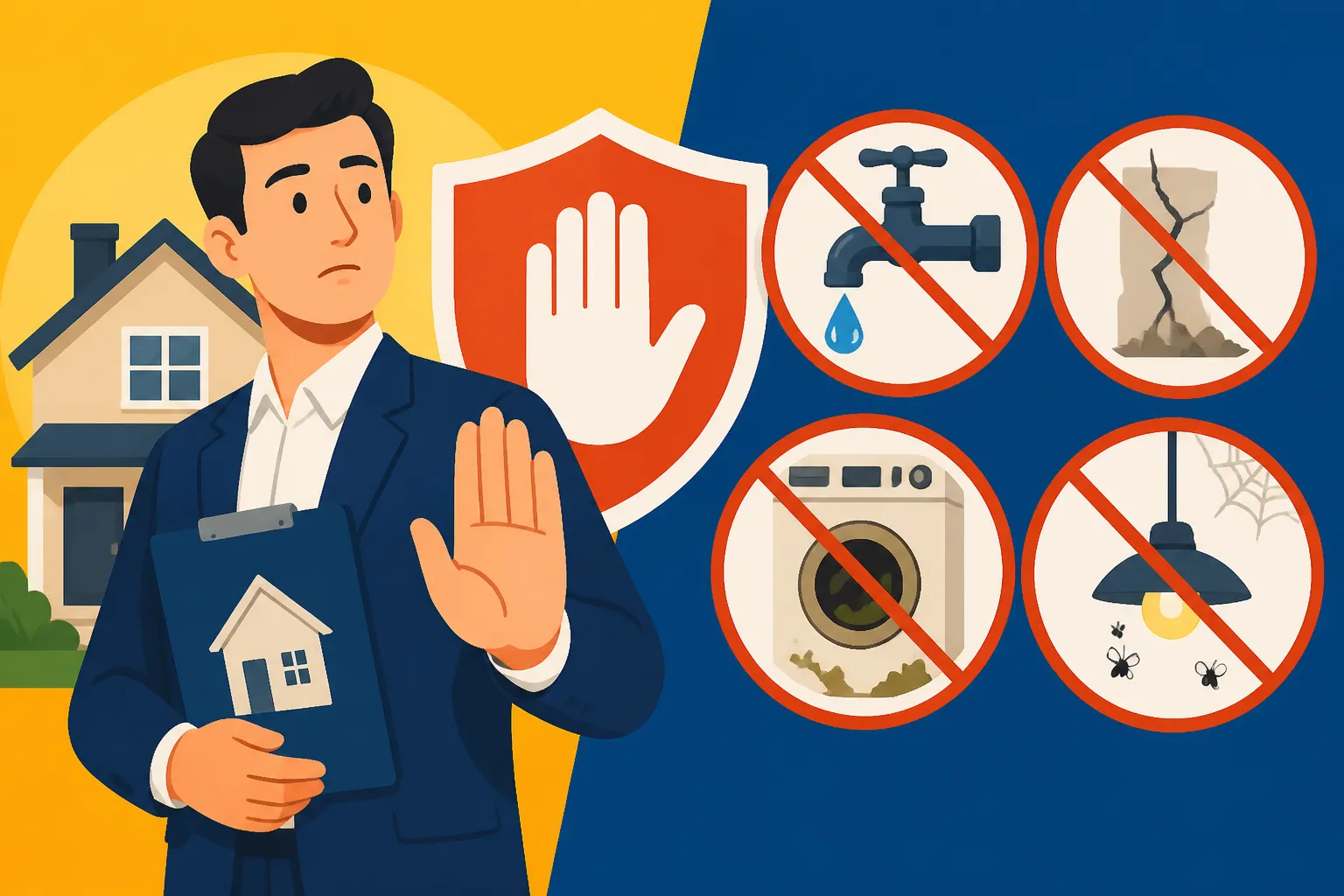
What Repairs Is a Landlord NOT Responsible For?
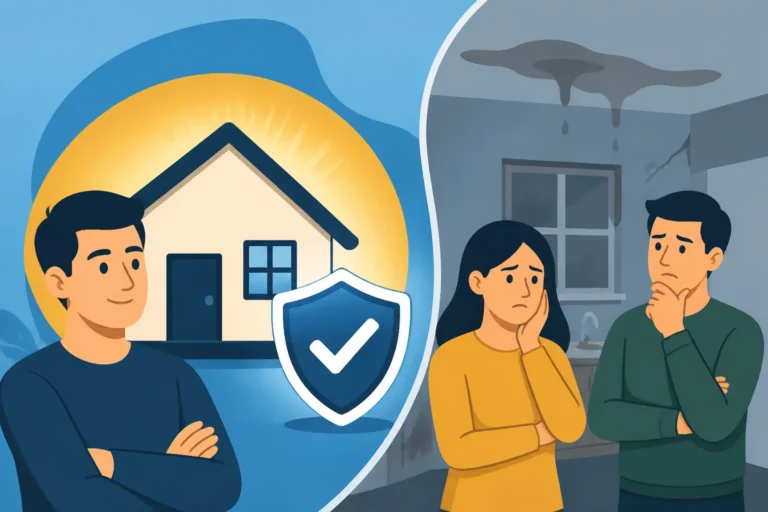
It's incredibly frustrating when something breaks in your rental home, and you're left wondering whose job it is to fix it. Is it something your landlord absolutely has to handle, or is it suddenly your responsibility, even though you don't own the place? This guide aims to clear up that confusion by diving deep into what repairs landlords are generally not responsible for, giving you a clearer picture of your tenant obligations.
Understanding the Baseline: What Landlords Are Responsible For
Before we can really dig into what a landlord isn't responsible for, it’s crucial to understand the fundamental responsibilities they do have. Most landlord repair duties stem from a few key areas: the implied warranty of habitability, the specific terms laid out in your lease agreement, and state or local tenant-landlord laws. When these responsibilities are neglected, it can lead to bigger problems and disputes.
The Implied Warranty of Habitability
This is a big one, and it's something that's baked into nearly every residential lease, even if it's not explicitly written out. The implied warranty of habitability means your landlord has a legal obligation to provide and maintain a rental property that is safe, healthy, and suitable for living. This isn't about luxury; it's about basic necessities. Think about what makes a home livable: a secure roof, working plumbing that provides hot and cold running water, functional electricity, safe heating in cold climates, and structural soundness. If your roof is leaking, the furnace breaks in winter, or there's a serious plumbing issue causing sewage backups, these almost certainly fall under the landlord's duty to repair because they directly impact your ability to live safely and healthily in the unit. For a deeper dive into this fundamental tenant right, check out our guide on the Implied Warranty of Habitability Explained.
Beyond these structural and utility-related items, habitability can also extend to pest infestations that make the property unsafe or unsanitary. For instance, a severe rat infestation isn't just unpleasant; it's a health hazard. In most jurisdictions, this would fall to the landlord to address. This warranty ensures that the property remains fit for human habitation throughout your tenancy, not just at move-in. It’s a core protection for tenants, designed to prevent landlords from renting out or letting properties fall into disrepair to a point where they are unlivable.
Lease Agreement Provisions
While the warranty of habitability covers the bare minimum, your specific lease agreement is the next critical place to look. Leases often go beyond the basic habitability standards and detail who is responsible for what. For example, a lease might explicitly state that the landlord is responsible for maintaining all major appliances provided with the unit, like the refrigerator, oven, and dishwasher. Without that explicit mention, depending on state law, it could be a gray area. Some leases might even specify responsibilities for landscaping in a single-family home rental or common area maintenance in an apartment complex.
It’s absolutely vital to read your lease thoroughly, not just when you sign it, but also when a repair issue crops up. Your lease is a binding contract, and it often clarifies responsibilities that aren't explicitly covered by general state law or the implied warranty. Sometimes, leases might even attempt to shift certain maintenance burdens to the tenant, but these clauses can only do so up to the extent allowed by state and local laws. Any clause that tries to waive the implied warranty of habitability, for example, is generally unenforceable. This means a landlord can't write into the lease that you're responsible for fixing a broken furnace if that makes the unit uninhabitable in freezing temperatures. Knowing what your lease says (and what it can't legally say) is your first line of defense.
Local and State Regulations
On top of the implied warranty and your lease, every state, and often individual cities, have specific landlord-tenant laws that dictate repair responsibilities. These laws can vary quite a bit, so what's standard in California might be different from what's expected in Texas or New York. For example, some states have specific rules about who is responsible for pest control, or how long a landlord has to make repairs once notified. You might find that your state mandates a landlord must fix essential issues within a certain timeframe, like 24-72 hours for emergencies (no heat in winter, no hot water, etc.) or 7-30 days for less urgent repairs. To get a comprehensive understanding of your landlord's general duties, you might want to read our article on Landlord Repair Responsibilities What They Must Fix.
These regulations often provide a safety net for tenants, ensuring that even if a lease is silent on a particular issue, there’s a legal framework to address it. Many states, like Oregon and Washington, have very tenant-friendly laws, while others might lean more towards landlord protections. It's not uncommon for cities to have their own housing codes, which set minimum standards for rental properties, including details on heating, plumbing, and structural integrity. Being aware of these local and state rules can empower you when a repair dispute arises, and you need to understand your rights and your landlord's obligations.
Tenant's Role: When Repairs Fall to You
Alright, now that we've covered the landlord's core responsibilities, let's flip the coin. There are definitely situations where the repair burden falls squarely on the tenant. This isn't about landlords trying to shirk duties; it's about the reasonable expectation that tenants will treat the property with care and handle minor upkeep.
Damage Caused by Tenant Negligence or Misuse
This is probably the biggest category where tenants become responsible for repairs. If you, your guests, or your pets cause damage to the property, it's generally on you to fix it. This isn't just about intentional destruction; it also includes damage resulting from negligence or misuse. For example, if you accidentally back your car into the garage door, your landlord isn't going to cover that. If your toddler draws all over the walls with permanent marker, that's your repair. Similarly, if you overload an electrical outlet and cause a circuit to short, damaging the wiring, that’s likely your fault.
This also extends to things like improper use of plumbing – flushing items that shouldn't be flushed and causing a clog that requires professional snaking. Or perhaps you neglected to clean the stovetop, leading to a grease fire that damaged the kitchen. In these cases, the damage isn't due to normal wear and tear or a landlord's failure to maintain the property; it's directly attributable to tenant actions. Your landlord will likely expect you to pay for these repairs, and if you don't, they may deduct the costs from your Security Deposit: What Can a Landlord Deduct From a Security Deposit?. It’s a pretty straightforward principle: if you broke it, you fix it (or pay for it).
Minor Maintenance and Upkeep
While landlords are responsible for major repairs, tenants are typically expected to handle minor maintenance and keep the property reasonably clean and tidy. Think of it as day-to-day upkeep. This includes things like replacing light bulbs, changing air filters regularly, replacing batteries in smoke detectors and carbon monoxide detectors, and maintaining yard work if specified in the lease for single-family homes. It can also include things like plunging a minor toilet clog that you caused, or cleaning up spills promptly to prevent stains or damage.
These are tasks that prevent larger problems from developing and ensure the smooth functioning of the home. For instance, neglecting to change an air filter can put a strain on the HVAC system, potentially leading to more expensive repairs down the line that could then be attributed to your negligence. Your lease might explicitly outline these tenant maintenance duties, but even without explicit mention, general tenant responsibilities often include keeping the property in a condition that prevents excessive damage or deterioration.
Appliances and Fixtures Not Included in the Lease
Sometimes, a landlord provides a unit without certain appliances, or you bring your own. If an appliance or fixture isn't explicitly listed in the lease as being provided and maintained by the landlord, then its repair typically falls to you, the tenant. For example, if your landlord didn't provide a microwave or a washer/dryer, and you brought your own, any issues with those appliances are your problem.
This also applies to non-essential fixtures or items. If you install an extra ceiling fan, put up shelving, or even bring in a portable air conditioning unit, you are responsible for its maintenance and any damage it might cause. The landlord's responsibility generally only extends to the items they specifically include as part of the rental property. Always clarify which appliances and fixtures are included in your rental and whose responsibility they are for repairs. It’s a good idea to confirm this in writing at the beginning of your tenancy. You can learn more about who is generally responsible for appliances in a rental by reading our article on Who Pays for Appliance Repairs?
Specific Scenarios: Common Repair Gray Areas
Beyond the clear-cut cases, there are some common situations that often cause confusion and become "gray areas" in landlord-tenant repair disputes. These often depend on interpretation, the specific cause of the problem, and local laws.
Pest Control Beyond Infestation
While a severe, pre-existing pest infestation (like roaches, rats, or bed bugs) is generally a landlord's responsibility as it impacts habitability, the line gets blurry with minor or tenant-caused pest issues. If a landlord has taken reasonable steps to keep the property pest-free, but you, as the tenant, create conditions that attract pests – say, by leaving food out constantly, not disposing of trash properly, or neglecting cleanliness – then addressing the resulting pest problem might become your responsibility.
For instance, if a few ants or silverfish appear due to a forgotten bag of groceries or a messy pantry, many landlords would expect you to handle it with common household pest control methods. However, if those small issues escalate into a full-blown infestation due because of a structural issue the landlord should have fixed (like a crack in the foundation or leaky pipes attracting pests), the responsibility might swing back to them. It’s a matter of cause and effect: if the tenant's actions or inactions directly led to the problem, they're likely accountable. If the problem is structural or pervasive despite tenant efforts, it typically remains with the landlord. Some states also have specific laws regarding pest control, which is important to consider.
Aesthetic vs. Functional Repairs
This is a subtle but important distinction. Landlords are primarily responsible for ensuring the functionality and habitability of the unit. This means keeping structural elements sound, utilities working, and essential systems (like plumbing, electrical, and HVAC) in good repair. However, they are generally not responsible for purely aesthetic repairs, unless the aesthetic issue directly impacts habitability or was caused by landlord negligence.
For example, a landlord must fix a leaky faucet (functional repair), but they might not be obligated to replace a perfectly functional but outdated countertop just because you don't like its color (aesthetic repair). Similarly, faded paint on a wall that's otherwise structurally sound is an aesthetic issue. If a small patch of paint chips off due to normal aging, the landlord isn't usually required to repaint the entire room mid-tenancy. However, if the paint is peeling due to a persistent moisture problem that the landlord failed to address, then fixing the underlying moisture issue and the resulting paint damage would fall to them. The key question is always: does this issue make the home unsafe, unhealthy, or prevent me from using an essential part of the property? If not, it's probably considered aesthetic.
Wear and Tear vs. Damage
Perhaps one of the most hotly contested areas in landlord-tenant relations is distinguishing between "normal wear and tear" and actual "damage." Landlords are not responsible for repairing normal wear and tear; this is the natural deterioration that occurs over time with regular use, even when a tenant has been careful and responsible. Examples include faded paint, minor scuffs on walls, worn carpet in high-traffic areas, loose grout in bathroom tiles, or slight discoloration around light switches. These are considered the cost of doing business for a landlord. To fully grasp this, you'll want to review our comprehensive guide on Normal Wear and Tear vs Damage: Complete Guide.
Damage, on the other hand, is deterioration that goes beyond what's expected from ordinary use and is often caused by neglect, misuse, or an accident. This could be a large hole in the wall, permanent stains on the carpet, a broken window, scratched hardwood floors from dragging furniture, or burn marks. If a tenant moves out and the landlord finds such damage, the cost of repair or replacement can typically be deducted from the security deposit. Understanding this difference is critical for both tenants and landlords to avoid disputes at the end of a tenancy. It's often helpful to document the condition of the apartment meticulously at move-in and move-out to avoid disagreements later on.
Here's a quick reference table to help visualize these common distinctions:
| Feature | Normal Wear and Tear (Landlord Responsible) | Damage (Tenant Responsible) |
|---|---|---|
| Walls | Faded paint, small picture nail holes, minor scuffs | Large holes, crayon marks, deep gouges, excessive marks |
| Flooring | Worn carpet in traffic areas, minor scuffs on wood | Tears in carpet, pet urine stains, deep scratches in hardwood |
| Appliances | General aging, minor cosmetic blemishes | Broken knobs, shattered glass, missing parts, internal damage due to misuse |
| Plumbing | Slow drain from regular use, leaky faucet washer | Clogged pipes from foreign objects, broken fixtures from force |
| Windows/Doors | Sticky window from humidity, loose door knob | Cracked or broken glass, smashed door, broken locks from tampering |
Proving Responsibility and Documenting Issues
When a repair issue arises, especially in a gray area, having clear documentation and a solid communication trail is absolutely vital for both tenants and landlords. This isn't just about protecting yourself; it's about ensuring problems get resolved efficiently and fairly.
The Importance of Communication and Written Records
Whenever a repair is needed, whether you think it's the landlord's responsibility or your own, the first step is always clear and timely communication. As a tenant, always report issues to your landlord in writing. This creates a paper trail and eliminates any "he said, she said" arguments later on. An email, text message, or certified letter is far more effective than a phone call because it provides verifiable proof of when and what you reported. Make sure to describe the issue clearly, including when it started, what impact it's having, and any steps you’ve already taken.
If your landlord responds, try to keep those responses in writing as well. If you have a phone conversation, follow up with an email summarizing what was discussed and agreed upon. This disciplined approach to communication is incredibly important. Without written proof that you notified your landlord of a problem, it becomes very difficult to hold them accountable, especially if you later need to pursue options like Withholding Rent for Repairs (which comes with strict legal requirements) or Suing a Landlord for Your Deposit Small Claims & Penalties. Many online tools, including some offered by platforms like TurboTenant, can help streamline communication and keep digital records, making it easier for both parties to stay organized.
Gathering Evidence of Damage
When you identify damage or a repair issue, whether it’s at move-in, mid-tenancy, or move-out, gathering evidence is crucial. This means taking detailed photos and videos.
- Photos: Take wide shots that show the overall context, then close-ups of the specific issue. Include a date stamp if possible, or ensure your camera’s metadata includes date and time information.
- Videos: A video can be even more powerful, especially for issues that are hard to capture in a still photo, like a leaky pipe or a flickering light. Narrate what you’re seeing and the date.
- Descriptions: Write down a detailed description of the damage, including its location, size, and when you noticed it.
This evidence is particularly important for differentiating between normal wear and tear and tenant-caused damage. If your landlord tries to deduct from your security deposit for something you believe was pre-existing or normal wear, your move-in documentation becomes your most valuable asset. That's why we always recommend a thorough How to Document Your Apartment at Move-In process. Having this comprehensive documentation can save you a lot of headache and potential costs down the road.
Utilizing Tenant Screening and Lease Management Tools
For landlords, having robust systems in place from the start can prevent many of these repair disputes. Thorough tenant screening helps ensure you're renting to responsible individuals who are more likely to take care of the property and report issues promptly. Many landlords use services like TurboTenant to screen applicants, generate leases, and manage rental properties. These platforms often include features for tracking maintenance requests, which can create those crucial written records automatically.
Additionally, a well-crafted lease agreement that clearly outlines responsibilities for minor maintenance, specific appliances, and how to handle tenant-caused damage can preempt many arguments. Being explicit about these expectations upfront means less ambiguity later on. Landlords can also benefit from services that help manage leases and property insurance, such as Steadily, which offers landlord insurance, and Lemonade, which provides renters insurance. These services can ensure both the property owner and the tenant are covered for unforeseen circumstances, which can sometimes include certain types of damage not attributable to either party's negligence.
When to Seek Outside Help or Legal Counsel
Despite your best efforts to communicate and document, there might come a time when you and your landlord can't agree on who is responsible for a repair, or when a landlord simply refuses to address a legitimate issue. When this happens, knowing your options for escalating the situation is important.
Engaging in Dispute Resolution
Before jumping straight to legal action, many areas offer less adversarial methods for resolving landlord-tenant disputes. Mediation is a common and often effective approach. In mediation, a neutral third party helps both sides communicate and find common ground to reach a mutually acceptable solution. It’s typically less formal and less expensive than going to court, and it allows for more creative solutions than a judge can impose. Many local housing authorities or community dispute resolution centers offer mediation services, sometimes at no cost or for a low fee.
Another avenue is contacting your local housing authority or tenant rights organization. These organizations can provide guidance on your rights and responsibilities, help you understand local laws, and sometimes even advocate on your behalf. They can often inform you if your landlord is violating specific housing codes or tenant protection laws regarding repairs. They might even have templates for a Security Deposit Demand Letter How-To + Template or other formal communications if your landlord is withholding funds unfairly.
Legal Avenues for Unresolved Issues
If informal dispute resolution fails, and the stakes are high (e.g., a significant repair cost, prolonged uninhabitable conditions, or wrongful deductions from your security deposit), you might need to explore legal avenues.
- Small Claims Court: For disputes involving money, such as recovering a wrongfully withheld security deposit or reimbursement for repairs you had to pay for, small claims court is often the most accessible option. You don't usually need an attorney, and the process is designed to be straightforward. The maximum amount you can sue for varies by state and county, but it's often several thousand dollars. Going this route requires you to have strong documentation, including your lease, communication records, photos, and receipts for any repairs you made. If your landlord wrongfully withheld your deposit, you might even be eligible for Double vs Treble Damages for Wrongful Withholding, depending on your state's laws.
- Tenant Rights Attorneys: For more complex cases, such as dealing with constructive eviction (where conditions become so bad you're forced to move out) or persistent violations of habitability, consulting with a landlord-tenant attorney is advisable. They can provide legal advice, represent you in court, and navigate the intricacies of housing law. While this can be more expensive, some attorneys offer free initial consultations or work on a contingency basis in certain situations.
It's important to remember that legal action should generally be a last resort, but it's an important right for tenants when landlords fail to uphold their end of the agreement.
Understanding Renter's Insurance Protections
Finally, let's talk about renter's insurance. While it doesn't cover your landlord's responsibilities or usually pay for damages you cause, it's a critical safety net for tenants. Renter's insurance primarily protects your personal belongings from theft, fire, and certain types of water damage, and it provides liability coverage if someone is injured in your rental unit due to your negligence.
For example, if a pipe bursts (a landlord's responsibility) and floods your apartment, destroying your furniture and electronics, your renter's insurance would typically cover the cost of replacing your belongings. The landlord's insurance would cover the damage to the building itself. If your bathtub overflows because you left the water running and it damages the downstairs unit, your renter's insurance's liability portion would kick in to cover the repairs to the neighbor's unit and possibly their damaged property. Companies like Lemonade offer easy-to-understand and affordable renter's insurance policies that can provide peace of mind in these situations. It's a small investment that can save you huge financial headaches if the unexpected happens.
Disclaimer
Please remember that this article provides general information and should not be considered legal advice. Landlord-tenant laws vary significantly by state and local jurisdiction. For specific legal guidance regarding your situation, it is always recommended to consult with a qualified attorney in your area or contact a local housing authority.